

Entertainment
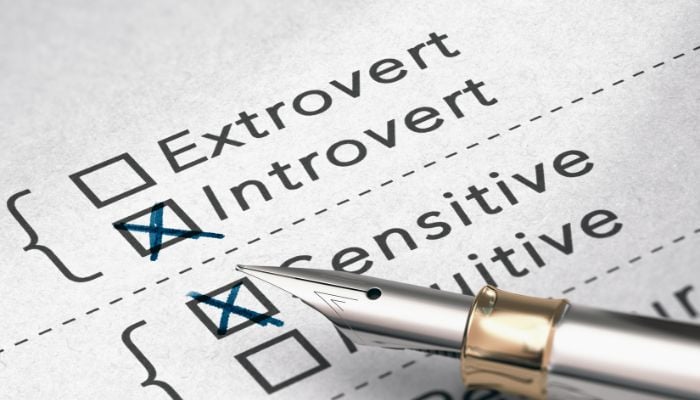
‘I’m an introvert. How can I handle social interactions without feeling anxious?’


Dear Haya,
I’m a socially awkward introvert seeking advice on how to manage social gatherings. I often tend to feel anxious or drained in group settings, even around people I’m familiar with. I struggle to balance the need for some alone time with the desire to maintain a social life and friendships.
Although people around me seem nice on the surface about my hesitance to participate in social events, they do sometimes see me with a judgemental lens, given my awkwardness when I’m with them.
Could you suggest some practical ways for me to handle such interactions in a comfortable manner while keeping myself stress-free?
— A socially-awkward introvert

Dear socially-awkward introvert,
Before we dive deep into your query, I’d like to point out here that there is nothing wrong with you. Awareness is a great place to start at and I can see that you are aware of your personality type. Being an introvert doesn’t mean you are failing at life, it means that your energy works differently, and that’s okay. What matters is how we work around what we have already in a way that works best for our well-being and honours your need for connection and your need for space.
Let’s explore some practical ways to handle such interactions to help you mentally prepare before an upcoming event.
Choose ‘small doses’ instead of all or nothing
You don’t need to attend every gathering or stay for hours. Showing up for even 30 to 45 minutes can help you maintain friendships without overwhelming yourself.
Have an exit plan ready you feel comfortable with
Knowing how you will leave a place makes everything easier, for example, until the time you’re tired, or having your car with you. This reduces anxiety because you are not trapped.
Anchor yourself with one person
Instead of carrying the expectation that you need to navigate an entire group, pick one person with whom you feel safest. Standing by them or sitting with them gives you a base to return to throughout the event.
Have a query for Haya? Fill this form anonymously or email to [email protected]
Prepare conversation starters
Have some conversation topics in mind that you can fall back on. For example, how was your week? What are you working on these days? Any interesting shows you’re watching? When you feel frozen, these help you engage without pressure. Remember, curiosity always wins.
Protect your energy before and after
Being self-aware about yourself is a superpower. You know what works and what doesn’t. Try to do something grounding beforehand to keep your nervous system calm. Post meet-up, schedule some quiet time to recharge. It will aid you in regaining your energy.
Remember, most people are focused on themselves. We may feel like people are judging us because we are so hyper-aware of ourselves, but we think that more than that is true. Most people are caught up in their own insecurities.
Introversion is not a flaw
Your introversion is not a flaw. The most important thing is that we accept ourselves for who we are and create a life around that, which works best in boosting our well-being.
Start out with these steps, but keep in mind that you will experience some discomfort as you practice them. That’s natural. Any time we move outside our comfort zones, our nervous system reacts. The aim isn’t to avoid discomfort entirely, but to stay within a level that feels manageable.
Growth requires exactly that — a willingness to challenge yourself. If you don’t push beyond what feels familiar, you remain stuck in patterns that keep you isolated. And while solitude can be soothing, all human beings have a basic need for love, connection and belonging. Ignoring that need for too long can lead to loneliness and unmet emotional needs.
So take small steps, honour your limits but also honour your need for connection. The goal for you is to build a life where you would feel socially capable and emotionally fulfilled, not cut off from others out of fear. And remember, progress over perfection always.
Good luck!
— Haya

Haya Malik is a psychotherapist, Neuro-Linguistic Programming (NLP) practitioner, corporate well-being strategist and trainer with expertise in creating organisational cultures focused on well-being and raising awareness around mental health.
Send her your questions by filling this form or email to [email protected]
Note: The advice and opinions above are those of the author and specific to the query. We strongly recommend our readers consult relevant experts or professionals for personalised advice and solutions. The author and Geo.tv do not assume any responsibility for the consequences of actions taken based on the information provided herein. All published pieces are subject to editing to enhance grammar and clarity.
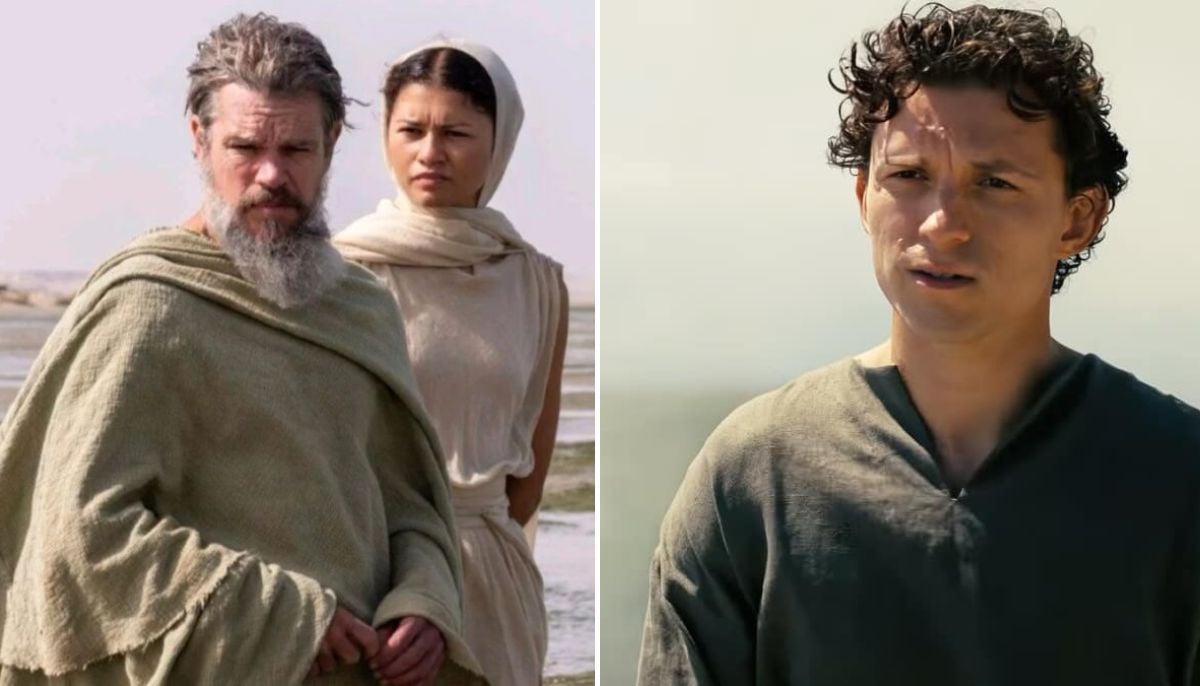
Zendaya apparently had two of her The Odyssey co-stars feeling a little jealous on set.
According to Matt Damon, director Christopher Nolan handed Zendaya praise so rare that both Damon and Tom Holland couldn’t stop talking about it.
Speaking to Elle for Zendaya’s latest cover story on May 21, Damon explained that Nolan is famously reserved when reacting to scenes. “Yep, good. Okay,” is apparently about as enthusiastic as the Oscar-winning director gets after a successful take.
But Zendaya managed to earn something far more elusive: a “perfect” take.
“Tom [Holland] and I were obsessed with this. She got a ‘perfect’? I’ve never even gotten a ‘great.’ She got a ‘perfect’?” Damon, 55, recalled.
The actor, who plays Odysseus in the upcoming epic, admitted the compliment sparked ongoing jokes between him and Holland, who plays Odysseus’ son Telemachus. “He and I bi*ched about it for the entire rest of the film. ‘Did you get anything today?’ ‘No, I got a ‘good’ – moving on.’”
The feat becomes even more impressive given that Zendaya was juggling four different projects at the time of filming: The Odyssey, Euphoria Season 3, Dune: Part Three, and The Drama.
“I remember being on set for Euphoria; it was a night shoot at a ranch. I was so tired, but I was also learning my Chakobsa lines for Dune,” the actress, 29, said. “It’s not like I have a lot of lines in The Odyssey, but I was working with Christopher Nolan! The most embarrassing thing in life would be messing up my lines, which did happen once,” she admitted.
Luckily, Nolan had nothing but praise for Zendaya’s professionalism and “grace” during the demanding shoot, calling her “a true movie star, but also an incredible actor.”
Zendaya portrays the goddess Athena in the upcoming film, which is based on Homer’s ancient Greek epic. The ensemble cast also includes Robert Pattinson, Lupita Nyong’o, and Charlize Theron.
The Odyssey is set to hit theatres on July 17, 2026.
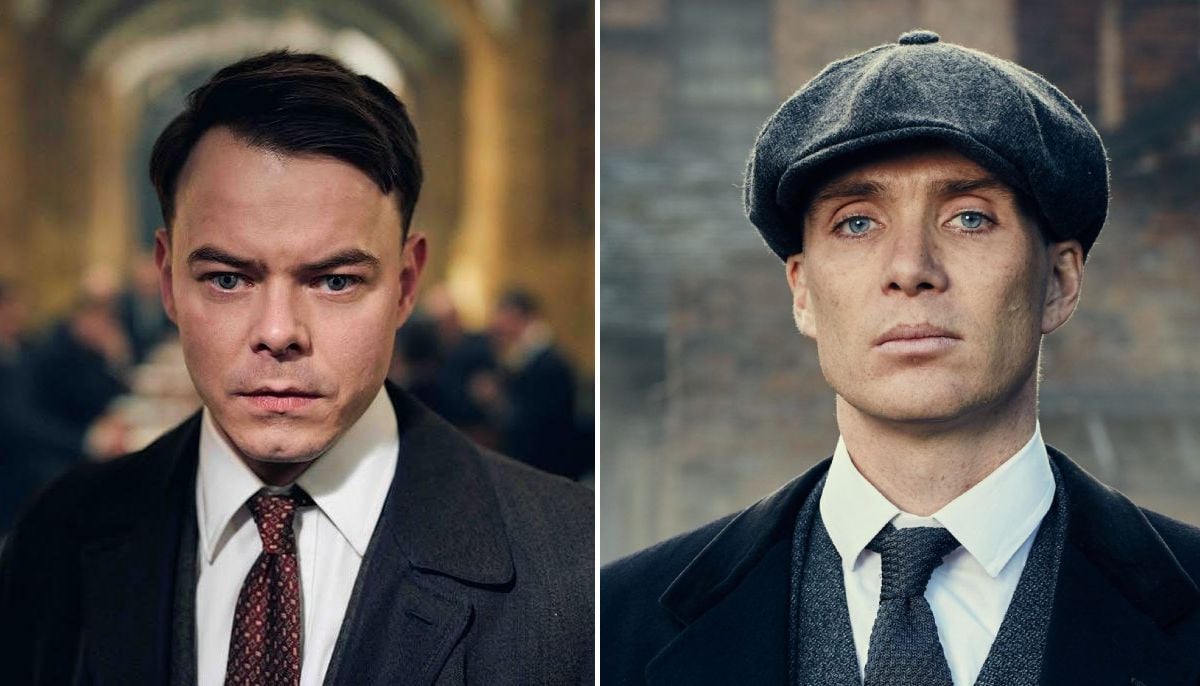
Charlie Heaton is officially stepping into the Shelby family business.
The Stranger Things star has been revealed as the adult version of Charles Shelby, the eldest son of Cillian Murphy’s Tommy Shelby, in the upcoming Peaky Blinders sequel series.
Netflix and the BBC unveiled the first-look image of Heaton in character on Friday, May 22, finally solving the mystery surrounding his role after his casting was announced last month. And judging by the photo, Heaton looks right at home in the gritty world of the Shelbys.
The new series takes place a decade after World War II and follows Charles after years away from the notorious family empire. According to the official character description, Charles fought in a violent war before attempting to leave the Shelby lifestyle behind and embrace a quieter life. But the story teases a familiar question for the crime dynasty: “Can you ever escape your own blood?”
The series will also see Jamie Bell take over the role of Duke, Charles’ half-brother, previously played by Barry Keoghan in The Immortal Man — the new Peaky Blinders film which came out in March.
The casting marks another major Netflix role for Heaton after five seasons playing Jonathan Byers on Stranger Things. New additions to the Peaky Blinders universe also include Jessica Brown Findlay, Lashana Lynch and newcomer Lucy Karczewski.
Production on the series is currently underway in Birmingham.
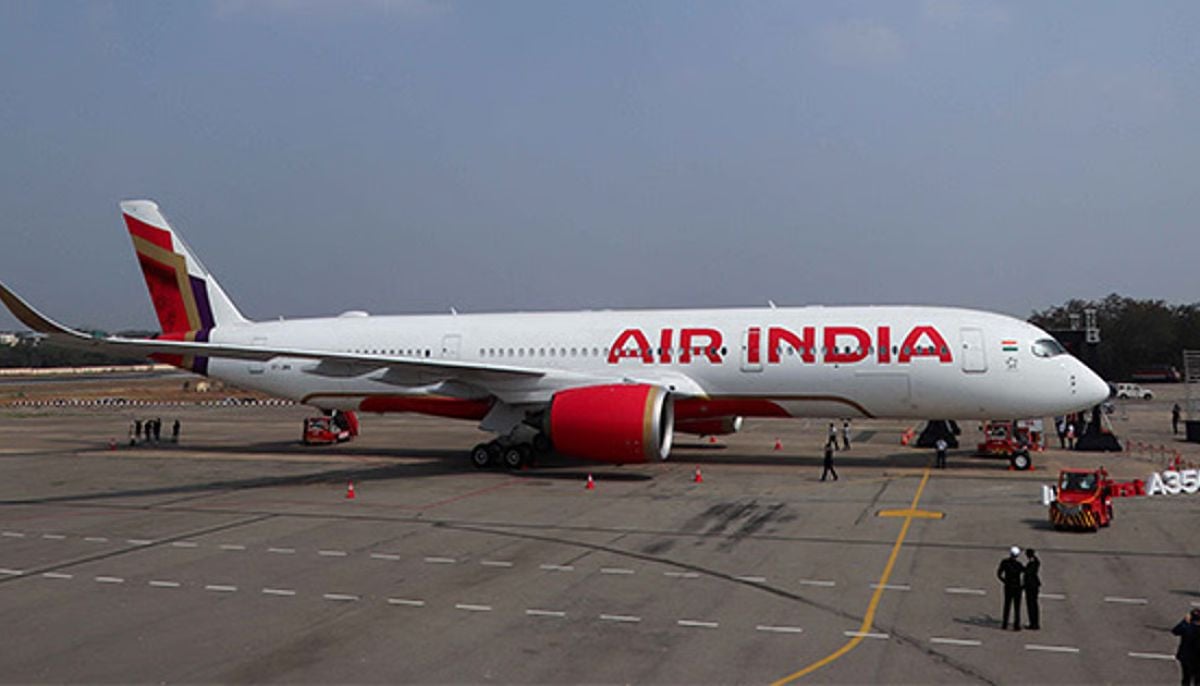
Air India has launched an investigation after two of its planes were involved in safety incidents within a span of 24 hours, raising serious questions about the carrier’s aviation safety standards.
India’s flagship carrier’s flight AI2802, carrying 171 passengers, made an emergency landing at Delhi Airport after one of its engines caught fire. The cockpit crew received the fire alert, which was later confirmed to be authentic, prompting pilots to make an emergency landing.
Airbus A320 was coming from Bengaluru on Thursday night. The passengers aboard were evacuated safely and no injuries or fatalities have been reported.
The cause of the fire remains unknown.
The airline said, “Air India is immediately initiating a full investigation into the cause of the incident in coordination with the relevant regulatory authorities.”
Earlier, a flight from the same carrier was grounded after an alleged tailstrike at Bengaluru airport.
Airbus A321, coming from Delhi, experienced a tailstrike while landing; however, the pilots managed to safely land the plane and all the passengers and crew disembarked normally.
For the unversed, a tailstrike occurs when the rear underside of an aircraft makes contact with the runway during takeoff or landing.
These incidents come just a year after Air India’s Boeing 787 Dreamliner crashing killed 241 of 242 passengers last June.


Why Matt Damon and Tom Holland got jealous of Zendaya during ‘The Odyssey’

ICE cotton drops sharply as overbought market triggers sell-off

German president condemns US-Israeli aggression against Iran as ‘unnecessary war’

-

 Entertainment6 days ago
Where Pete Davidson, Elsie Hewitt stand after breakup: Details revealed
-
 Entertainment1 week ago
Emilia Clarke recalls near-death incident while filming ‘Game of Thrones’
-
 Business1 week ago
Jersey Election 2026: Cost of living concern in St Helier Central
-

 Politics6 days ago
Rising diesel costs from Iran war strain US school budgets
-

 Tech7 days ago
Greg Brockman Officially Takes Control of OpenAI’s Products in Latest Shakeup
-

 Politics1 week ago
UK’s Starmer faces survival battle as potential rivals circle
-

 Entertainment1 week ago
Drake drops highly anticipated "Iceman" album, plus two surprise albums
-
 Business1 week ago
Oil price gains and Westminster worry sink stocks