

Fashion
IMF forecasts 4.5% growth for China in 2026

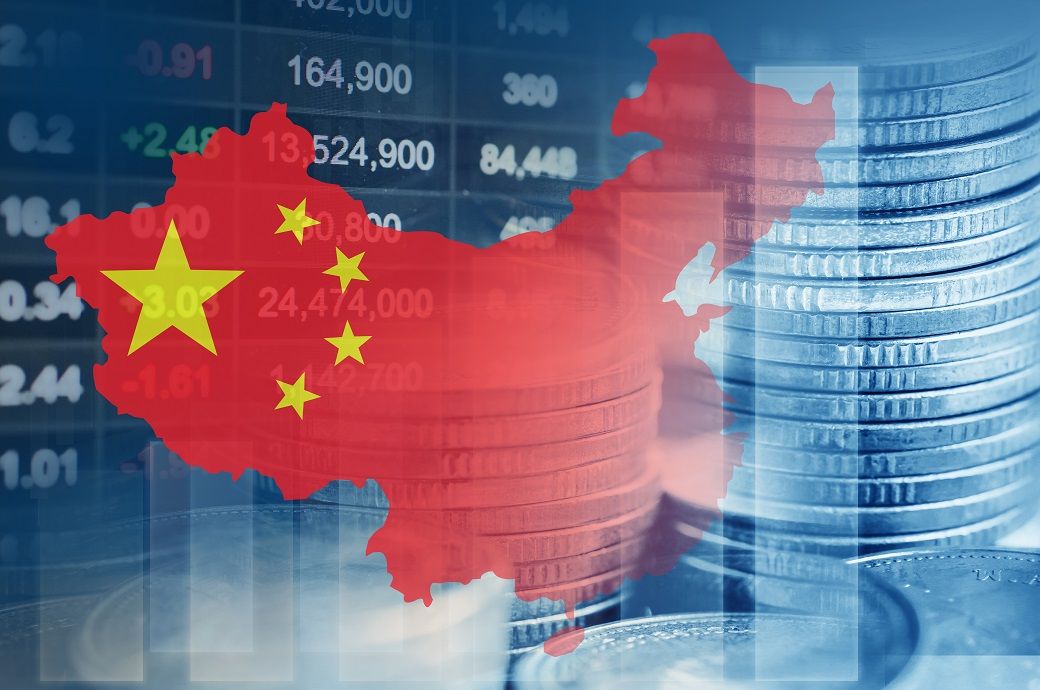
China’s economy expanded by 5 per cent in 2025, demonstrating resilience despite multiple external shocks and domestic pressures. However, the IMF cautioned that the world’s second-largest economy faces mounting structural challenges, including subdued domestic demand and deflationary pressures linked to a prolonged property sector downturn and a weak social safety net.
The Fund emphasised that China cannot rely indefinitely on exports to power durable growth and said pivoting toward consumption-led expansion should remain the top policy priority. Policymakers have already adopted a more expansionary fiscal stance in 2025, introduced targeted social subsidies and eased monetary policy.
The International Monetary Fund (IMF) has projected China’s economy will grow 4.5 per cent this year, up 0.3 percentage points from its October forecast, supported by exports and fiscal stimulus.
However, the IMF warned that weak domestic demand and property sector challenges persist, urging stronger social spending and reforms to shift growth toward consumption and reduce reliance on exports.
Looking ahead, China’s 15th Five-Year Plan for 2026-2030 prioritises boosting consumption. Reforms such as gradually raising the retirement age and easing household registration, or hukou, restrictions are expected to support labour force participation and domestic spending.
The IMF recommended a comprehensive macroeconomic package including additional fiscal stimulus, further monetary easing and greater exchange rate flexibility. It also urged stronger social protection spending, more progressive taxation and reduced reliance on industrial policies to rebalance growth toward domestic consumption.
With China contributing roughly 30 per cent to global growth, the IMF noted that a more balanced Chinese economy would strengthen global economic stability.
Fibre2Fashion News Desk (CG)










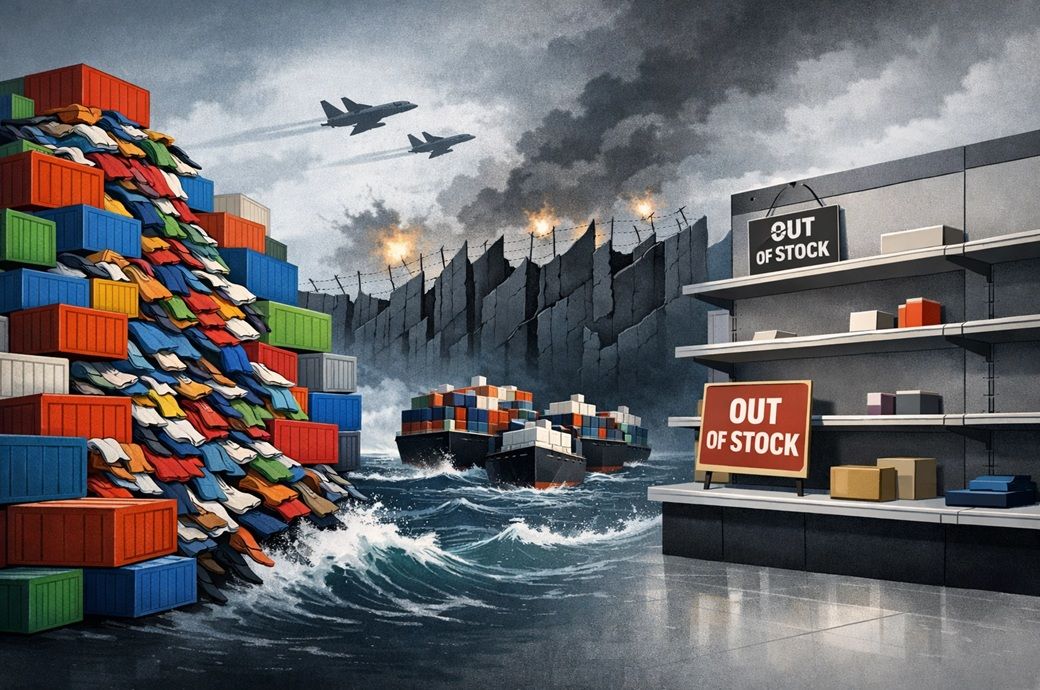
Fast fashion faces a dual squeeze from longer transit times and rising input costs, weakening both speed and affordability.
Supply chain bottlenecks are creating a mismatch: inventory is piling up at origin while destination markets remain understocked.
Shipping delays are eroding seasonal relevance, which may force retailers to discount higher-margin products that miss peak selling windows.
Source link
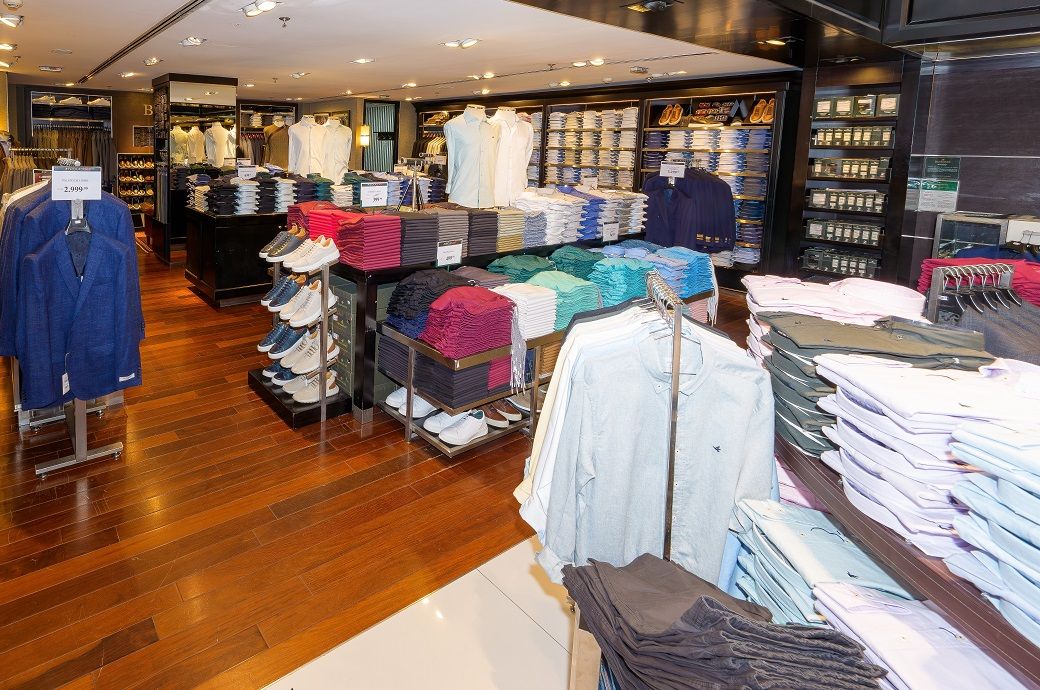
Woven garment exports witnessed limited decline compared to knitted garment exports. Knitwear exports (Chapter **) declined by *.** per cent to $**.*** billion, compared with $**.*** billion in the same period of fiscal ****–**. Woven apparel exports (Chapter **) eased *.** per cent to $**.*** billion, down from $**.*** billion during July-March ****, EPB data showed.
Home textile exports (Chapter **, excluding ******) showed a marginal decline, decreasing by *.** per cent to $***.** million from $***.** million in the same period of the previous fiscal. Taken together, exports of woven and knitted apparel, clothing accessories, and home textiles accounted for **.** per cent of Bangladesh’s total exports, which stood at $**.*** billion during this period.
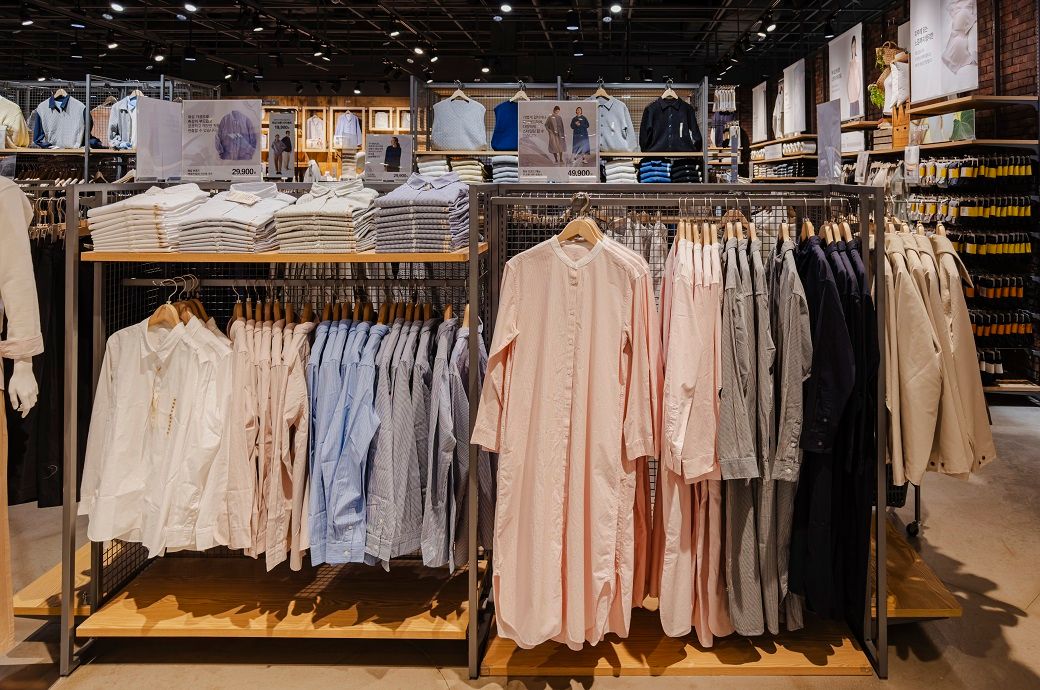


Spring/Summer stockpile: Discounts loom amid war delays

He paid $248 in illegal tariffs for this coat. Will he ever get it back?

Bangladesh garment exports down, March sees steeper drop

-
 Business1 week ago
Jaguar Land Rover sees sales recover after cyber attack
-
Uncategorized1 week ago
[CinePlex360] Please moderate: “Trump signals p
-

 Entertainment7 days ago
Joe Jonas shares candid glimpse into parenthood with Sophie Turner
-

 Tech6 days ago
Our Favorite iPad Is $50 Off
-

 Sports6 days ago
UConn Final Four run could trigger a $50M furniture giveaway for Massachusetts-based Jordan’s Furniture
-

 Entertainment6 days ago
Blake Lively reacts to harassment claims dismissal against Justin Baldoni
-
 Business7 days ago
Video: Why Is the Labor Market Stuck?
-

 Politics7 days ago
Iran can sustain Strait of Hormuz closure for years, will cut US military logistics: Official