

Business
IMF GCDA report ‘compromised’ | The Express Tribune

ISLAMABAD:
In scorching criticism of the International Monetary Fund (IMF)’s highly trumpeted Governance and Corruption Diagnostic Assessment (GCDA), an independent think tank has described the report as “analytically strong” but said it compromised on politically sensitive reforms and institutional independence.
The think tank’s report revealed that the IMF compromised on the independence of the National Accountability Bureau (NAB), the Auditor General of Pakistan and oversight of the Special Investment Facilitation Council (SIFC).
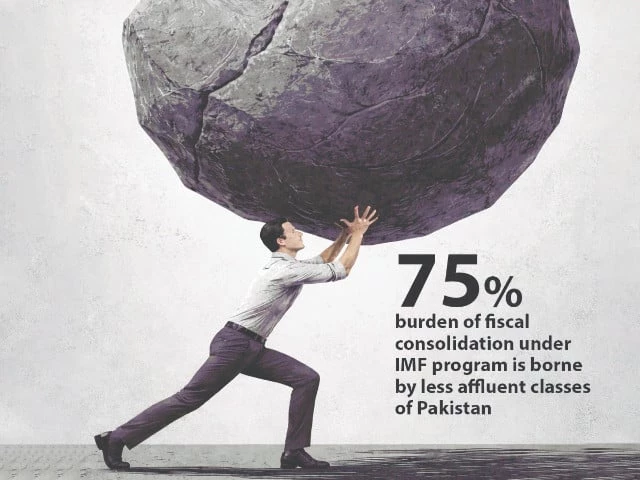
The Global Think Tank Network (GTTN) also said that 73% of fiscal consolidation under the IMF programme was the result of placing more tax burden, mostly on the “already-taxed formal firms, salaried individuals, and the less-affluent via petroleum levies and indirect taxation”.
The think tank released its report at the beginning of the IMF mission to Pakistan, which will review implementation of the action plan agreed to address corruption and governance-related vulnerabilities identified in its November 2025 report. However, the GTTN report also highlights compromises that the IMF struck with Pakistan.
The GCDA “is analytically strong and unusually candid”. Yet its omissions are consequential, said the GTTN.
The GCDA’s “enforcement mechanisms are weak, politically sensitive reforms are diluted or deferred, subnational governance is under-examined, and institutional independence is insufficiently secured,” according to the report.
The think tank said that while the IMF achieved fiscal stabilisation, structural reforms were postponed and “stability without reform does not resolve risk; it defers it”.
The GTTN said consistent fiscal consolidation since 2022 had delivered a cumulative primary adjustment of 5.6% of GDP, the largest in Pakistan’s history.
But “73% of this adjustment has come from revenue measures. The burden has fallen disproportionately on already-taxed formal firms, salaried individuals, and the less-affluent via petroleum levies and indirect taxation. One effect of this is to push firms into informality”.
The GTTN added that while already burdened people were overburdened, government expenses kept rising during the past three years. “Overall expenditure by federal and provincial governments has risen by 60% since 2023. Non-interest expenditure has increased by 70%, and personnel-related spending has ballooned from Rs3.7 trillion to Rs5.9 trillion – a 59% increase”, according to the report.
The think tank said the GCDA recognises corruption risks but does not integrate these macro-social consequences into reform design. “Fiscal pain is immediate, yet governance reform is deferred,” it added.
Proposed changes to NAB are confined to a future “review” of its appointment process, without mandating an independent selection committee, fixed non-renewable tenure or structural safeguards to insulate leadership from political influence.
“Although concerns about politicisation are acknowledged, they are not matched by binding institutional redesign,” said the GTTN said.
The GCDA flags the need for a more transparent procedure for key appointments, including the NAB chairman, yet fails to call for widening the pool of candidates beyond the civil service, judiciary and military, which are widely seen as responsible for Pakistan’s current state, according to GTTN.
“The widening of this pool is essential to give a chance to top professionals, academics and other suitably qualified candidates who can bring a fresh and more objective perspective to the fight against corruption”, it added.
Similarly, while weaknesses in audit follow-up are recognised, no enforceable mechanisms are introduced to ensure Auditor General findings result in corrective action. The absence of binding timelines, parliamentary reporting requirements or sanctions for non-compliance leaves a longstanding accountability gap largely intact, said the GTTN.
On the SIFC, the principal recommendation is publication of an annual report, which the government has proposed to issue starting March 2027.
“The GCDA fails to address broader governance concerns such as parliamentary oversight, transparency of concessions, cost-benefit evaluation of projects, or the scope of immunity provisions. Given the Council’s expanding role in economic decision-making, the limited reform requirement is striking”.
The GTTN said provinces account for about 60% of consolidated public expenditure, reflecting fiscal decentralisation, yet the GCDA remains overwhelmingly federal in scope with limited assessment of provincial governance vulnerabilities.
The GCDA provides serious treatment of fiscal governance weaknesses but, the GTTN said, “the most striking empirical evidence drawn from FY15-FY24 budget data points to serious budgetary deviations and malpractices that the GCDA omits”.
Ten out of 40 federal ministries have consistently posted significant ‘overspending’ deviations, with average cumulative overspending during FY15FY24 amounting to Rs210 billion. Five ministries – Energy, Defence, Interior, Cabinet and National Health – accounted for 91% of cumulative overspending.
The report added that the GCDA does not embed anti-money laundering and combating financing of terrorism reforms within a broader accountability ecosystem tied to elite financial disclosure or asset verification.
In Pakistan, where 80% of the population does not use banks, the stringent and mechanical imposition of AML/CFT requirements exacerbates de-banking and can push small and micro businesses into informality, it added.
The report further stated that ensuring an independent judiciary, empowering oversight institutions, creating a truly autonomous parliament, supporting a free press and encouraging a robust civil society are essential. However, the GCDA does not address these foundational horizontal reforms that are critical to tackling corruption.
“Instead, it opts for quick fixes – such as proposing asset declarations by senior state officials, which are considered basic anti-corruption measures,” according to GTTN.
Declarations are limited in coverage and oversight, and no autonomous authority is mandated to conduct regular audits or investigate discrepancies. In practice, politicians and members of the judiciary remain outside a robust and enforceable disclosure framework. While transparency is formally encouraged, deterrence is not institutionally embedded.
However, the GCDA reform agenda remains largely technocratic. It approaches the judiciary as an institution facing administrative constraints rather than as a constitutional body whose independence underpins credible enforcement, said the GTTN.
Issues such as appointment procedures, tenure security and potential executive influence receive limited substantive treatment. The question of ensuring judicial accountability for performance remains largely unexamined, especially given uncertainty over whether audits of judicial finances are conducted, it added.
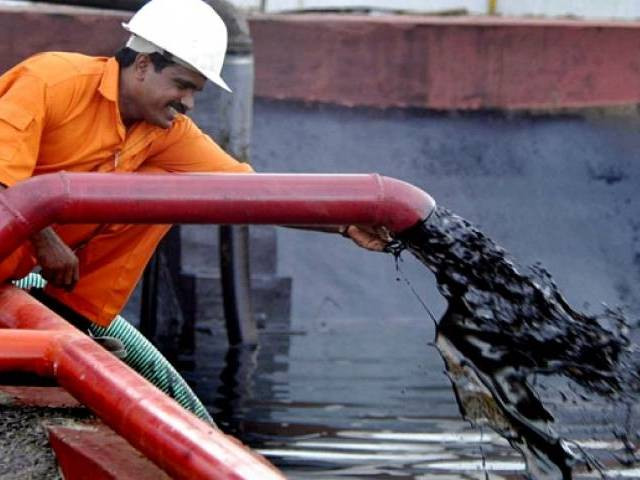





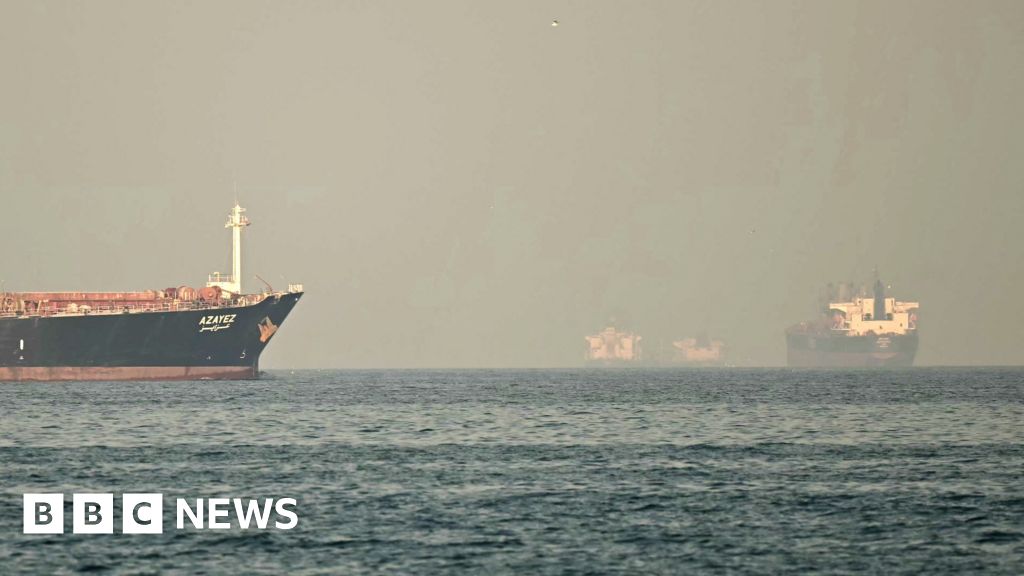
International shipping is said to have come to a standstill at the strait’s entrance, with fears of disruption already pushing up global oil prices.
Source link
Business
Khamenei dead, Middle East on edge: What will be the implications of Trump’s ‘Epic fury’ on stock markets, gold & oil? – The Times of India

The global markets are in for a phase of enhanced turmoil and uncertainty! The ongoing tensions in the Middle East after US and Israel’s strikes on Iran and Ali Khamenei’s death may have investors running for cover – looking for an asset class that is safer.During the night of February 27–28, the United States and Israel carried out joint aerial strikes on Iran as part of “Operation Epic Fury.” Statements by President Trump openly referring to regime change suggest that the confrontation could evolve into a prolonged campaign rather than remain a limited exchange, say market analysts at Franklin Templeton Institute.What does the situation mean for stock markets, energy markets (oil), gold and other asset classes? Here’s what Franklin Templeton Institute analysts have to say:From a market perspective, the key uncertainty is whether the conflict remains confined to direct military engagement or expands into disruptions affecting energy supplies and logistics networks, which would sustain a higher and more persistent risk premium.At the centre of the ongoing uncertainty from a global market and trade perspective is the Strait of Hormuz. While a complete blockade would carry severe consequences for Iran itself, the country has the capability to disrupt maritime traffic through tactics such as vessel harassment, seizures, drone activity, cyber operations, or the use of proxy forces.
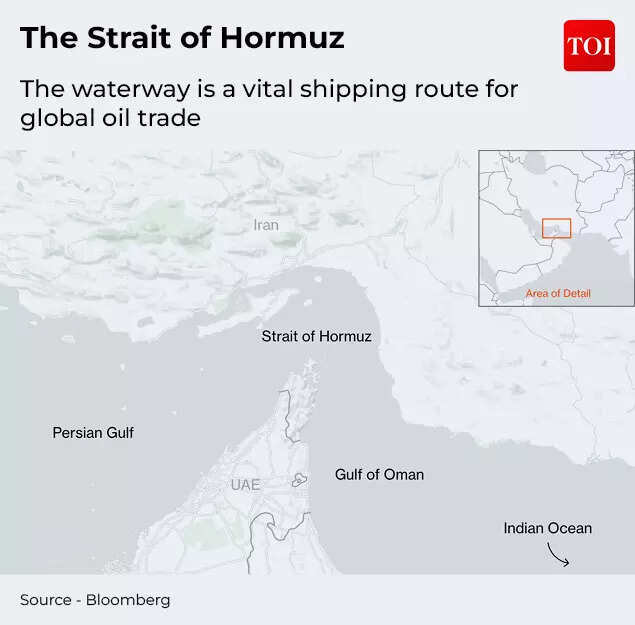
Strait of Hormuz
The most immediate economic impact is expected in energy markets, where crude oil and natural gas prices are likely to move higher, they say. Such actions, feel analysts, will keep geopolitical risk premiums at high levels. In 2024, approximately 20 million barrels per day moved through the Strait of Hormuz, which is around one-fifth of global petroleum liquids consumption. Even a limited interference – which can be caused by delays, rerouting, or isolated seizure – can push prices higher through increased risk perception well before any actual shortages emerge.Liquefied natural gas should not be overlooked in this context. Qatar has the world’s third-largest LNG export capacity, and roughly one-fifth of global LNG shipments pass through the Strait of Hormuz, largely consisting of Qatari exports. As a result, shipping risks in the region affect gas markets as significantly as oil markets.Also Read | US-Israel strikes on Iran: How will India be hit by Strait of Hormuz closure? ExplainedShipping expenses have already begun to rise, with insurance costs acting as a major driver. Insurers have started issuing cancellation notices and revising war-risk premiums for voyages in the Gulf region. Some routes have reportedly seen premium increases of up to about 50%, while earlier periods of tension recorded rises exceeding 60% on important trade corridors. These developments effectively tighten supply conditions even when production levels remain unchanged.The possibility of the conflict spreading across the region is increasing. Franklin Templeton Institute analysts are of the view that across global financial markets, the immediate response to such shocks is usually driven by adjustments in risk perception rather than by underlying economic changes. “The initial market reaction for this type of event would typically see Treasury yields move lower and equities lower—mostly a risk-premium repricing. Impacts on activity/earnings may be delayed and uneven. The US dollar reaction is not guaranteed; gold tends to benefit while bitcoin has been trading like a risk asset (i.e., down with equities), reinforcing that it’s not typically a reliable hedge/diversifier in geopolitical drawdowns,” say Franklin Templeton Institute analysts.However, they note that experience shows markets often come to view geopolitical disruptions as temporary. Initial spikes in risk premiums are frequently followed by the realization that the overall effect on corporate profitability is limited. The duration of the conflict, developments in shipping and insurance costs, and the eventual resolution will be more important than the initial headlines.“We would not yet label this a clean buy-the-dip setup—duration, shipping/insurance mechanics, and the endgame matter more than the first headline,” they say.From an investment perspective, the near-term outlook favours sectors linked to energy markets, as well as companies benefiting from higher shipping and insurance costs, along with defence-related industries, the analysts say. At the same time, caution is warranted toward emerging markets that depend heavily on energy imports and toward cyclical sectors sensitive to fuel and logistics costs, including airlines and certain industrial segments.“For protection, we prefer oil upside/volatility structures and selective gold exposure over broad equity shorts—the path will be driven more by shipping/insurance reality than by the new cycle,” they conclude.

Brent crude jumped 10% to about $80 a barrel over the counter on Sunday, oil traders said, while analysts predicted that prices could climb as high as $100 after U.S. and Israeli strikes on Iran plunged the Middle East into a new war.
The primary driver of this market volatility is the critical Strait of Hormuz. Ajay Parmar, director of energy and refining at ICIS, stated: “While the military attacks are themselves supportive for oil prices, the key factor here is the closing of the Strait of Hormuz.”
Most tanker owners, oil majors and trading houses have suspended crude oil, fuel and liquefied natural gas shipments via the Strait of Hormuz, trade sources said, after Tehran warned ships against moving through the waterway. More than 20% of global oil is moved through the Strait of Hormuz.
“We expect prices to open (after the weekend) much closer to $100 a barrel and perhaps exceed that level if we see a prolonged outage of the Strait,” Parmar said.
Middle East leaders have warned Washington that a war on Iran could lead to oil prices jumping to more than $100 a barrel, said RBC analyst Helima Croft. Barclays analysts also said prices could hit $100.
The OPEC+ group of oil producers agreed on Sunday to raise output by 206,000 barrels per day (bpd) from April, a modest increase representing less than 0.2% of global demand.
While some alternate infrastructure could be used to bypass the Strait of Hormuz, the net impact from its closure would be a loss of 8 million to 10 million bpd of crude oil supply even after diverting some flows through Saudi Arabia’s East-West pipeline and Abu Dhabi pipeline, said Rystad energy economist Jorge Leon.
Rystad expects prices to rise by $20 to about $92 a barrel when trade opens.
The Iran crisis also prompted Asian governments and refiners to assess oil stockpiles and alternative shipping routes and supplies.


When We Were Young Festival announces 2026 hiatus: ‘See you in 2027’

NAACP Image Award host Deon Cole issues Tourette warning after BAFTAs

Late to set-piece party, Liverpool are making up for lost time

Eye-popping rise in one year: Betting on just gold and silver for long-term wealth creation? Think again! – The Times of India

Pakistan carries out precision strikes on seven militant hideouts in Afghanistan

Kansas’ Darryn Peterson misses most of 2nd half with cramping

-
 Politics1 week ago
Pakistan carries out precision strikes on seven militant hideouts in Afghanistan
-
Business1 week ago
Eye-popping rise in one year: Betting on just gold and silver for long-term wealth creation? Think again! – The Times of India
-
 Sports1 week ago
Kansas’ Darryn Peterson misses most of 2nd half with cramping
-

 Entertainment1 week ago
Saturday Sessions: Say She She performs "Under the Sun"
-
 Business1 week ago
Equinox chairman says ‘health is the new luxury’ as wellness spending soars
-

 Tech1 week ago
The Supreme Court’s Tariff Ruling Won’t Bring Car Prices Back to Earth
-

 Entertainment1 week ago
Viral monkey Punch makes IKEA toy global sensation: Here’s what it costs
-

 Tech1 week ago
These Cheap Noise-Cancelling Sony Headphones Are Even Cheaper Right Now