

Business
IMF report in nutshell: Pakistan follows statist model | The Express Tribune


Statist economy, by restricting competition or picking up specific areas, allocates resources to protected sectors
ISLAMABAD:
By this time, many articles and commentaries have been published on the IMF report “Pakistan Governance and Corruption Diagnostic Assessment”. As already well understood before this report was issued, we do have systemic corruption and governance weaknesses that suppress investment, distort markets, undermine revenue collection, and perpetuate economic fragility.
We have been advocating that structural reforms, especially along the supply side, will unlock significant economic growth for Pakistan. This also resonated in the 5th Pakistan Prosperity Forum, which was themed on “Reforms for Growth”. Nevertheless, the report generated a stir. In this article, I will focus on what I believe is the main thrust of this report, building on a brief by the former chief economist, MA Zubair.
Fundamentally, the IMF report has concluded that we are running a statist economic model, which is now exhausted.
A statist economy is characterised by a state-corporate nexus, which thrives on thick protectionism, high tax rates and command and control. A statist economy is not a socialist economy; rather, it benefits a large section of the private sector, as argued by Khalil Ahmad in his thesis on the state elite.
A statist economy, by restricting competition or picking up specific sectors for government support, forcefully allocates resources to protected sectors. A large section of the private sector prospers due to its exclusive access to power, thus becoming an element and financier of the statist economy.
A statist economy has several tools available in its arsenal. It uses tax policy, tariffs, procurement, public spending, demand for credit, and state-run enterprises. None of these tools can be exercised without involving a private counterpart. Tax exemptions benefit certain sectors and firms; tariff protections provide advantages to a few at the cost of many; government procurement rules limit competition; development spending awards go to contractors; most of the banking credit goes to the federal government; and state-owned enterprises command half of the nation’s assets.
The IMF report synthesises these otherwise well-known characteristics of our economic model systematically, while providing evidence and data. In a way, this is a continuation of a report that UNDP published in 2021, which quantified ‘elite capture’ by measuring the cost of tax, privileges and tariff exemptions, while reminding us of the work of Dr Ishrat Husain on elitist state, around 25 years ago.
All exemptions granted, all procurement, and all transactions by state-owned enterprises have complete legal, legislative and judicial cover. None of these can be considered corruption or illegal in a formal sense. However, it is obvious that these systematic manipulations and intended distortions unlevel the playing field, erode opportunities, and retards economic growth. The IMF report also puts a number on it – a potential of 5% to 6% additional growth over the next five years.
Pakistan needs to shift from a statist economy to a market economy, which celebrates wealth creation under a responsible and limited state. Under an open political system, this culture will help wealth distribution, as private firms will compete for their market share without any restrictions.
A market economy is designed by rules and regulations. Voluntary exchange between individuals and firms is fundamentally driven by mutual trust. In the absence of these formal and informal institutions, exchange breaks down, and the market ceases to exist.
If you know that a local shop or a brand has deceptively sold you inferior quality goods, you are unlikely to make another purchase. If this information becomes widely known, the business closes down. This fatal discipline of the market keeps a check on producers and other market participants.
In contrast to a statist economy, a market economy, while far from perfection, thrives on economic freedom, but then, as Nadeemul Haque asserts, where are these markets? These markets, as we observe today, have a lot of friction and sludge. While we do face macroeconomic problems, these frictions are created by institutions and institutional practices, which keep increasing transaction costs.
Business groups oppose tariff liberalisation because they rightly see cost disadvantages in the form of high tax rates and high energy costs. They need the government to compensate for these advantages through tariff walls. Now these walls are gone, or they will be – brick by brick – there is a lot of resistance and frustration.
The solution does not lie in reversing tariff reforms; the solution lies in doing all other actions, where the government is seriously lacking. These other actions must be led by tax rates in one big move, especially now that the government is confident about deterrence and enforcement. The second major move must be rewriting the regulatory playbook. There are other actions, such as privatisation and spending cuts, which must be taken too.
The real economic transformation will occur when we begin our journey from a statist economy to a market economy. But the window is very small and is narrowing down.
The writer is the founder and CEO of Policy Research Institute of Market Economy, an independent economic think tank
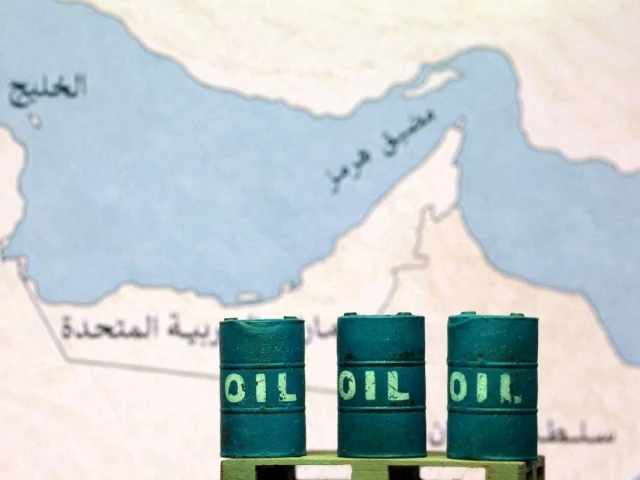


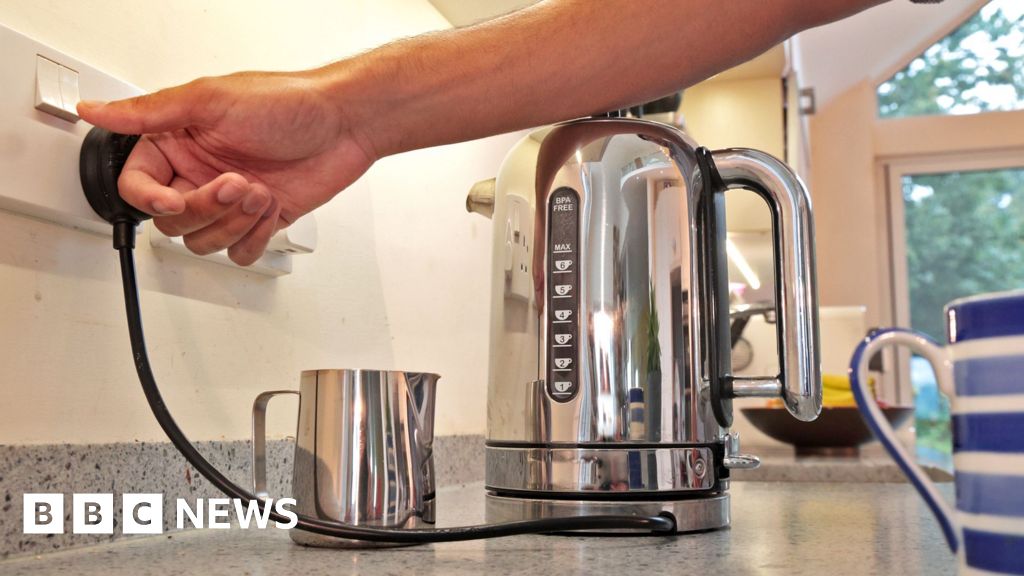
The war in the Middle East has brought renewed attention to Britain’s vulnerability to energy price shocks.
Source link
Business
Gadkari urges shift to 100% ethanol blending, flags energy security and import risks – The Times of India
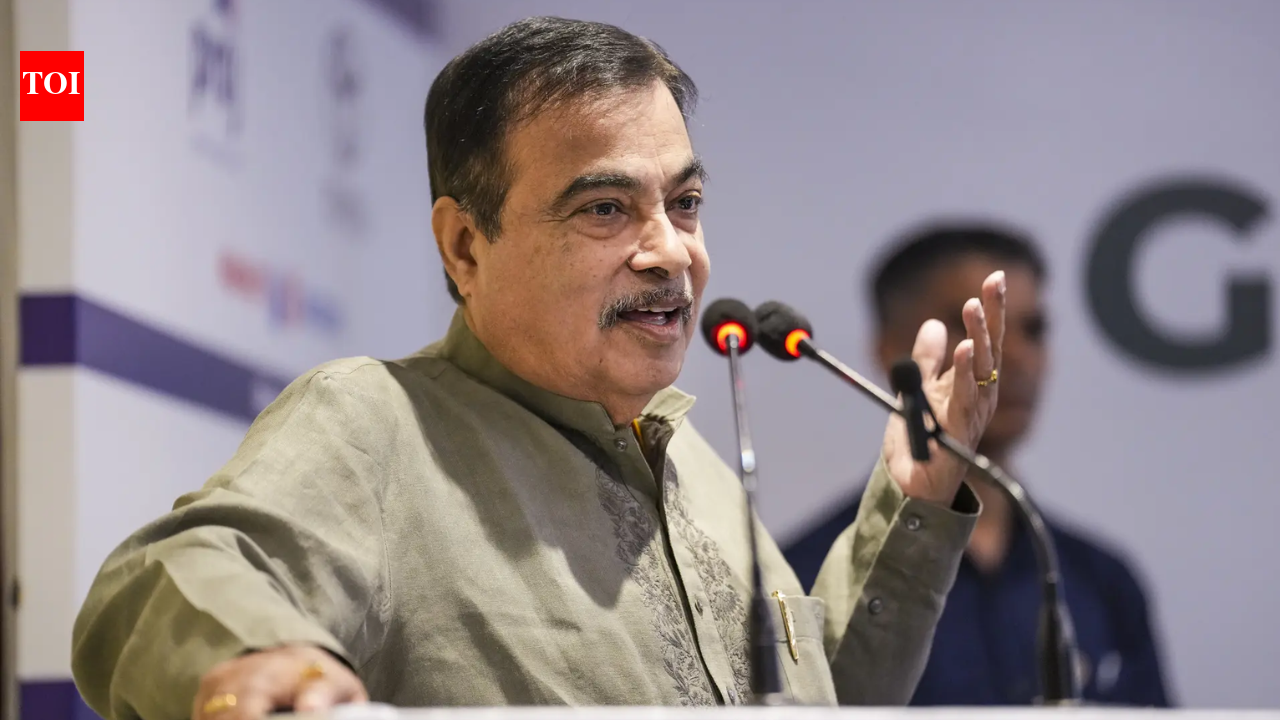
India should aim for 100 per cent ethanol blending in the near future to strengthen energy self-reliance, road transport and highways minister Nitin Gadkari said on Tuesday. He said that vulnerabilities in oil supplies due to the ongoing crisis in West Asia have made it essential for the country to reduce dependence on imports.Speaking at the Indian Federation of Green Energy’s Green Transport Conclave, Gadkari said, “In the near future, India should aspire to achieve 100 per cent ethanol blending… Today, we are facing an energy crisis due to the war in West Asia, so it is necessary for us to become self-reliant in the energy sector,” as quoted by PTI.India currently allows vehicles to run on E20 petrol, which contains 20 per cent ethanol, with minor engine modifications to avoid corrosion and related issues. In 2023, PM Modi launched petrol blended with 20 per cent ethanol. Countries such as Brazil have already achieved 100 per cent ethanol blending.Gadkari noted that India imports 87 per cent of its oil requirements, adding, “We import fossil fuels worth Rs 22 lakh crore, which is also causing pollution… so we need to work on increasing production of alternative fuel and bio-fuel.”On future energy solutions, he stressed the importance of green hydrogen but pointed out challenges in cost and transport. “Transport of hydrogen fuel is a problem. Also, we need to produce 1 kg of hydrogen at $1 dollar, to make India an exporter of energy,” he said, adding that hydrogen production from waste should be explored.The minister also emphasised the role of a circular economy in generating employment opportunities. While calling for reduced reliance on petrol and diesel vehicles, he clarified, “But we can not force people to stop buying petrol and diesel vehicles.”Addressing concerns about E20 fuel, Gadkari said the petroleum sector is lobbying against the move. He also urged automobile manufacturers to prioritise quality over cost to expand into new markets.Last year, Gadkari dismissed criticism against E20 (ethanol-blended petrol), saying a “paid” social media campaign is being run to “target me politically.” He said Society of Indian Automobile Manufacturers and Automotive Research Association of India have shared their findings on ethanol blending in petrol. He added that India’s ethanol programme has benefited farmers, noting that ethanol made from maize has helped them get better prices and led to gains of Rs 45,000 crore.

One petrol retailer says he is experiencing about five drive-offs a week at each forecourt, costing him thousands.
Source link


Matarazzo celebrates Real Sociedad Copa title: ‘Just the beginning’

Germany firms raise investment plans, uncertainty persists: ifo

Jennifer Lopez and Will Smith viral dating claims raise big questions

-

 Fashion5 days ago
France’s LVMH Q1 revenue falls 6%, shows resilience amid Iran war
-

 Sports1 week ago
The case for Man United’s Fernandes as Premier League’s best
-

 Entertainment1 week ago
Palace left in shock as Prince William cancels grand ceremony
-
 Business1 week ago
UK could adopt EU single market rules under new legislation
-

 Entertainment6 days ago
Is Claude down? Here’s why users are seeing errors
-

 Fashion1 week ago
Energy emerges as biggest cost driver in textile margins
-
 Business1 week ago
Delta Air Lines unveils first new Delta One suite in premium cabin arms race
-
 Fashion1 week ago
Asia claims largest share of markets on Kearney FDI Confidence Index