

Fashion
India aligns RoDTEP schedules with amended customs tariff

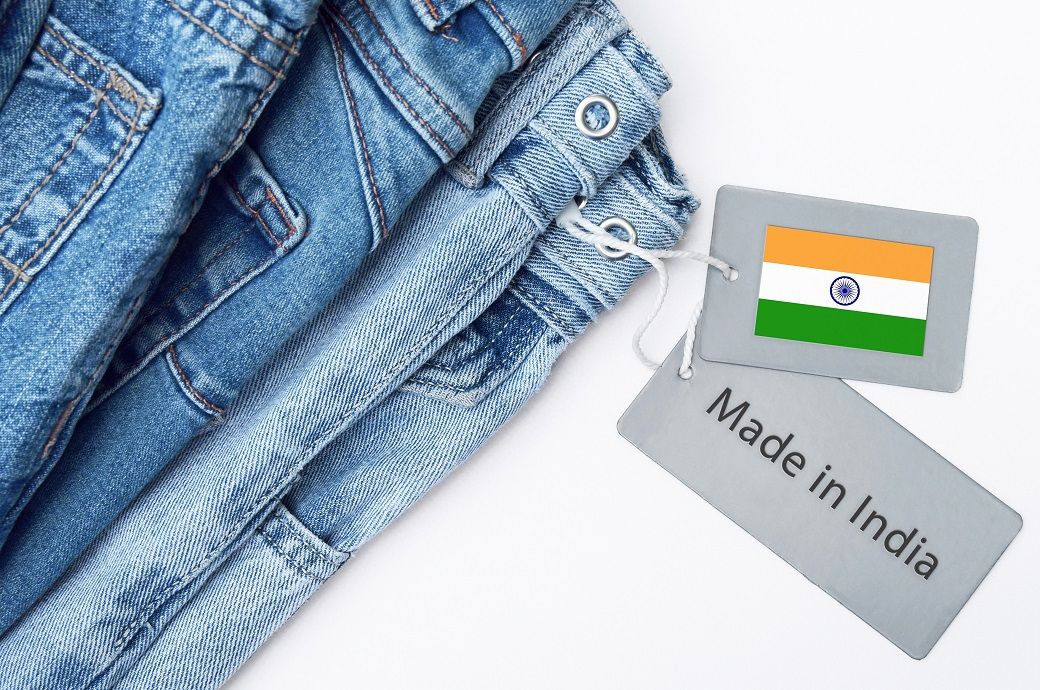
The Department of Commerce has notified the revisions through a Notification dated April 30, 2026.
India has aligned RoDTEP schedules with the amended customs tariff structure, effective May 1, 2026.
The revision updates Appendix 4R and 4RE, impacting 194 tariff lines with additions, deletions and modifications.
It aims to ensure seamless system integration, reduce classification ambiguity and improve export processing.
The move ensures continuity in duty remission benefits.
The update revises Appendix 4R, which applies to Domestic Tariff Area (DTA) exports, and Appendix 4RE, which covers exports under Advance Authorisation (AA), Export Oriented Units (EOU), and Special Economic Zone (SEZ) units. These changes align with amendments introduced in the First Schedule to the Customs Tariff Act, 1975, through the Finance Act, 2026.
The notification primarily focuses on technical alignment between RoDTEP tariff lines and the revised customs tariff structure. A total of 194 tariff lines has been impacted, including the addition of 142 new 8-digit tariff lines, deletion of 50 lines, and modification of descriptions for two tariff lines.
Officials stated that the revised schedules will enable seamless implementation of RoDTEP benefits within the Customs Automated System starting May 1. The alignment is expected to reduce ambiguity in classification, ensure consistency across tariff frameworks, and facilitate smoother processing of export claims.
The government emphasised that the measure is RoDTEP-specific and aimed at enhancing ease of doing business. By minimising system-level discrepancies and ensuring continuity in duty remission, the initiative is expected to support exporters and maintain efficiency in trade operations.
Fibre2Fashion News Desk (KUL)












April data indicated mild recoveries in growth of new business intakes and production among Indian manufacturers, though rates of increase remained the second weakest since 2022. The two largest components of the PMI, new orders and output, both rose compared to March but continued to trail levels seen over the past three-and-a-half years.
India’s manufacturing purchasing managers’ index (PMI) rose to 54.7 in April from 53.9, signalling modest growth but the second-slowest improvement in nearly four years.
Exports remained strong, while rising input costs, linked to the Middle East conflict pushed inflation higher.
Despite pressures, output, orders and employment grew moderately, reflecting sector resilience.
Exports emerged as a bright spot, with new export orders expanding sharply and registering the fastest growth since last September. Firms reported improved demand from markets including Australia, France, Japan, Kenya, China, Saudi Arabia, the UAE and the UK.
Despite this, rising cost pressures weighed on overall sentiment. Companies noted that the ongoing Middle East conflict exerted upward pressure on inflation. Input costs rose at the fastest pace since August 2022, driven by higher prices for aluminium, chemicals, electrical components, fuel, leather, petroleum products and rubber. Consequently, output charges increased at the quickest rate in six months.
Survey participants said advertising and demand resilience supported sales and production, but growth was constrained by competitive pressures, geopolitical uncertainties and client hesitancy in approving pending orders.
Manufacturers continued to purchase additional raw materials and semi-finished goods, though the pace of expansion slowed to the joint-weakest in nearly two-and-a-half years. Input inventories rose at the slowest rate in close to five years, as firms attempted to maintain lean stock levels amid subdued sales. Finished goods inventories increased slightly for the first time in six months.
Employment trends remained positive, with firms adding workers at the strongest pace in ten months, supported by expansion plans. Meanwhile, supplier performance improved significantly, with shorter input lead times reflecting better coordination with suppliers.
Although overall business optimism eased slightly from March, it remained near its highest level since November 2024. Confidence was supported by expectations of improved marketing outcomes and approvals of pending projects.
Pranjul Bhandari, chief India economist at HSBC, said the rise in PMI reflects continued resilience in the manufacturing sector despite inflationary pressures stemming from geopolitical tensions.
Fibre2Fashion News Desk (CG)
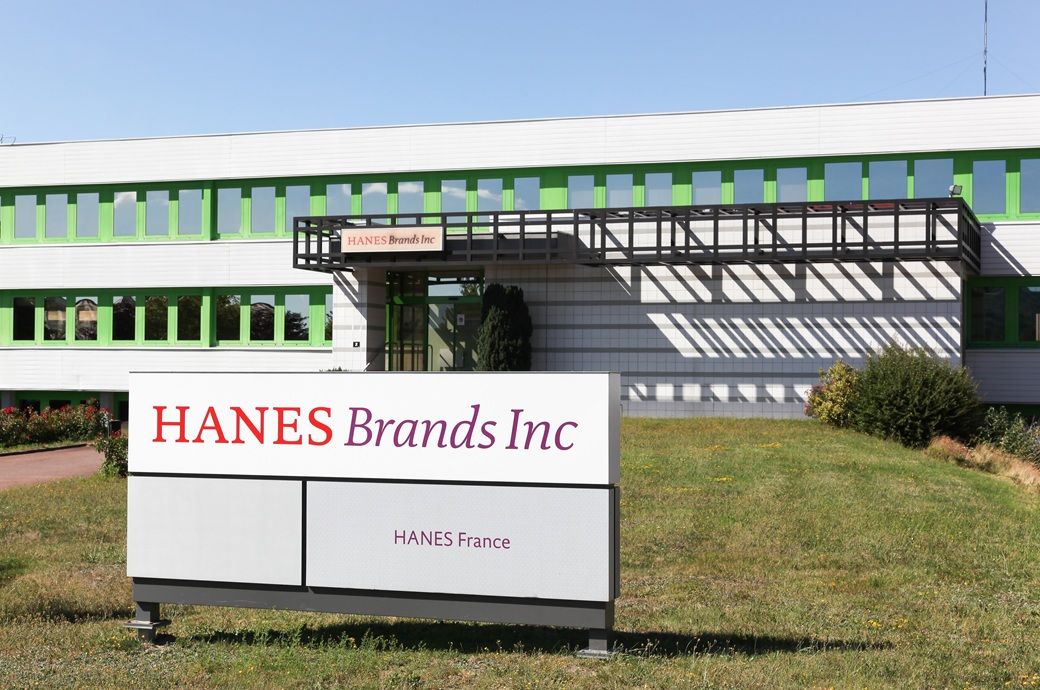
For fiscal 2026 (FY26), Gildan reaffirmed revenue guidance of $6-6.2 billion, adjusted operating margin of around 20 per cent, and adjusted Earnings per share (EPS) of $4.2-4.4. Free cash flow is projected to exceed $850 million. The company expects Q2 sales of about $1.6 billion, with margins improving as integration benefits materialise.
Gildan has reported a strong Q1 FY26, driven by HanesBrands integration, and reaffirmed full-year guidance.
Net sales rose sharply, while margins were impacted by acquisition-related costs.
Retail sales surged, offsetting weaker wholesale performance.
Adjusted margins exceeded guidance, supported by pricing actions.
The company remains focused on operational efficiency and cost discipline.
It noted that geopolitical risks and tariff uncertainties remain key variables in the outlook.
Meanwhile, the net sales from continuing operations in Q1 stood at $1.17 billion, up 63.8 per cent year on year (YoY), driven largely by the consolidation of HanesBrands. The company maintained its full-year guidance, citing steady integration progress and confidence in its growth strategy.
“We are pleased with our first quarter performance, reflecting disciplined execution across the organization and continued progress against our strategic priorities. We advanced our integration initiatives as planned, with early actions reinforcing our operating model and strengthening our ability to drive efficiency and synergy capture,” said Glenn J Chamandy, Gildan’s president and CEO.
He added that despite an uncertain external environment, the company remains focused on controllable factors, driving operational excellence, advancing the HanesBrands integration, and maintaining cost discipline and consistent execution; supported by its low-cost, vertically integrated platform and strong balance sheet.
Adjusted operating margin stood at 14.3 per cent, ahead of guidance, while GAAP operating margin was slightly negative at (0.1) per cent due to acquisition-related and restructuring costs. Adjusted diluted EPS from continuing operations came in at $0.43, down from $0.59 a year earlier, Gildan said in a press release.
Wholesale sales declined 11.9 per cent to $552 million amid proactive inventory reduction and the absence of tariff-driven pre-buying seen last year. Retail sales surged to $614 million. The company also reported gains in key underwear brands and continued momentum in labels such as Comfort Colors and Champion.
Gross profit reached $278 million, while adjusted gross margin improved to 33 per cent, supported by pricing actions and lower input costs. However, higher Selling, General and Administrative expenses (SG&A) expenses and financial costs weighed on profitability.
The company ended the quarter with net debt of $4.87 billion.
Fibre2Fashion News Desk (SG)
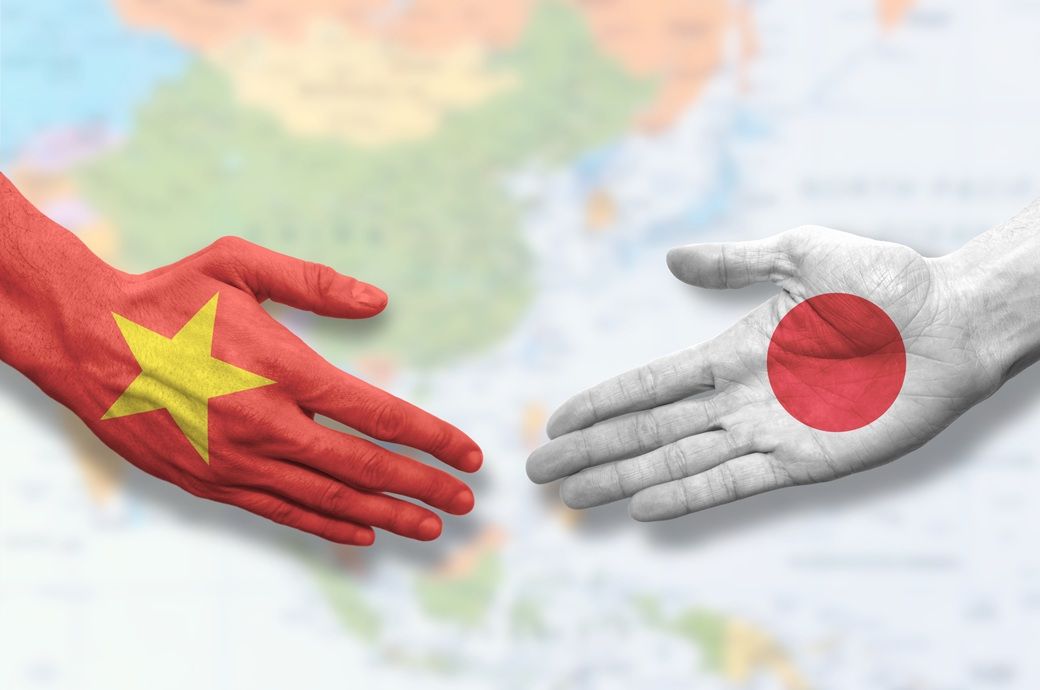
Vietnamese Prime Minister Lê Minh Hung and Japanese Prime Minister Sanae Takaichi signed the agreements and addressed a joint press conference on Saturday following summit talks at the government headquarters, marking a key milestone in bilateral ties.
Hung said the visit would create fresh momentum, noting that Japan is Vietnam’s top provider of official development assistance (ODA), its largest partner in labour cooperation, third-largest investor and fourth-largest trading partner.
Vietnam and Japan aim to boost ties with $5 billion in annual investment and $60 billion in trade by 2030.
Leaders signed six agreements, while 2025 saw trade surpass $50 billion alongside rising ODA and investment.
Both sides plan to deepen cooperation in technology, energy and security, and expand high-tech and supply chain partnerships.
Both sides agreed to deepen their Comprehensive Strategic Partnership through stronger cooperation in defence, security and diplomacy, while maintaining ministerial-level mechanisms across trade, industry, energy and technology. A Deputy Minister-level 2+2 dialogue on foreign affairs and defence will also be implemented.
The partnership has already gained traction. In 2025, ODA cooperation rose by over $600 million, bilateral trade exceeded $50 billion for the first time, and investment increased by nearly $4 billion across around 300 new projects.
Takaichi described Vietnam as a crucial link in global supply chains and highlighted economic security, covering energy, critical minerals, artificial intelligence, semiconductors and space, as a new priority area. She also stressed the importance of expanding the Comprehensive and Progressive Agreement for Trans-Pacific Partnership (CPTPP) while maintaining high standards.
Dozens of joint initiatives are underway in science and technology, semiconductors, digital transformation, green transition, renewable energy and space.
They plan to hold a Joint Committee on Science and Technology Cooperation meeting in 2026, organise a public–private high-tech exchange event, and roll out projects under the POWERR ASIA2 Initiative to support energy self-reliance in Asia.
Fibre2Fashion News Desk (CG)


It took 40 years for technology to catch up to this zipper design

Britney Spears case ends with guilty plea in reckless driving matter

India’s Modi celebrates ‘record’ win in opposition-held West Bengal

-

 Tech1 week ago
A Brain Implant for Depression Is About to Be Tested in Humans
-

 Tech1 week ago
Almost 90% of women leave tech industry within 10 years | Computer Weekly
-
 Business1 week ago
Pakistan’s oil market is fuelling the crisis | The Express Tribune
-
 Business7 days ago
‘I had £20,000 stolen and had to fight a 13-month fraud reporting rule to get it back’
-

 Sports6 days ago
Pro wrestling star Steph De Lander reveals how colleague’s advice helped lead her to title triumph at ACW
-

 Entertainment1 week ago
Melania Trump says ABC should ‘take a stand’ on late-night host Kimmel
-

 Tech6 days ago
This Ambitious Laptop Doesn’t Leave Much Room for Your Hands
-

 Entertainment7 days ago
Norway joins Type 26 Frigate Programme to boost NATO naval power