

Politics
India and South Korea plan $50 billion trade push with new deals

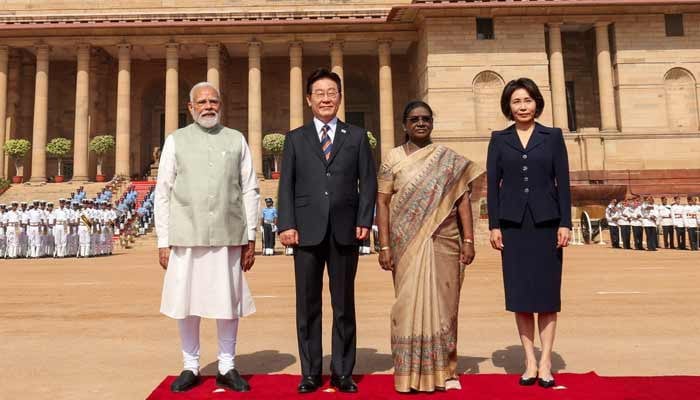
- India, South Korea to expand cooperation in energy sector.
- First South Korean presidential state visit to India in eight years.
- South Korean president will be visiting Vietnam after India.
India and South Korea said on Monday that they would boost their economic ties by expanding cooperation in energy, critical minerals, shipbuilding, semiconductors and steel as they seek to double their trade to $50 billion by 2030.
New Delhi and Seoul also agreed to resume and step up negotiations to give new energy to their 2010 trade agreement as India wants their trade to be more balanced and South Korea wants greater market access to the world’s fastest-growing major economy.
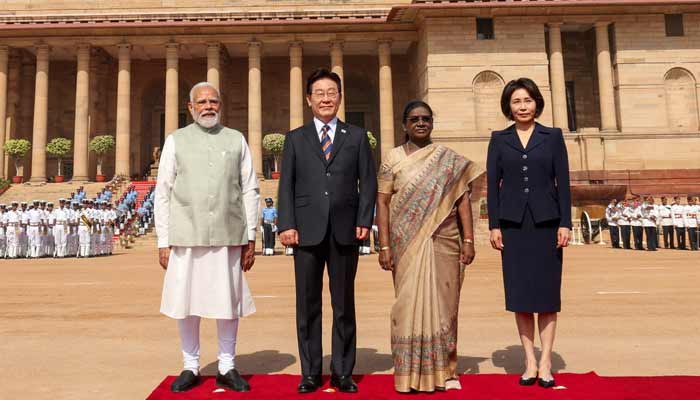
South Korean President Lee Jae Myung is in India for a three-day visit, the first South Korean presidential state visit to the country in eight years.
“We decided to upgrade the framework of economic cooperation between the two countries to create a new engine for shared growth,” Lee told reporters after talks with Indian Prime Minister Narendra Modi.
The two countries created a ministerial-level economic cooperation committee for the first time, Lee said, adding that they would strengthen cooperation in areas such as nuclear power plants, clean energy as well as trade and investment.
With the Iran war squeezing global energy supplies, India and South Korea would also continue to cooperate to ensure the stable supply of energy resources and key raw materials such as naphtha, Lee added.
Modi said Lee’s visit was extremely significant and that the two countries had taken important decisions to boost two-way trade to $50 billion by 2030 from around $27 billion at present.
“Today, we are laying the foundation for the success story of the next decade,” Modi said, as he recalled strong civilisational ties between the two countries that go back several centuries.
Big investment in India’s steel sector
Indian Trade Minister Piyush Goyal said he held talks with his South Korean counterpart, Yeo Han-koo, and discussed ways to resume and revamp the trade pact and explored opportunities to deepen cooperation in the areas of industry, green energy and digital trade.
Lee will attend a joint business forum conference later on Monday where some 250 South Korean participants are expected, including leaders of household names in India such as Samsung Electronics, Hyundai Motor and LG Group, South Korea’s Yonhap news agency said.
The two sides also plan to sign a total of 20 private-sector memoranda of understanding on the sidelines of the forum, covering areas including shipbuilding, digital technology and energy, Yonhap said.
Separately, South Korea’s Posco Holdings said in a regulatory filing on Monday that its steelmaking unit plans to build a joint venture integrated steel plant with India’s JSW in Odisha state. Posco’s investment until end-2031 is expected to be about $1.09 billion, the filing said.
The joint venture deal to set up a 6-million-ton-per-annum steel plant in Odisha was announced last week.
In a policy seminar at South Korea’s parliament last week, Maeng Hyun-chul, a research fellow at Seoul National University’s Asia Center, noted India’s longstanding complaint of a widening trade deficit with South Korea and said that political ties had not kept pace with commercial ties.
South Korea had a $12.8 billion trade surplus last year, with exports worth $19.2 billion and imports of $6.4 billion, according to Korea International Trade Association data.
Lee will be visiting Vietnam after India.
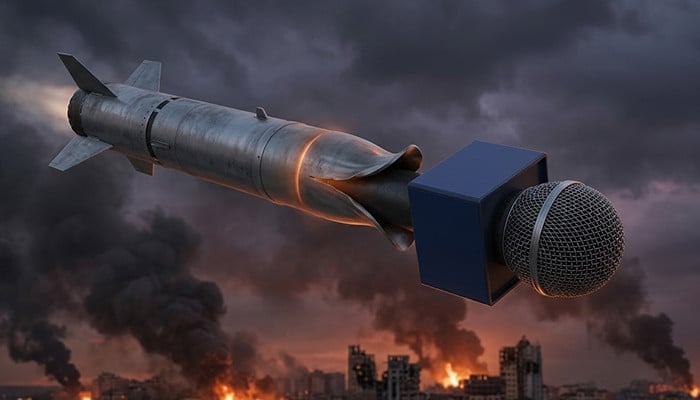
According to an old adage, truth is the first casualty of war. While that still holds weight in the chaos of a frontline, the mechanics of deception have changed with technological advancement. If we look at history, “truth as a casualty” implied a total blackout, a literal “fog of war” where the audience was left in the dark. Today, however, we face the opposite problem because we have too much “truth”. We have high-resolution footage of every airstrike and a live-stream of every tragedy in Gaza or Lebanon delivered directly to phones in our pockets.
In this new landscape, the real casualty isn’t the truth but our perspective. Media outlets don’t even have to spread the so-called “fake news”. They just need to frame the shot and choose certain words to change perceptions and form public opinion, without most people even noticing. This was never more obvious than during the joint US and Israeli strikes on Iran in late February.
While the official narrative remained focused on “threats to sovereignty” and the assassination of Ayatollah Ali Khamenei, the retaliatory strikes across the Gulf were framed through a very specific lens. Anyone who followed the 24-hour news cycles in London or Washington DC was to see Tehran as nothing but a cold, monolithic fortress, and a place defined by “ideological fervour” and a population waiting for a nuclear launch.
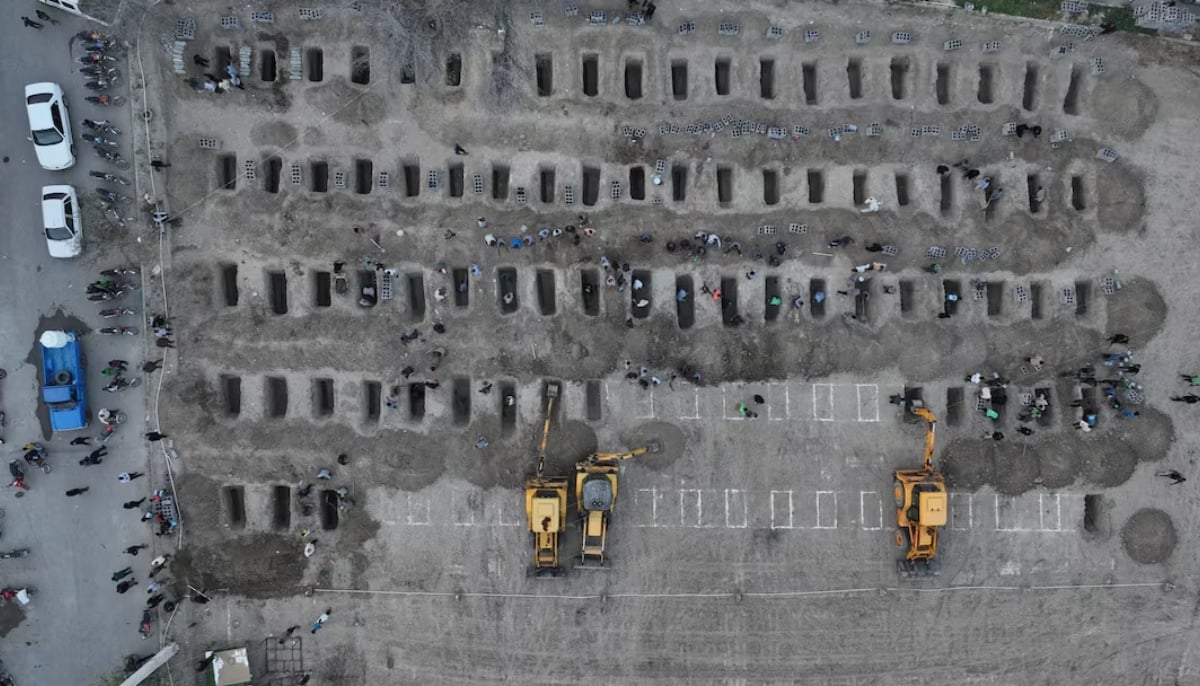
But that frame is a lie of omission. It cropped the coffee shops of North Tehran and muted the students having pragmatic, exhausted debates about their future. It ignored a population tired of being caught between their own government’s repression and the suffocating weight of foreign sanctions. When Western media outlets flattened Iran into a two-dimensional villain, they’re not just reporting but prepping the reader. They are building a world where war seems logical.
Media narratives
While it appears that the conflict, which some feared could escalate into a Third World War, may be nearing a close, it was not fought solely through missiles and drones. A parallel media war was also underway, one that often remains invisible without closer scrutiny.
In modern warfare, nations not only invest in advanced weaponry but also in carefully crafted language. Government statements are deliberately framed, and media organisations deploy words, phrases, and narratives with precision. At times, words shape the coverage in ways that align with the interests of Western powers involved in conflicts abroad.
As noted by Noam Chomsky: “The smart way to keep people passive and obedient is to strictly limit the spectrum of acceptable opinion, but allow very lively debate within that spectrum.”
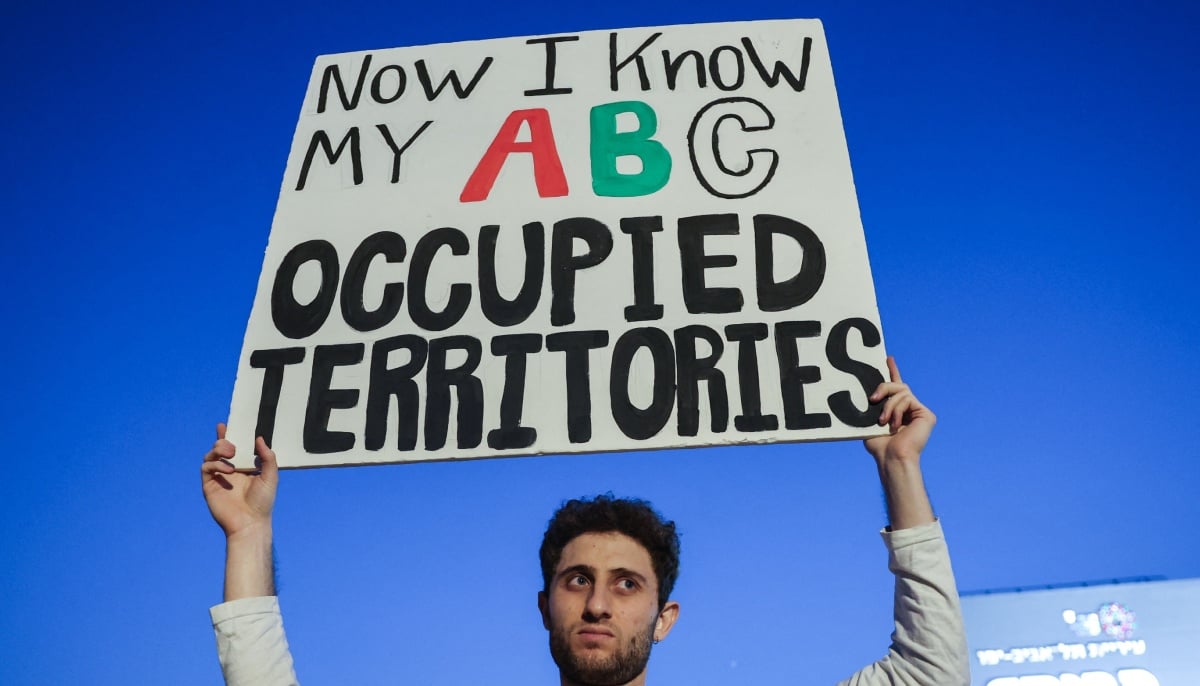
To understand this better, let’s take a look at some examples. A report released by Al Jazeera Media Institute, published recently, noted that Western media coverage of the Iran-Israel-US conflict often functions as a weapon of war, using selective language that frames US and Israeli strikes as ‘self-defence’ while depicting Iranian actions as ‘provocation’ — legitimising military action and normalising civilian casualties.
The Washington Post, in its report on the day of the attack, crafted this headline in the following way: ‘In surprise daytime attack, US and Israel take out Iranian leadership’, while in the story, phrases like “bold daytime attack”, “eliminated”, and “toppling down of foreign leaders”, portray the act as courageous and brave.
In an analysis piece on CNN, the headline reads, ‘Hezbollah just restarted the fight that Israel was waiting to finish’ — completely erasing the historic context and presenting the situation like the group actually started the war against the occupying Israel.
On the first day of the attack, when the US and Israeli missiles hit an Iranian school and martyred nearly 170, among them mostly schoolgirls, Western media covered it with qualifiers such as “near”, “adjacent to a military base”, “near base”, “military target likely”, and “appears to show a US Tomahawk missile hitting a base next to an Iranian school”, according to Al Jazeera Media Institute’s report.
The politics of naming wars
Across Western media’s coverage, terminology emerged not as a neutral descriptor but as a deliberate editorial choice. Dr Dania Arayssi, a senior analyst at New Lines Institute for Strategy and Policy, noted that the preference for phrases such as “Iran conflict” reflects a deeper structural tendency within newsrooms.
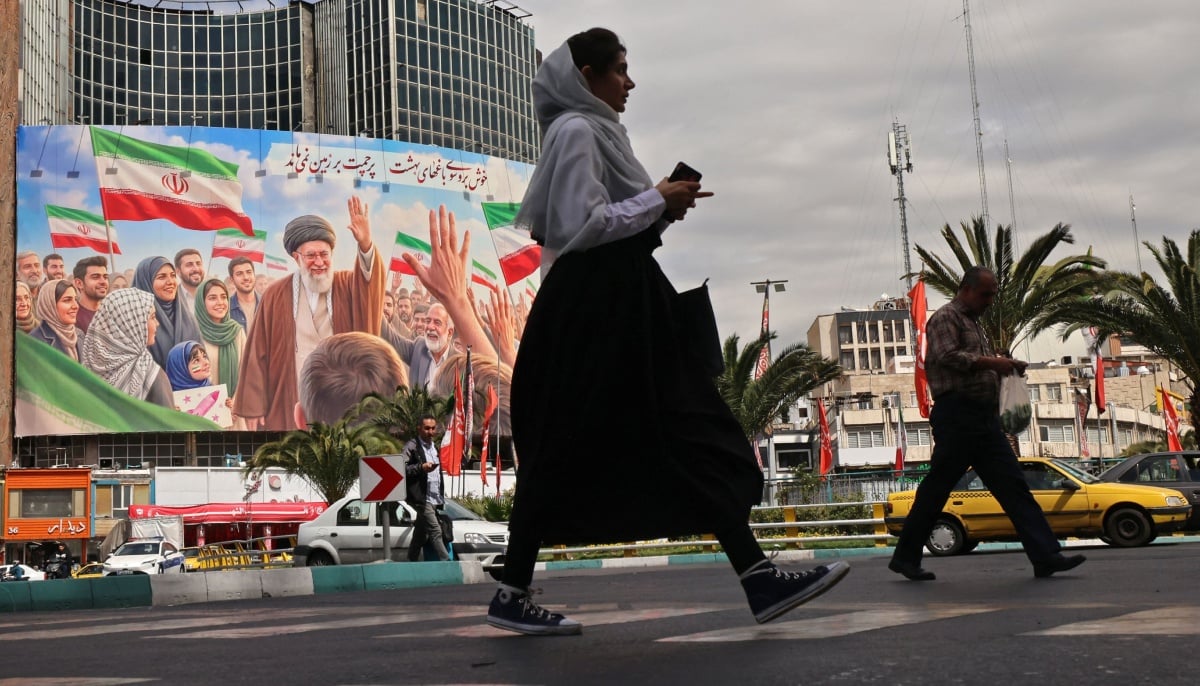
“The passive framing strips away agency and responsibility. ‘Conflict’ implies mutual, roughly equal friction; it obscures who initiated strikes, who holds overwhelming military advantage, and the geopolitical architecture behind the confrontation. Critics argue this is a structural bias in Western newsrooms towards language that protects allied governments from moral scrutiny,” she told Geo.tv.
Shumaila Jaffery, ex-BBC Journalist and a researcher at the University of Leeds, similarly underscored that such terminology is never incidental but carefully considered.
“It is crucial to understand that the terminology used by mainstream Western media for any war or global event is never random; there is always a deliberate thought process behind it. Through the terminology, media organisations take an editorial position, framing the conflict in a certain way.
“So, if the mainstream Western media is predominantly using the term ‘Iran conflict’, it is taking a stance that keeps the onus or focus on Iran, reinforcing the perception that Tehran is the root of the problem. And doing so, it diffuses the responsibility of the US and Israel in escalating the situation.”
For UK-based academic and researcher Dr Syeda Sana Batool, this framing extended beyond geopolitics into questions of representation and erasure.
“When we call it an ‘Iran war’, there’s a lot that gets erased straight away. First of all, responsibility gets blurred. It starts sounding like the war belongs to a place, almost as if violence just naturally emerges from there, rather than being produced by specific states, decisions, military actions, and political interests. And then, of course, ordinary Iranians get erased too.”
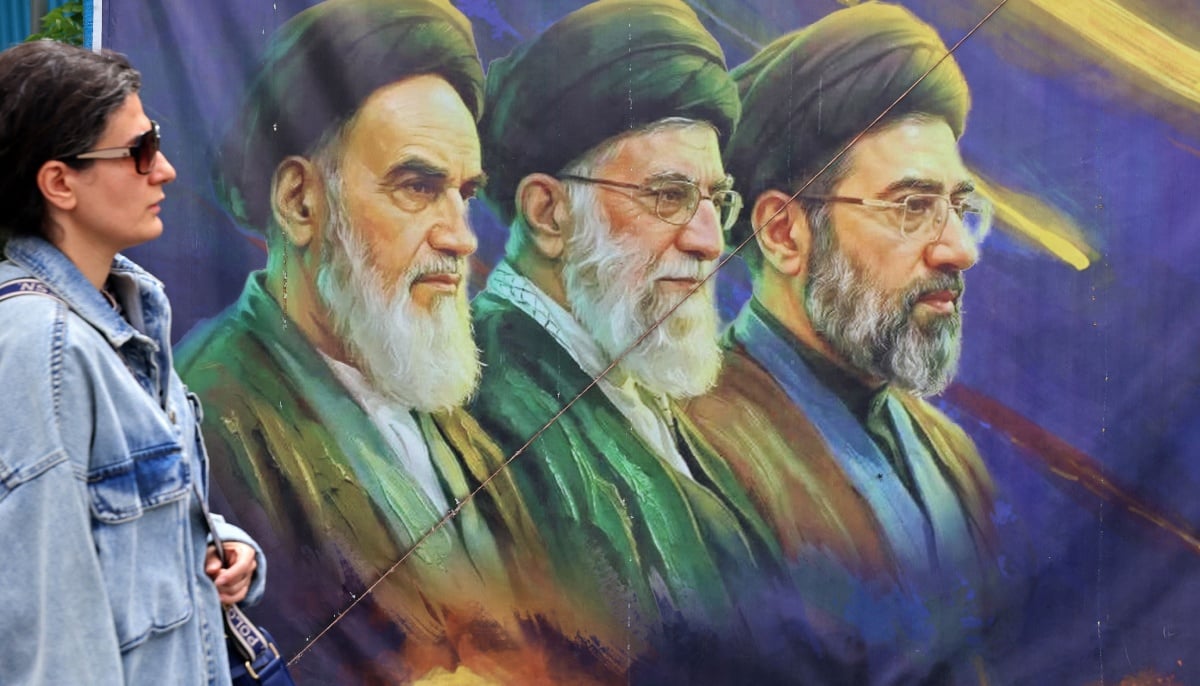
“Their lives, their fears and their everyday realities and the fact that they are far more than a backdrop to geopolitical drama. I think this is something I keep coming back to in my own work as well, the way media often shifts attention away from who is acting and who is causing harm and instead turns whole regions or whole communities into the story. Once that happens, power becomes harder to see and harder to hold accountable.”
Echoes of Iraq in contemporary coverage
The framing of the Iran war, experts argue, cannot be divorced from the legacy of Iraq. Dr Arayssi pointed to recurring patterns that media scholars have long identified.
“The parallels are well-documented by media scholars. Then as now: official government framing adopted as neutral fact, sceptics marginalised, threat inflation treated as responsible journalism, and retrospective accountability arriving only after the damage is done. The question worth asking is whether the lessons of Iraq have structurally changed anything — the evidence suggests institutional pressures remain largely the same.”
Jaffery, however, introduced a more layered comparison, shaped by the evolution of the media ecosystem.
“There are and aren’t. We are living in a different world with a different media landscape, and that, to me, is the biggest difference. During the Iraq War, the threat of weapons of mass destruction (WMDs) was manufactured by the mainstream media, and Saddam Hussein was portrayed as the biggest threat to the security of Western countries.
“At least initially, this worked to mould public opinion in favour of the war. However, this time we have a digital media echo system, which, in itself, is a Wild West, yet it has been providing an alternative view. We have seen influencers like MAGA podcasters Tucker Carlson explain to the American public that Iran doesn’t pose any direct threat to US security, and Meghan Kelly saying that President Trump decided to wage a war on Iran under Bibi Netanyahu’s pressure,” she said.
Something like this was unimaginable during the Iraq War, she noted.
The former BBC journalist said that she believes that newsrooms have also learned lessons from the Iraq war coverage, so although Iran is mostly framed as a threat to Western security, there is slightly more caution towards official claims and counterclaims.
That said, there are still partial parallels, such as the security framing. “As in every war to some extent, journalists rely heavily on sources within governments and militaries to obtain information; this is true for this one as well, on both sides.”
Selective context and the shaping of narratives
A recurring concern among analysts is not only what is reported, but what is omitted or relegated to the margins.
Dr Arayssi observed that historical context is frequently displaced within coverage.
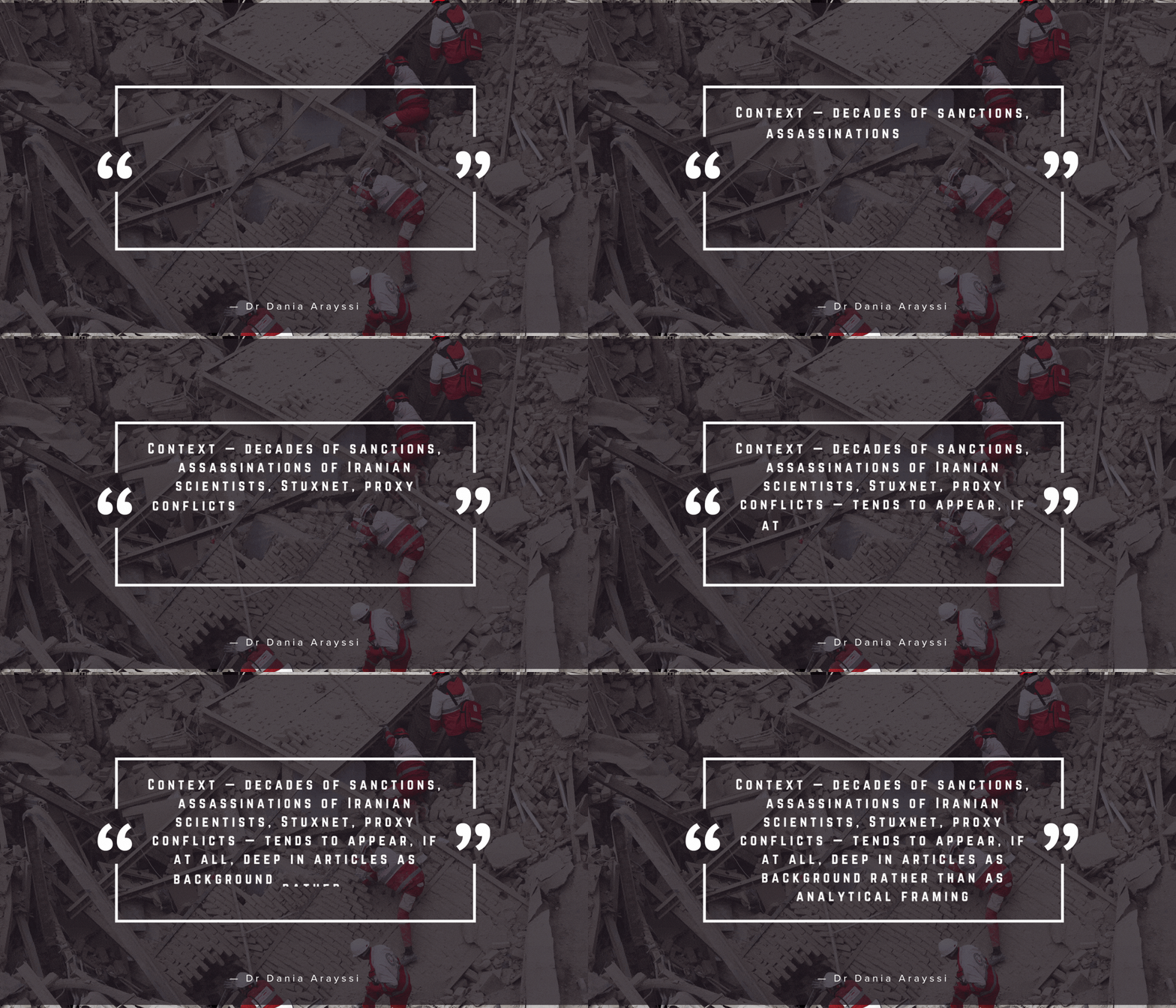
“Context — decades of sanctions, assassinations of Iranian scientists, Stuxnet, proxy conflicts — tends to appear, if at all, deep in articles as background rather than as analytical framing. This mirrors Gaza coverage, where the October 7 attacks were treated as a ‘beginning’ rather than a point in a longer arc. Presenting aggression without genealogy manufactures moral clarity that the facts don’t fully support.”
She further highlighted the ideological weight carried by certain terms: “These terms do enormous ideological work. They frame military action by certain states as inherently defensive and rational, while identical actions by adversary states are framed as aggression or provocation. They’re not neutral descriptors — they carry a built-in assumption about who has the right to define threats.”
Jaffery situated these omissions within the practical constraints of contemporary journalism.
“It varies widely by outlet and format. For example, if it’s a short video for social media platforms, how much context can be included? But then the question is: is such a compact format, which is extremely popular, suitable for telling such a complex story?”
“There is another pattern across all wars: coverage mostly focuses on smaller events within a larger conflict. It’s quite episodic and projects daily major happenings. A few days into a war, context is sometimes taken for granted or assumed to be understood by audiences. Either it’s condensed or dropped altogether from the stories. However, context is sometimes given selectively, and at other times it’s deliberately sidelined to suit the narrative a media organisation or journalist wishes to project. So, I believe there is a full spectrum here, and the current war is no different from past conflicts in this regard.”
Batool draws a direct parallel with Gaza, where linguistic choices similarly obscure asymmetries of power.
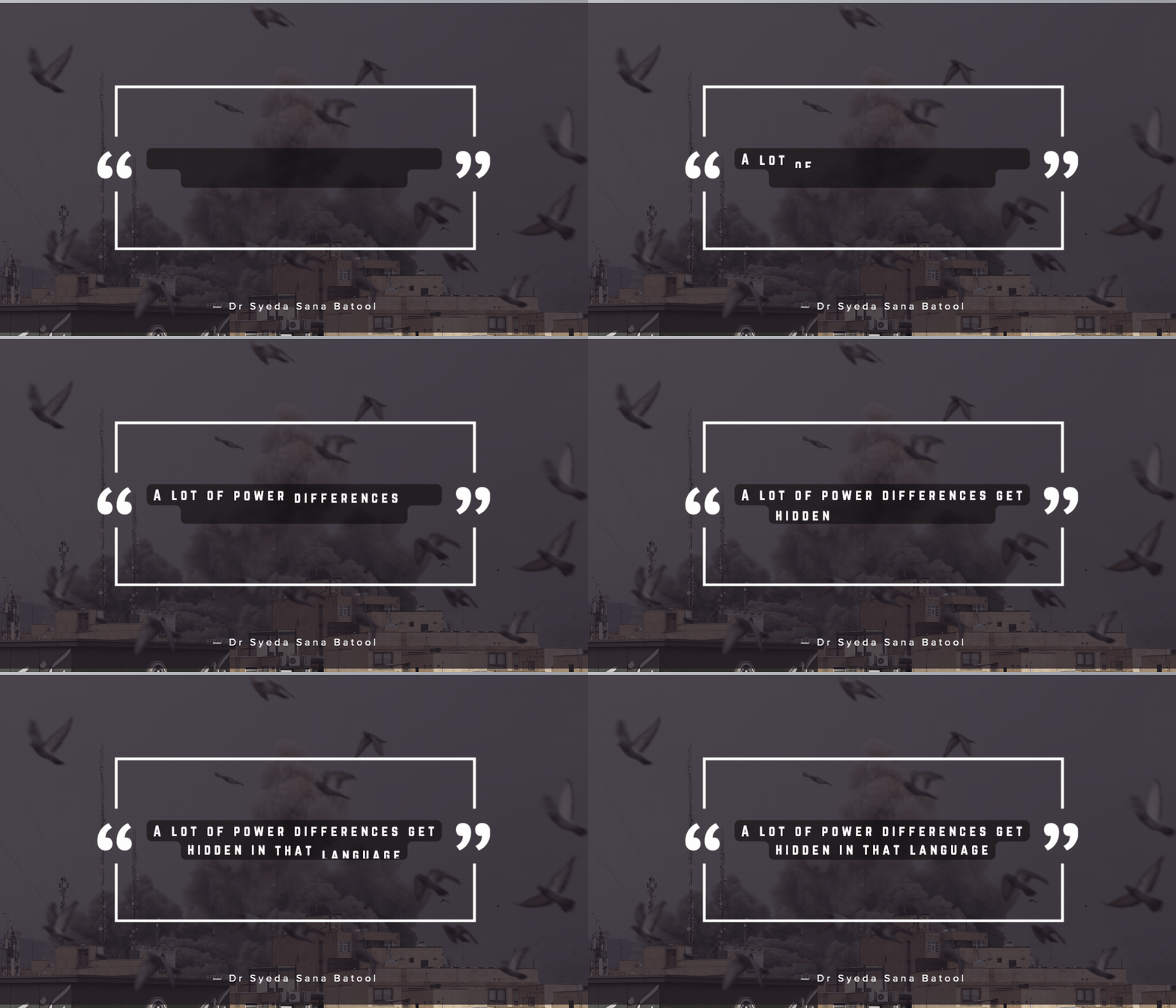
“I think it is very similar in the sense that both kinds of coverage reveal important truths. In Gaza, similar words like conflict or clashes and that makes everything sound equal when it is not equal. A lot of power differences get hidden in that language.”
“With Iran, I think something similar happens. The bigger political picture, the actors involved and also the long history behind what is happening can all get pushed aside. So in both cases, the silence is not small but it in a way changes how people understand the whole story, it changes how people think.”
Newsroom pressures and invisible audiences
Beyond ideology, experts point to structural constraints that shape how wars are reported.
Jaffery explains how competing pressures within newsrooms influence both language and framing.
“Language is the most powerful tool for shaping public opinion in favour of or against a war, whether in the broader framing of the conflict, the phrasing of its coverage, or the representation of the adversaries involved. Newsrooms operate under several constraints: speed, audience engagement, biases, regulations, and editorial risks.
“Language is negotiated and managed with all these factors in mind.”
Dr Arayssi added that these structural pressures also influence what histories are foregrounded or suppressed.
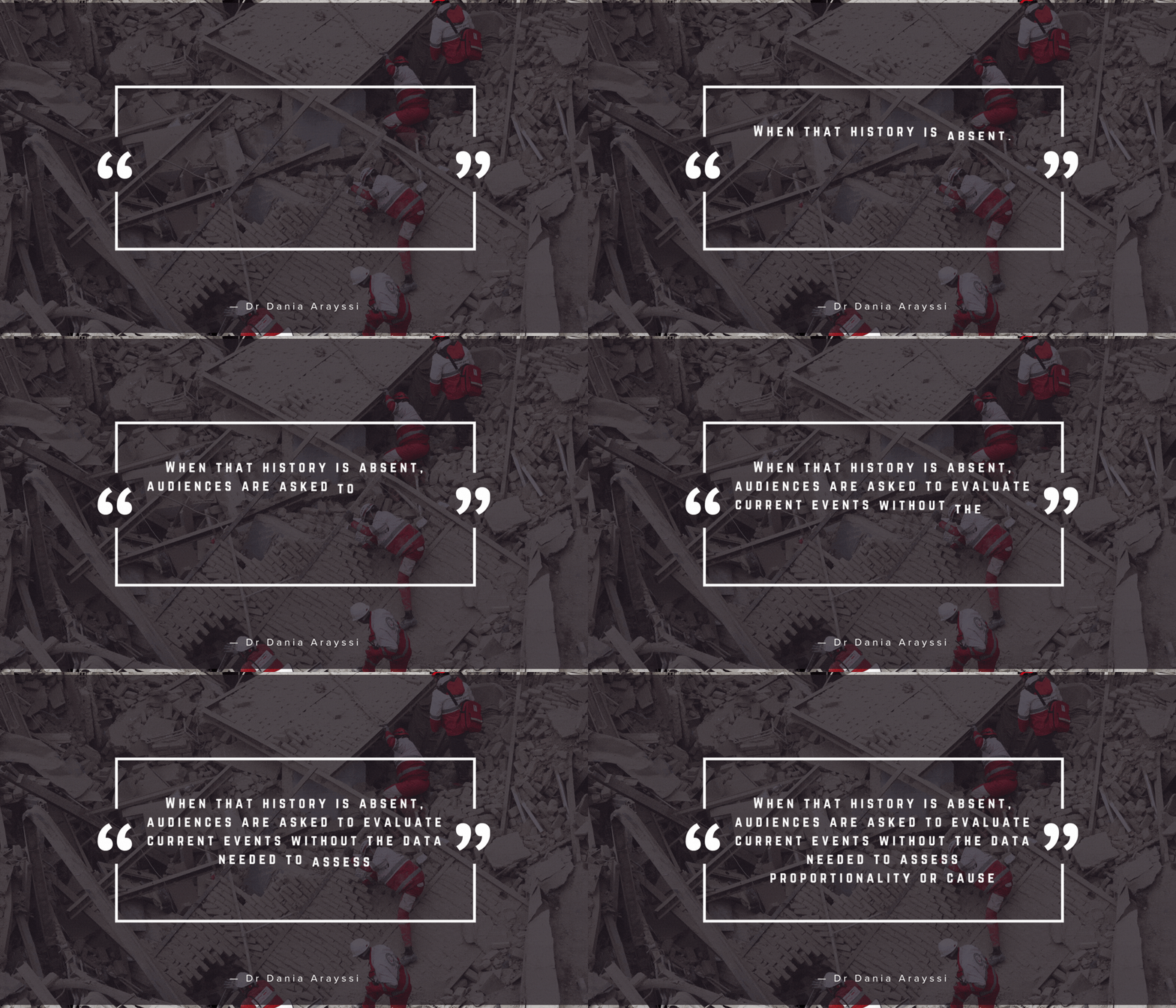
“This is arguably the most important question. Sanctions have caused documented civilian suffering over decades. Covert operations have violated Iranian sovereignty. When that history is absent, audiences are asked to evaluate current events without the data needed to assess proportionality or cause. Whether this is deliberate is debatable — it may be as much structural (news cycle pressure, source dependency on official briefings) as intentional.”
At the same time, the human dimension of war often remains obscured.
“There are restrictions and strict limitations on the coverage of the war in Israel, Iran, and the Gulf countries. Due to this censorship, the lived experiences of ordinary citizens in the region have largely been invisibilised; to me, that is the biggest gap.”
The writer is a staffer at Geo.tv
The thumbnail and cover image were generated using Gemini.
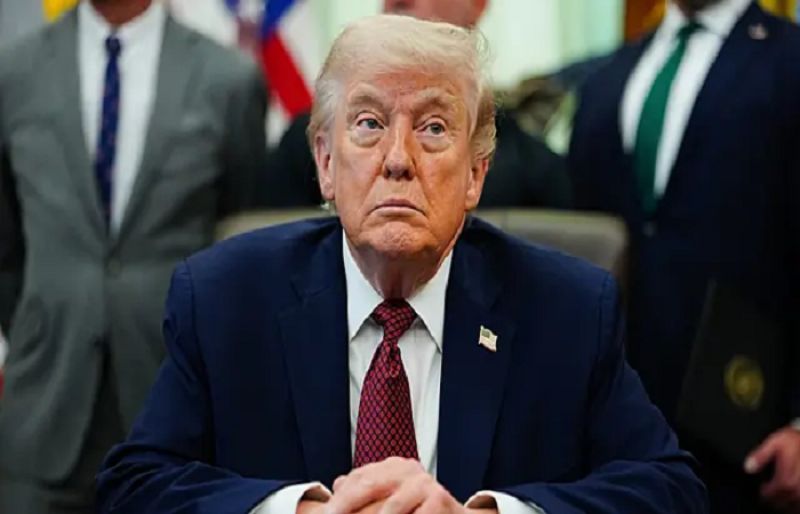
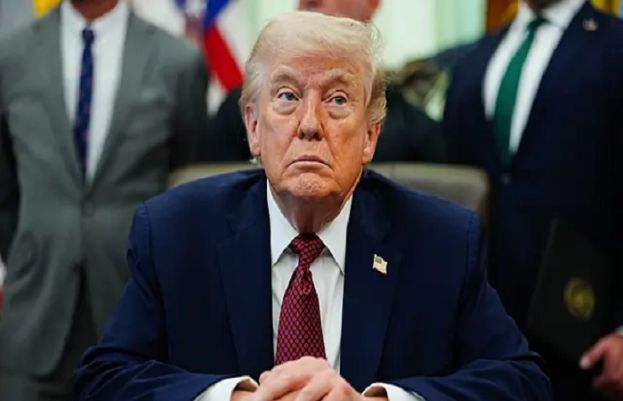
US President Donald Trump has confirmed that US negotiators will be arriving in Islamabad today (Monday) to hold the second round of talks with Iran, while warning Tehran of dire consequences if it rejects a peace deal with Washington.
“My Representatives are going to Islamabad, Pakistan — They will be there tomorrow [Monday] evening, for Negotiations,” the US president wrote in a post on his Truth Social on Sunday.
He also accused Iran of a “total violation” of the two countries’ ceasefire for firing on ships near the Strait of Hormuz, and renewed a threat to wipe out Iran’s bridges and power plants unless it accepted his terms.
“We’re offering a very fair and reasonable DEAL, and I hope they take it because, if they don’t, the United States is going to knock out every single Power Plant, and every single Bridge, in Iran,” he warned. “NO MORE MR. NICE GUY!”
Meanwhile, conflicting reports have emerged over the composition of the US delegation for the second round of talks with Tehran.
Trump’s son-in-law, Jared Kushner, and Special Envoy to the Middle East Steve Witkoff were heading to Islamabad for the talks, Axios quoted the US president as saying.
The report came shortly after NBC News reported that Vice President JD Vance — who led Washington’s delegation in the previous talks — will be part of the delegation for the second round.
Citing the US ambassador to the United Nations, the publication said that Vance will lead the delegation.
Global oil prices fell and stock markets surged on Friday when Iran first announced it would reopen the strait, which it had effectively closed to all shipping apart from its own since Trump and Israel launched the war on February 28.
But after Trump said he would continue a blockade of Iranian shipping, Tehran said on Saturday it was keeping the strait closed. At least two ships reported they had been fired upon while approaching the strait on Saturday.
“Iran decided to fire bullets yesterday in the Strait of Hormuz — A Total Violation of our Ceasefire Agreement!” Trump wrote in Sunday morning’s post. “That wasn’t nice, was it?”
Security on high alert
Meanwhile, an advance team from the US has arrived in Islamabad as Pakistan prepares to host the second round of talks between Washington and Tehran, sources said on Sunday.
Advance teams from foreign delegations have begun arriving in the country ahead of the much-anticipated talks, sources said.
Authorities in Islamabad and Rawalpindi heightened security in the federal capital, sealing off the Red Zone to all traffic.
The Middle East conflict began on February 28, following joint strikes by the US and Israel against.
The scope of the conflict quickly spread as Tehran effectively blocked the Strait of Hormuz and launched retaliatory attacks against Israel and US bases across the Gulf region.
After agreeing to the PM Shehbaz-facilitated ceasefire, the two sides held negotiations in Islamabad over the last weekend on a wide range of disputes. However, the talks could result in an agreement for a permanent end to the conflict.
However, Pakistan continued its marathon efforts to help resolve longstanding disputes between the two sides, including COAS-CDF Field Marshal Asim Munir’s visit to Tehran, where he met Iran’s top political and military leadership.
A day after CDF Munir’s visit, Iran declared the Strait of Hormuz open, citing the agreement of a ceasefire between Israel and Lebanon.
However, the country blocked the waterway again, citing Washington’s naval blockade of Iranian ports as the reason.
Despite lingering issues, Iranian Parliament Speaker Mohammad Bagher Ghalibaf said talks with Washington have seen “progress,” but “many gaps and some fundamental points remain.”
“We are still far from the final discussion,” said Ghalibaf in a televised address earlier today.
- US accused of ceasefire violations by Tehran.
- Naval blockade and ship attack cited as breaches.
- Iran says US not serious about diplomacy.
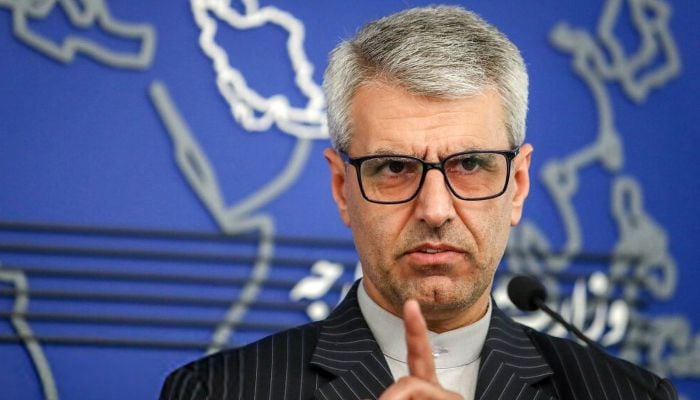
TEHRAN: Iran’s Foreign Ministry spokesperson Esmaeil Baghaei said on Monday that there is no plan for a second round of negotiations with the United States for now.
Baghaei added in a press conference that the US was not serious about pursuing diplomacy, citing what it called “violations” of their two-week ceasefire.
“While claiming diplomacy and readiness for negotiations, the US is carrying out behaviours that do not in any way indicate seriousness in pursuing a diplomatic process,” said ministry spokesperson Esmaeil Baqaei in a weekly press briefing.
He said a US attack on an Iranian cargo ship early Monday, the US naval blockade on Iranian ports, and delays in implementing a ceasefire in Lebanon were all “clear violations of the ceasefire”.
Tehran refused new peace talks for now, citing the ongoing blockade, threatening rhetoric, and Washington’s shifting positions and “excessive demands”.
“One cannot restrict Iran’s oil exports while expecting free security for others,” First Vice President Mohammadreza Aref wrote on social media. “The choice is clear: either a free oil market for all, or the risk of significant costs for everyone.”
Iran has been at war with Israel and the United States since February 28 when strikes martyred supreme leader Ayatollah Ali Khamenei, triggering a conflict that has engulfed the region.
Tehran and Washington have since held a round of negotiations which failed to culminate in a deal to end the war. It took place against the backdrop of a fragile two-week ceasefire which began on April 8.
US President Donald Trump said Sunday he had ordered US negotiators to travel to Pakistan on Monday to hold another round of talks, but Iran has yet to confirm its attendance.
“As of now, while I am at your service, we have no plans for the next round of negotiation, and no decision has been made in this regard,” said Baqaei.
Key sticking points include Iran’s stockpile of highly enriched uranium and the status of the strategic Strait of Hormuz, which has been largely closed since the outbreak of the war.
“Regarding the issue of transferring enriched uranium, neither during this period of negotiations nor before has transferring it to the United States been discussed,” Baqaei said.
“It was never raised as an option for us,” he added.

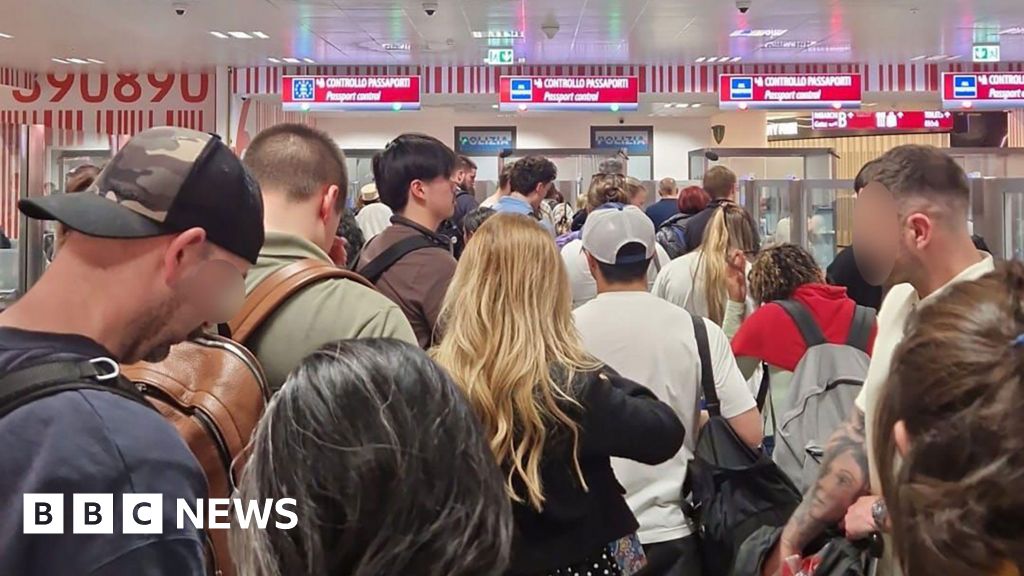
Ryanair flight from Milan to Manchester leaves passengers behind due to border delays

Harry Kane vows Bayern Munich have ‘a lot to play for’ after Bundesliga title

Hyundai’s New Ioniq 3 Has Hot-Hatch Looks, but Can It Beat BYD?

-

 Fashion4 days ago
France’s LVMH Q1 revenue falls 6%, shows resilience amid Iran war
-

 Sports1 week ago
The case for Man United’s Fernandes as Premier League’s best
-

 Entertainment1 week ago
Palace left in shock as Prince William cancels grand ceremony
-
 Business1 week ago
UK could adopt EU single market rules under new legislation
-

 Entertainment5 days ago
Is Claude down? Here’s why users are seeing errors
-

 Fashion1 week ago
Energy emerges as biggest cost driver in textile margins
-

 Tech1 week ago
A Lot of Shops Won’t Fix Electric Bikes. Here’s Why
-
 Business1 week ago
Delta Air Lines unveils first new Delta One suite in premium cabin arms race