

Fashion
India apparel exporters rattled by looming 500% US tariffs

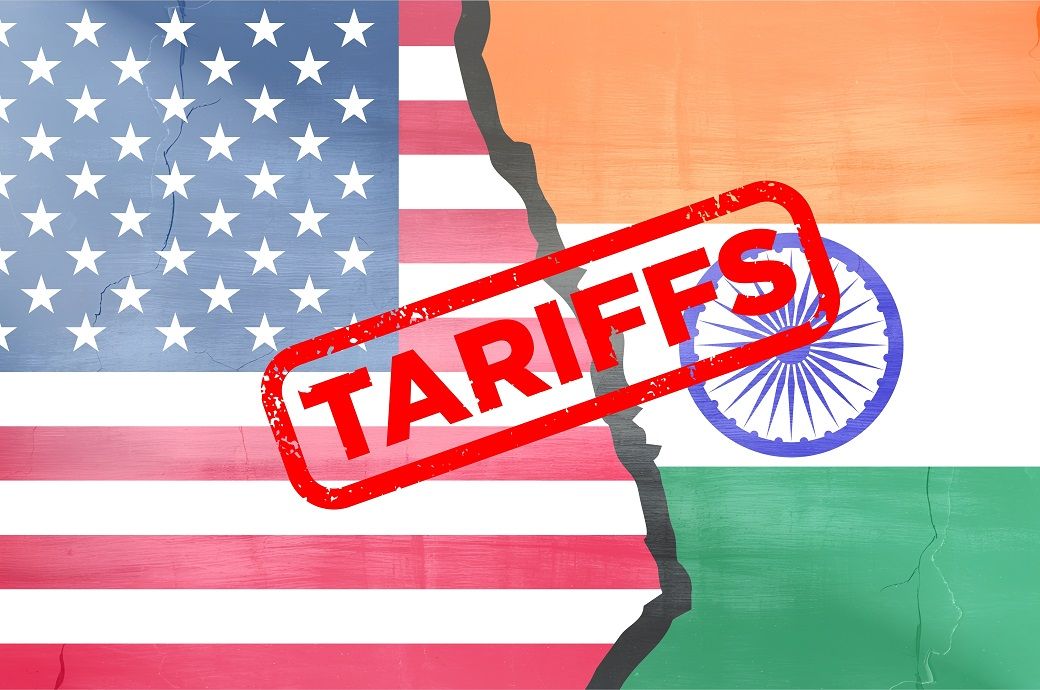
Industry executives said US brands that had earlier been looking to expand their India sourcing footprint are now stepping back. Several exporters have received messages from buyers seeking clarity on whether the steep duty would apply, and in some cases asking who would bear the cost if it is imposed. With no clear answers, buyers are increasingly shifting sampling and production discussions to alternative manufacturing hubs in Asia.
Indian textile exporters face fresh uncertainty ahead of the US fall–winter buying season as fears of a punitive 500 per cent tariff unsettle buyers.
US brands are delaying or diverting orders, intensifying pressure on exporters already hit by earlier duties.
With Tiruppur reporting sharp order declines, industry leaders warn prolonged uncertainty could drive large-scale sourcing shifts away from India.
The risk is particularly acute because the US is India’s largest single apparel and textile market. In 2024–25, India exported textiles and garments worth about $37 billion, with nearly 28–30 per cent of that destined for the US. A 500 per cent duty, exporters warn, would make Indian products unviable overnight, effectively shutting India out of the US market.
The industry is already under strain from the earlier 50 per cent US tariff imposed in August. To keep shipments moving, exporters have been forced to offer deep discounts, divert surplus capacity to domestic brands, and route some export orders through neighbouring countries. Even with these adjustments, overall textile exports slipped 2.27 per cent in April–November 2025, while apparel shipments grew only marginally by 2.28 per cent, underscoring how fragile demand has become.
The knitted garment hub of Tiruppur, which accounts for nearly 90 per cent of India’s knitwear exports, is feeling the pressure most sharply. Exporters there report that US orders for the coming fall season are already down by about 50 per cent, as buyers test suppliers in other countries to hedge against tariff risk.
Companies that have begun production for all-season orders now fear that a 500 per cent levy would amount to a de facto embargo. With US buyers already shifting sampling programmes abroad, industry leaders warn that a prolonged standoff could trigger a large-scale migration of business away from India, putting factory utilisation, jobs and investment plans at serious risk just as the peak export season approaches.
Talk of a fast-tracked US–India trade deal has added another layer of uncertainty to the market. Negotiators from both sides have been working to stabilise bilateral trade ties ahead of the US election cycle, with India pushing for the removal of punitive duties on key labour-intensive sectors such as garments, home textiles and footwear. While officials have signalled progress on a limited trade package, exporters say the absence of a clear timeline is keeping buyers cautious. Until a formal agreement or tariff rollback is announced, US brands are continuing to diversify sourcing away from India to avoid the risk of sudden cost shocks in the middle of the buying season.
Fibre2Fashion News Desk (KUL)












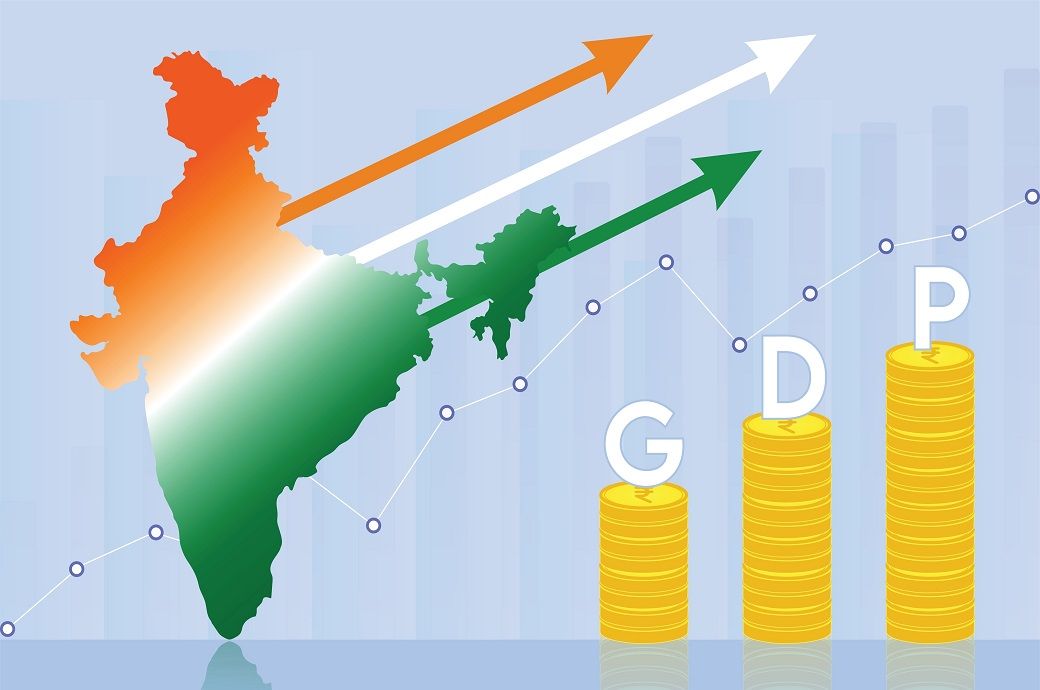
Nominal GDP, or GDP at current prices, is estimated to grow at 8.6 per cent to reach ₹345.47 trillion in FY26 against ₹318.07 trillion in 2024-25.
India’s real GDP is estimated to grow at 7.6 per cent to ₹322.58 trillion (~$3.54 billion) in FY26 compared to the first revised GDP estimate of ₹299.89 trillion for FY25 (7.1 per cent growth).
It released the new series of annual and quarterly national accounts estimates with FY23 base.
Real GVA is projected to grow at 7.7 per cent to reach ₹294.40 trillion in FY26 against ₹273.36 trillion in FY25.
Real gross value added (GVA) is projected to grow at 7.7 per cent to reach ₹294.40 trillion in FY26 against ₹273.36 trillion in FY25 (a 7.3-per cent growth rate).
Nominal GVA is estimated to grow at 8.7 per cent to hit ₹313.61 trillion during FY26, against ₹288.54 lakh crore in 2024-25.
Robust economic performance in FY26 is primarily on account of robust real growth observed in the second quarter (8.4 per cent) and third quarter (7.8 per cent).
The manufacturing sector has been the major driver of resilient performance of the economy the consecutive three fiscals after rebasing, a release from the ministry said.
Both private final consumption expenditure and grossed fixed capital formation exhibited more than 7-per cent growth rate in FY26.
Fibre2Fashion News Desk (DS)
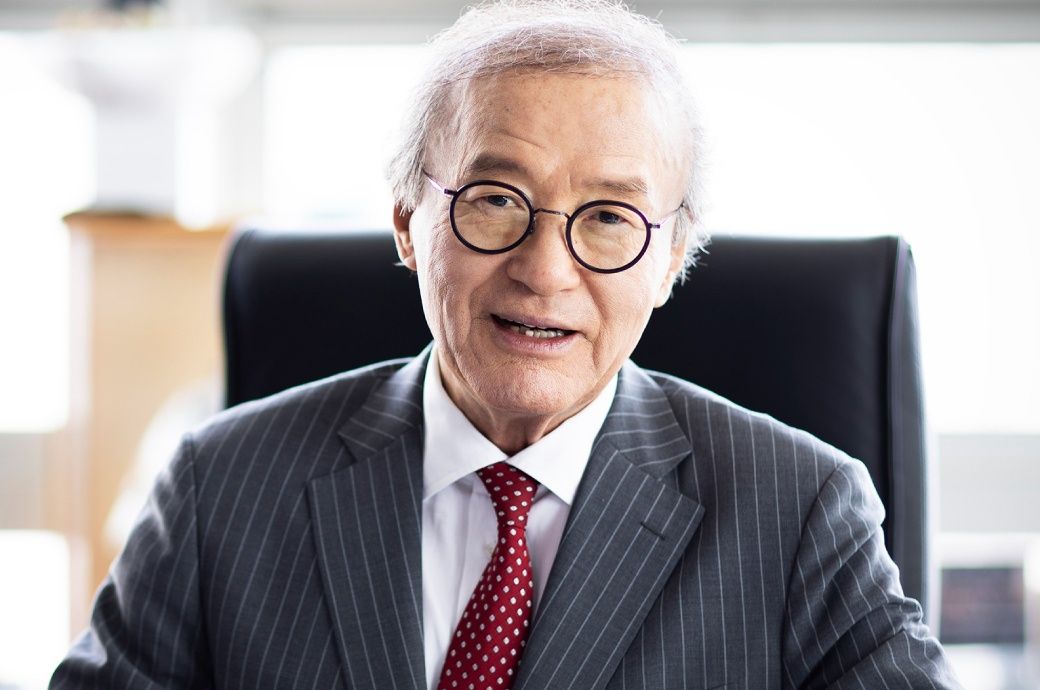
The transition marks the formal handover of executive leadership to President and CEO Keun-Chang (Kevin) Yoon, reinforcing management continuity while preserving the founder’s long-term strategic vision.
Misto Holdings founder Gene Yoon has transitioned to honorary chairman in a planned leadership succession, formally handing executive control to president and CEO Kevin Yoon.
The founder, who expanded the group through the FILA global trademark acquisition and the takeover of Acushnet, will continue guiding long-term strategy as the rebranded Misto focuses on governance and sustainable growth.
Gene Yoon founded the business that would become Misto Holdings in the early 1990s, introducing the FILA brand to the Korean market and later leading a series of transformative transactions. In 2007, the company acquired the global FILA trademark rights through a leveraged buyout, followed by the 2011 acquisition of Acushnet Company, owner of the Titleist and FootJoy brands. The transaction was among the largest cross-border deals in Korea’s consumer sector at the time and significantly expanded the group’s global footprint.
Under his leadership, the company evolved into a multi-brand global portfolio spanning sportswear, golf equipment and apparel, generating approximately USD 3.08 billion in annual revenue.
As Honorary Chairman, Gene Yoon will remain closely engaged with the company, providing guidance on long-term strategy and global portfolio development while supporting management from a broader strategic perspective.
The leadership transition marks a new chapter under President and CEO Kevin Yoon, who has spent nearly two decades in senior roles across the group’s global operations, building deep operational and strategic expertise.
The company’s 2025 rebranding to “Misto” underscores its evolution into a global brand house focused on disciplined capital allocation, enhanced shareholder returns and sustainable long-term growth.
“Building on the founder’s legacy, our priority is to expand our global portfolio, strengthen governance and deliver sustainable value creation,” said Kevin Yoon, President and CEO of Misto Holdings.
Note: The headline, insights, and image of this press release may have been refined by the Fibre2Fashion staff; the rest of the content remains unchanged.
Fibre2Fashion News Desk (RM)


From Fraud Checks To Faster Settlements, SEBI Whole-Time Member Lists Recent Market Reforms In India

Netflix set to release new show following ex-Prince Andrew arrest

Israel launches pre-emptive attack against Iran; multiple explosions heard in Tehran

-
 Business1 week ago
US Top Court Blocks Trump’s Tariff Orders: Does It Mean Zero Duties For Indian Goods?
-

 Tech1 week ago
A $10K Bounty Awaits Anyone Who Can Hack Ring Cameras to Stop Sharing Data With Amazon
-

 Fashion1 week ago
ICE cotton ticks higher on crude oil rally
-

 Entertainment1 week ago
The White Lotus” creator Mike White reflects on his time on “Survivor
-

 Politics6 days ago
Pakistan carries out precision strikes on seven militant hideouts in Afghanistan
-

 Tech1 week ago
Donald Trump Jr.’s Private DC Club Has Mysterious Ties to an Ex-Cop With a Controversial Past
-

 Sports1 week ago
Brett Favre blasts NFL for no longer appealing to ‘true’ fans: ‘There’s been a slight shift’
-
 Business7 days ago
Eye-popping rise in one year: Betting on just gold and silver for long-term wealth creation? Think again! – The Times of India