

Business
India–EAEU FTA: India opens formal talks with Eurasian bloc today; new trade push gains momentum – The Times of India

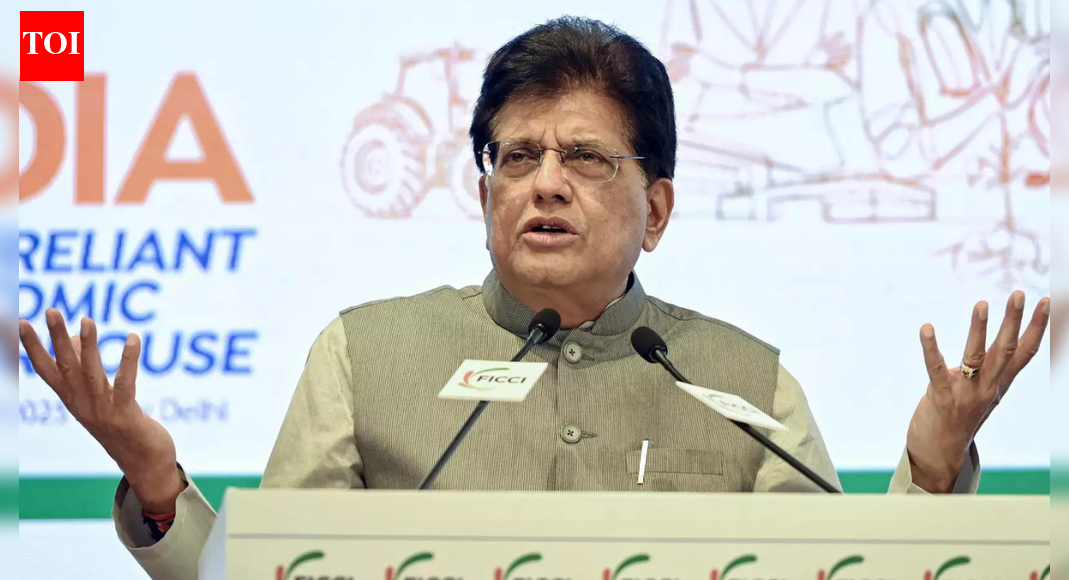
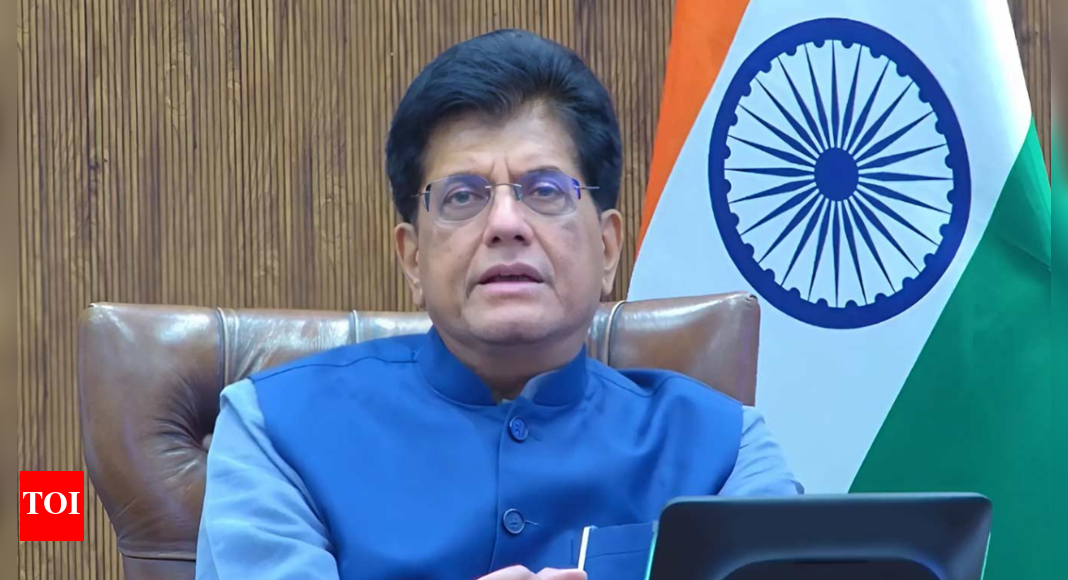
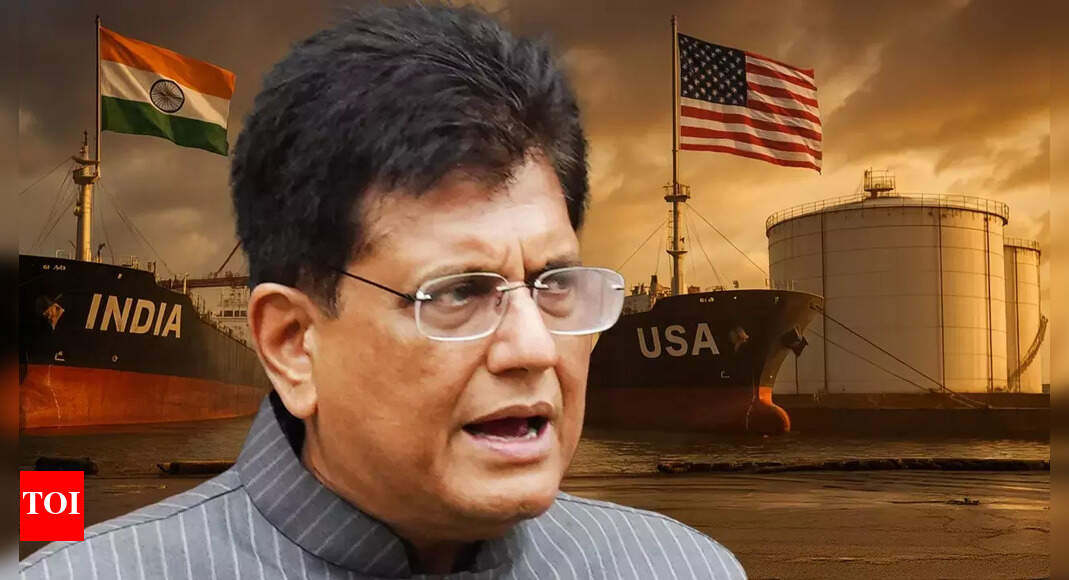
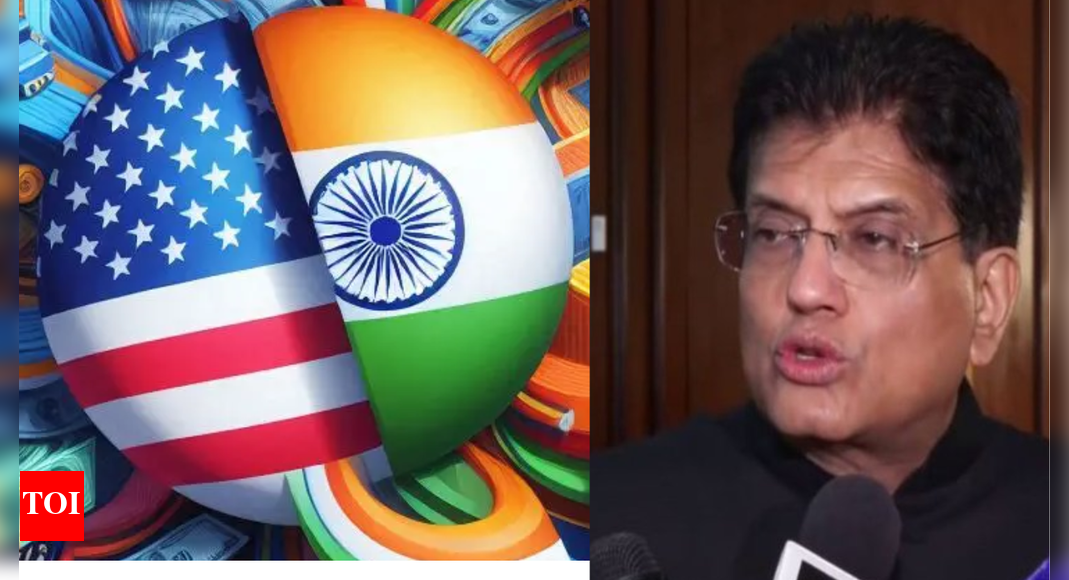
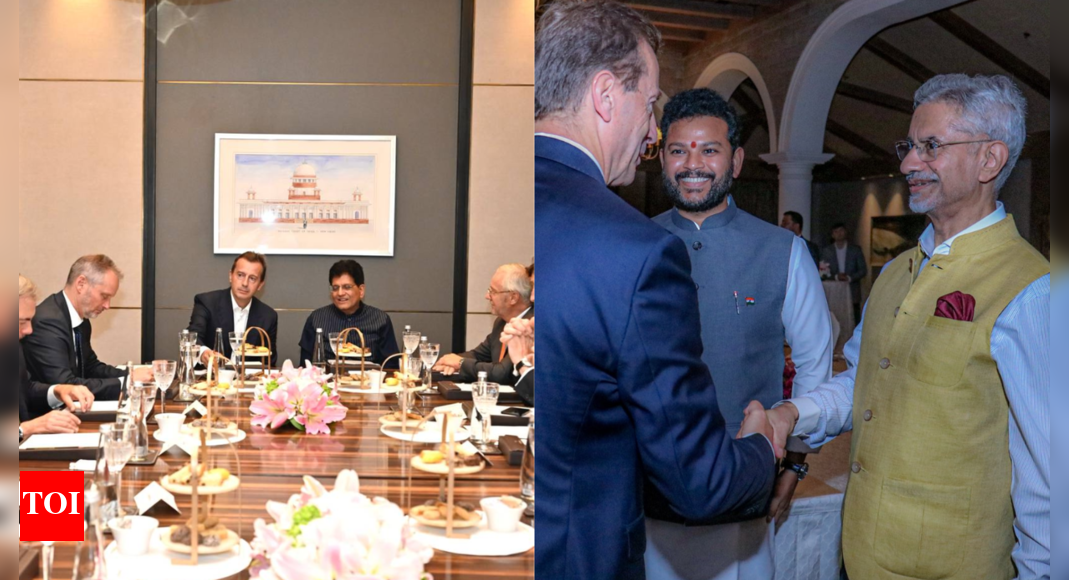
India will begin official negotiations for a Free Trade Agreement with the Russia-led Eurasian Economic Union on Wednesday, commerce and industry minister Piyush Goyal announced in New Delhi. He said the talks with the five-nation grouping — Russia, Armenia, Belarus, Kazakhstan and Kyrgyzstan — follow the signing of the Terms of Reference on 20 August 2025. “The FTA talks start from tomorrow here,” Goyal said at a press conference on Tuesday.According to news agency ANI, the Terms of Reference outline an 18-month plan aimed at expanding market access for Indian exporters, with a special focus on micro, small and medium enterprises, as well as farmers and fishermen. The initiative comes as India looks to broaden its trade horizons after facing steep tariffs from the United States.Goyal also confirmed that India is exploring several other trade arrangements. Discussions are underway with the Southern African Customs Union — the century-old grouping of South Africa, Namibia, Botswana, Lesotho and Eswatini — for a possible trade pact. India is similarly pursuing the next phase of its preferential trade agreement with Mercosur, covering Brazil, Argentina, Uruguay and Paraguay.The minister added that virtual negotiations with Israel will soon begin for an early harvest agreement. He said India is particularly interested in cooperation in areas such as agricultural technology, innovation, mobility and services. Goyal recently returned from Israel after signing the Terms of Reference for a future FTA.Speaking after the Board of Trade meeting, Goyal said India’s overall export performance remained strong despite global volatility. Preliminary figures show an improvement in merchandise trade over the same period last year, while services exports have grown significantly. “Given the challenging circumstances across the world, India continues to be a shining star,” he said.He highlighted the seafood sector as an example of how Indian exporters have adapted to shifting market conditions. According to ANI, India expanded fish and marine product shipments to Europe after concerns over missing out on a US trade arrangement. The breakthrough came when the EU cleared 102 Indian establishments following prolonged talks linking quality checks to approvals. “We were able to increase our export of fish dramatically to Europe, and therefore our seafood export has also grown in the last three months,” he said.Goyal described the Board of Trade meeting as “highly productive”, noting the optimism of industry participants and the positive response to presentations on export-promotion schemes. He praised exporters for their resilience, saying they “have the ability to face challenges”.

The government on Thursday kept petrol and high-speed diesel (HSD) prices unchanged at Rs253.17 per litre and Rs257.08 per litre respectively, for the coming fortnight, starting from January 16.
This decision was notified in a press release issued by the Petroleum Division.
Earlier, it was expected that the prices of all petroleum products would go down by up to Rs4.50 per litre (over 1pc each) today in view of variation in the international market.
Petrol is primarily used in private transport, small vehicles, rickshaws, and two-wheelers, and directly impacts the budgets of the middle and lower-middle classes.
Meanwhile, most of the transport sector runs on HSD. Its price is considered inflationary, as it is mostly used in heavy transport vehicles, trains, and agricultural engines such as trucks, buses, tractors, tube wells, and threshers, and particularly adds to the prices of vegetables and other eatables.
The government is currently charging about Rs100 per litre on petrol and about Rs97 per litre on diesel.
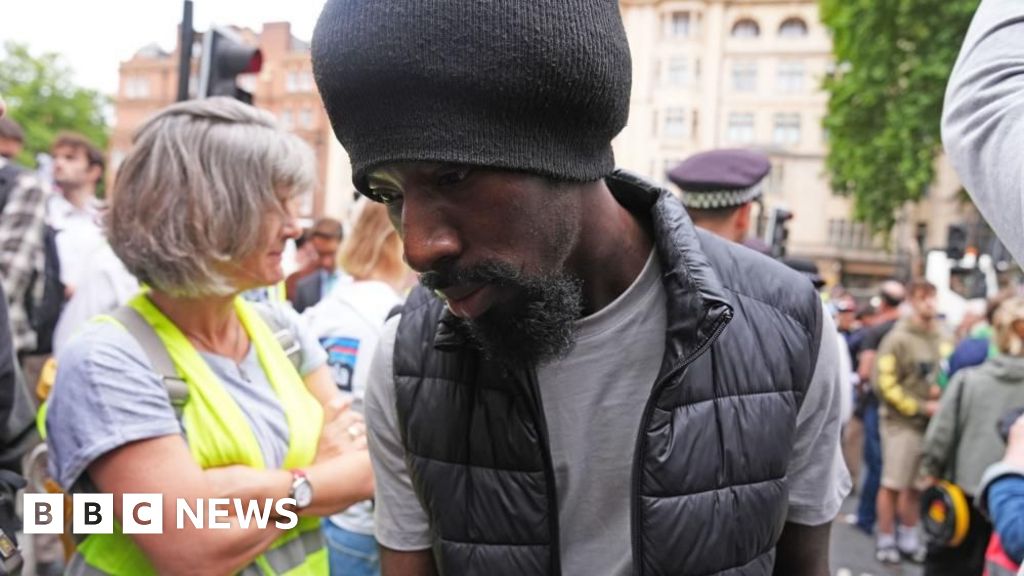
One of Britain’s most prolific rail fare dodgers could face jail after admitting dozens of travel offences.
Charles Brohiri, 29, pleaded guilty to travelling without buying a ticket a total of 112 times over a two-year period, Westminster Magistrates’ Court heard.
He could be ordered to pay more than £18,000 in unpaid fares and legal costs, the court was told.
He will be sentenced next month.
District Judge Nina Tempia warned Brohiri “could face a custodial sentence because of the number of offences he has committed”.
He pleaded guilty to 76 offences on Thursday.
It came after he was convicted in his absence of 36 charges at a previous hearing.
During Thursday’s hearing, Judge Tempia dismissed a bid by Brohiri’s lawyers to have the 36 convictions overturned.
They had argued the prosecutions were unlawful because they had not been brought by a qualified legal professional.
But Judge Tempia rejected the argument, saying there had been “no abuse of this court’s process”.
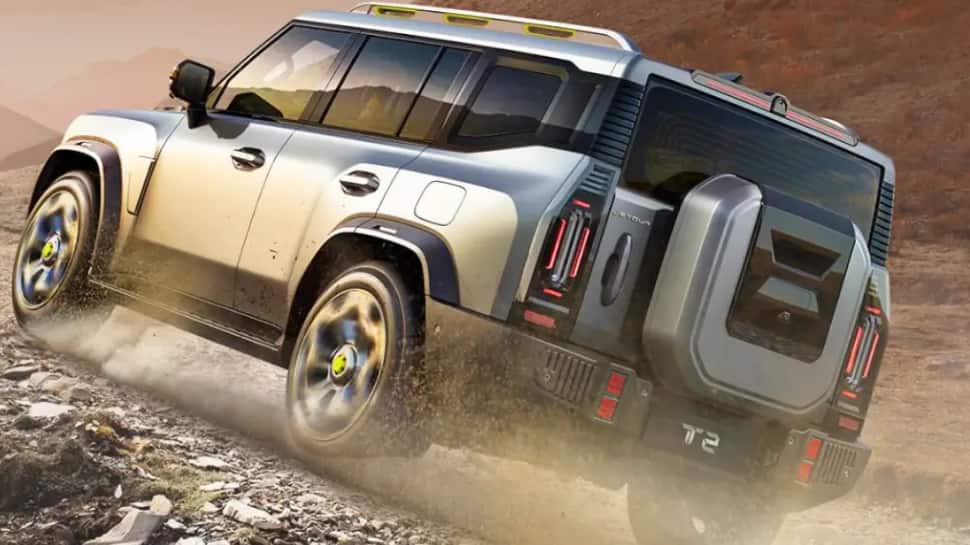
JSW Jetour T2 Launch: JSW Motors Limited, the passenger vehicle arm of the JSW Group, is reportedly preparing to enter the Indian car market this year. It has partnered with Jetour, a China-based automotive brand owned by Chery Automobile, and the Jetour T2 SUV could be the company’s first product, according to the reports.
Media reports suggest that the launch will happen independently and not under the JSW MG Motor India joint venture. The SUV will wear a JSW badge and name, instead of the Jetour branding. The upcoming SUV will be assembled at JSW’s upcoming greenfield manufacturing facility in Chhatrapati Sambhaji Nagar, Maharashtra.
According to the reports, the company plans to have the vehicle on sale by the third quarter of this year. With this move, JSW aims to establish itself as a standalone carmaker in India.
Expected Powertrain
The SUV is likely to arrive with a 1.5-litre plug-in hybrid setup. Internationally, this hybrid powertrain is offered with both front-wheel drive and all-wheel drive options. It is still unclear which version will be introduced in India.
Design
In terms of design, the T2 is a large and rugged-looking SUV. It has a boxy and upright stance, similar to vehicles like the Land Rover Defender. Despite its tough appearance, it uses a monocoque chassis instead of a ladder-frame construction.
Size
The SUV measures around 4.7 metres in length and nearly 2 metres in width. This makes it larger than the Tata Safari, even though it is a five-seater. A longer 7-seat version is also sold in some markets.
Price
Pricing details for India are yet to be announced. For reference, the front-wheel-drive five-seat T2 i-DM is priced at AED 1,44,000 (around Rs 35 lakh) in the UAE.
Jetour
Jetour is a brand owned by Chinese automaker Chery. Launched in 2018, it focuses mainly on SUVs and is present in markets across China, the Middle East, Africa, Southeast Asia and Latin America.


Xreal files patent suit against rival smart glasses maker Viture

Princess Kate crowned England’s Great with fiery Lioness spirit

Soshiotsuki wows with international debut at Pitti Uomo 109

-
 Politics1 week ago
UK says provided assistance in US-led tanker seizure
-
 Entertainment1 week ago
Does new US food pyramid put too much steak on your plate?
-

 Entertainment1 week ago
Why did Nick Reiner’s lawyer Alan Jackson withdraw from case?
-
 Business1 week ago
Trump moves to ban home purchases by institutional investors
-
 Sports1 week ago
PGA of America CEO steps down after one year to take care of mother and mother-in-law
-
 Sports5 days ago
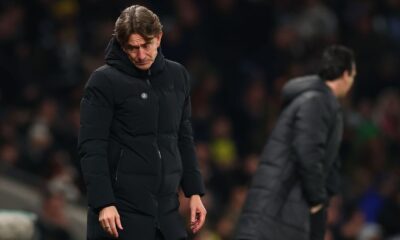
Clock is ticking for Frank at Spurs, with dwindling evidence he deserves extra time
-
 Business1 week ago
Bulls dominate as KSE-100 breaks past 186,000 mark – SUCH TV
-
Sports6 days ago
Commanders go young, promote David Blough to be offensive coordinator