

Business
India Ranks Second In Global Consumer Confidence In January 2026: LSEG–Ipsos

Last Updated:
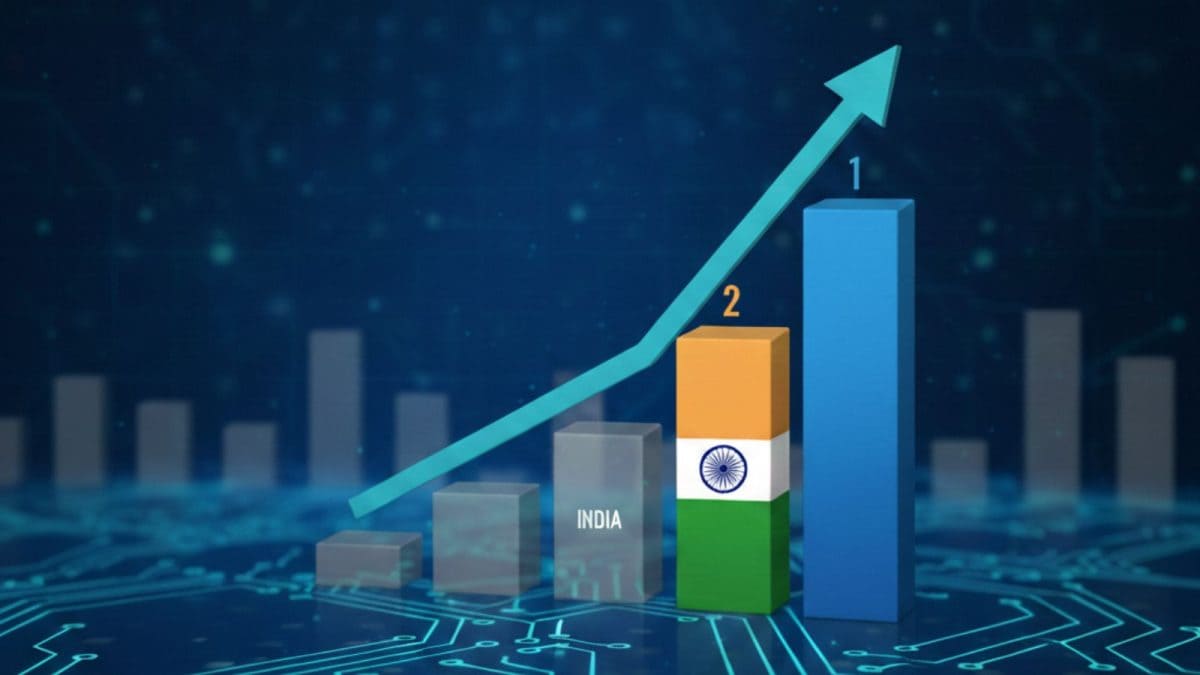
India ranked second globally in consumer sentiment for January 2026, with the LSEG–Ipsos PCSI at 60.7, driven by optimism in economy and jobs. Indonesia led the index at 62.6.



Among the 30 countries surveyed, Indonesia topped the National Index with a score of 62.6, followed by India at 60.7. These were the only two markets to cross the 60-point mark in January.
Consumer sentiment in India improved in January 2026, with the national index rising by 1.4 percentage points to 60.7, placing the country second among 30 global markets, according to the LSEG–Ipsos Primary Consumer Sentiment Index (PCSI).
The survey, published monthly by Ipsos, tracks consumer confidence across individual markets and as a global average through the Global Consumer Confidence Index (GCCI).
Economic and job outlook turns upbeat
The improvement in India’s overall score was led by a sharp rise in expectations around the economy and employment. The PCSI Economic Expectations Sub-Index jumped 6.6 points, while the Employment Sub-Index increased by 6.3 points, indicating growing optimism about future economic activity and job opportunities.
However, sentiment was mixed across other indicators. The Current Personal Financial Conditions Sub-Index slipped marginally by 0.6 points, while the Investment Climate Sub-Index declined by 2.0 points, suggesting some caution around household finances and investment decisions.
Commenting on the data, Suresh Ramalingam, CEO, Ipsos India, said the rise in sentiment reflects confidence in India’s economic fundamentals, supported by strong domestic demand, improving employment prospects and a positive growth outlook.
Global confidence improves modestly
Globally, the GCCI rose by 0.5 points to 49.9 in January. After remaining largely flat through much of 2025, the index has now increased for the third consecutive month and stands 1.3 points higher than a year ago, pointing to a gradual improvement in global consumer mood at the start of 2026.
In Europe, consumer sentiment remained stable, with Belgium and Poland recording notable gains. The Asia-Pacific region showed mixed trends, with Australia seeing a strong rise, while Singapore and South Korea reported declines.
Indonesia tops rankings
Among the 30 countries surveyed, Indonesia topped the National Index with a score of 62.6, followed by India at 60.7. These were the only two markets to cross the 60-point mark in January.
The survey was conducted among more than 21,000 adults under the age of 75 across 30 countries between December 24, 2025, and January 9, 2026, using Ipsos’ Global Advisor online platform.
 Click here to add News18 as your preferred news source on Google.
January 29, 2026, 20:31 IST
Read More

Two ads promoting British beef and milk have been banned after television presenter and environmental campaigner Chris Packham complained that they misled consumers about the products’ carbon footprints.
Both ads for the Agriculture and Horticulture Development Board’s (AHDB) Let’s Eat Balanced campaign used the carbon footprint of British beef and milk to promote the products, firstly stating: “British beef not only tastes great, but has a carbon footprint that’s half the global average*.”
The asterisk linked to text that stated: “Full lifecycle emissions of CO2 eq (carbon dioxide equivalent) per kg of beef.”
The ad for milk stated: “British milk not only tastes good, but is also produced to world-class standards, and has a carbon footprint a third lower than the global average.”
Packham complained to the Advertising Standards Authority (ASA) that the ads, and specifically the carbon footprint claims, were misleading as they did not reflect the full environmental impact of British meat and dairy.
The AHDB said the ads’ mention of carbon emissions would be understood in relation to the environmental impact of beef and milk that occurred between the “cradle-to-retail” stages.
But the ASA said the average consumer “being reasonably well-informed, observant and circumspect” would understand the claims to apply beyond the retail stage and include actions such as cooking and wastage.
The ASA said: “While we acknowledged the potential difficulties in producing post-retail emissions data, the claims in the ads suggested those emissions were included and we therefore expected the evidence provided to also include them.
“We therefore concluded that the evidence presented was insufficient to support the full life-cycle claims in the ads, which was how the average consumer was likely to interpret them.
“We reminded AHDB that environmental claims should be based on the full life cycle unless the ad stated otherwise.”
AHDB’s director of communications and market development, Will Jackson, said: “Let’s Eat Balanced is doing what it was designed to do, providing clear, factual, evidence-led information about British food, nutrition and farming standards.
“Since the investigation began, we have conducted independent consumer research which found that the majority of respondents interpreted these adverts as relating to the production phase only, from farm to retail.
“This research provides important insight into consumer understanding and supports our belief that consumers were not misled by the information we shared in these two specific adverts.”
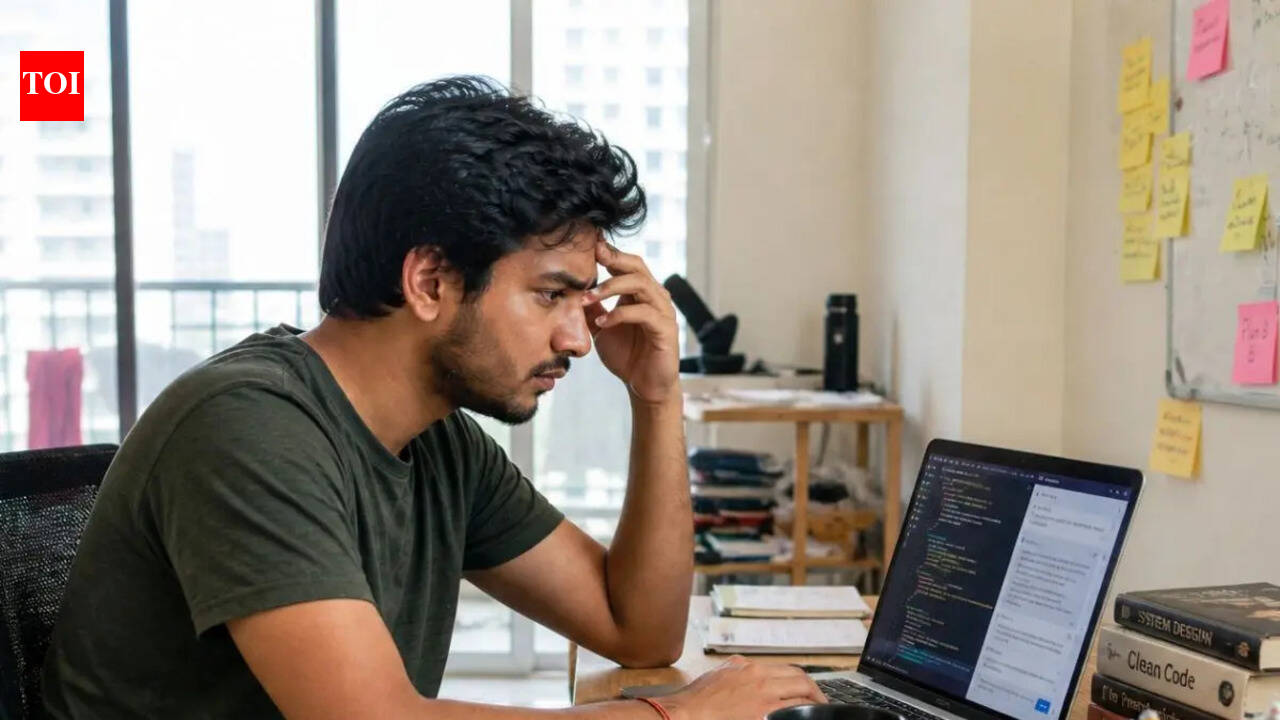
BENGALURU: India’s Gen Z workforce is embracing what experts describe as “portfolio careers” – balancing multiple professional identities and income streams simultaneously. New research from LinkedIn shows that 75% of Gen Z entrepreneurs in India now manage multiple income streams, significantly higher than the 62% among Gen X entrepreneurs. The findings point to a growing preference among younger professionals for flexibility, autonomy and diversified sources of income. “We’re also seeing the rise of the ‘portfolio era’, with more professionals creating multiple income streams and redefining what a career can look like. This shift is making entrepreneurship more accessible than ever before,” said LinkedIn India country manager Kumaresh Pattabiraman.Rather than depending on a single full-time role, many professionals are simultaneously building businesses, freelancing, consulting, creating online content and monetising specialised skills through digital platforms. The trend comes amid a broader rise in entrepreneurial activity in India. LinkedIn recorded a 104% year-on-year increase in members adding “Founder” to their profiles – the highest growth among all global markets.AI is also emerging as a major enabler of this shift. The report found that 85% of Gen Z entrepreneurs consider AI and digital tools important to their business operations.

Sam Altman said Elon Musk tried many times for total control of OpenAI, which he’s now suing.
Source link


India’s apparel sourcing window reopens—for now

Will LeBron James retire after current season?

South Korea reviews phased support for Strait of Hormuz security efforts

-

 Tech1 week ago
DHS Demanded Google Surrender Data on Canadian’s Activity, Location Over Anti-ICE Posts
-
 Business1 week ago
Heineken plans huge investment in hundreds of UK pubs ahead of World Cup
-

 Tech5 days ago
A new frontier: Identity stack evolves for agentic systems | Computer Weekly
-

 Tech4 days ago
‘Orbs,’ ‘Saucers,’ and ‘Flashes’ on the Moon: Pentagon Drops New UFO Files
-
 Business1 week ago
India among most resilient large EMs, better placed for future global shocks; policy reforms & strong buffers help: Moody’s – The Times of India
-

 Fashion5 days ago
New orders in German manufacturing up 5% MoM in Mar 2026: Destatis
-

 Sports5 days ago
Shaheen Afridi achieves landmark feat during opening Test against Bangladesh
-

 Tech5 days ago
What Microsoft Executives Really Thought About OpenAI in 2018