

Business
India-US trade deal: ‘Talks are happening at different levels’, says official; Piyush Goyal-led team expected to return this week – The Times of India


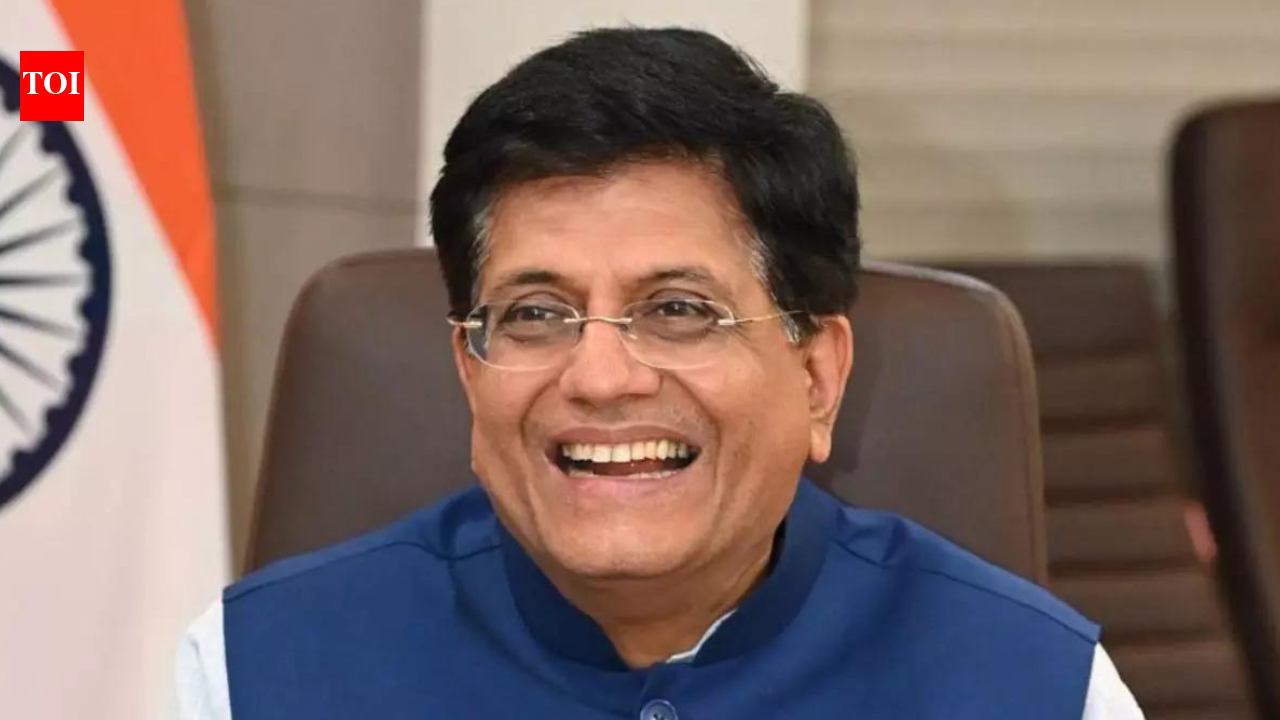
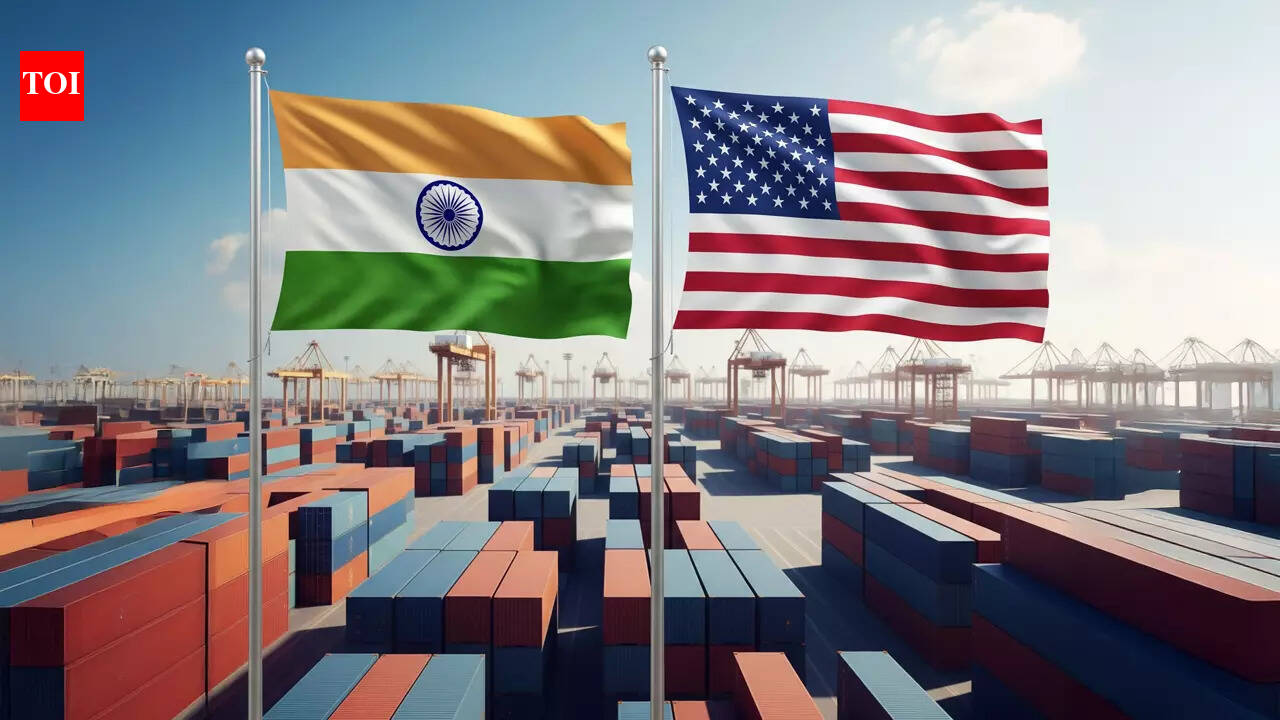
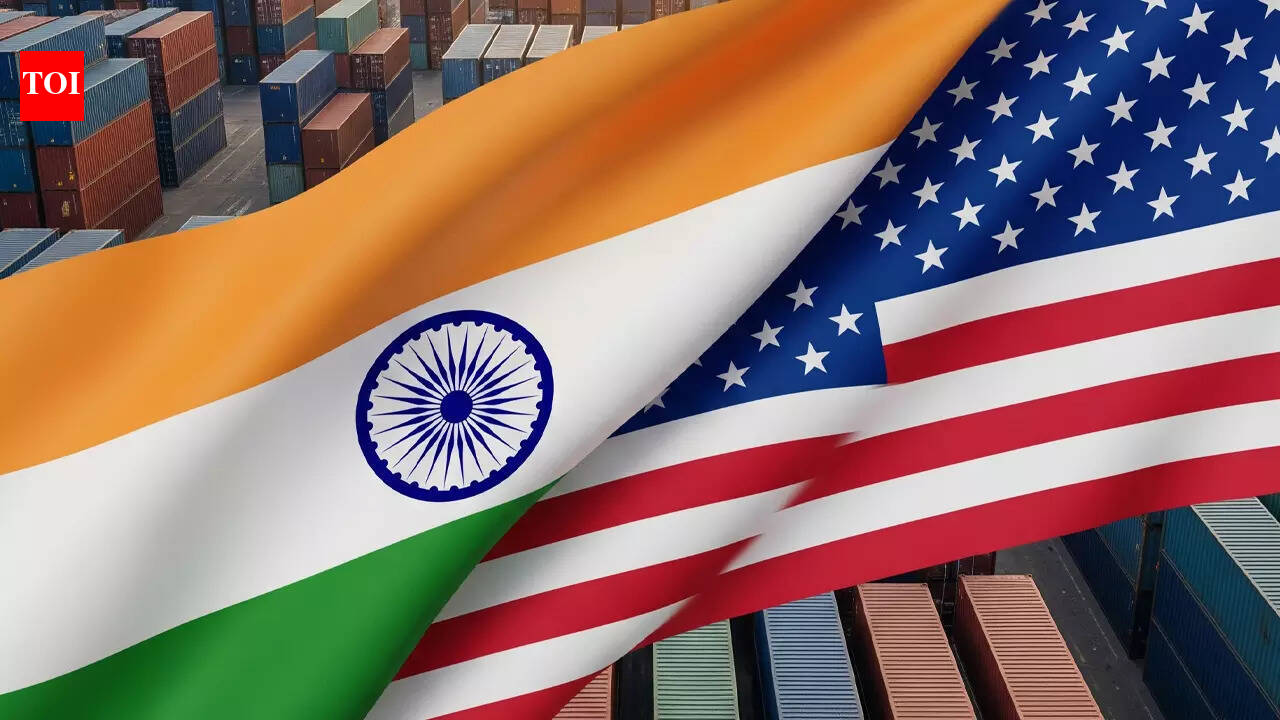
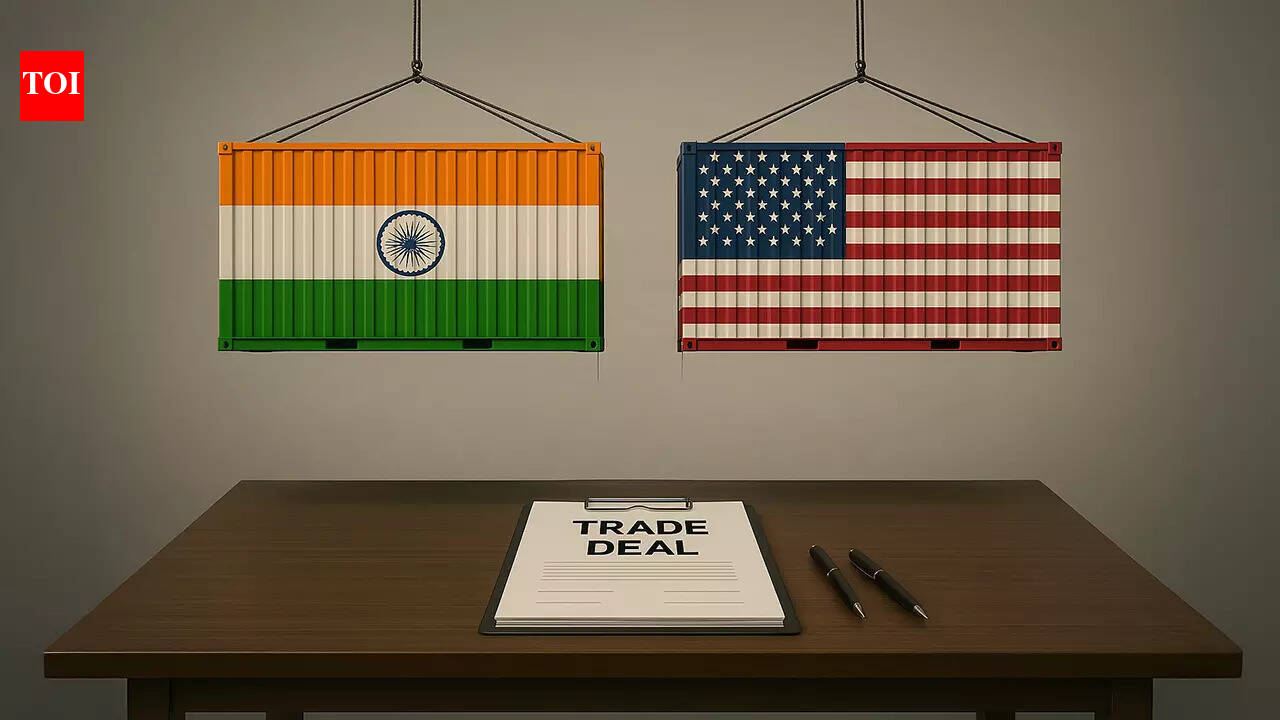
India-US trade deal: At a time when Commerce minister Piyush Goyal is in America, an official has said that the trade deal talks between India and US are happening at various levels.“Talks are happening at different levels,” an official told PTI. The official indicated that the ministerial delegation is scheduled to return later this week. Multiple discussions between India and the US are ongoing, addressing both trade and non-trade matters, according to the official.Currently in the US for trade discussions, Piyush Goyal is joined by high-ranking ministry officials, including special secretary and chief negotiator Rajesh Agrawal. During his visit, Goyal has engaged in consultations with his American counterpart.This visit follows recent discussions in New Delhi between US Chief Negotiator Brendan Lynch and Agrawal regarding the proposed bilateral trade agreement.On September 16, the commerce ministry announced that the single-day discussions with the visiting US delegation about a bilateral trade deal were constructive, with both countries agreeing to work towards a swift and advantageous conclusion of the agreement.Senior US trade officials visited India for the first time following the implementation of a combined 50% tariffs on Indian goods in the American market, partly due to India’s procurement of Russian crude oil.Officials from both nations began negotiations for a proposed Bilateral Trade Agreement (BTA) in February this year, following directives from their respective leaders.The initial phase of the agreement was scheduled for completion in autumn (October-November) of 2025, with five rounds of discussions already completed. The agreement aims to increase bilateral trade from $191 billion to $500 billion by 2030.Earlier in May, Goyal travelled to Washington for trade discussions and held meetings with US Commerce Secretary Howard Lutnick.In 2024-25, the US maintained its position as India’s primary trading partner for the fourth successive year, with bilateral trade reaching $131.84 billion (USD 86.5 billion exports).The US represents approximately 18 per cent of India’s total goods exports, 6.22 per cent of imports, and 10.73 per cent of the country’s overall merchandise trade.


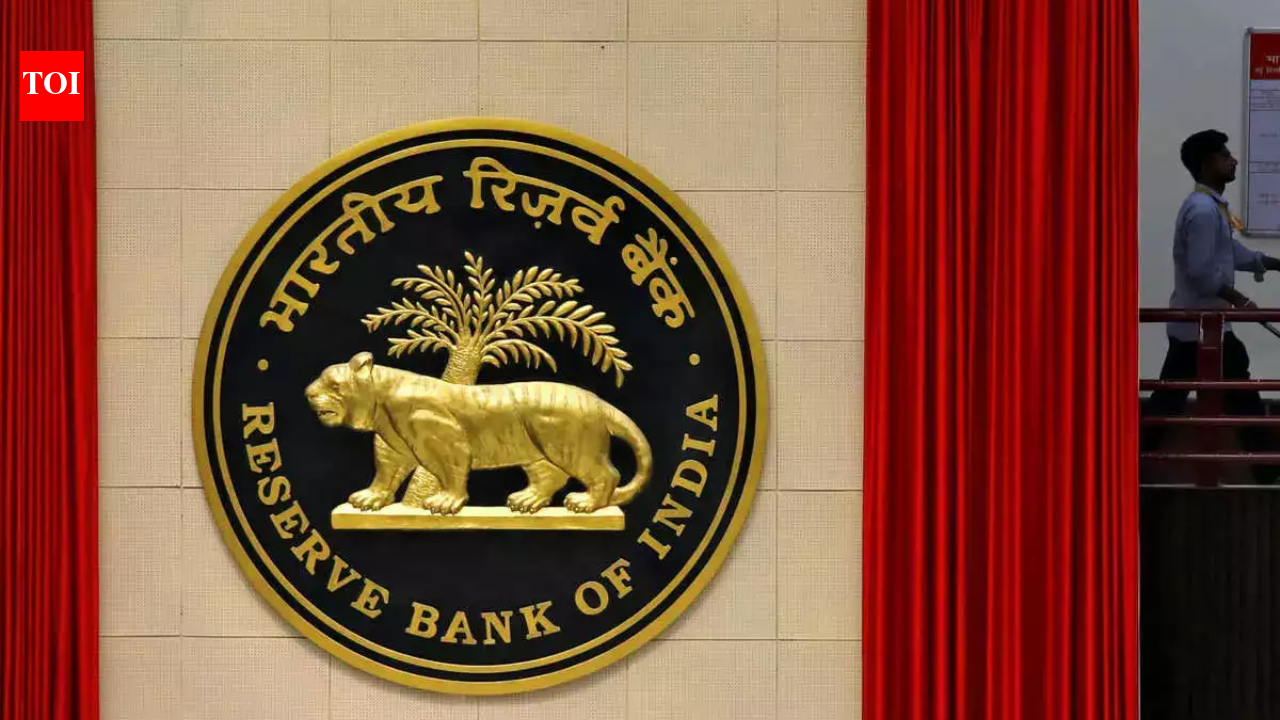
The Reserve Bank of India (RBI) on Monday decided against activating the countercyclical capital buffer (CCyB), indicating that current financial and credit conditions do not warrant an additional capital requirement for banks, PTI reported.The central bank said the decision followed a review and empirical assessment of indicators used under the CCyB framework.“Based on review and empirical analysis of CCyB indicators, it has been decided that it is not necessary to activate CCyB at this point in time,” RBI said in a statement.Under the RBI (Commercial Banks – Prudential Norms on Capital Adequacy) Directions, 2025, the CCyB framework is activated when financial conditions indicate rising systemic risks linked to excessive credit growth.The framework primarily relies on the credit-to-GDP gap as a key indicator, along with supplementary metrics.According to the RBI, the CCyB mechanism is intended to serve two broad objectives.Firstly, it requires a bank to build up a buffer of capital in good times, which may be used to maintain the flow of credit to the real sector in difficult times.Secondly, it achieves the broader macro-prudential goal of restricting the banking sector from indiscriminate lending in the periods of excess credit growth that have often been associated with the building up of system-wide risk.The framework was introduced globally after the 2008 financial crisis as part of measures proposed by the Group of Central Bank Governors and Heads of Supervision (GHOS) under the Basel framework to strengthen financial system resilience.
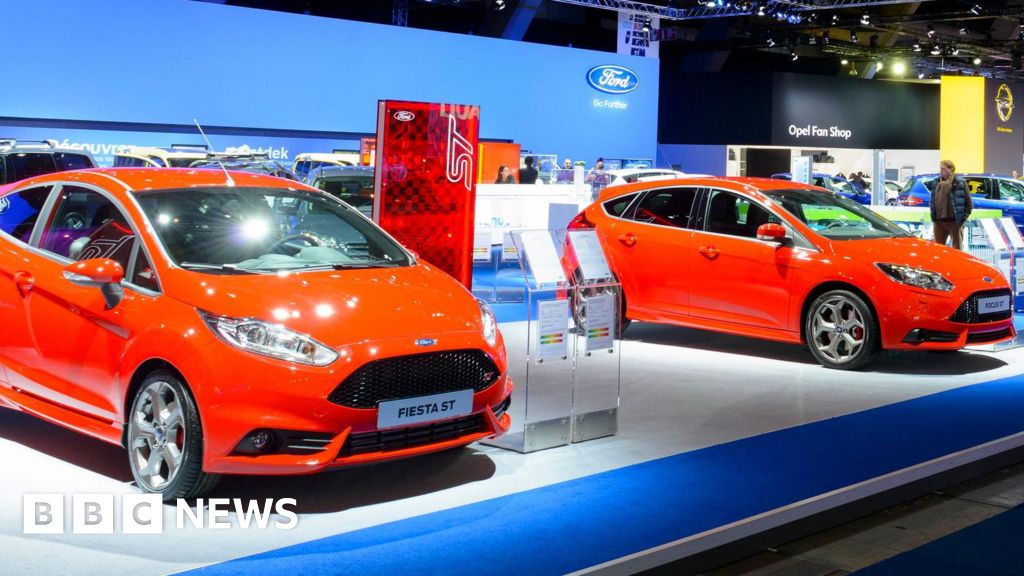
The company has announced plans to build seven new models in Europe including a small electric hatchback.
Source link

“Today’s policymaking is constrained by a more volatile external environment with more frequent and overlapping shocks, a rising public interest bill, in part reflecting market concerns with countries’ elevated debt, and the long-standing challenge of weak productivity growth,” he said.


Turkiye’s current account deficit expected to widen in 2026: Minister

UK’s clothing imports fall 3% in Q1, sharply lower than Q4 2025
RBI sees no signs of excess credit risk, keeps countercyclical capital buffer inactive

-

 Entertainment6 days ago
Conan O’Brien hat tricks as Oscar host
-

 Tech1 week ago
Could Contact-Tracing Apps Help With the Hantavirus? Not Really
-

 Fashion5 days ago
Italy’s Zegna Group’s Q1 growth boosted by strong organic performance
-

 Sports1 week ago
Bobby Cox, legendary Atlanta Braves manager who led 1995 World Series champions, dead at 84
-

 Entertainment1 week ago
Martin Short: Facing tragedy with joy
-

 Entertainment1 week ago
Tom Brady gets back at Kevin Hart during Netflix roast
-

 Sports1 week ago
Jacob Fatu unleashes vicious assault on Roman Reigns after World Heavyweight Championship loss at WWE Backlash
-

 Entertainment1 week ago
Martha Stewart: How to make an omelet