

Business
Indias Annual Corporate Tax Collection Jumps Over 200% In 4 Years

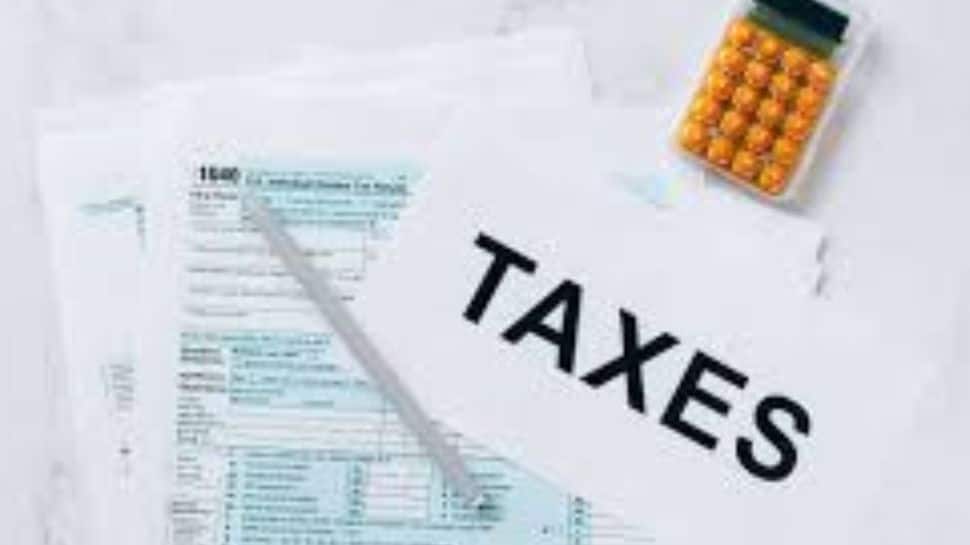
New Delhi: India’s corporate tax collection has more than doubled from Rs 4,57,719 crore in 2020-21 to Rs 9,86,767 crore in 2024-25, the Parliament was informed on Tuesday.
Minister of State for Finance Pankaj Choudhary told in the Rajya Sabha, aid in a written reply to a question, that the RBI, in the article “Resilience and Revival: India’s Private Corporate Sector” in its monthly bulletin for October 2025, has stated that during Covid, despite contraction in sales, decline in raw material cost due to softening of commodity prices, subdued wage growth, along with the favorable base effect, net profit at aggregate level rose sharply by 115.6 per cent.
Consequently, net profit margin surpassed its pre-Covid level. During post-Covid period, with a sharp rebound in sales growth led by pent-up demand, corporates’ profit increased significantly from Rs. 2.5 lakh crore in 2020-21 to Rs. 7.1 lakh crore during 2024-25.
The corresponding increase in corporate taxes between FY 2020-21 to FY 2024-25 is more than 200 per cent despite a reduction in corporate rates, the minister stated.
Chaudhary said that corporate tax rates have been gradually reduced over the years since 2016 to promote growth, boost investment and create more job opportunities. At the same time, exemptions and incentives available to the corporates have also been phased out to simplify the tax system.
The Finance Act, 2016, reduced corporate tax rates to 29 per cent of the total income. Then, under the Finance Act, 2017, the corporate tax rates were reduced to 25 per cent of the total income to inter alia make smaller domestic companies having an annual turnover of Rs 50 crore more viable and to encourage firms to migrate to the company format. Similarly, in 2019, corporate tax rates were reduced to 22 per cent.
Vide the Finance Act, 2024, tax rates have been reduced from 40 per cent to 35 per cent on the income of foreign companies (other than that chargeable at special rates) to promote investment and employment.
The minister highlighted that the tax base over the years has increased, which can be attributed to several legislative, administrative and enforcement measures taken by the government to improve voluntary compliance and widen the tax net.
These include NUDGE (Non-intrusive usage of data to guide and enable) taxpayer campaigns to improve the compliance ecosystem and to assist taxpayers in reviewing their ITRs and correcting mistakes, if any, by filing revised ITRs.
Expansion of the scope of provisions of TDS and TCS to cover more types of financial transactions, expansion and strengthening of third-party financial transaction reporting to obtain a wider range of data to identify tax evasion or under-reporting of income were other measures taken in this regard.
Besides, the implementation of the non-filers monitoring system (NMS) to identify potential taxpayers on the basis of third-party data and mandatory quoting of PAN and linking of PAN and Aadhaar helped to expand the tax base.
Action was also initiated against the generation and use of black money both inside and outside the country through legislations such as the Black Money (Undisclosed Foreign Income and Assets) and Imposition of Tax Act, 2015 and the Benami Transactions (Prohibition) Amendment Act, 2016.
Apart from this promotion of voluntary compliance through a high level of taxpayer service, expeditious resolution of grievances, ease of paying taxes and filing returns, promotion of digital transactions was also undertaken to enhance tax collections, the minister added.
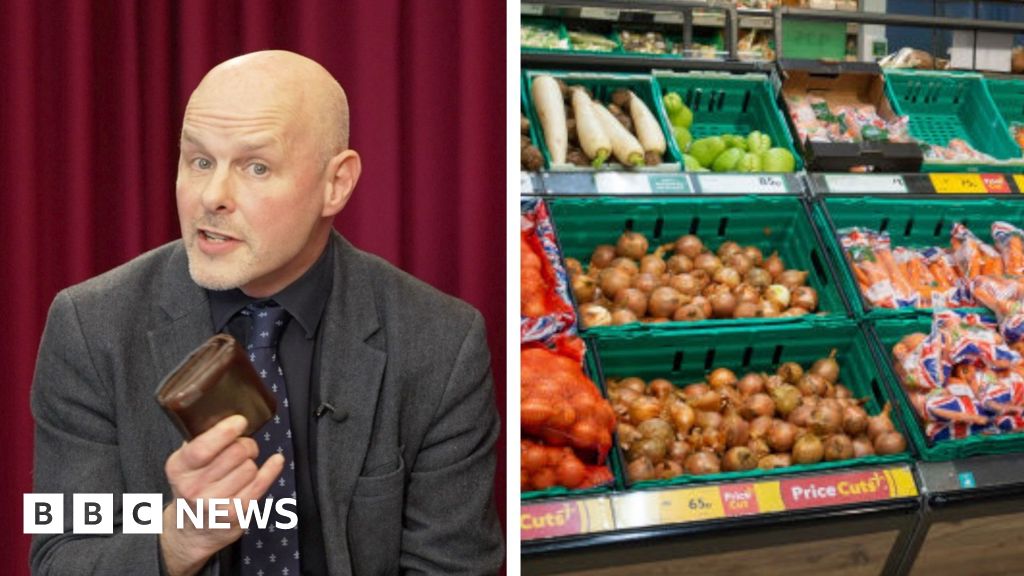
From fuel to mortgages, the BBC looks at how oil and gas prices could push up the cost of living.
Source link
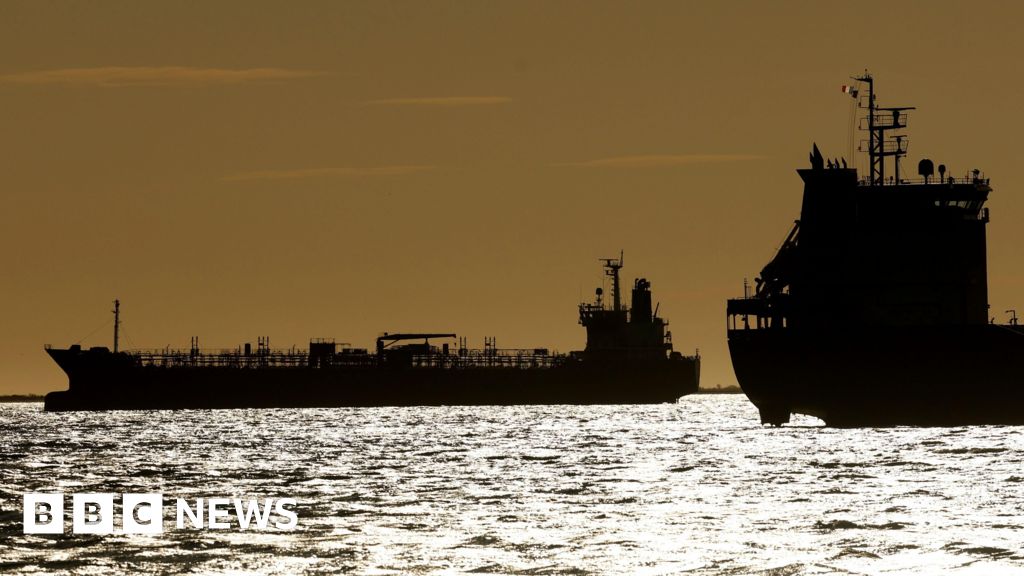
“To put it mildly, this is bananas,” said David Tannenbaum, director of Blackstone Compliance Services, a consultancy specialising in maritime sanctions. “Essentially we’re allowing Iran to sell oil, which could then be used to fund the war effort.”
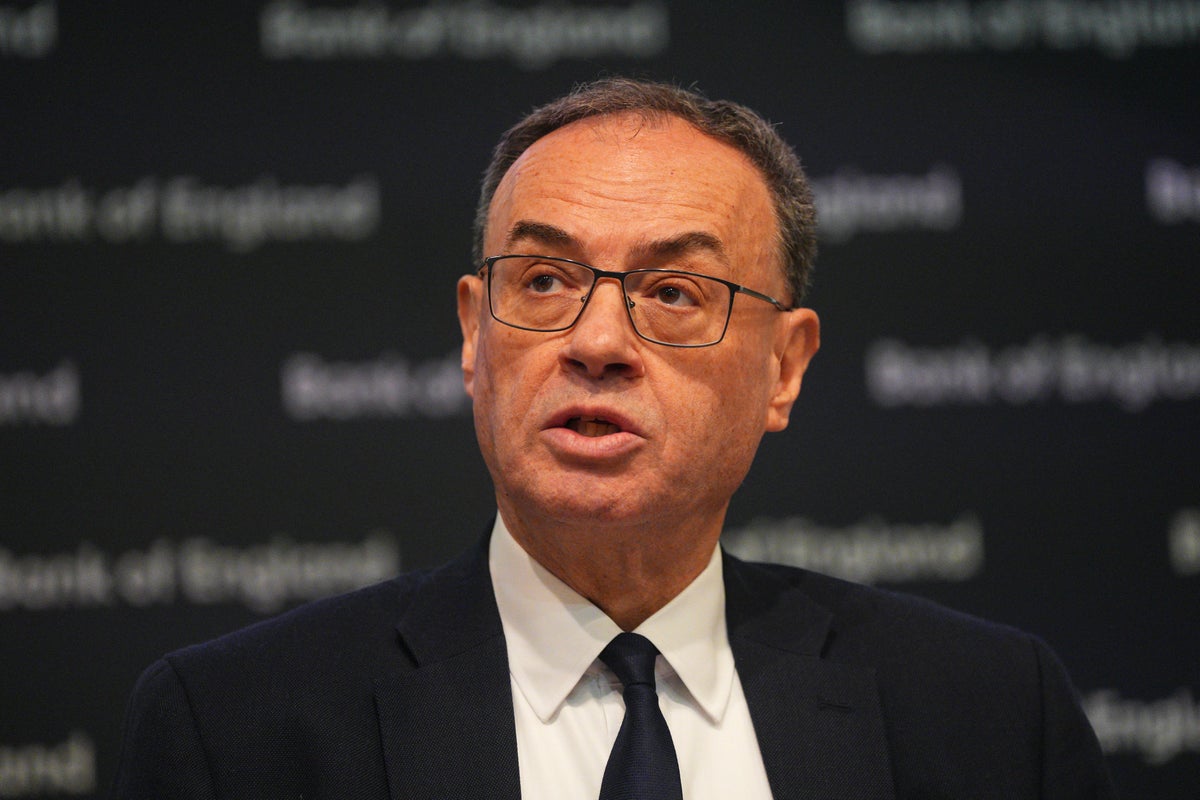
Reopening the Strait of Hormuz is “the best thing to do” to prevent interest rates rising, Bank of England governor Andrew Bailey has said.
In an interview on Thursday evening after the Bank’s Monetary Policy Committee (MPC) voted unanimously to leave the rate unchanged at 3.75%, Mr Bailey said any further cuts are “not on the horizon” as he hinted at possible hikes.
It is the first time that all members have voted the same way since September 2021.
Iran effectively closed the vital oil and gas shipping route after the US and Israel attacked the country, which has pushed up global prices.
Mr Bailey said the war in the Middle East is hitting petrol pumps now, will likely increase household energy costs in summer, and put pressure on food prices.
He told LBC’s Andrew Marr: “The duration of this problem is crucial.
“I would also say very clearly that the best way to solve this situation is not through monetary policy. It is through sorting out at the source of what’s going on.
“Frankly, reopening the Strait of Hormuz is the best thing to do. Get the energy market back on its normal footing, as it were.”
Asked if he has a message for US President Donald Trump, Israeli Prime Minister Benjamin Netanyahu, and “whoever’s in charge in Tehran”, Mr Bailey said: “The best thing we can do actually for the world economy… is to sort out the problem in terms of reopening the energy supply lines, because that is in the best interest of people in the world.”
UK military planners have joined the US Central Command to help formulate proposals for opening the Strait.
The MPC now expects Consumer Prices Index inflation to be around 3% in the second quarter of 2026, up from the 2.1% that had been forecast in February, with a potential rise in inflation up to 3.5% in the third quarter.
Mr Bailey was asked if he foresees, in the final two years of his term, the ambition to reduce inflation to at or below 2% being fulfilled.
He told the programme: “If you’d asked me this question three weeks ago, I was very optimistic on this.”
The governor added: “We are fully committed to the inflation target, and our job, frankly, is to deal with the shocks as they come along.
“I have to do that. I don’t wish them. I wish they were not happening, but they are and we will have to deal with them.”
He said the impact of the war will likely feed through into a higher Ofgem energy price cap from July.
It was put to Mr Bailey that the Middle East crisis comes at a time when the UK economy has already “not been growing strongly”.
He responded: “It is a very difficult time to have this happen, but frankly, any time would be pretty difficult to have this happen.
“This is a major shock to energy prices, and we have to deal with it.”
He said the “sustainable rate of growth” in the UK needs to be raised which could come from investment from pensions and artificial intelligence.
“I’m not starry-eyed about it, but it is probably the most likely area that we’re going to raise the growth rate of the economy and that’s important”, he said of AI.
The MPC signalled that if the conflict persists and has a bigger impact on UK prices, it would need to take a “more restrictive policy stance”, which indicates higher interest rates to control inflation.
The governor added: “The longer it goes on… I’m afraid to say, but it is rather an obvious point, the effect will be larger.”
He said that is why it is “imperative” that “everything is done that can be done to alleviate this effect”, adding: “That is the critical thing.”


TCU backs up its tough talk, bounces Buckeyes in 1st round

“The Bachelorette” season with Taylor Frankie Paul canceled after 2023 video surfaces, ABC says

‘Uncanny Valley’: Nvidia’s ‘Super Bowl of AI,’ Tesla Disappoints, and Meta’s VR Metaverse ‘Shutdown’

Stock market crash today (March 12, 2026): Nifty50 opens below 23,600; BSE Sensex down over 900 points on continuing US-Iran war – The Times of India

UK’s Topshop unveils Tolu Coker capsule collection
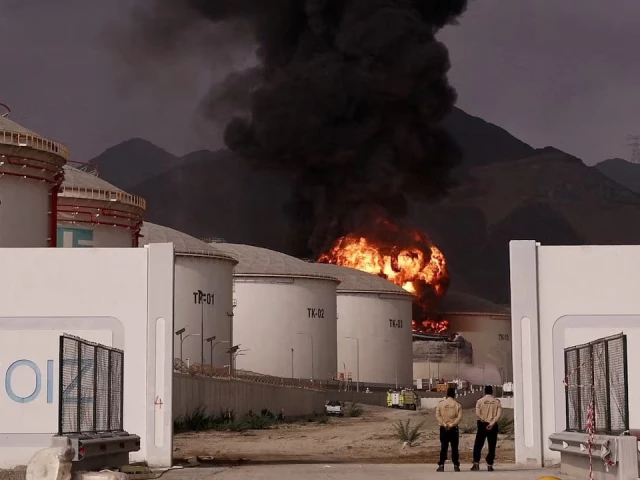
US ignites Iran war, but Gulf Arab states pay the price | The Express Tribune

-
Business1 week ago
Stock market crash today (March 12, 2026): Nifty50 opens below 23,600; BSE Sensex down over 900 points on continuing US-Iran war – The Times of India
-
 Fashion1 week ago
UK’s Topshop unveils Tolu Coker capsule collection
-
Business1 week ago
US ignites Iran war, but Gulf Arab states pay the price | The Express Tribune
-

 Fashion1 week ago
India’s textile recycling market may reach $3.5 bn by 2030: Report
-
 Tech1 week ago
Meta Developed 4 New Chips to Power Its AI and Recommendation Systems
-
 Business1 week ago
8th Pay Commission: How Much Will Central Govt Employees’ Salaries Rise? What We Know So Far
-

 Sports1 week ago
Bangladesh crush Pakistan in ODI series opener | The Express Tribune
-

 Entertainment1 week ago
Ed Sheeran makes surprising Benny Blanco confession after hygiene uproar