

Fashion
India’s RPSG Ventures to acquire 40% stake in Falguni Shane Peacock

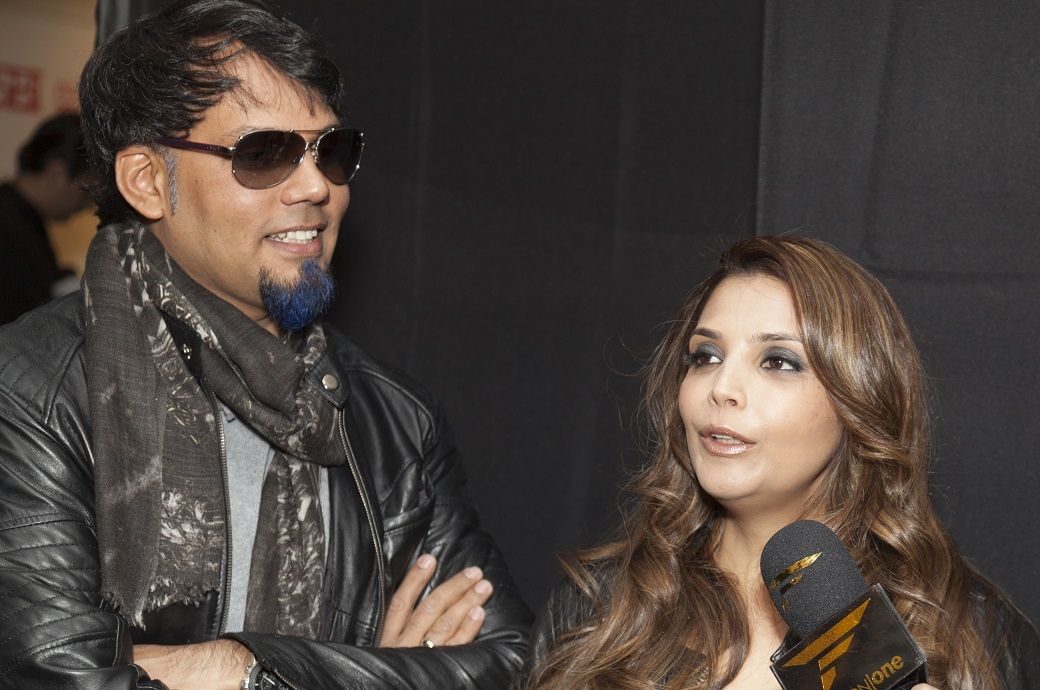
RPSG Ventures Limited has entered the luxury couture market by acquiring a 40 per cent stake in FSP Design Private Limited, a brand established by designers Falguni Shane Peacock and Shane Jude Peacock.
RPSG Ventures is entering the luxury couture market with a 40 per cent stake in FSP Design Private Limited, valued at ₹455.17 crore (~$51.39 million).
The investment, paid in cash, follows signed agreements and will be completed within 24 hours.
The firm may acquire an additional 10 per cent within 18–24 months.
The deal broadens RPSG’s luxury portfolio.
The company’s board approved the move at its meeting on November 18, 2025, with the transaction structured at an enterprise value of ₹455.17 crore (~$51.39 million), subject to closing price and true-up adjustments as per the share subscription and purchase agreement (SSPA).
The investment will be made entirely in cash, and the transaction documents, including the shareholders’ agreement (SHA), were executed on November 18. Within 24 hours of execution, RPSG Ventures will complete the acquisition of the initial 40 per cent equity in FSP Design, the company said in a BSE listing.
The company will also retain the right to acquire an additional 10 per cent stake within 18 to 24 months from completion of the first tranche, as stipulated in the agreements.
With this investment, RPSG Ventures expands its portfolio into the luxury segment, marking a significant strategic milestone. The company stated that the deal aligns with its broader vision to build a diverse portfolio in the luxury fashion and lifestyle space.
Fibre2Fashion News Desk (HU)












The Delhi cotton yarn market remained stable, though demand from downstream industries was weak at elevated price levels. Garment demand in both domestic and export markets also remained sluggish. A trader from Delhi market told Fibre*Fashion, “Spinning mills are selling cotton yarn at an additional margin of at least ** per cent. They have a cushion of advance orders from other countries. Mills have export orders for the next *–* months, so they do not need to sell in the domestic market. They are selling cotton yarn domestically at higher prices than export realisations.”
In Delhi, ** count combed knitting yarn was traded at ****;***–*** (~$*.**–*.**) per kg (GST extra), while ** count combed yarn was priced at ****;***–*** (~$*.**–*.**) per kg. Meanwhile, ** count carded yarn was traded at ****;***–*** (~$*.**–*.**) per kg and ** count carded at ****;***–*** (~$*.**–*.**) per kg, according to market sources.

Bangladesh Foreign Minister Khalilur Rahman and EU High Representative and Vice President Kaja Kallas witnessed the initialling. Rahman was accompanied by Prime Minister’s Foreign Affairs Adviser Humayun Kabir.
Bangladesh and the EU have initialled a Partnership and Cooperation Agreement in Brussels.
Dhaka termed it a forward-looking framework to elevate cooperation across political, economic, development and security domains.
Foreign Minister Khalilur Rahman highlighted predictable market access as a priority and expressed Bangladesh’s interest in advancing talks on an FTA and an investment protection pact.
The PCA is a forward-looking framework to elevate cooperation across political, economic, development and security domains, the Bangladesh Foreign Ministry said in a release.
Both sides reaffirmed their commitment to strengthening the longstanding partnership and expanding collaboration on regional and global issues.
They underscored the need to deepen cooperation in trade and investment, migration and mobility, regional collaboration and humanitarian affairs.
Rahman highlighted predictable market access as a priority and expressed Bangladesh’s interest in advancing negotiations on a free trade agreement and an investment protection agreement, according to a domestic news agency.
Rahman also met Belgium’s Deputy Prime Minister and Foreign Minister Maxime Prevot, and both explored opportunities in trade, investment, connectivity, innovation and multilateral cooperation.
They agreed to hold the third Bangladesh-Belgium consultations in Brussels later this year.
Rahman welcomed more engagement by Belgian businesses in logistics, port management, biotechnology, pharmaceuticals, technology and water management.
Fibre2Fashion News Desk (DS)
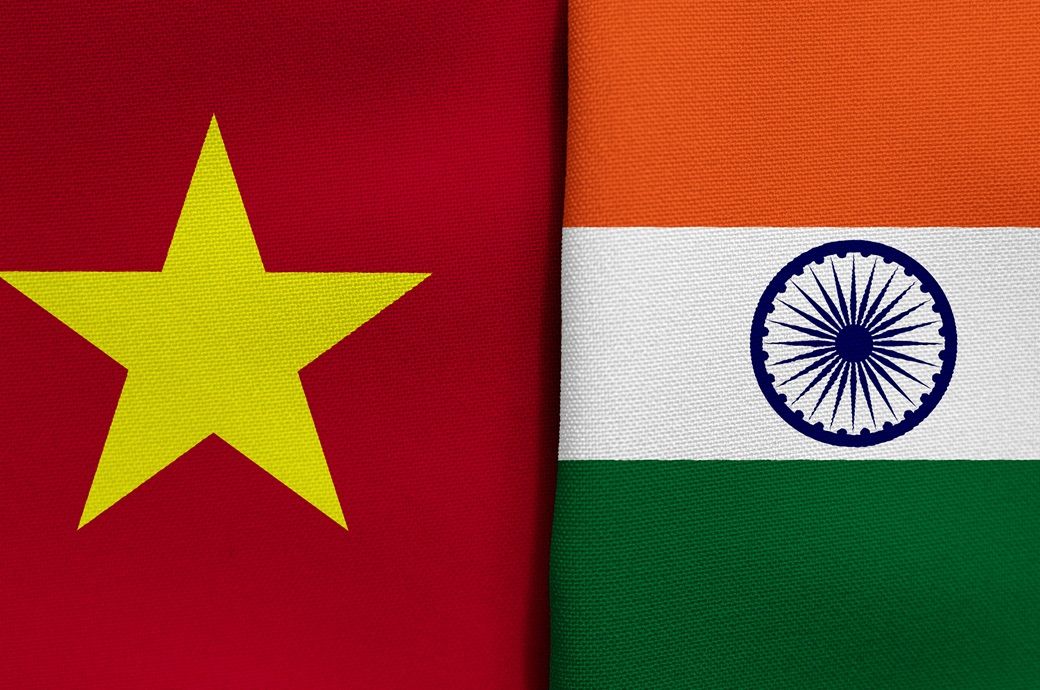
The discussion brought together policymakers, trade bodies, research institutions and industry stakeholders from India and Vietnam, reflecting growing interest in building deeper bilateral engagement. Participants examined opportunities arising from supply chain diversification, sustainability mandates and the increasing role of digital transformation in manufacturing, according to Vietnamese media reports.
The Vietnam Trade Office in India held an online seminar to boost textile, footwear and leather collaboration amid shifting global supply chains.
Stakeholders highlighted complementary strengths, with Vietnam strong in garments and India in raw materials.
Discussions focused on silk cooperation, investment opportunities and technology exchange.
Upcoming trade fairs and exhibitions were also promoted.
Vietnam’s Trade Counsellor in India, Bui Trung Thuong, noted that both economies complement each other across the value chain. He highlighted Vietnam’s strength in garment production alongside India’s capabilities in raw materials and textiles, suggesting that closer cooperation could support the development of integrated and higher-value supply chains.
He added that the forum aims to encourage direct engagement between businesses and investors to unlock opportunities in technology adoption, investment and sustainable practices.
India’s silk sector emerged as a key area for collaboration. P Sivakumar, CEO of the Central Silk Board, outlined India’s strong research base and global standing in silk production. He identified scope for joint work in silkworm breeding, technology transfer and workforce development, while also pointing to opportunities in value-added applications beyond textiles, including cosmetics and pharmaceuticals. He further encouraged Vietnam’s participation in international sericulture platforms to deepen knowledge exchange.
From an investment standpoint, Invest India representative Aditya Das underscored India’s manufacturing ecosystem and policy support for foreign investors. He observed that complementary strengths between the two countries could drive partnerships in trade, joint ventures and integrated production networks.
Vietnamese representatives echoed interest in expanding technical cooperation. Nguyen Thi Nhai of the Vietnam Sericulture Research Centre emphasised the need for deeper collaboration in post-cocoon technologies, product innovation and training exchanges, while seeking greater institutional linkages with Indian counterparts.
The seminar also highlighted upcoming industry events aimed at fostering business connections. Vietnam will host the 26th International Shoes and Leather Exhibition in Ho Chi Minh City from July 8 to 10, while India’s Bharat Tex 2026 is scheduled for July 14 to 17 as a comprehensive global textile platform. Industry representatives also promoted sector-specific exhibitions such as Meet at Agra 2026 to encourage partnerships.
Fibre2Fashion News Desk (SG)


North India cotton yarn steady despite continued push by spinners

The WIRED Gear Team’s Tips on Ways to Save Money

Bangladesh, EU sign Partnership and Cooperation Agreement

-

 Fashion1 week ago
France’s LVMH Q1 revenue falls 6%, shows resilience amid Iran war
-

 Entertainment1 week ago
Is Claude down? Here’s why users are seeing errors
-

 Sports1 week ago
PSL 11: Peshawar Zalmi win toss, opt to field first against Quetta Gladiators
-

 Tech1 week ago
CYBERUK ’26: UK lagging on legal protections for cyber pros | Computer Weekly
-
 Business1 week ago
PepsiCo earnings beat estimates as North American food business improves
-

 Sports5 days ago
WWE WrestleMania 42 Night 2: Live match results and analysis
-

 Fashion1 week ago
Raymond unveils luxury Chairman’s Collection Store in Mumbai
-

 Sports5 days ago
NCAA men’s gymnastics championship: All-time winners list