

Business
IndiGo Faces Major Disruption; Shares Drop 2% As Hundreds Of Flights Cancelled


New Delhi: InterGlobe Aviation, the company behind IndiGo Airlines, saw its shares fall more than 2 per cent on Friday as the carrier faced major operational disruptions. By 10:20 am, the stock was down 2.14 per cent on the Bombay Stock Exchange (BSE), with investors reacting to a surge in flight delays and cancellations across some of India’s busiest airports.
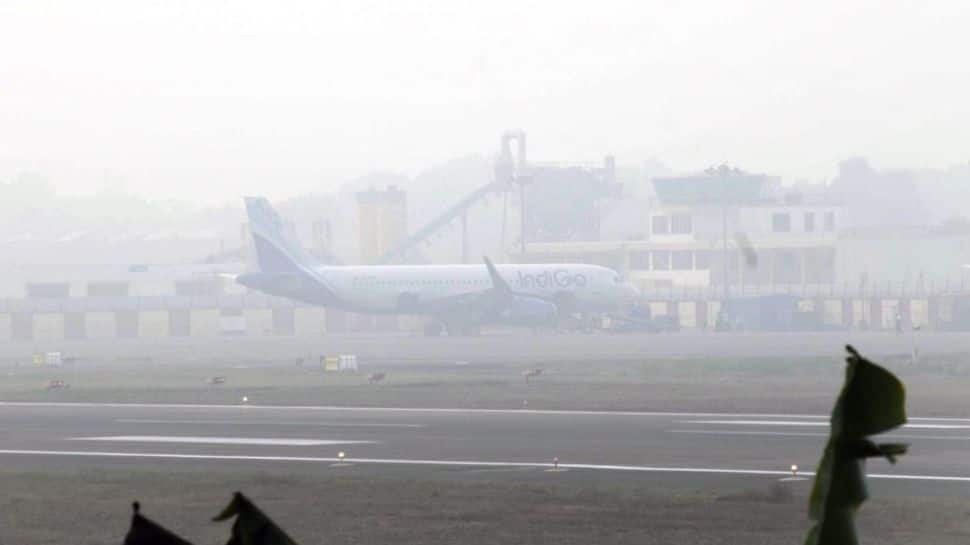
What started earlier this week has now escalated into one of IndiGo’s biggest operational crises in recent years. The situation showed no signs of improving on Friday, with nearly 400 flights already cancelled, causing severe pressure on the airline’s network and leaving thousands of passengers across the country frustrated and stranded.
The chaos has now stretched into a third straight day. On Thursday alone, IndiGo cancelled over 550 flights across its domestic and international network. Delhi airport was hit the hardest with at least 172 cancellations, while major hubs such as Mumbai, Bengaluru, Hyderabad and Goa also reported heavy delays and disruptions.
IndiGo Issues Apology, Offers Refunds and Rebooking Options
Airports nationwide witnessed long queues and widespread frustration as mass cancellations continued. Major hubs like Delhi, Mumbai, Bengaluru and Hyderabad saw a large number of flights disrupted, leading to chaos for travellers. IndiGo’s on-time performance dropped sharply to just 19.7 per cent on Wednesday, a steep fall from earlier levels and a major setback for an airline known for punctuality.
In a statement, IndiGo apologised to affected passengers and said that some cancellations were planned in advance to help stabilise its operations. The airline is providing options for free rebooking or refunds and has advised travellers to check live flight updates before heading to the airport. To ease pressure, IndiGo has also temporarily relaxed some night-duty and landing restrictions while working on more permanent roster adjustments.





Major disruption to energy supplies threatens to push up prices for consumers and businesses around the world.
Source link
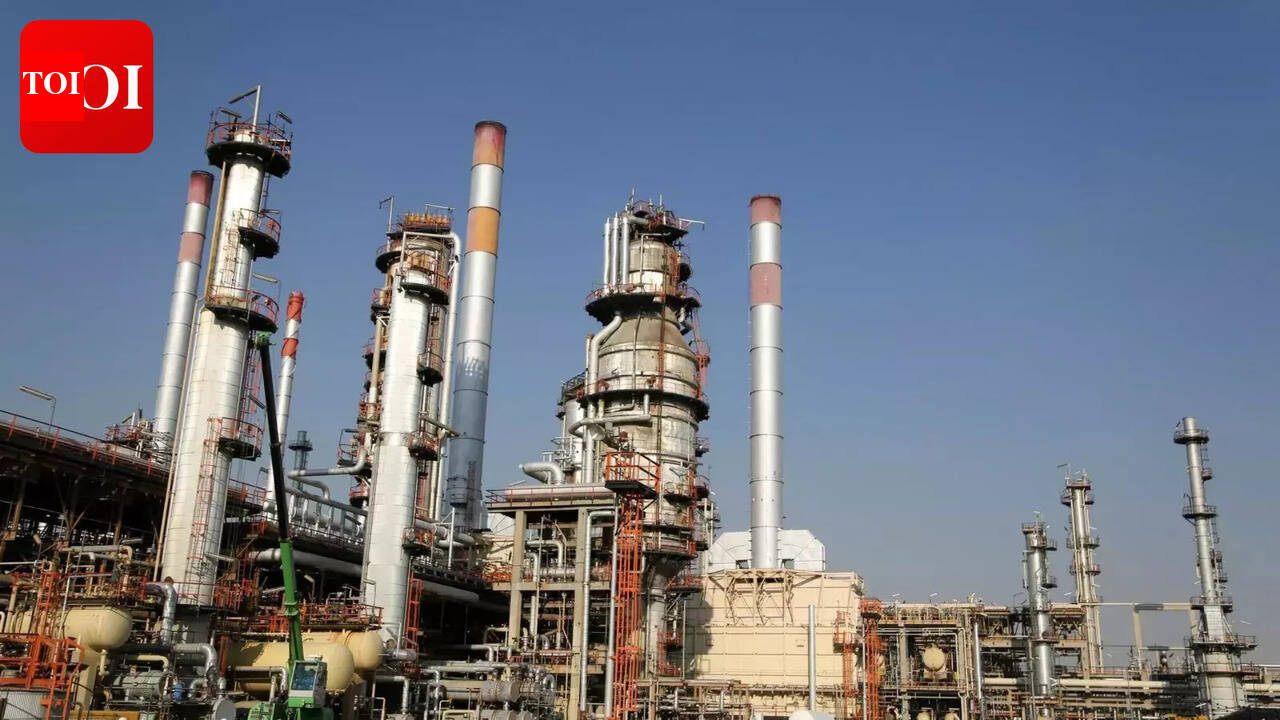
Saudi Aramco jumped the most since April 2023 on Sunday as the Iran war entered its second week, prompting supply disruptions that may send oil prices higher when global markets reopen. Shares of the state-backed oil giant climbed as much as 4.9% in Riyadh before paring gains to close up 4.1%, on the first day of trading for the stock since Brent crude prices topped $90 a barrel on Friday.Brent may climb further after UAE and Kuwait started reducing oil production amid a near-closure of Strait of Hormuz waterway, adding to interruptions affecting worldwide energy supply and exports. “For Aramco, we believe that the gain in oil prices would offset a decline in exports,” said Junaid Ansari, head of research and strategy at Kamco Investment Co. “We also believe that Aramco should be able to re-route a bulk of its shipments to the Red Sea. It’s just about logistics and handling the excess capacity.” Aramco has been redirecting oil cargoes to Red Sea facilities on Saudi Arabia’s west coast to avoid the Strait of Hormuz.
Business
Gold braces for volatile week as Middle East tensions escalate: Analysts | India Business News – The Times of India

After witnessing sharp swings last week, gold prices are expected to remain volatile in the coming days as investors track escalating tensions in the Middle East and key global economic data releases, analysts said on Sunday.Market participants are likely to track developments in the conflict involving Israel and Iran, as any escalation could support safe-haven demand for bullion, while signs of easing tensions may trigger sharp profit booking in the market.“Focus will again be on developments in the Middle East. Any further escalation could be positive for gold prices, but signs of de-escalation may lead to sharp selling,” Pranav Mer, vice president, Commodity and Currency Research at JM Financial Services, told the news agency PTI.Silver is also witnessing heightened volatility, though it is currently in a consolidation phase, analysts noted.“Silver is trading with high volatility but remains capped due to consolidative movements in gold and industrial metals such as copper and zinc,” Mer added.In the domestic market, bullion futures saw sharp swings during the past week. On the Multi Commodity Exchange (MCX), silver plunged by Rs 14,359, or 5.08 per cent, while gold slipped Rs 470, or 0.3 per cent.According to Prathamesh Mallya, deputy vice president, Research (Non-Agri Commodities and Currencies) at Angel One, gold traded within a broad range of Rs 1.59 lakh to Rs 1.70 lakh per 10 grams last week.Geopolitical tensions, strong demand from Asian markets, continued purchases by central banks, elevated US Treasury yields and a firm US dollar are among the key factors currently shaping bullion prices, he said.Globally, silver futures on Comex dropped by USD 8.98, nearly 10 per cent, during the week, while gold prices declined by USD 89.2, or 1.7 per cent.Analysts noted that gold ended the week in negative territory as investors shifted towards alternative safe-haven assets such as the US dollar, Swiss franc and government bonds, even as ongoing geopolitical tensions helped limit deeper losses.Investors will also monitor key economic indicators in the coming week, including inflation and trade data from China, inflation readings from the US, Germany and India, as well as US consumer sentiment and the Personal Consumption Expenditures (PCE) price index, which could influence global growth expectations and monetary policy outlook.


Rihanna’s Beverly Hills home hit by gunfire; suspect arrested, LAPD says
Iran war: Oil prices jump above $100 for first time in four years

King Charles urges unity, brighter future, wishing Happy Commonwealth Day

-

 Fashion1 week ago
South Korea’s Misto Holdings completes planned leadership transition
-

 Politics1 week ago
Iran launches retaliation against Israel, launches ballistic missiles
-

 Entertainment1 week ago
Al Jazeera broadcast interrupted by emergency missile alert in Qatar
-

 Politics2 days ago
India let Iran warship dock the day US sank another off Sri Lanka, say officials
-

 Sports1 week ago
College basketball star suspended by team for spitting toward opposing fan
-

 Fashion1 week ago
India’s real GDP estimated to grow 7.6% in FY26 under new base FY23
-

 Sports1 week ago
Transfer rumors, news: Man City, Man United in for Anderson
-

 Sports1 week ago
Sources: Trump, college leaders to tackle issues at roundtable