

Business
IndiGo Faces Massive Flight Cancellations: Can Travel Insurance Save Stranded Flyers?

Last Updated:
IndiGo faces massive flight cancellations despite DGCA rollback, affecting thousands. Experts like advise on travel insurance claims and proper documentation.
ndiGo Disruption Intensifies: What Travel Insurance Covers During Flight Chaos
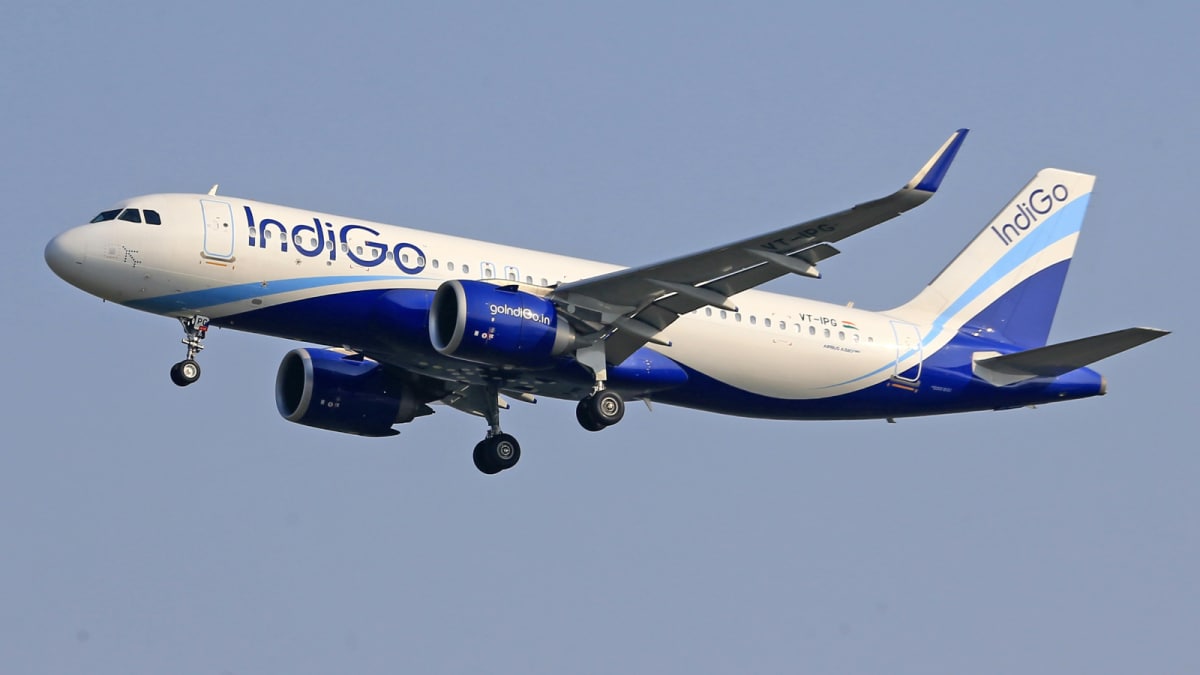
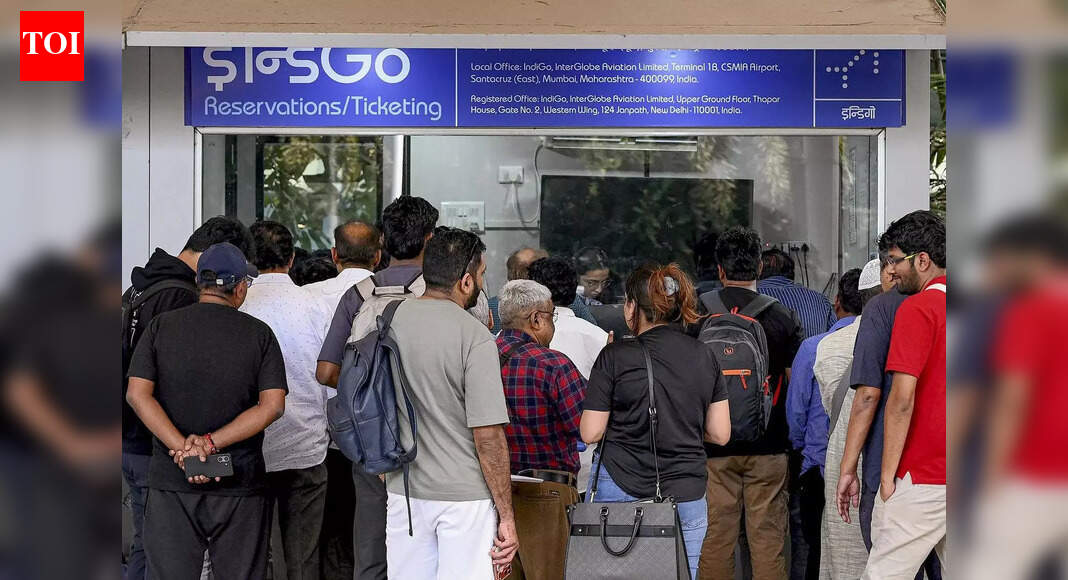
There seems to be no end to the mayhem of IndiGo’s operational meltdown as hundreds of flights have been cancelled on Saturday. The chaos has continued despite the Directorate General of Civil Aviation (DGCA) rolling back the Flight Duty Time Limitations orders, which were the lead cause to disrupt the capability of carriers to maintain regular operation.
Thousands of passengers, from students to senior citizens to professionals, have been affected in the past few days during the flight cancellations, disrupting their plans and schedules. Along with that, they have to face monetary losses too.
Travel insurance is one such option that travelers can use while facing this kind of situation. Not many of people in India are aware of how a travel insurance works and whether all plans cover flight cancellation costs.
Meet Kapadia, Head of Travel Insurance at Policybazaar.com said that travel Insurance offers fixed pay outs if the traveller is stranded for a specified number of hours (6–12 hours).
“They also reimburse the cost if the flight is cancelled and traveller has to book a new flight, or arrange hotel stay, cover meals, essentials, and other emergency purchase,” Kapadia added.
Customers, however, should know that a very low-priced/ basic product of travel insurance may not pay for non-medical losses from an airline operational cancellation unless that benefit is purchased, according to Chetan Vasudeva, Senior Vice President – Business Development at Elephant.in, Alliance Insurance Brokers.
“No – basic plans may not fully cover losses from airline operational problems unless the policy explicitly includes or has an option for trip cancellation / carrier cancellation, trip interruption, missed-connection or trip-delay benefits,” Vasudeva added.
He further told that many standard travel policies include only basic medical, baggage and emergency assistance by default. “If you want protection specifically against airline operational issues, check for carrier cancellation/trip cancellation/missed-connection or buy a cancel-for-any-reason add-on cover.”
Beyond the financial safety net , the insurer also provides 24×7 assistance and emergency support to help passengers manage disruption with less stress in unfamiliar locations.
What Should Customers Need To Do To Get Claims?
The first 24 hours after a flight cancellation are crucial for building a strong claim file.
The policyholder should immediately need to obtain written proof from the airline such as an email, SMS, or a formal flight disruption certificate, that clearly state the due cause and timing of the cancellation, explained Vasudeva. “At the same time, this is when policyholder should inform their insurance provider’s helpline immediately after the disruption; quick intimation is often listed as a mandatory requirement in most policies,” he added.
During this period, every incidental expense such as food, hotel stays, transport, or rebooking, should be supported with itemized receipts and payment proofs. If the airline offers alternative arrangements like meal vouchers or free accommodation, passengers need to preserve those records as well, because insurers cross-verify what has already been compensated.
Careful documentation in the first 24 hours substantially reduces the chances of queries, delays, or rejection during the processing of claims, Vasudeva stated.
 Click here to add News18 as your preferred news source on Google.
 December 06, 2025, 13:56 IST
Read More


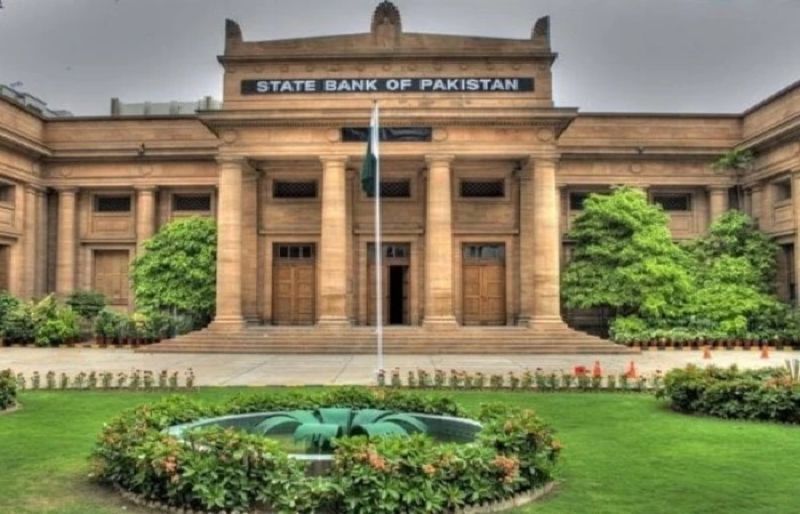
The State Bank of Pakistan (SBP) on Monday raised its benchmark policy rate by 100 basis points (bps) to 11.5% on Monday, warning of “intensified risks” to the macroeconomic outlook due to the US-Israel war on Iran.
In a statement, the central bank said that its Monetary Policy Committee (MPC) noted that global energy prices, freight charges and insurance premiums continued to remain significantly above pre-conflict levels due to the Mideast conflict.
Disruptions in the supply chain have also contributed to the prevailing uncertainty, it added.
While the incoming data has been broadly in line with the MPC’s expectations, the impact of the ongoing global developments will be visible in key economic indicators going forward, the SBP warned.
The MPC assessed that inflation is likely to increase and remain above the target range in the next few quarters.
Accordingly, the committee deemed it necessary to maintain a tighter policy stance to keep inflation expectations anchored and contain second-round effects of the current supply shock to bring inflation within the target range, the SBP said.
This will be important to preserve macroeconomic stability, which is necessary for achieving sustainable economic growth, it added.
Since its last meeting, the MPC highlighted several key developments, including a rise in inflation to 7.3% in March and an increase in core inflation to 7.8%. It also noted deteriorating consumer and business confidence in recent surveys.
On the macroeconomic front, real GDP grew by 3.8% in the first half of fiscal year 2026, compared to 1.9% a year earlier. The current account posted a small surplus during July-March FY26.
SBP’s foreign exchange reserves stood at approximately $15.8 billion as of April 24, bolstered by Eurobond issuances, marking Pakistan’s return to international capital markets after more than four years.
The MPC also referenced the staff-level agreement reached with the International Monetary Fund on March 27 as a positive development supporting external financing.
“In light of the above developments and evolving risks, the MPC viewed today’s decision as important to achieve the objective of price stability over the medium term,” the SBP said.
The MPC stressed the need for continued fiscal discipline, structural reforms, and strengthening of external buffers to ensure resilience against global shocks and sustain long-term growth.
Likely rise in inflation
Inflation was projected to increase up to the upper bound of the target range before the start of the Middle East conflict, mainly due to adverse base effect, the SBP said, adding that the energy price shock has led to a surge in fuel prices, which have already begun to seep into core inflation via transport fares.
However, contained food inflation amidst ample supplies is likely to offset some of the impact on headline inflation, the central bank said.
Going forward, the central bank’s MPC assessed that the current supply shock may push inflation to double digits in the coming months before it starts to ease subsequently.
It expects inflation to stay above the upper bound of the target range of 5% to 7% for most of the fiscal year 2027.
The SBP said that the outlook is subject to multiple risks, particularly the duration and intensity of the Mideast conflict, the extent of pass-through of changes in global energy prices to the domestic economy, and potential fiscal slippages.
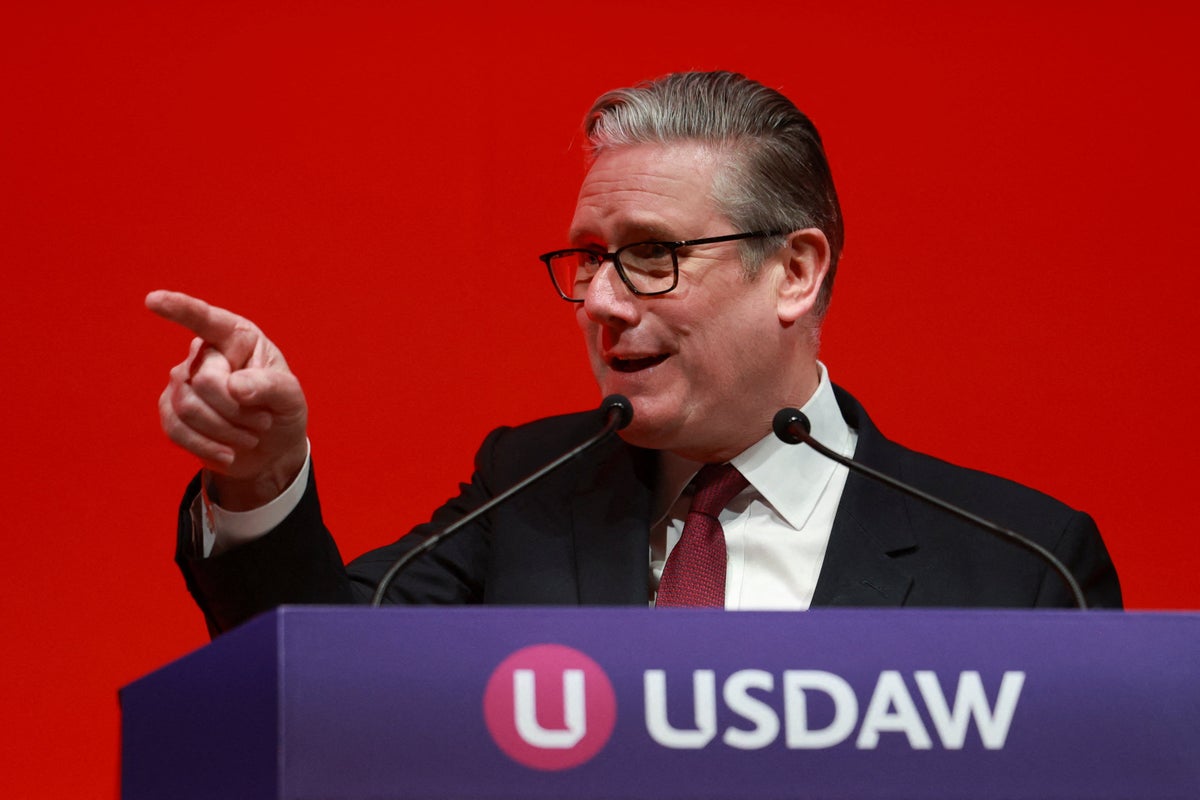
Sir Keir Starmer claimed “the tide could be turning” against shoplifting as he set out the Government’s efforts to crack down on retail crime.
The Prime Minister said shop thefts were “slightly down” in the latest figures and he wanted wider use of technology which allows CCTV footage to be shared immediately with the police.
His comments came as a think tank highlighted figures showing 67% of shoplifting offenders go on to commit another offence within 12 months, up from 55% before the pandemic.
In an address to the Usdaw shopworkers’ union, Sir Keir said: “It’s disgraceful that people just working in their shop have to take abuse from customers.
“It’s disgraceful that people feel sick to the stomach thinking about how they’re going to get through the day and it’s disgraceful that people can have their lives and livelihoods ruined by persistent shop theft.”
He said the Government has put an extra 3,000 neighbourhood police officers on the streets and scrapped the “ridiculous” rule which left theft of goods worth less than £200 “not properly investigated” by police.
“That was a shoplifters’ charter, and we’ve ended it and not before time,” he said.
“We’ve toughened up punishment too. We’re giving police stronger powers, making the abuse and assault of retail workers a specific crime and giving you the same protections as emergency workers.”
Sir Keir said he was “not blind to how big this challenge is” but said the number of people charged had gone up 17% in the latest statistics and shop theft was down.
The latest Office for National Statistics (ONS) data showed shoplifting offences fell slightly last year, down from 516,611 in 2024 to 509,566 in 2025.
Sir Keir said: “It’s only slightly down, but the tide could be turning.”
The Prime Minister’s speech came as the Centre for Social Justice (CSJ) warned of a high street crime epidemic.
The centre-right think tank highlighted figures uncovered by former Tory leader Sir Iain Duncan Smith through parliamentary questions which showed the extent of repeat offending.
The think tank’s analysis showed the average number of offences committed by shoplifters has nearly doubled in five years, rising from 5.5 to 9.1 offences per convicted thief.
Sir Iain, the CSJ’s chairman, said: “Communities across Britain are suffering from a high street crime wave.
“Set against years of economic difficulties, there is a risk that some of our town and city centres are left permanently hollowed out.”
A standalone offence for assaulting a retail worker is set to be introduced in the Crime and Policing Bill going through Parliament.
But the two Houses of Parliament are currently in a tussle over the final draft of the Bill as the end of the parliamentary session nears.
Almost 80% of shop workers said they experienced verbal abuse, more than half said they were threatened by a customer and 10% said they were assaulted in the latest annual survey by retail trade union Usdaw.
The small drop in shoplifting in the ONS figures may reflect a change in how such offences are recorded.
Offences where someone has entered a retail premises, steals, then either uses or threatens violence against staff or other people should be classed as robbery of business, police forces were advised in April last year.
This may account for the steep increase in the number of such robberies recorded, which rose 78% to 26,158 in 2025.
Joanne Thomas, Usdaw general secretary, said the incoming legislation delivers “much-needed protection of retail workers’ law”.
She said: “While there has been a welcome small decrease in shoplifting across last year, the fact is retail crime continues to be a significant issue for the sector and particularly staff.
“Usdaw’s last survey found that this is in no way a victimless crime, with two-thirds of attacks on retail staff being triggered by theft or armed robbery.
“Having to deal with repeated and persistent offences can cause issues beyond the theft itself, like anxiety, fear and physical harm to retail workers.”
Shadow home secretary Chris Philp accused the Prime Minister of “brazen cheek”, saying Sir Keir was “part of the problem, not the solution”.
He said: “Shoplifting is up 8% under Labour, made worse by a drop in total police numbers of 1,300 in the last year alone.
“Starmer is abolishing prison sentences under a year, which means virtually no shoplifter will ever go to prison.
“The Conservative plan to take back our streets will see 10,000 extra police hotspot patrol high crime areas, combined with a tripling of stop and search and widespread use of live facial recognition to catch wanted criminals.
“Only the Conservatives have a plan to fix this.”

Gold prices in Pakistan have risen again at the start of the business week after several days of decline, according to the All Pakistan Bullion Market.
The price of gold per tola increased by Rs 800, reaching Rs 493,962.
Similarly, the price of 10 grams of gold rose by Rs 686 to Rs 423,492.
In the global market, gold also recorded an increase of $8 per ounce, reaching $4,716.
Experts say global economic uncertainty, currency fluctuations, and investor preference for safe-haven assets are driving the upward trend in gold prices.
They add that changes in international markets directly impact Pakistan’s local bullion rates, leading to continued fluctuations in domestic prices.


Araghchi arrives in Russia for close consultations on regional, international issues
SBP raises policy rate by 100bps to 11.5% citing ‘risks to macroeconomic outlook – SUCH TV

‘Devil Wears Prada 2′ Meryl Streep reacts to surprise from on‑screen daughter

-

 Sports1 week ago
NCAA men’s gymnastics championship: All-time winners list
-

 Sports1 week ago
WWE WrestleMania 42 Night 2: Live match results and analysis
-

 Fashion1 week ago
UK’s Sosandar returns to profitability amid robust FY26 performance
-

 Politics6 days ago
UK’s Starmer seeks to deflect blame over Mandelson appointment
-

 Entertainment7 days ago
Lee Anderson, Zarah Sultana kicked out of UK Parliament for calling PM ‘liar’
-
 Business1 week ago
No fuel shortage: Govt assures 100% domestic LPG, PNG, CNG supply amid Hormuz energy crunch – The Times of India
-
 Business7 days ago
How Trump’s psychedelics executive order could unlock stalled cannabis reform
-
 Business6 days ago
Us-India Trade Talks: US–India trade deal: Where do talks stand & what to expect – explained – The Times of India