

Business
Infosys, TCS, HCL Tech, Tech Mahindra Jump By Up To 4%: Why Did IT Stocks Rise Today?


Last Updated:
IT Stocks Today: Infosys surges by nearly 4%, HCL Tech is up by 2.8%, Tech Mahindra rises 1.97%, and TCS gains 1.2%.

Know why IT shares are rising today.
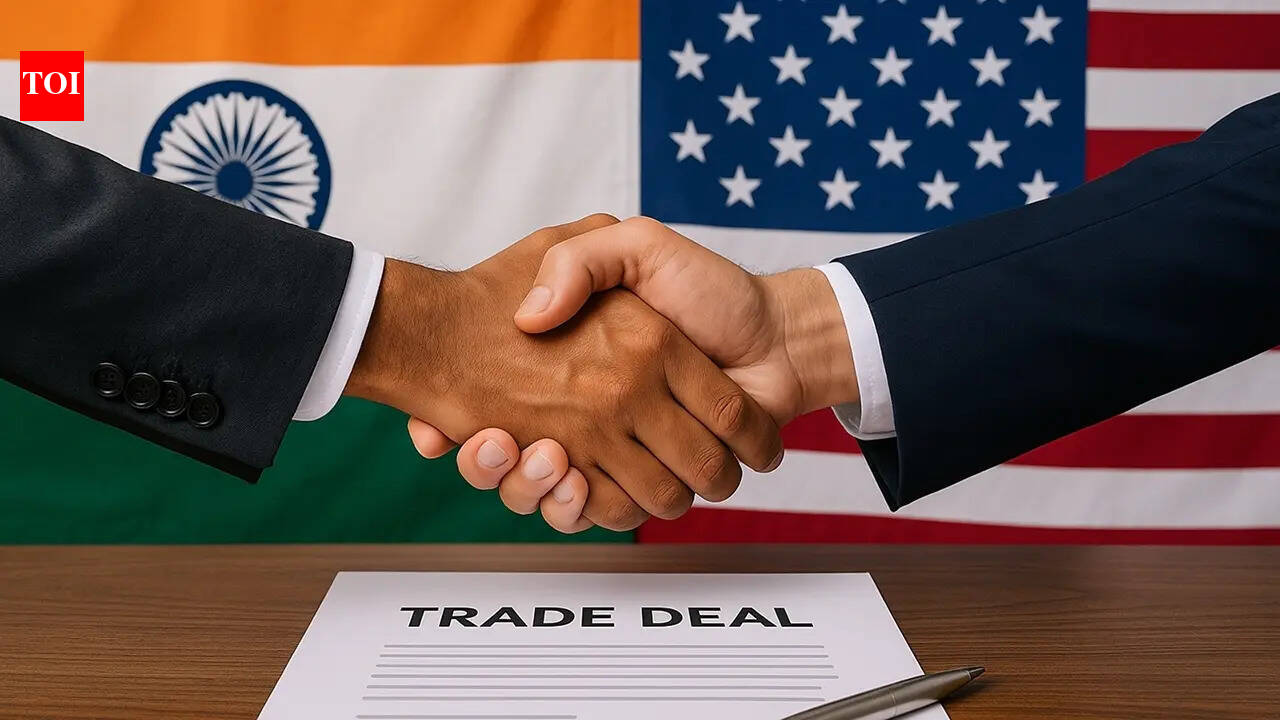
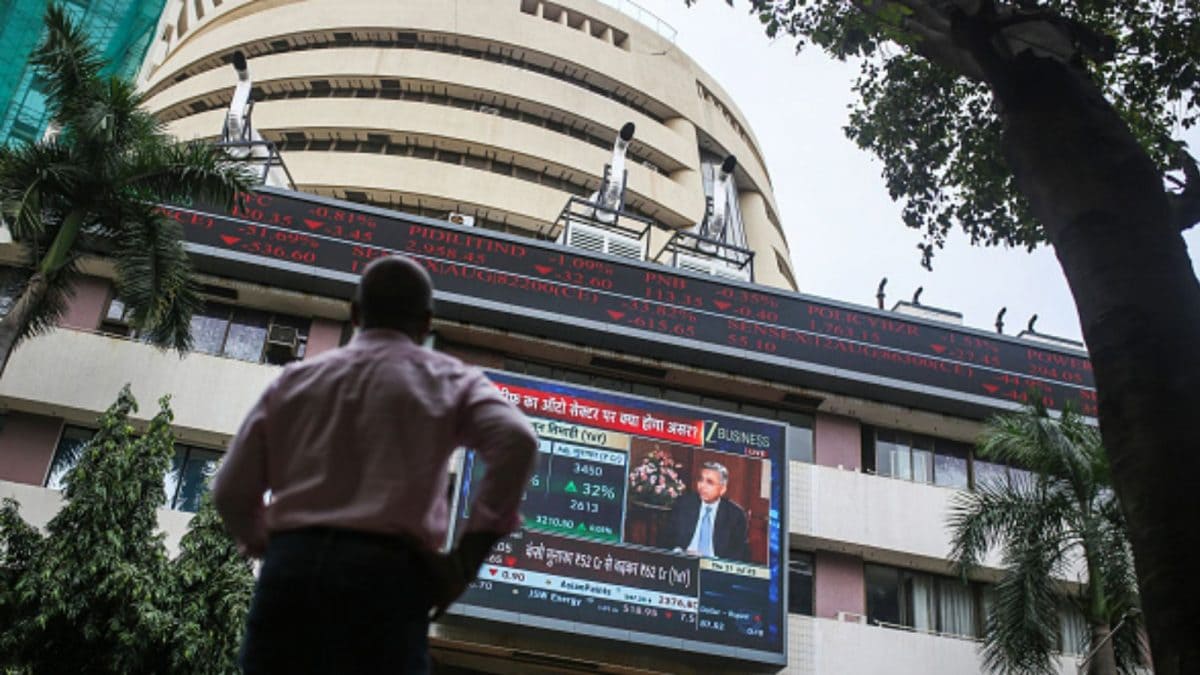
IT companies were the top performers in the Indian stock markets today amid hopes of an early India-US trade deal and increased buying on the back of valuation comfort. Infosys surged by nearly 4%, HCL Tech was up by 2.8%, Tech Mahindra rose 1.97%, and TCS gained 1.2%.
Among the midcap IT companies, MPhasis jumped 2.44%, Persistent was up by 1.96%, and Coforge rose 1.5%.
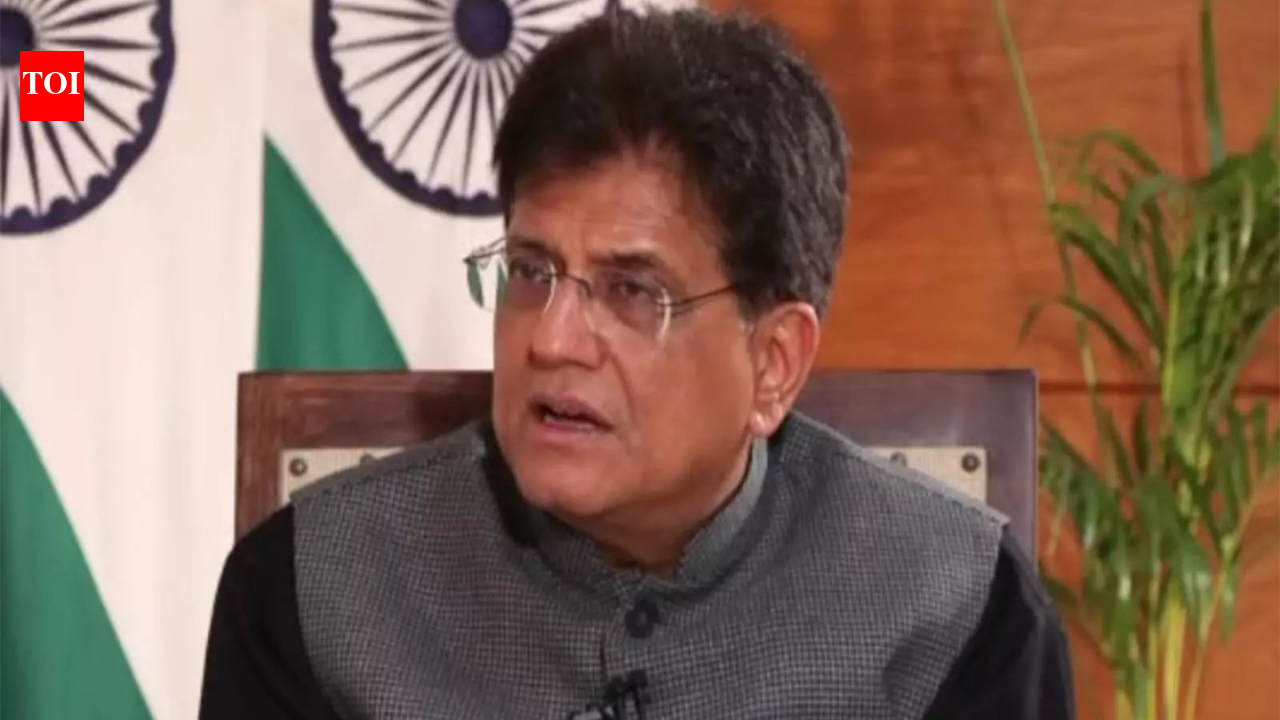
US President Donald Trump said he spoke with Prime Minister Narendra Modi on Tuesday, with their conversation focused largely on trade. “We talked about a lot of things, but mostly the world of trade,” Trump told reporters in the Oval Office. Trump added that energy was also part of the discussion, saying Modi assured him that India would be limiting its oil purchases from Russia.
According to Mint citing three people aware of the matter, the India-US trade deal is expected to reduce American tariffs on Indian imports to 15% to 16% from 50%.
Why Is Infosys Top Gainer Today?
Promoters and members of the promoter group of Infosys Ltd, including its iconic founders N.R. Narayana Murthy, Sudha Murty, and Nandan Nilekani, have chosen not to participate in the company’s Rs 18,000-crore share buyback programme. The IT major informed stock exchanges about their decision on Wednesday, October 22.
As per the company’s exchange filing, “In this regard, the Promoter and Promoter Group of the Company have expressed their intention of not participating in the Buyback vide their letters dated September 14, 2025, September 16, 2025, September 17, 2025, September 18, 2025 and September 19, 2025.”
The decision of Infosys’ promoters and co-founders to stay away from the Rs 18,000-crore buyback indicates that they are not looking to reduce their long-term stake in the company. It reflects confidence in Infosys’ growth prospects and financial stability, as promoters typically refrain from tendering shares when they believe in the company’s future value. However, their non-participation will slightly increase their relative ownership percentage once the buyback is completed, since the total number of outstanding shares will decrease.

Haris is Deputy News Editor (Business) at news18.com. He writes on various issues related to personal finance, markets, economy and companies. Having over a decade of experience in financial journalism, Haris h…Read More
Haris is Deputy News Editor (Business) at news18.com. He writes on various issues related to personal finance, markets, economy and companies. Having over a decade of experience in financial journalism, Haris h… Read More
October 23, 2025, 10:02 IST
Read More
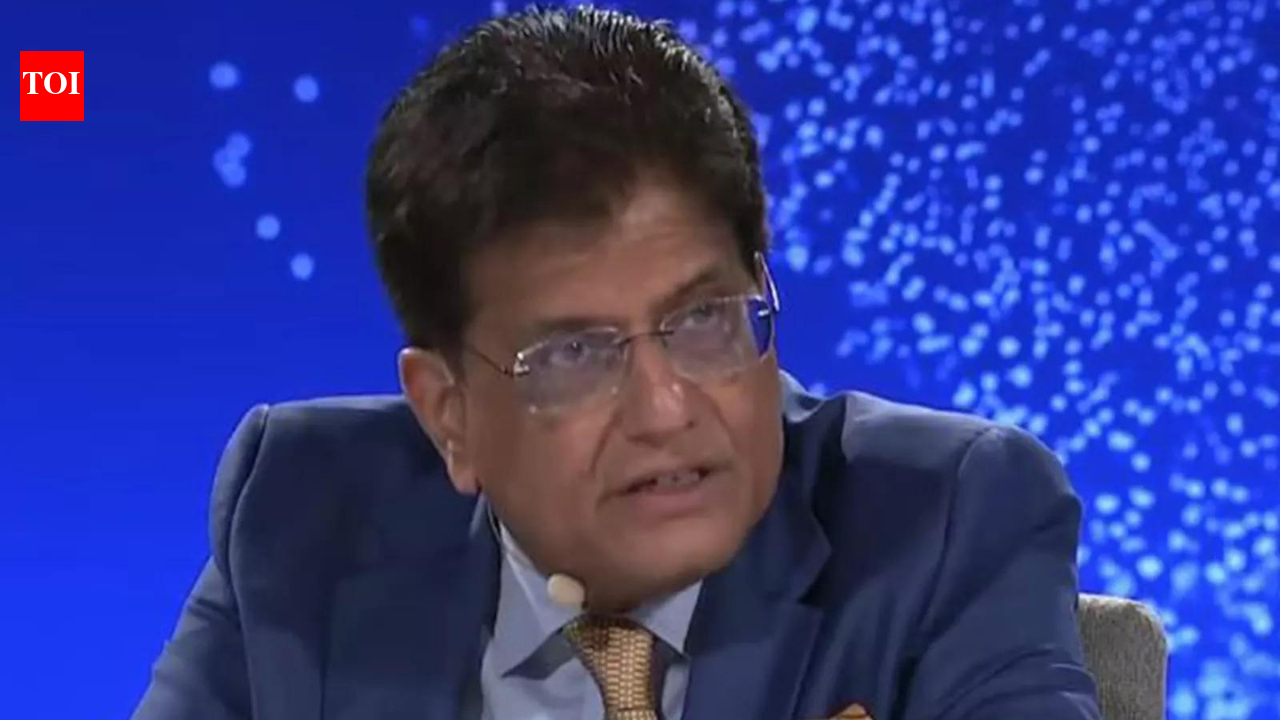

Novo Nordisk is looking for deals more than ever before, the CEO of the Danish drugmaker said in an interview with CNBC on Wednesday.
“If our ambition is to help hundreds of millions of patients out there, then we need not just the best, but the broadest pipeline in the world,” said Novo Nordisk CEO Mike Doustdar. “So let’s go and see who else basically has assets that are complementary to what we have. And we are quite active with those [business development] talks and acquisitions, and you’ll see more of those as well going forward.”
Novo created the market for GLP-1 weight loss drugs with its weekly shots Ozempic and Wegovy. More recently, the company has faced concerns from analysts about whether Novo’s pipeline is robust enough for it to remain a leader in the increasingly competitive obesity drug space.
Mike Doustdar, chief executive officer of Novo Nordisk A/S, during an interview in New York, US, on Wednesday, Feb. 11, 2026.
Michael Nagle | Bloomberg | Getty Images
Rival Eli Lilly has already overtaken Novo in market share for weekly GLP-1 shots, though Novo has taken an early lead in the new category of GLP-1 pills for weight loss.
Doustdar said he disagrees with the concerns about Novo’s upcoming treatments, arguing the drugmaker has “one of the best pipelines in the industry.” He pointed to Novo’s CagriSema, a drug candidate that targets GLP-1 and amylin, that Novo hopes will be approved at the end of this year, and an experimental amylin-targeting drug called zenagamtide that Novo has accelerated development of, among other assets.
“Of course, there’s a lot of things in my pipeline that right now I have the privy to look into and get excited (about) but not have shared it yet with the world,” he said. “So I am incredibly excited about our pipeline, and I would just say to the investors who are a little bit skeptical, wait and see.”
Doustdar spoke to CNBC after the company said its Wegovy pill performed better than expected in the first quarter, and it raised its full-year profit guidance.
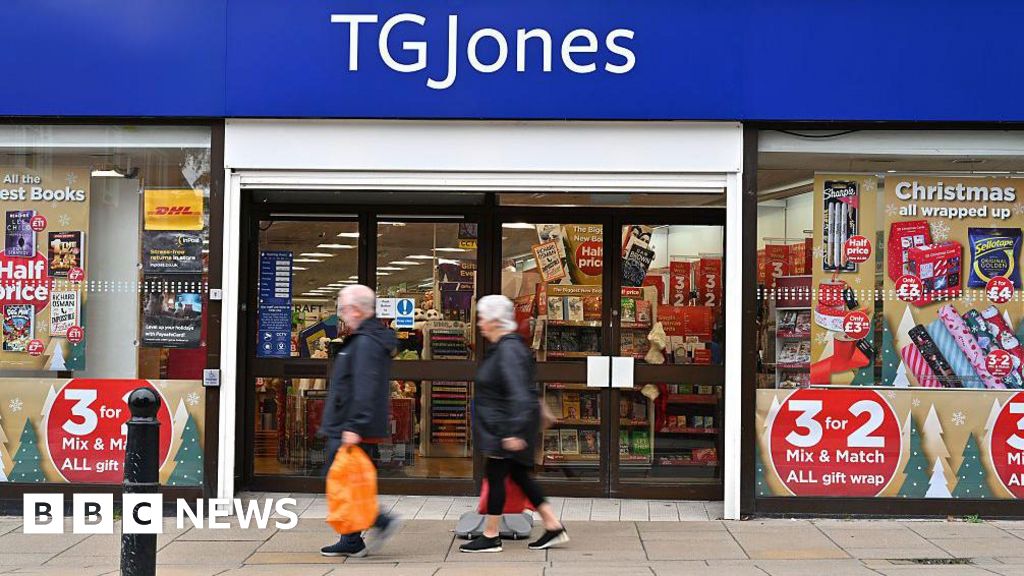
The stores were purchased by Modella Capital last year, and then rebranded under the name TGJones.
Source link
Business
US stock markets today (May 6, 2026): Wall Street rallies to record highs, crude oil tumbles on Strait of Hormuz reopening hopes – The Times of India
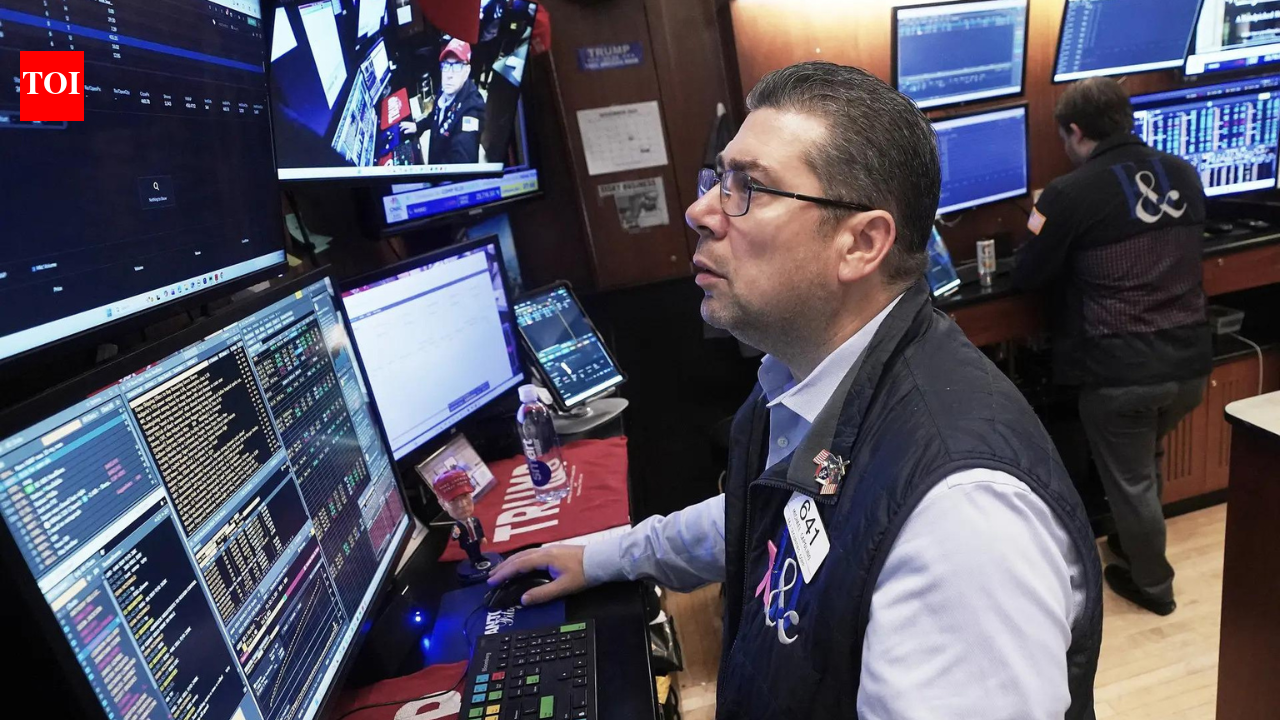
US stock markets surged on Wednesday while oil prices plunged sharply as investors bet on a possible breakthrough in US-Iran negotiations that could reopen the Strait of Hormuz and restore global crude supplies, AP reported.The S&P 500 climbed 0.8 per cent and headed towards another record close. The Dow Jones Industrial Average rose 487 points, or 1 per cent, while the Nasdaq Composite gained 0.8 per cent.Brent crude, the international oil benchmark, slumped 5.7 per cent to $103.61 per barrel after falling from levels above $115 earlier this week. At one point during the session, Brent briefly dropped below $97 before recovering some losses.The rally came after US President Donald Trump said the Strait of Hormuz could be “OPEN TO ALL” if Iran accepts a reported agreement, though he did not disclose details of the proposed deal.The Strait of Hormuz has remained at the centre of the global energy crisis since the Iran conflict disrupted oil tanker movement through the Persian Gulf, pushing crude prices sharply higher and stoking inflation fears worldwide.Markets also drew optimism from Trump’s indication that the US may scale back efforts to reopen the strait through military means, while China called for a comprehensive ceasefire after talks between Chinese and Iranian foreign ministers.Asian and European markets also rallied strongly. South Korea’s Kospi surged 6.5 per cent to cross the 7,000 mark for the first time, while Hong Kong’s Hang Seng rose 1.2 per cent. London’s FTSE 100 gained 2.2 per cent and France’s CAC 40 climbed 2.9 per cent.On Wall Street, technology and AI-linked stocks led gains after strong earnings reports.AMD jumped 19.3 per cent after reporting better-than-expected quarterly profit and revenue. CEO Lisa Su said continued growth in artificial intelligence demand had boosted the company’s performance.The chipmaker also projected revenue growth of around 46 per cent in the current quarter.Super Micro Computer rallied 14.2 per cent after posting earnings above analyst estimates.CVS Health gained 8.2 per cent after beating first-quarter expectations and raising its full-year forecasts.Stocks of companies with high fuel costs also rose sharply amid hopes of lower oil prices. United Airlines climbed 5.2 per cent, while Carnival and Royal Caribbean gained 5.5 per cent and 5.2 per cent, respectively.In the bond market, Treasury yields fell as easing oil prices reduced inflation concerns. The yield on the 10-year Treasury dropped to 4.35 per cent from 4.43 per cent a day earlier.Lower bond yields generally reduce borrowing costs for households and businesses and tend to support equity valuations.


Iran conflict may have motivated Trump dinner shooting suspect: report
Novo Nordisk CEO says the drugmaker is more active than ever in seeking out deals

NYCEDC unveils $1.7 mn to boost local fashion manufacturing

Pro wrestling star Steph De Lander reveals how colleague’s advice helped lead her to title triumph at ACW

‘I had £20,000 stolen and had to fight a 13-month fraud reporting rule to get it back’

Norway joins Type 26 Frigate Programme to boost NATO naval power

-
 Sports1 week ago
Pro wrestling star Steph De Lander reveals how colleague’s advice helped lead her to title triumph at ACW
-
Business1 week ago
‘I had £20,000 stolen and had to fight a 13-month fraud reporting rule to get it back’
-
 Entertainment1 week ago
Norway joins Type 26 Frigate Programme to boost NATO naval power
-
 Business7 days ago
PSX plunges over 4,800 points | The Express Tribune
-

 Tech1 week ago
This Ambitious Laptop Doesn’t Leave Much Room for Your Hands
-

 Tech6 days ago
Almost half of UK businesses hit by cyber attacks | Computer Weekly
-
 Business1 week ago
BP profits more than double as oil trading booms amid Iran war
-

 Sports1 week ago
Match officials announced for HBL PSL 11 qualifier – SUCH TV