

Politics
Iran deal may be finalized ‘soon’, says Trump

As Israel continued to press its offensive against Iran-backed Hezbollah in southern Lebanon, the UN Force in Lebanon said a peacekeeper had been killed on Sunday and another critically injured by a projectile that hit a UNIFIL position.
UNIFIL said they did not know the origin of the projectile but were investigating.
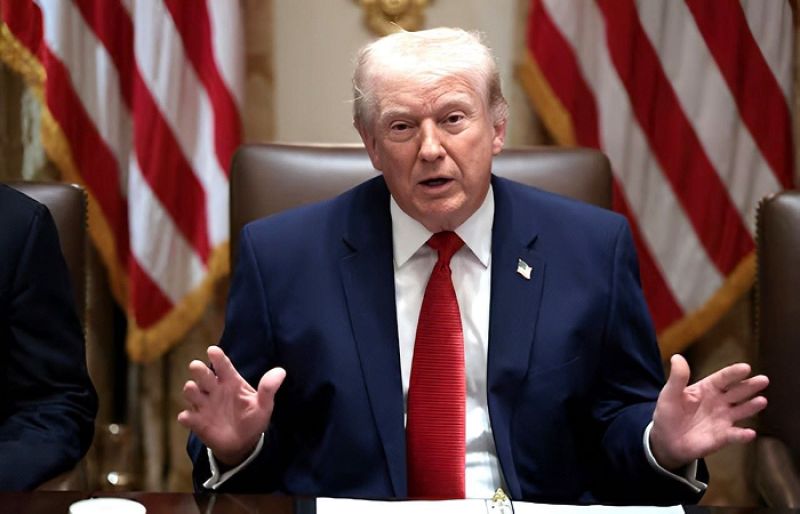
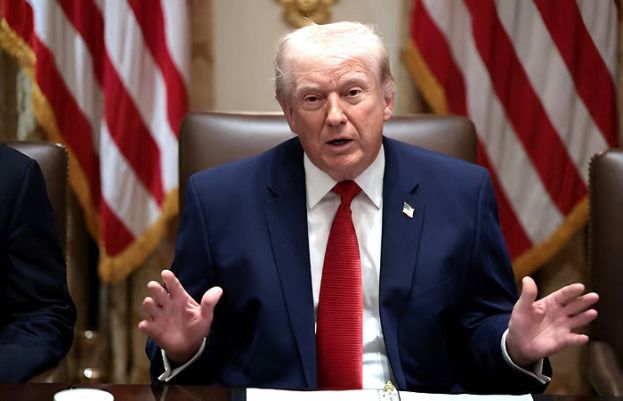
Trump, citing the number of Iranian leaders who have been killed in the month-long US-Israeli war against Iran, said regime change has already been achieved and the new leadership is “much more reasonable”.
“We’ve had regime change,” he told reporters aboard Air Force One. “We’re dealing with different people than anybody’s dealt with before. It’s a whole different group of people. So I would consider that regime change.”
Asked whether there could be a deal with Iran this coming week, Trump said: “I do see a deal in Iran. Could be soon.”
Trump said that Iran has accepted “most” of a 15-point proposal put forward by Washington to end the ongoing conflict, with the framework conveyed through Pakistan in indirect negotiations.
Trump indicated that Tehran had largely agreed to the demands. “They gave us most of the points. Why wouldn’t they?” he said, adding that the US may still push for “a couple of other things” as discussions progress.
In Pakistan, the government is looking to capitalise on its links with Tehran and the Gulf states, as well as a budding rapport with Trump, to broker peace talks.
“Pakistan is very happy that both Iran and the US have expressed their confidence in Pakistan to facilitate the talks,” Foreign Minister Ishaq Dar said.
But the speaker of Iran’s parliament has accused Washington of using diplomacy as a smoke screen.
“The enemy publicly sends messages of negotiation and dialogue while secretly planning a ground attack,” Speaker Mohammad Bagher Ghalibaf said in a statement carried by the official IRNA news agency.
“Our men are waiting for the arrival of the American soldiers on the ground to set them on fire and punish their regional allies once and for all,” he added.
Strikes on Kuwait, Saudi Arabia
Weeks of unrelenting strikes have taken a heavy toll on ordinary people in Iran.
“I miss a peaceful night’s sleep,” an artist in Tehran told AFP, saying night-time strikes were “so intense it felt like all of Tehran was shaking”.
The war has escalated into a regional conflagration as Tehran retaliates with attacks on Gulf states and virtually seals the critical Strait of Hormuz oil shipping lane, sending energy markets into a tailspin and threatening the world economy.
An Iranian strike on a power station and water desalination in Kuwait killed one Indian worker and damaged a building at the site, the Gulf state’s electricity ministry said Monday.
Saudi Arabia’s defence ministry said its forces detected and intercepted five ballistic missiles.
Iran’s energy ministry reported power outages in the capital on Sunday, its surrounding region and Alborz province “following attacks on electricity industry facilities.”
Trump has previously threatened to strike Iranian power stations if Tehran does not negotiate, before repeatedly extending a deadline to do so.
Iran says it has closed the Strait of Hormuz, which previously accounted for a quarter of the world’s seaborne oil trade and a fifth of liquefied natural gas shipments, to vessels from hostile nations.
The war has sent oil prices soaring, with benchmark US oil contract, West Texas Intermediate, once again surpassing $100 a barrel early Monday, while Brent climbed above $115.
Israel boosts defence spending
Israel’s parliament passed its 2026 budget early Monday, including about $10 billion in new military spending, bringing the country’s total defence budget to about $45 billion.
Israel renews strikes on Iran
The Israeli military said late Sunday that it had launched new strikes on targets across Iran’s capital Tehran.
Pakistan talks
Pakistan said on Sunday that it was ready to broker and host “meaningful talks” between the United States and Iran to bring an end to their war, outlining growing support for its peace efforts, including from the United Nations and China.
Foreign ministers from Pakistan, Saudi Arabia, Egypt and Turkey met in Islamabad.
Ambassador refuses
Iran’s ambassador will not leave Lebanon despite being declared persona non grata and ordered to quit the country by Sunday, an Iranian diplomatic source has told AFP.
Lebanon’s foreign ministry accused him of making statements “interfering in Lebanon’s internal politics”.
University hit
A university in Iran’s central city of Isfahan said it was hit by US-Israeli airstrikes for the second time since the war erupted.
Kuwait attack
Kuwait’s defence ministry said 10 service members were injured in an attack on a military camp, as Iran continues targeting positions in the region.
Lebanon toll rises
Lebanon’s health ministry said Israeli strikes had killed 1,238 people in the country since the start of the latest war with Hezbollah on March 2.
Israeli expansion
Israel’s Prime Minister Benjamin Netanyahu said he had ordered his military to “further expand” a security zone in Lebanon.
30 days offline
Iran’s nationwide internet blackout has now lasted 30 days, leaving millions cut off from information and communication since the war began.
Iran missile unit
The Israeli military said it had attacked a key production facility in Tehran used by Iran’s defence ministry to manufacture components for ballistic missiles.
Israeli industrial zone hit
Iran’s Revolutionary Guards said they had struck an industrial complex in southern Israel with ballistic missiles.
AFP footage from the ground showed the charred shell of a warehouse billowing thick clouds of white, grey and black smoke, while fire engines trained powerful jets of water on the blaze.
The Israeli military said the impact in the zone could be from “missile shrapnel”.
Aircraft carrier threat
Iran’s navy chief Shahram Irani said the USS Abraham Lincoln aircraft carrier would be targeted by the Islamic republic if it comes within range.
Journalists’ funeral
Lebanon held a funeral for three journalists killed by an Israeli strike the previous day in the south of the country.
The Israeli military said it carried out the attack to assassinate Ali Shoeib, a veteran correspondent for Hezbollah’s Al Manar TV, whom it accused, without providing evidence, of working as a Hezbollah operative.
Qatari TV office hit
Qatari news channel Al Araby said an Israeli missile hit a building housing its office in Tehran, causing damage and, according to the Iranian Red Crescent, wounding 10 people.
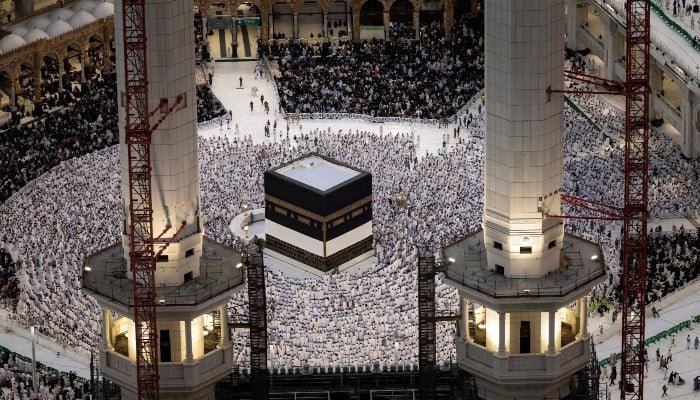
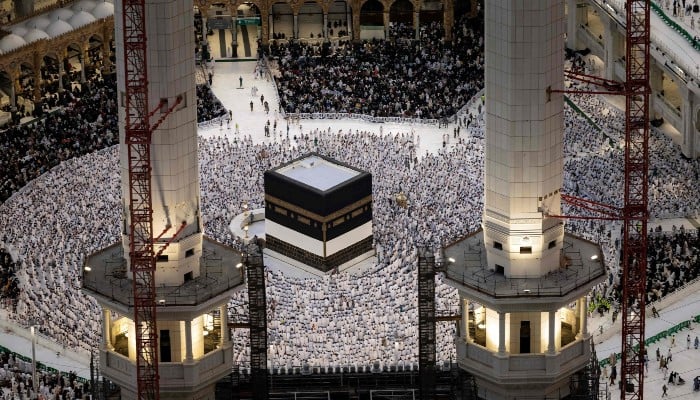
MAKKAH: Over 1.5 million pilgrims have arrived in Saudi Arabia from outside the kingdom for the upcoming hajj, according to a Saudi official, exceeding the number of international visitors last year despite the war in the Middle East.
The conflict triggered by the US and Israeli strikes on Iran in late February saw Tehran order waves of strikes on targets in Saudi Arabia and across the Gulf, prompting widespread air traffic disruptions and causing travel costs to surge.
Major Gulf airlines in the UAE, Qatar, and Bahrain have worked to quickly restore much of their operational capacity after weeks of airspace closures and flight cancellations.
Despite the complications, pilgrims have continued to flock to Saudi Arabia to participate in this year’s hajj.
“The total number of pilgrims arriving from abroad has reached 1,518,153,” Saleh Al-Murabba, the commander of Saudi Arabia’s Hajj Passport Forces, told a press conference late Friday.
These figures are expected to rise further over the next two days as pilgrims continue to arrive from abroad ahead of the formal rituals that mark the beginning of the hajj on Monday.
Last year, the total number of pilgrims at the hajj reached 1,673,320, including 1,506,576 from outside Saudi Arabia.
The hajj, one of the five pillars of Islam, must be performed at least once by all Muslims with the means.
- 247 workers were underground.
- 201 brought to surface safely.
- President Xi orders full investigation.
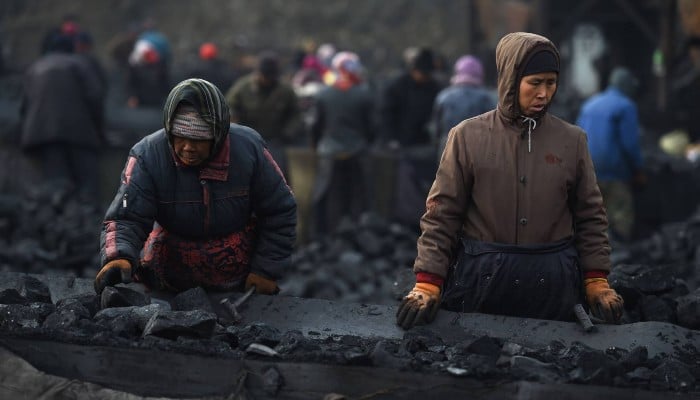
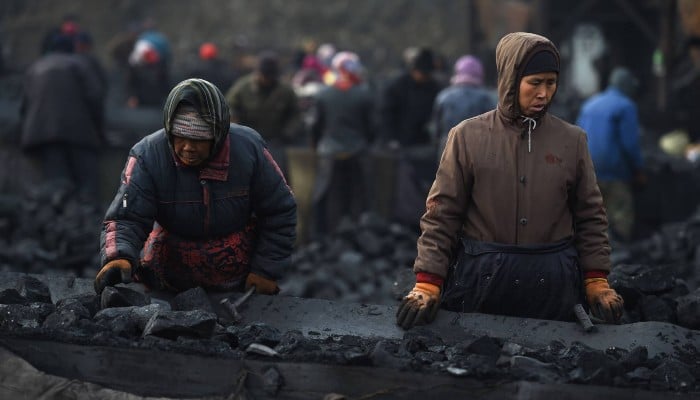
BEIJING: At least eight people have died and dozens are trapped underground after a gas explosion at a coal mine in northern China, state media reported on Saturday.
The blast occurred at 7:29 pm (1129 GMT) on Friday at the Liushenyu coal mine in Shanxi province, according to state news agency Xinhua.
A total of 247 workers were underground at the time, of whom 201 had been brought to the surface safely as of 6:00 am on Saturday, Xinhua said.
Eight people have been confirmed dead, while 38 remain trapped underground, the agency reported, citing local emergency management authorities.
President Xi Jinping urged “all-out efforts” to treat the injured and called for thorough investigations into the incident, Xinhua said.
He “emphasised that all regions and departments must draw lessons from this accident, remain constantly vigilant regarding workplace safety… and resolutely prevent and curb the occurrence of major and catastrophic accidents”.
Rescue efforts were ongoing, Xinhua said.
Xinhua reported earlier that levels of carbon monoxide — a highly toxic, odourless gas — had “exceeded limits” at the mine.
Some of those trapped underground were in “critical condition”, the earlier report said.
Shanxi, one of China’s poorer provinces, is the country’s coal-mining capital.
Mine safety in the country has improved in recent decades, but accidents still occur frequently in an industry where safety protocols are often lax.
China is the world’s top consumer of coal and the largest greenhouse gas emitter, despite installing renewable energy capacity at record speed.
- Experts say repeated failure weakens treaty credibility.
- Campaigners blame nuclear-armed states for blocking progress.
- Treaty remains in force but divisions persist among member states.
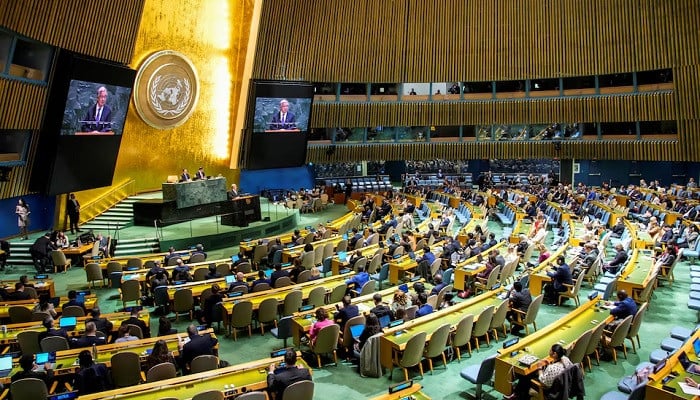
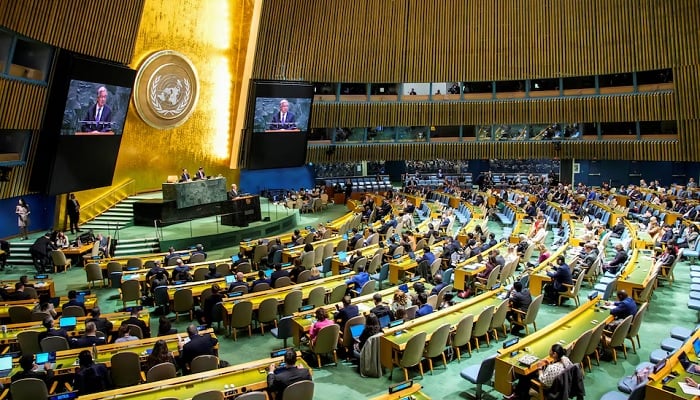
Talks at the UN to reaffirm nuclear nonproliferation and disarmament goals failed on Friday, according to the leader of the talks, after four weeks of negotiations held amid low expectations.
Vietnam’s Do Hung Viet, the president of the conference, said that “despite our best efforts… it is my understanding that the conference is not in a position to achieve agreement on its substantive work.”
“I do not intend to put the document forward for adoption,” he added.
Negotiators were reviewing the Treaty on the Non-Proliferation of Nuclear Weapons (NPT), the cornerstone of nuclear weapons control, amid fears of a renewed arms race. Previous reviews in 2015 and 2022 were also unsuccessful.
With expectations low, participants negotiated over a repeatedly reviewed and watered-down text, which they ultimately failed to adopt.
Experts pointed out that even in the absence of a review agreement for the third time in a row, the treaty continues to exist, but with diminished legitimacy.
“The text keeps on becoming less and less anchored in the realities of current conflicts and proliferation risks,” including North Korea and Iran, analyst Richard Gowan of the International Crisis Group said before the outcome was announced.
The latest version of the text seen by AFP on Friday merely stated that Tehran must “never” develop nuclear weapons.
The paragraph was in brackets, signalling persistent disagreement, despite the removal of the reference to Iran’s “non-compliance” with its obligations that appeared in the first draft.
Also gone were expressions of concern about North Korea’s nuclear programme, or even any mention of the “denuclearisation” of the Korean Peninsula.
Gone as well was the direct call on the United States and Russia to begin negotiations on a successor to the New START treaty limiting Russian and American arsenals, which expired in February.
The diluted text still covered “the risk of a resumption of nuclear testing by Russia, China and the United States, the growth of arsenals, and attacks on nuclear infrastructure,” Heloise Fayet of the French Institute of International Relations said earlier on Friday.
Exactly why the review failed isn’t yet known.
“The majority of countries are indeed working in good faith for disarmament,” said Seth Shelden of the International Campaign to Abolish Nuclear Weapons (ICAN), commenting on the failure of the talks.
“But the small handful of nuclear-armed states, and certain of their allies, are undermining the NPT, frustrating disarmament efforts, expanding arsenals and provoking proliferation, and pointing the world toward catastrophe,” he added.
According to the Stockholm International Peace Research Institute (SIPRI), the nine nuclear-armed states — Russia, the United States, France, the United Kingdom, China, India, Pakistan, Israel and North Korea — possessed 12,241 nuclear warheads in January 2025, 90% of which were in American and Russian hands.
Some countries are modernising their arsenals or even increasing their stockpiles.
The NPT, which entered into force in 1970 and has been signed by almost all states — with notable exceptions including Israel, India, and Pakistan — aims to prevent proliferation, promote complete disarmament and encourage cooperation for the peaceful use of nuclear energy.


Some of Dyson’s Top Vacuums Are on Sale for Memorial Day
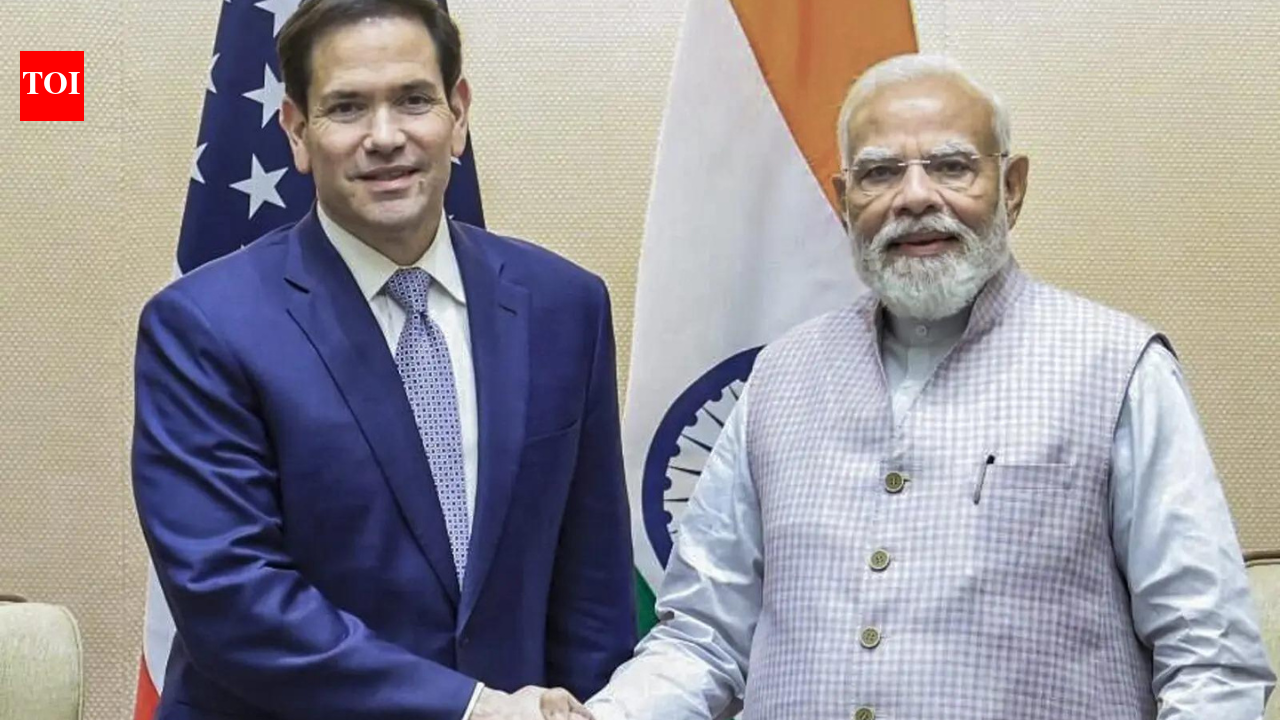
‘Potential to diversify’: US state secretary Rubio pushes for US energy supplies to India in meeting with PM Modi

Defence minister hints at ‘positive outcome’ in Pakistan-mediated US-Iran talks

-

 Entertainment1 week ago
Where Pete Davidson, Elsie Hewitt stand after breakup: Details revealed
-

 Entertainment1 week ago
Emilia Clarke recalls near-death incident while filming ‘Game of Thrones’
-

 Politics1 week ago
Rising diesel costs from Iran war strain US school budgets
-

 Entertainment1 week ago
Drake drops highly anticipated "Iceman" album, plus two surprise albums
-

 Politics1 week ago
UK’s Starmer faces survival battle as potential rivals circle
-

 Politics1 week ago
Trump says China will order 200 Boeing jets
-

 Tech1 week ago
Greg Brockman Officially Takes Control of OpenAI’s Products in Latest Shakeup
-
 Business1 week ago
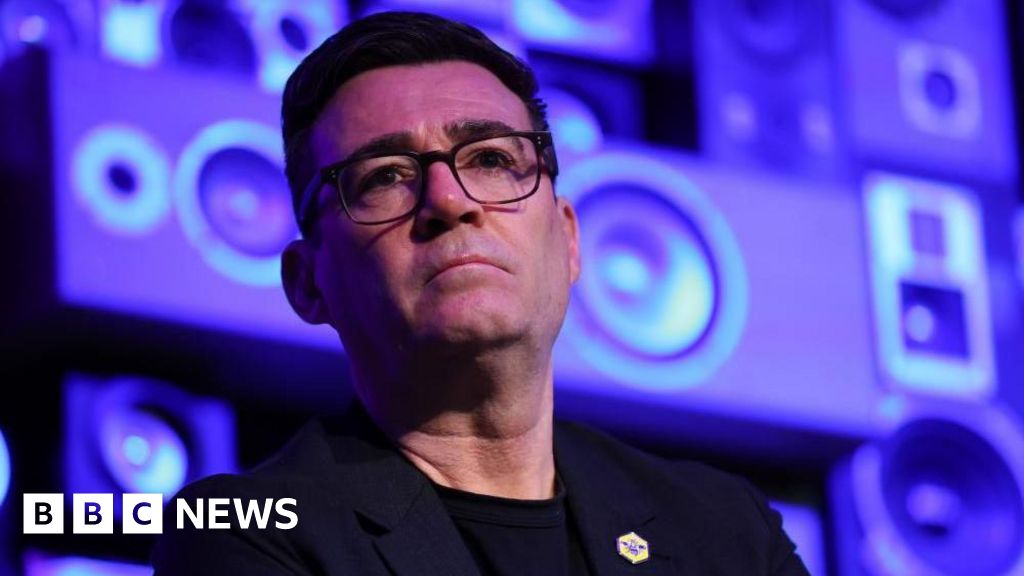
UK borrowing costs rise and pound falls as leadership drama continues