

Entertainment
Iran war’s surprises

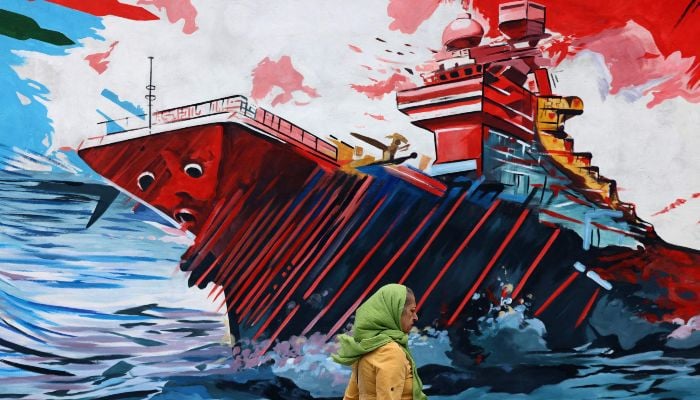
In some ways, you can feel it in your bones. A momentous wave of anxiety has swept across a world that is struggling to contend with the impact and possible consequences of the unfinished Iran war. We are poised at a turning point in history and no one knows how it will play out.
But there are certain messages that we can already decipher. In an allegorical sense, we have seen the powerlessness of power. And there is this example of how a battered country that has suffered huge losses in life and property can find strength and influence with its strategic response to a mighty force.
It would be hard for a creative writer to imagine this story. She may prefer to tell it in the mode of magical realism. Or we would need a Homer to do this because the events of the past about two months have the intimations of Greek mythology. And the big challenge in any fictional presentation of the Iran war would be to draw the character played in reality by President Donald Trump of the United States.
I may be excused for this fanciful digression. It is largely prompted by my inability to bring together the different perspectives and properly interpret developments across numerous fronts. There are so many surprises and wonders that this war has generated. And more twists and turns remain embedded in a story that is rooted in the very nature of relations between Iran and the US, with Israel pulling strings from behind the curtain.
Though the ceasefire was indefinitely extended by President Trump just a few hours before the initial two-week ceasefire was set to expire, a war-like situation has continued because of the blockade of the Strait of Hormuz. This affects the entire world and intensifies the energy and economic crises that were totally not foreseen when the US and Israel began their essentially pointless war.
We, in Pakistan, need to understand our very complex and intimate relationship with this war. That we are in a very good place in that respect is not to be doubted. Our diplomatic triumph in becoming a mediator is a remarkable achievement, allowing ordinary citizens to take pride in their country.
But we, too, have to pay the cost of this conflict and I don’t see much attention being paid to this question at an intellectual level. A massive disruption in the affairs of the countries in the Gulf region, particularly the UAE, will soon have a large impact on our economic and social sectors.
There is so much that is fervently debated in our casual conversations. I am a bit amazed by the passion people I know invest in these discussions. They are also baffled by some outcomes of this ongoing war. This widely accepted perception of Iran’s astounding resistance to American aggression is generating great excitement. So, what upheavals will mark the birth of a new order? Where does China belong in this equation?
As I said, things are not easily comprehensible. Overall, it is a grim situation that highlights distinct problems across countries. At the time of this writing, a flicker of hope has risen with the prospect of the second round of negotiations between America and Iran in Islamabad, the city that has been in a security lockdown for more than a week. How this excessive security has affected the lives of the citizens and has even created food and fuel shortages is another story.
Anyhow, the visit of Iranian Foreign Minister Abbas Araghchi has coincided with a senior White House official’s announcement in Washington, DC, that Steve Witkoff, the US special envoy, and Jared Kushner, the son-in-law of President Trump, were returning to Islamabad to resume negotiations with Iranian officials.
This means that the second round of talks would be held at a lower level, in the absence of Vice President JD Vance and Iranian Parliament Speaker Mohammad Bagher Ghalibaf. They would be expected to join the talks if an agreement is seen as possible. Since Iran has become more influential after 38 days of war, it would surely want to drive a hard bargain.
Meanwhile, I would like to underline two reports I have seen this week that explain some of the unbearable costs of the Iran war. One is a warning by the UN that this war will push more than 30 million people back into poverty and increase food insecurity in the coming months. The other is about the incredible cost of the war for the US in terms of high-value military equipment.
Alexander De Croo, administrator of the United Nations Development Programme (UNDP) said on Thursday: “Even if the war would stop tomorrow, these effects, you already have them, and they will be pushing back more than 30 million people into poverty”. He warned of other fallouts of the war, including energy shortages and falling remittances.
He said that disruption to fuel and fertiliser supplies due to the blocking of cargo vessels through the Strait of Hormuz has already lowered agricultural productivity and will hit early yields later this year.
A report in The New York Times, quoting administration and congressional officials, said that the Iran war has drained US supplies of critical, costly weapons. Pentagon’s rush to rearm its Mideast forces has made it less ready to confront potential adversaries, such as China and Russia.
Though White House officials have so far refused to estimate the cost of the conflict, two independent groups say the expense is staggering: between $28 billion and $35 billion, just under $1 billion a day. In the first two days alone, the military used $5.6 billion in munitions.
Let me conclude with what Senator Jack Reed, the top Democrat on the Armed Services Committee, said this week: “At current production rates, reconstituting what we have expended could take years”.
And yet, America has not attained any of its objectives.
The writer is a senior journalist. He can be reached at: [email protected]
Disclaimer: The viewpoints expressed in this piece are the writer’s own and don’t necessarily reflect Geo.tv’s editorial policy.
Originally published in The News
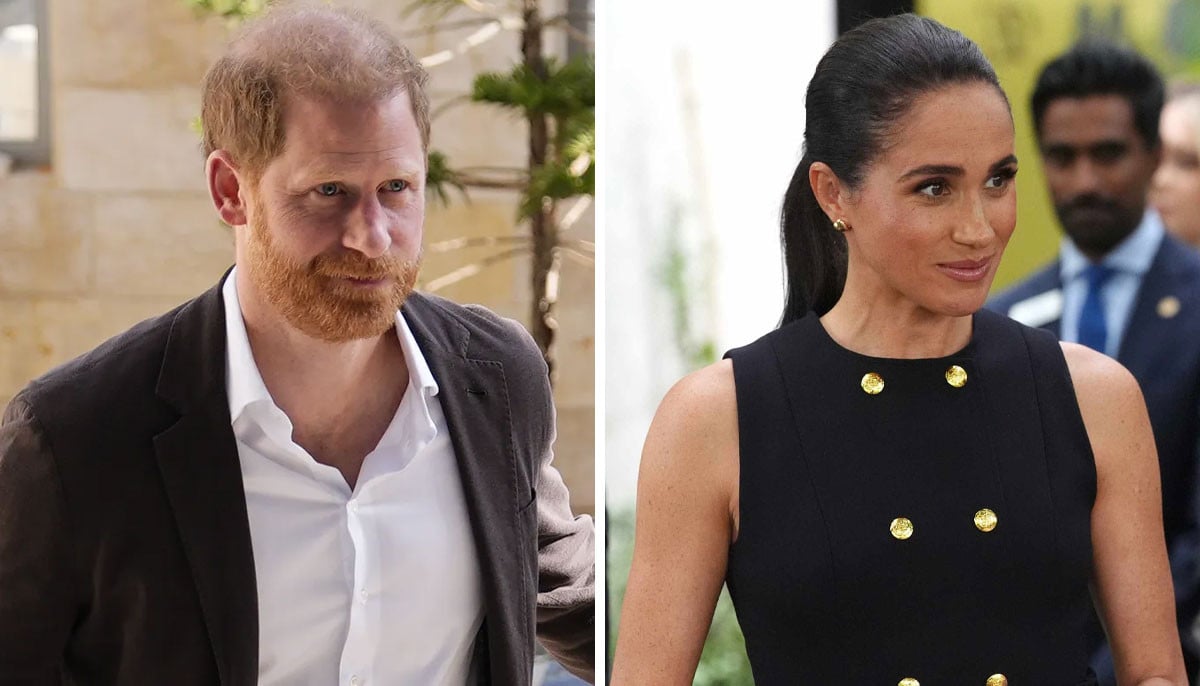
Prince Harry appears to be confident in his efforts as he believes there a major opportunity opening up for them in the UK, as King Charles continues his State Visit in the US.
The Duke of Sussex, who is slated to return to the UK for the upcoming Birmingham Invictus Games, is making sure that his wife is on-board the new plan of action, insiders revealed.
Harry has “totally banking on as he’s assured his father that they’ll be bringing Archie and Lili to finally enjoy some quality time with him”, sources told Closer. However, they noted that Meghan is “still in two minds” about travelling back to UK after all these years.
However, Harry argues that if he is going to make a return to the royal fold, it has to be with Meghan otherwise it would look “pretty odd”. He insists that this is a “non-negotiable” part of the plan even if Meghan is not willing to live in Britain or immerse herself in it fully. She can travel more frequently but she would have to be standing by his side.
The sources added that for Harry it makes “perfect sense” to find a property close to Windsor which they can use as “crash pad” whenever they are in town and it would eventually be something they Prince Archie and Princess Lilibet can inherit.
It would allow the Sussex children to grow close to their British heritage and their royal relatives, further strengthening their ties with the monarchy.
Meghan has “plenty of conditions that need to be met” before she’s fully signed off on the trip, but Harry has taken a clear stance about her presence and support for UK plans.
It remains to be seen how this pans out as the reconciliation process with King Charles has been put on pause.
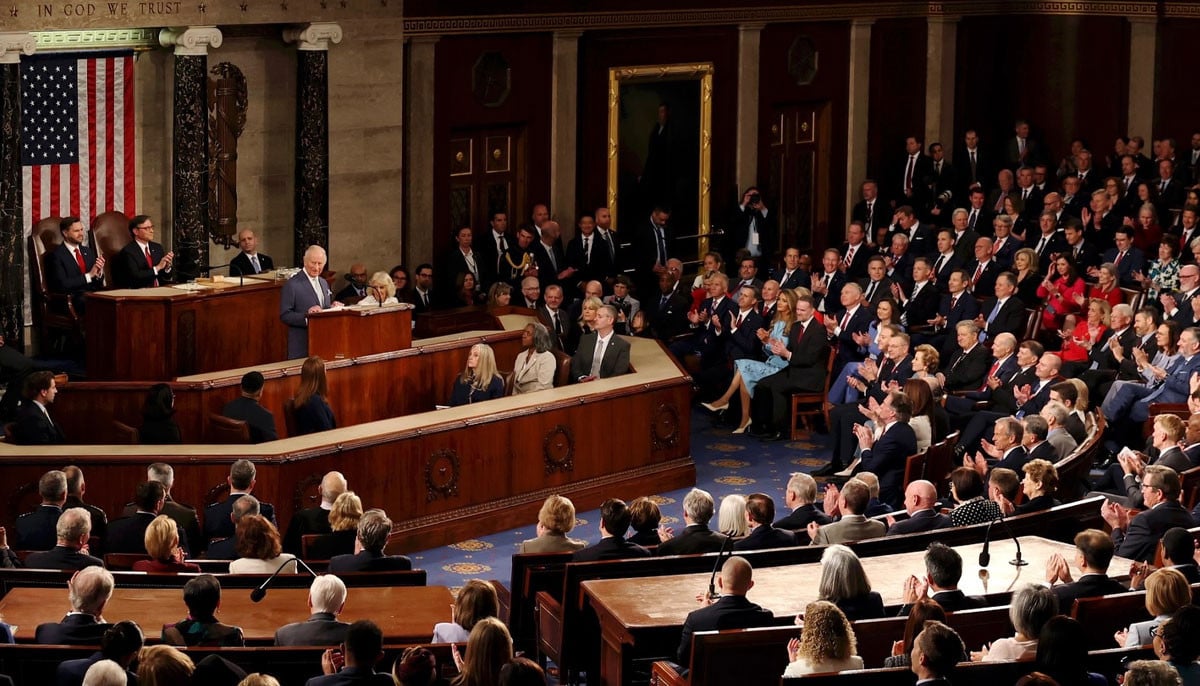
King Charles remembered Prince William in quite an unexpected way during the State Dinner speech.
Source link
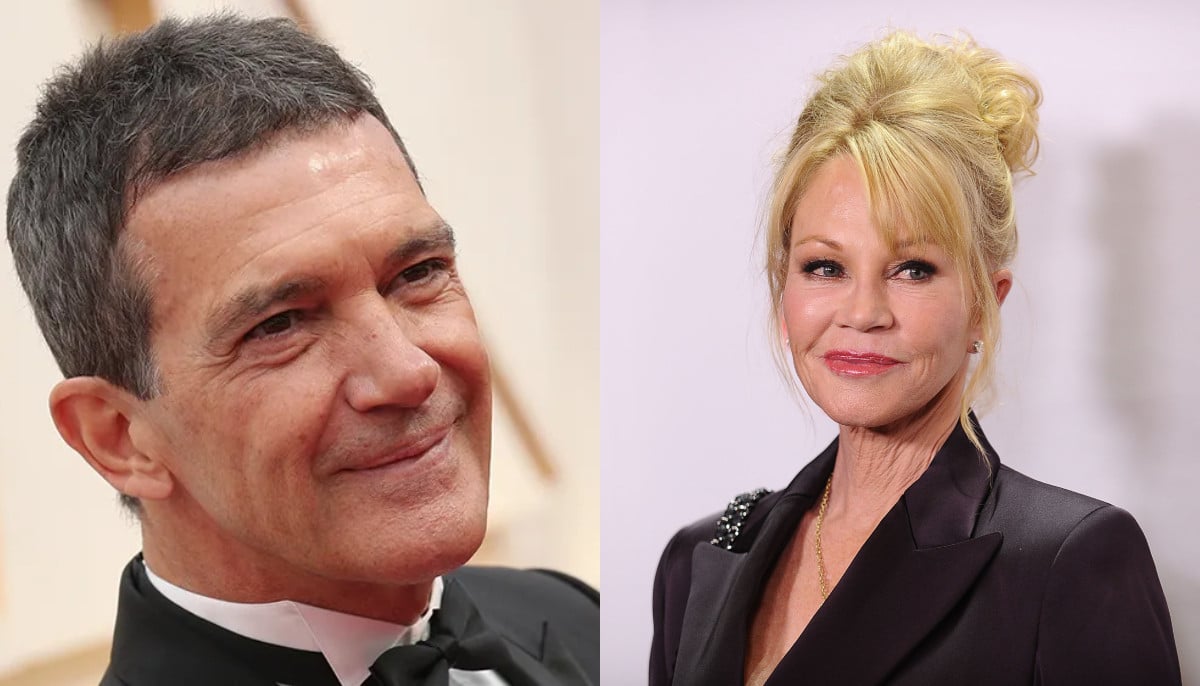
Antonio Banderas has shared a heartwarming family photo from a Los Angeles reunion with ex-wife Melanie Griffith and their daughter Stella, and his caption said everything about how the former couple have chosen to handle life after divorce.
The actor, 65, posted the snap on Instagram on Monday, 27 April, showing himself beaming alongside Stella, 29, Griffith, 68, and Stella’s husband Alex Gruszynski.
Banderas leaned into his daughter as she threw her head back laughing, while Griffith and Stella held hands and Gruszynski rested his head on Griffith’s shoulder.
“A lovely and fun moment yesterday in Los Angeles with my son-in-law Alex, my daughter Stella, and my ex-wife and lifelong friend, Melanie,” Banderas wrote in his caption.
The warmth in the post reflects a dynamic Banderas has spoken about openly for years.
In 2018, he told PEOPLE: “Even if we are divorced, she is my family and I will love her until the day I die. We have been in contact all these years and we managed to do a separation that is very elegant.”
He added at the time that keeping things harmonious for their children was always the priority.
“Our kids are enjoying that and that is very important for both of us. Our kids are priority No. 1.”
Griffith, for her part, has also spoken warmly about staying close with the men she has loved. “I love them with all my heart,” she said in 2020.
Banderas and Griffith first encountered each other at the 1989 Oscars and reconnected on the set of Two Much in 1995.
They married the following year and welcomed Stella before Griffith filed for divorce in 2014, citing irreconcilable differences.
The divorce was finalised in 2015. Banderas has remained close not only with Griffith but also with her daughter Dakota Johnson, whom she shares with ex-husband Don Johnson.


Uh-Oh: This Office Chair Is So Comfortable I Can Fall Asleep in It

New Zealand’s apparel imports dip slightly to $1.18 bn in FY2025–26

Prince Harry sets ‘non-negotiable’ condition for Meghan in UK plans

-

 Politics1 week ago
UK’s Starmer seeks to deflect blame over Mandelson appointment
-
 Business1 week ago
How Trump’s psychedelics executive order could unlock stalled cannabis reform
-

 Entertainment1 week ago
Lee Anderson, Zarah Sultana kicked out of UK Parliament for calling PM ‘liar’
-
 Business1 week ago
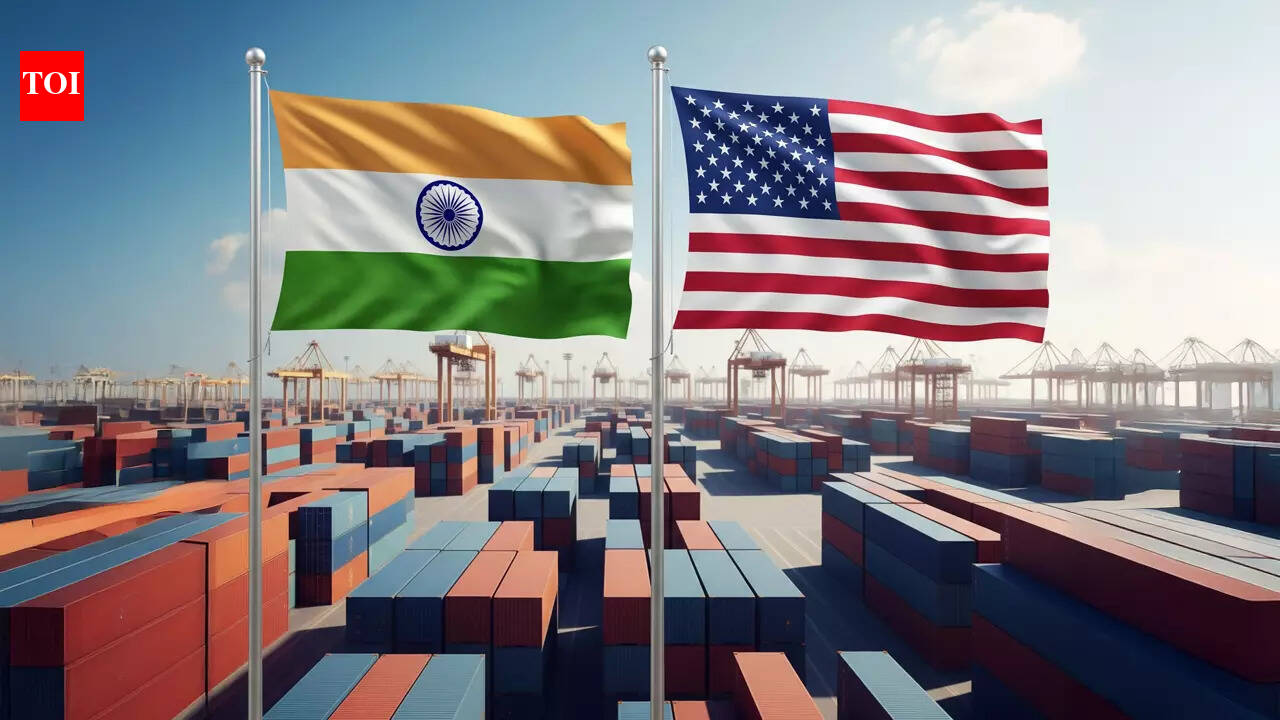
Us-India Trade Talks: US–India trade deal: Where do talks stand & what to expect – explained – The Times of India
-

 Tech1 week ago
A Humanoid Robot Set a Half-Marathon Record in China
-

 Fashion1 week ago
India, US to resume BTA talks today
-
 Business1 week ago
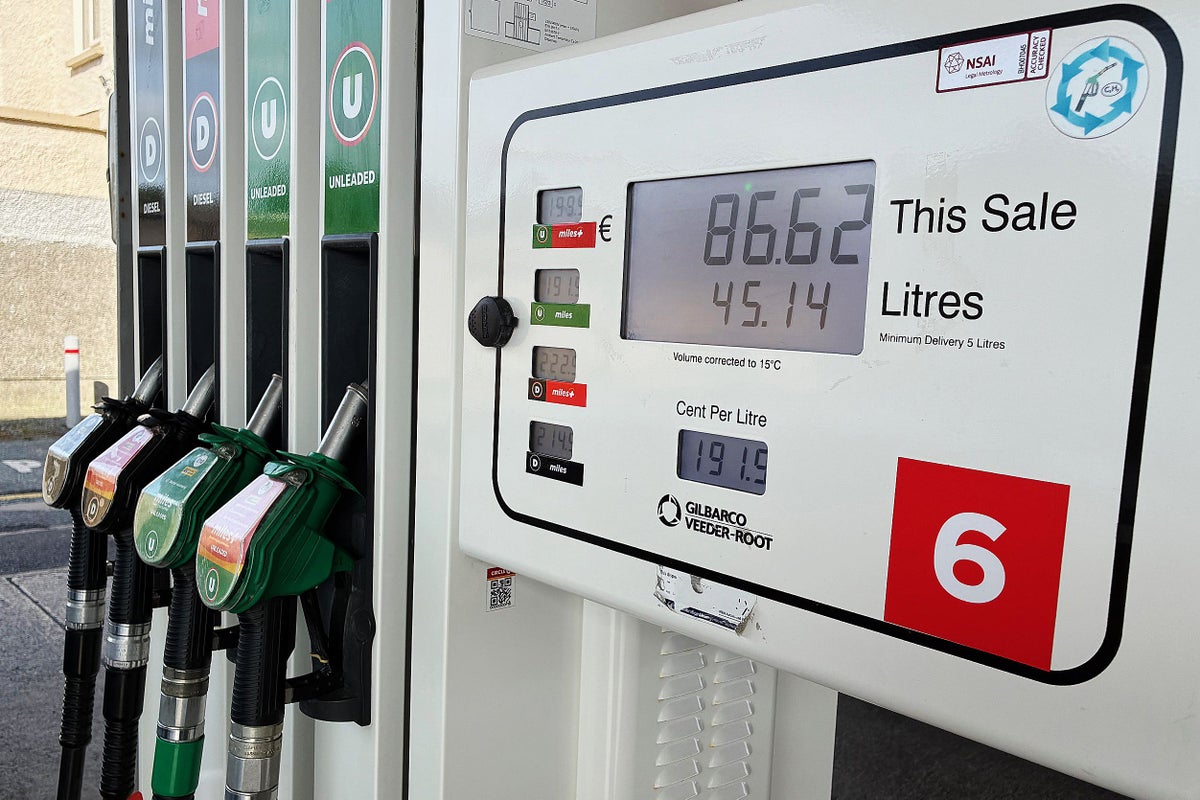
UK inflation accelerates after Iran war drives sharp rise in fuel prices
-

 Sports1 week ago
‘It’s his superpower’: Inside Fernando Mendoza’s extraordinary rise to No. 1