

Fashion
Italian group Prada’s retail sales up 9% in 9 months of 2025

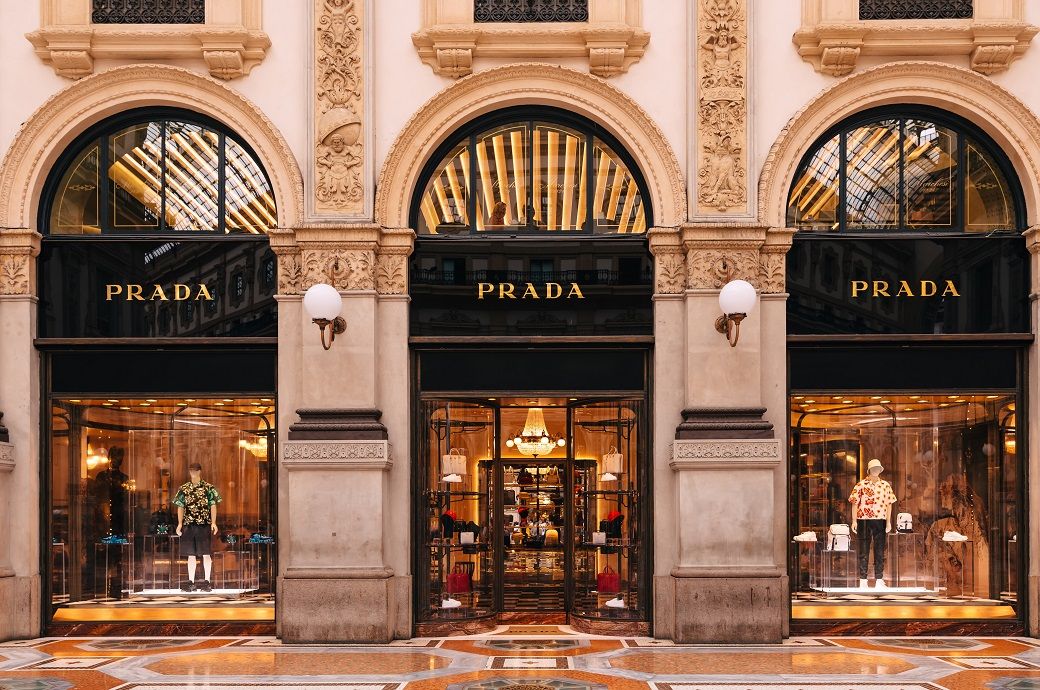
Prada achieved double-digit growth in Asia Pacific (10 per cent), with improving trends in Mainland China. Europe rose 6 per cent, supported by resilient local demand and steady tourism. The Americas advanced 15 per cent, showing sequential acceleration in the third quarter. Japan grew 3 per cent, with stronger local and traveller demand after exceptional tourism in 2024. The Middle East delivered robust 21 per cent growth, moderating slightly in the third quarter.
Prada Group’s retail sales increased 9 per cent to €3,647 million (‘$4.26 billion) in the nine months to September 2025, with the third quarter up 8 per cent.
Asia Pacific grew 10 per cent, the Americas 15 per cent, Europe 6 per cent, Japan 3 per cent, and the Middle East 21 per cent.
Miu Miu surged 41 per cent, while Prada remained resilient.
“The consistency of our results, in a complex macroeconomic environment, confirms the strength of our brands and the validity of our strategy. With the one just closed, the group has delivered 19 quarters of uninterrupted growth. We continue to focus on creativity, product excellence and craftsmanship as foundations for enduring relevance and long-term development. These principles guide us as we navigate an evolving landscape with confidence, discipline and responsibility,” Patrizio Bertelli, Prada Group chairman and executive director, said.
Prada showed good resilience, with retail sales at -1.6 per cent over the nine-month period and -0.8 per cent in Q3. The brand continued to express its creative dynamism, driving a well-balanced product category mix and a consistent focus across strategic price points. The Womenswear SS26 fashion show offered a unique reflection on the role of clothes in reaction to the overloaded contemporary culture, the company said in a press release.
Miu Miu progressed on a healthy growth trajectory at 41 per cent y-o-y, with the third quarter at 29 per cent, driven by widespread appreciation across categories and geographies, as its captivating aesthetics continued to nurture the global influence of the brand. The SS26 fashion show underlined the social importance of work in women’s life. The FW25 campaign re-imagined wardrobe archetypes through a fluid interplay of tailoring and feminine silhouettes, while the Atheneum pop-up initiative embedded collegiate codes with the brand’s irreverence.
“Our performance confirms the health of our brands and further solid, diligent execution by our teams. Prada accelerated versus the previous quarter; Miu Miu has maintained a sustained growth trajectory for 4 years, including in this quarter that was facing triple-digit comps. Despite a still challenging environment, we remain confident in our trajectory, focusing on products and experiences that spark emotional engagement, while further improving our speed and flexibility,” Andrea Guerra, group chief executive officer, said.
Fibre2Fashion News Desk (RR)










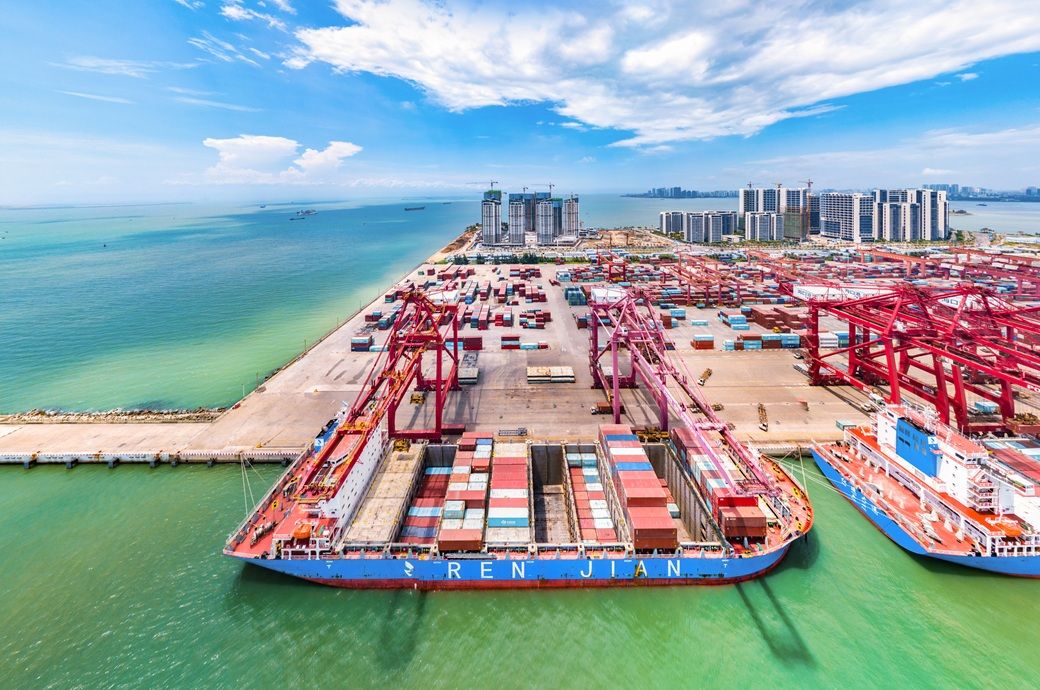
Official data showed that 186 transactions were completed under the zero-tariff policy, covering goods worth nearly ¥1.7 billion (~$236 million), reflecting a 1.46-fold rise compared to the previous year. The policy also resulted in duty exemptions totalling ¥271 million (~$37.6 million).
The figures were released at a press conference held ahead of the 100-day milestone of the policy’s implementation.
Hainan Free Trade Port recorded trade exceeding ¥80 billion (~$11.6 billion) in its first 100 days of special customs operations, up 32.9 per cent YoY.
A total of 186 zero-tariff transactions were completed, covering goods worth ¥1.7 billion (~$236 million), while duties worth ¥271 million (~$37.6 million) were exempted, reflecting strong early momentum.
Launched on December 18, the island-wide special customs operations aim to facilitate smoother entry of overseas goods, expand the scope of zero-tariff items, and create a more business-friendly trade environment.
Positioned as the world’s largest free trade port by area, Hainan FTP is expected to play a strategic role in advancing China’s trade liberalisation and economic openness.
Fibre2Fashion News Desk (JP)
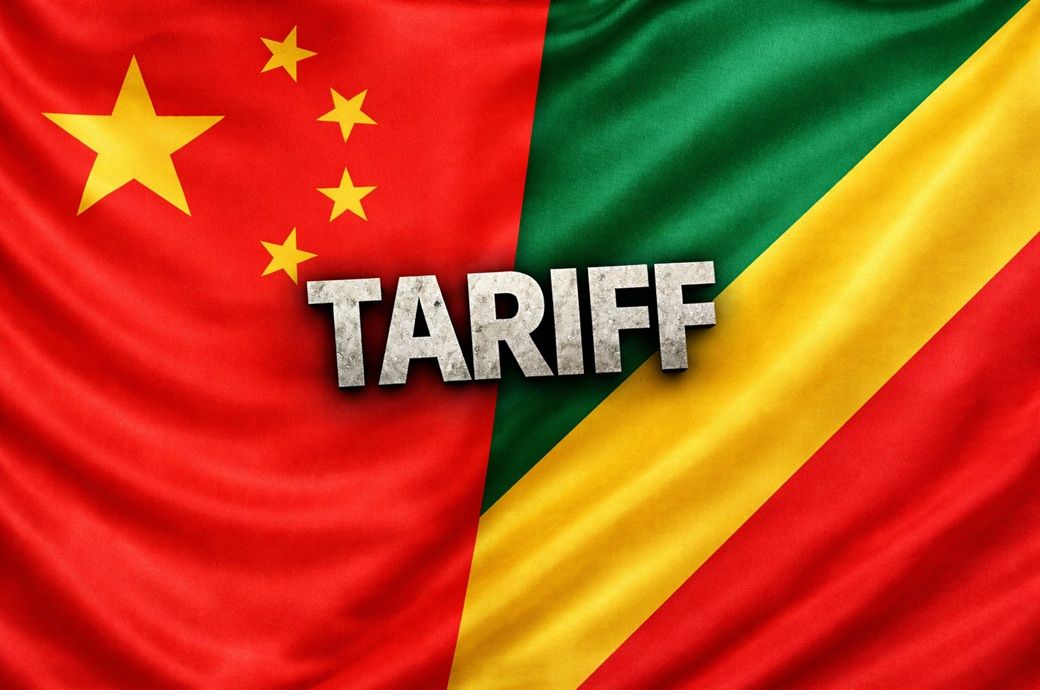
The measure implements tariff reduction commitments made under the ‘Early Harvest Arrangement of the Agreement on Economic Partnership for Shared Development’ between the two countries.
China will implement preferential tariff rates on selected imports from the Republic of the Congo starting April 1 under the Early Harvest Arrangement of their economic partnership agreement.
The move announced by the Customs Tariff Commission, is aimed at fulfilling tariff reduction commitments, enhancing bilateral trade cooperation and advancing long-term economic ties between the two countries.
The commission said the move is in line with China’s tariff law and reflects the country’s continued efforts to expand opening-up and strengthen trade ties with African partners.
Officials stated that the preferential tariff treatment will help deepen bilateral economic and trade cooperation and support the development of a higher-level community with a shared future between China and the Republic of the Congo.
The Early Harvest Arrangement, signed in November 2025, marked the first such agreement of its kind between China and an African country, paving the way for broader market access and phased tariff reductions.
Fibre2Fashion News Desk (JP)
These countries are particularly vulnerable to rising oil prices and potential supply disruptions, it noted in a recent article.
The Iran war poses a greater risk to Bangladesh, Pakistan and Sri Lanka, and to a lesser extent Laos, due to their high dependence on imported energy and limited reserves, S&P Global Ratings said.
These countries are particularly vulnerable to rising oil prices and potential supply disruptions.
All four governments are likely to see significant credit metric deteriorations, if the conflict is prolonged.
In our base case scenario, the war is unlikely to have a material impact on our sovereign ratings on these countries, but a more prolonged price and supply shock in global energy markets could cause more pronounced credit damage.
Pakistan, Sri Lanka, and Bangladesh are showing signs of economic recovery. The three countries have made progress, but sustained high energy prices and potential disruptions to trade and remittances could derail their fragile economies.
S&P Global Ratings believes the higher-income Asia-Pacific (APAC) economies are better placed to weather temporary disruptions to oil and gas supply from the Middle East.
Even where they are highly dependent on imported energy, they generally have more significant oil reserves to meet the shortfall in imports. They also have financial resources to acquire available supply in the spot oil and gas markets to secure needed energy, the rating agency noted.
Lower-income economies in the region do not enjoy such flexibility. The sovereign ratings on some may face pressure if the supply disruption persists longer than our assumptions. Bangladesh, Laos, Pakistan and Sri Lanka are among this group. These economies have one thing in common: a high dependence on imported energy products.
The Middle East war is likely to have a more severe impact on these economies, due to their fuel import bills, and generally weaker fiscal and external reserves to withstand supply shortages and high oil prices.
Among the four sovereigns, Laos is likely to fare better due to the dominance of hydropower in its energy mix.
Bangladesh, with government revenues at only around 9 per cent of gross domestic product, has fewer options to cap electricity and fuel prices through fiscal means.
All four governments are likely to see significant credit metric deteriorations, through inflation and currency channels, if the Middle East conflict is prolonged. However, the impact on the agency’s ratings on these sovereigns may be limited, as the generally low rating levels have already captured a significant share of the risks.
S&P Global Ratings’ base case for the Middle East war assumes that elevated hostilities will persist into early April, with the Strait of Hormuz facing material disruptions.
Fibre2Fashion News Desk (DS)


Hainan free trade port crosses $11.6 bn trade in 100 days

Antonio Banderas opens up on ethnic stereotyping in Hollywood

Trump hints at future target, raises stakes after Iran, Venezuela moves

-
 Business1 week ago
Flipkart group CFO to leave co amid IPO plans – The Times of India
-
 Business1 week ago
Video: The Effects of High Oil Prices
-

 Fashion7 days ago
China’s textile & apparel exports surge 17% to $50 bn in Jan-Feb 2026
-

 Sports1 week ago
Rating Adidas’ 2026 World Cup away shirts: Argentina, Spain, Mexico and more
-

 Fashion1 week ago
The hidden $1.62 war tax now embedded in every garment you source
-

 Sports1 week ago
American Conference Commissioner Tim Pernetti thanks Trump for Army-Navy game executive order
-
Tech1 week ago
The Corsair 4000D RS PC Case Keeps Your System Cool
-

 Tech1 week ago
‘Uncanny Valley’: Nvidia’s ‘Super Bowl of AI,’ Tesla Disappoints, and Meta’s VR Metaverse ‘Shutdown’