

Entertainment
Jim Carrey nearly ditched $20 million ‘Grinch’ offer


Jim Carrey has revealed just how close he came to walking away from one of the biggest roles of his career, nearly returning a reported $20 million paycheck while filming How the Grinch Stole Christmas.
As the holiday classic marks its 25th anniversary, the actor opened up in a new oral history with Vulture about the extreme physical and mental toll the role took on him behind the scenes.
While the 2000 Ron Howard-directed film became a massive success, earning $346 million worldwide and topping the domestic box office that year, Carrey says the experience of becoming the Grinch was almost unbearable.
The transformation involved hours of heavy makeup, prosthetics, and a full-body suit that left him struggling just to get through the day.
Legendary makeup artist Rick Baker explained that the studio initially wanted a much simpler approach.
“The studio said, ‘We’re paying Jim $20 million, and we want to see him. Just paint him green,’” Baker recalled. But he pushed back, insisting the character needed to look like the Grinch, not “green Jim Carrey.”
After public backlash, the studio agreed to the more elaborate design.
That decision came at a cost.
Carrey explained how the prosthetics affected his breathing and movement, saying, “Ultimately, I ended up mouth-breathing through the entire movie.”
He described the suit as unbearably itchy, his vision severely limited, and even simple actions like scratching impossible.
Producer Brian Grazer shared that Carrey refused digital shortcuts, insisting on fully committing to the character, even when it caused him intense pain.
“It was something that I asked for that I can’t blame on anyone but myself,” Carrey admitted.
Director Ron Howard revealed that after spending eight hours in the makeup chair on the first day, Carrey reached his breaking point.
“He was ready to give his $20 million back! I mean, he was sincere,” Howard said. The actor even began experiencing panic attacks on set.
To keep the production on track, the filmmakers brought in a specialist trained in helping people endure extreme stress.
That guidance, along with music from the Bee Gees, eventually helped Carrey cope, and the makeup process was reduced to about three hours.
Looking back, Carrey has said he’d only consider playing the Grinch again using motion-capture technology.
For now, his story offers a striking reminder that even the most iconic performances can come at a personal cost far greater than audiences ever see.
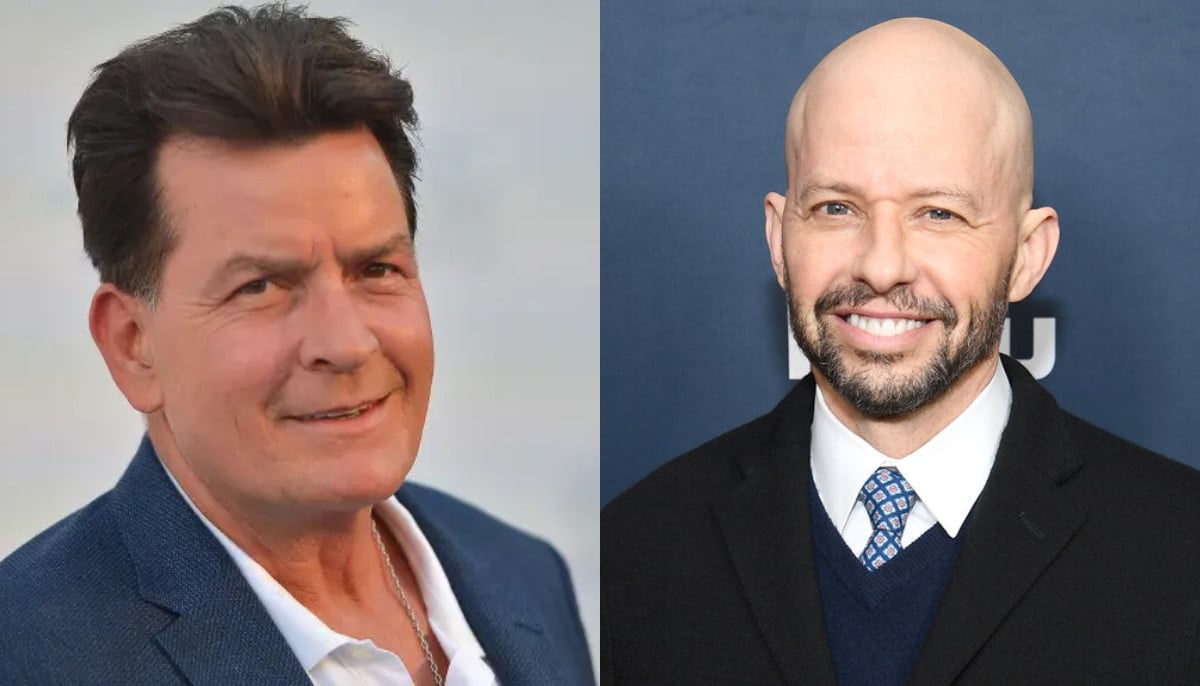
Charlie Sheen has admitted he still hasn’t reached out to his Two and a Half Men co-star Jon Cryer despite repeatedly saying he intends to, and took a playful swipe at his old friend for being “a little grudgy” more than a decade after their famous falling-out.
Sheen was speaking at a For Your Consideration event for the Netflix documentary aka Charlie Sheen in Los Angeles on 22 April, where he was asked about reconnecting with Cryer, who also participated in the film.
“Every time this comes up, I say I’m going to [reach out to him] and I never do,” he told PEOPLE. “I don’t like to bother people. But I think Jon would be open to that. Jon’s a lovely man and a very talented guy.”
During the panel portion of the evening, Sheen couldn’t resist a gentle jab at Cryer’s absence.
“Jon’s not here tonight, is he? No, he’s a little grudgy like a decade and a half later. I’m like, ‘Dude, what the f—? I got over it. What are we doing, Jon?'”
He quickly softened, expressing genuine appreciation for everyone who agreed to participate.
“They could have easily said, ‘Go f— yourself. I’m not interested. I lived it. I don’t need to talk about it again.’ And I would have been, ‘OK, that’s fine.’ But they didn’t, and they stepped up.”
The documentary and Sheen’s memoir The Book of Sheen both landed in the same week in September 2025, with Sheen describing the experience of finally documenting his story as a relief.
“It’s documented, and I think told beautifully, visually and, hopefully, decently. There’s stuff in the book that’s not in the doc and vice versa, because there are things I couldn’t capture with the written word that [director Andrew Renzi] did visually, because some things you just have to see to feel it.”
He also recalled being uncertain about taking part at first, until Renzi laid out his case.
“He said, ‘Because you have a story that is unlike anyone who’s ever just in the business, but also outside of it.’ And then he went through listing stuff, and I’m like, alright, OK.”
Renzi put it plainly: “There’s only one Charlie Sheen… and there’s just not many people that would have had the life that he had that would want to talk about it, or are alive to talk about it.”
Sheen, who has been sober for eight years, said he would not have taken on either project while still in the grip of addiction.
“I think it always sort of had a happy ending attached to it, regardless of where the story went.”
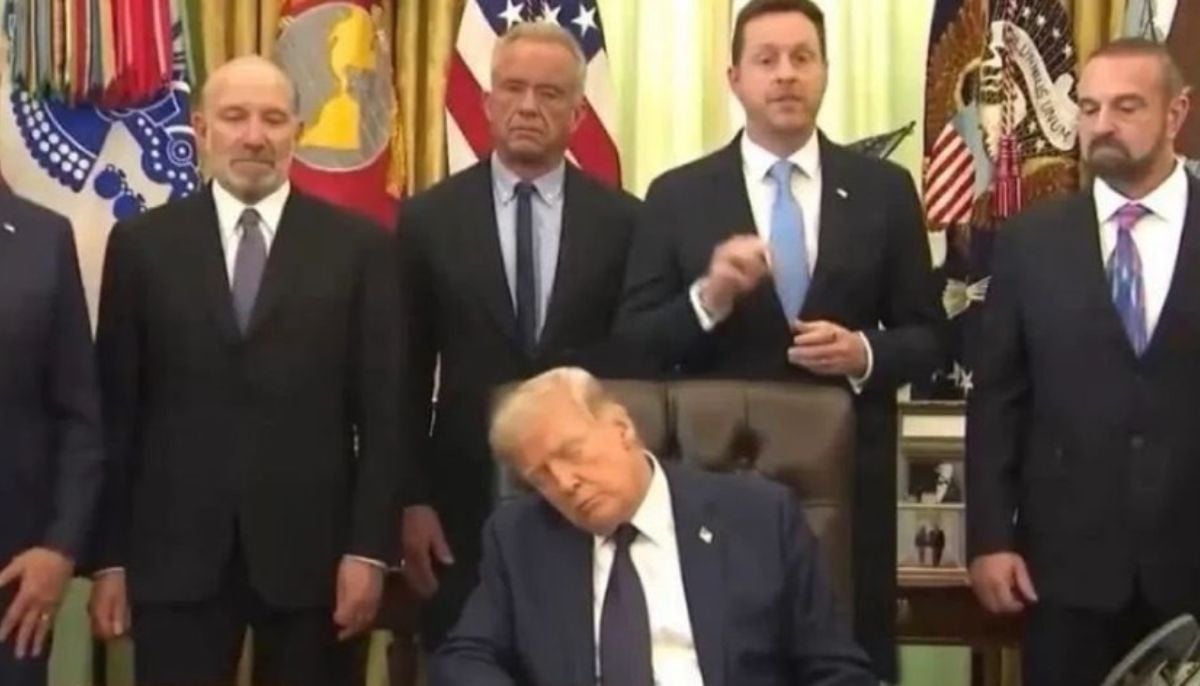
In a recent White House meeting, U.S. President Trump momentarily dozed off .
The incident sparked speculations about the 79-year-old president’s health, with a prominent medical expert indicating the symptoms may point to sleep apnea.
This video, which was recorded at the affordability event at the Oval Office on Thursday, displays Trump sitting with his eyes shut, jaw hanging loose, and head slumped down. Even though there have been no medical warnings made by the White House, it has generated a lot of discussions on social media.
A medical expert, Dr. Jonathan Reiner, a professor of Medicine and Surgery linked with CNN, weighed in on the matters.
Reiner wrote on X (formerly known as Twitter): “When a patient tells me that they can’t stay awake in meetings, we do formal sleep testing to look for sleep apnea.”
“The president continues to struggle with daytime somnolence. This is a common problem, and there are things that can be done to improve these symptoms,” he added.
In medical terms, sleep apnea is a condition where the patient suffers from a pattern of interruptions in breathing while sleeping.
The White House does not acknowledge any such medical condition, and President Trump has not yet had an officially scheduled annual physical examination in 2026, although he has been known to undergo semiannual physical exams. It has been observed that President Trump, who is turning 80 in June, holds fewer public meetings than he did in his first presidential term.
Concerning the POTUS ‘health, Congressman Ted Lieu said: “There’s something mentally wrong with the President of the United States. There is also something physically wrong… he can’t stay awake at public events with the cameras rolling.”
However, White House has maintained the stance of Trump’s good health. Until now, no official medical evaluation has been released.
Given these rising concerns, another video of Trump is circulating where he can be seen falling asleep and violently hitting his head on the desk. However, that specific video is fake and AI-generated.
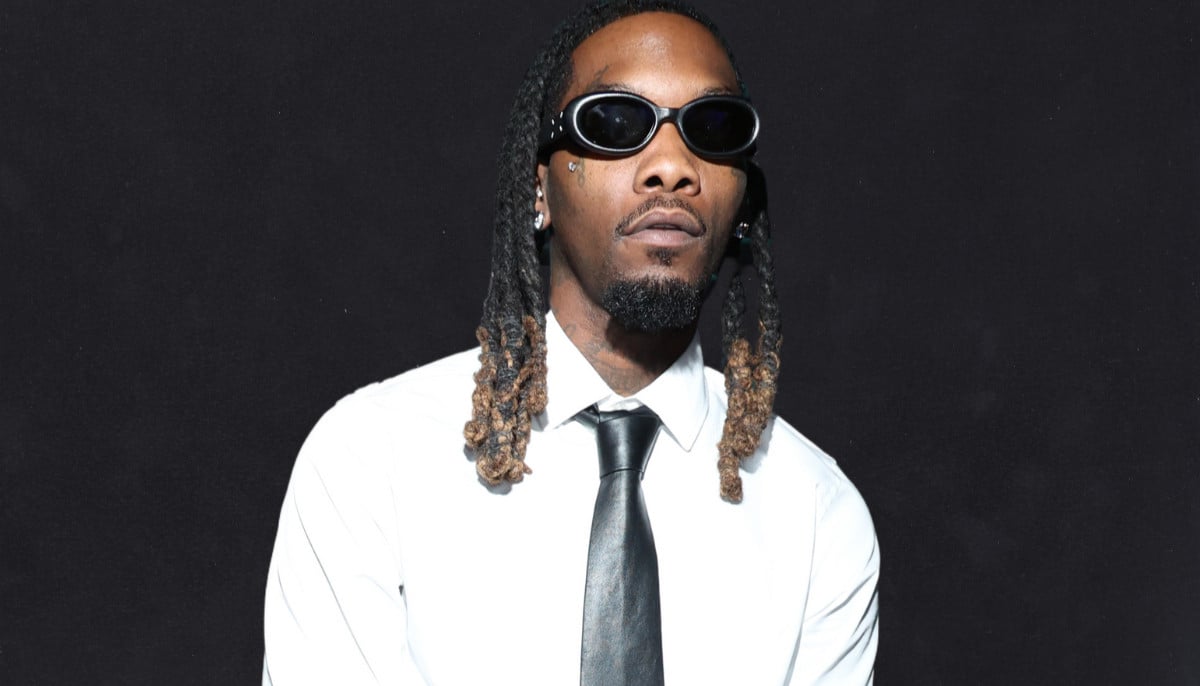
Offset is coming back stronger after his shooting accident which altered his plans, but he still showed up – even taking the stage on a wheelchair.
The 34-year-old rapper spoke about his recovery and accident in a new interview, sharing how he kept his morale up and continued pushing himself.
“You’ve got to keep pushing like the Energizer Bunny, man. Keep this s— pushing. Don’t got time to be slowing down.” Offset told the Creators Inc. Podcast on Thursday, March 23.
Speaking about his performance mid-recovery, the Annihilate hitmaker noted, “You got to go G6 — G5, sorry. Had them bring the bed out, lay on that thing for six hours, go to sleep. You cool.”
The rapper also hinted at his new album in the same interview, saying, “I’m trying to drop soon. Couple months from now. I don’t got no date yet, but getting the creative and all s— to go together. Removing songs, making new songs, just off life because all my s— always be off of life experiences. You know what I mean? What happens in my real life, I just put it in my music.”
Despite the Florida accident, Offset shared that he maintains a “gladiator mentality” which motivates him to push forward instead of being held down by such incidents.
“The show don’t ever stop at the end of the day. I was blessed enough to be able to still move, you know what I mean? So, I’m still moving. I didn’t really have a checklist for it,” he said.
The Open It Up singer added, “I don’t want nobody feel sorry for me or no s— like that. People get shot every day, bro, like, I’m blessed. I can keep pushing, so why would I just sit down? I got to keep pushing. I got to keep going.”


Charlie Sheen updates on relationship with old pal Jon Cryer

Iranian FM Abbas Araghchi lands in Pakistan ahead of renewed US talks

Mom’s Microwaved Coffee Won’t Stand a Chance With This Ember Smart Mug Deal

-

 Fashion1 week ago
France’s LVMH Q1 revenue falls 6%, shows resilience amid Iran war
-

 Tech1 week ago
CYBERUK ’26: UK lagging on legal protections for cyber pros | Computer Weekly
-

 Sports5 days ago
WWE WrestleMania 42 Night 2: Live match results and analysis
-

 Sports1 week ago
Faheem Ashraf backs Islamabad United’s push, calls league a ‘career-changing platform’
-

 Sports5 days ago
NCAA men’s gymnastics championship: All-time winners list
-
 Business1 week ago
PepsiCo earnings beat estimates as North American food business improves
-
 Tech1 week ago
Anthropic Plots Major London Expansion
-
 Business1 week ago
Oil prices fall again amid Middle East ceasefire hopes