

Fashion
Kering must downsize, reduce Gucci exposure and chase synergies, CEO de Meo says in memo


By
Reuters
Published
November 18, 2025
Kering‘s return to growth will require reducing its reliance on struggling flagship Gucci, further scaling back its store network and chasing more synergies, Chief Executive Luca de Meo said in a memo seen by Reuters.
The document, a summary of a more detailed memo dubbed “ReconKering” recently sent to senior staff, offers the first detailed overview of de Meo’s strategic vision for the group.
Emerging less than a month after the group struck a deal to offload its beauty divisionin a $4.7 billion euro deal with l”Oreal to raise much-needed cash and focus on its core luxury fashion business, the note is marked by a candid, yet modest tone.
“We remain humble,” de Meo wrote in the note, saying that his ambition was to “become the undisputed challenger in luxury” in five to ten years.
Long seen as a threat to its larger French rival LVMH, Kering has been grappling with a double-digit sales decline at its flagship label Gucci while piling up debt through acquisitions.
De Meo in the memo sets a 18-month timeline to get all brands back on the growth track, while saying that restoring a “top financial performance” will take three years.
Kering said in a statement de Meo outlined “the foundations of Kering’s future strategic plan” when taking over the helm in September, which have since been “broadly communicated with employees.”
The official strategy plan will be presented to investors next spring, it added.
In the note, de Meo said the company, which has closed 55 stores in the past year, further needs to downsize its retail network and rethink its price positioning and assortment after years of price hikes.
It also needs to cut back what de Meo called an “overdependency” on Gucci by developing its Saint Laurent, Bottega Veneta and Balenciaga brands.
The group’s jewellery division, which has struggled to scale up and compete with the brands of larger rivals LVMH and Richemont, needs to chase synergies, de Meo said.
Among the brands to develop, de Meo also cited suit maker Brioni, which has been rumoured as a likely divestment candidate along with loss-making fashion label Alexander McQueen.
Kering shares, which had lost over half of their value in two years, have risen by 75% since de Meo was hired to succeed controlling shareholder Francois-Henri Pinault as chief executive.
© Thomson Reuters 2025 All rights reserved.











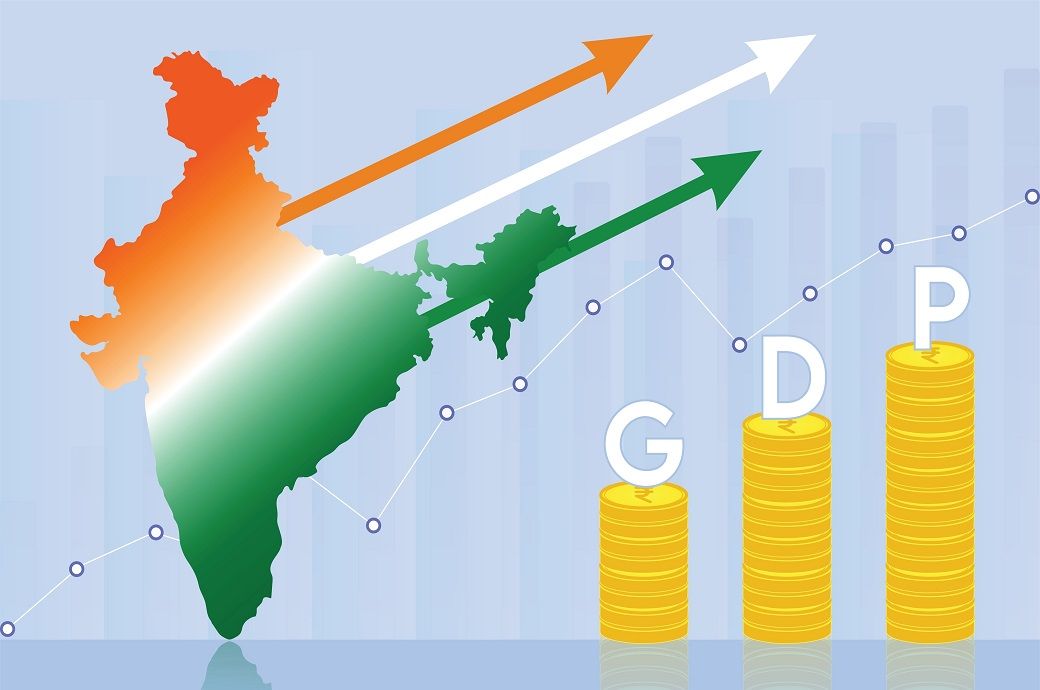
Nominal GDP, or GDP at current prices, is estimated to grow at 8.6 per cent to reach ₹345.47 trillion in FY26 against ₹318.07 trillion in 2024-25.
India’s real GDP is estimated to grow at 7.6 per cent to ₹322.58 trillion (~$3.54 billion) in FY26 compared to the first revised GDP estimate of ₹299.89 trillion for FY25 (7.1 per cent growth).
It released the new series of annual and quarterly national accounts estimates with FY23 base.
Real GVA is projected to grow at 7.7 per cent to reach ₹294.40 trillion in FY26 against ₹273.36 trillion in FY25.
Real gross value added (GVA) is projected to grow at 7.7 per cent to reach ₹294.40 trillion in FY26 against ₹273.36 trillion in FY25 (a 7.3-per cent growth rate).
Nominal GVA is estimated to grow at 8.7 per cent to hit ₹313.61 trillion during FY26, against ₹288.54 lakh crore in 2024-25.
Robust economic performance in FY26 is primarily on account of robust real growth observed in the second quarter (8.4 per cent) and third quarter (7.8 per cent).
The manufacturing sector has been the major driver of resilient performance of the economy the consecutive three fiscals after rebasing, a release from the ministry said.
Both private final consumption expenditure and grossed fixed capital formation exhibited more than 7-per cent growth rate in FY26.
Fibre2Fashion News Desk (DS)
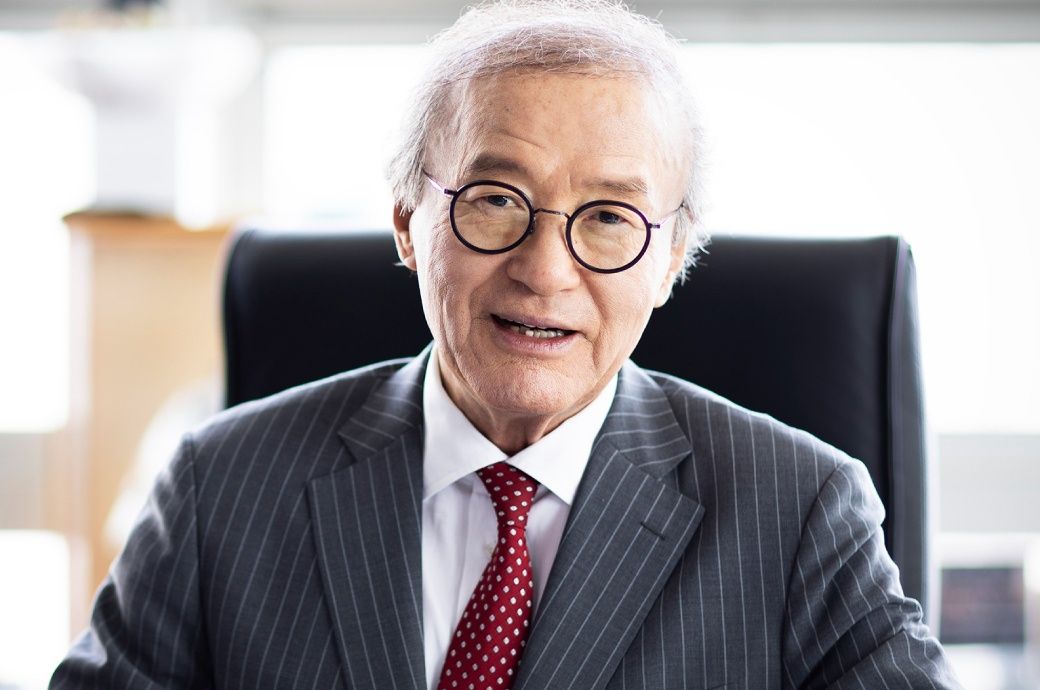
The transition marks the formal handover of executive leadership to President and CEO Keun-Chang (Kevin) Yoon, reinforcing management continuity while preserving the founder’s long-term strategic vision.
Misto Holdings founder Gene Yoon has transitioned to honorary chairman in a planned leadership succession, formally handing executive control to president and CEO Kevin Yoon.
The founder, who expanded the group through the FILA global trademark acquisition and the takeover of Acushnet, will continue guiding long-term strategy as the rebranded Misto focuses on governance and sustainable growth.
Gene Yoon founded the business that would become Misto Holdings in the early 1990s, introducing the FILA brand to the Korean market and later leading a series of transformative transactions. In 2007, the company acquired the global FILA trademark rights through a leveraged buyout, followed by the 2011 acquisition of Acushnet Company, owner of the Titleist and FootJoy brands. The transaction was among the largest cross-border deals in Korea’s consumer sector at the time and significantly expanded the group’s global footprint.
Under his leadership, the company evolved into a multi-brand global portfolio spanning sportswear, golf equipment and apparel, generating approximately USD 3.08 billion in annual revenue.
As Honorary Chairman, Gene Yoon will remain closely engaged with the company, providing guidance on long-term strategy and global portfolio development while supporting management from a broader strategic perspective.
The leadership transition marks a new chapter under President and CEO Kevin Yoon, who has spent nearly two decades in senior roles across the group’s global operations, building deep operational and strategic expertise.
The company’s 2025 rebranding to “Misto” underscores its evolution into a global brand house focused on disciplined capital allocation, enhanced shareholder returns and sustainable long-term growth.
“Building on the founder’s legacy, our priority is to expand our global portfolio, strengthen governance and deliver sustainable value creation,” said Kevin Yoon, President and CEO of Misto Holdings.
Note: The headline, insights, and image of this press release may have been refined by the Fibre2Fashion staff; the rest of the content remains unchanged.
Fibre2Fashion News Desk (RM)



Transfer rumors, news: Man City, Man United in for Anderson

EU urges ‘de-escalation’ between Pakistan and Afghanistan as tensions rise

Iran launches retaliation against Israel, launches ballistic missiles

-

 Tech1 week ago
A $10K Bounty Awaits Anyone Who Can Hack Ring Cameras to Stop Sharing Data With Amazon
-
 Business1 week ago
US Top Court Blocks Trump’s Tariff Orders: Does It Mean Zero Duties For Indian Goods?
-

 Fashion1 week ago
ICE cotton ticks higher on crude oil rally
-

 Entertainment1 week ago
The White Lotus” creator Mike White reflects on his time on “Survivor
-

 Politics7 days ago
Pakistan carries out precision strikes on seven militant hideouts in Afghanistan
-

 Tech1 week ago
Donald Trump Jr.’s Private DC Club Has Mysterious Ties to an Ex-Cop With a Controversial Past
-
 Sports1 week ago
Brett Favre blasts NFL for no longer appealing to ‘true’ fans: ‘There’s been a slight shift’
-
 Business7 days ago
Eye-popping rise in one year: Betting on just gold and silver for long-term wealth creation? Think again! – The Times of India