

Business
MCX Silver Jumps 6% To Hit Upper Circuit After 46% Crash; Can India–US Deal Spark A Sustained Rally?

Last Updated:
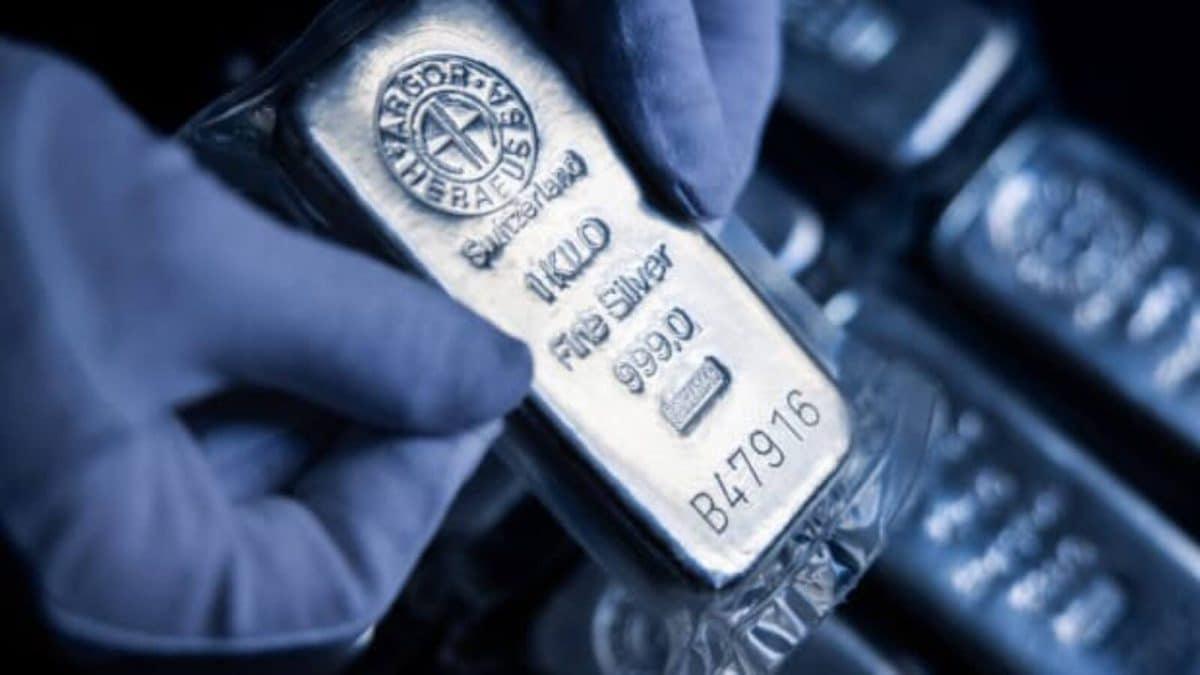
Silver prices staged a sharp rebound on Tuesday after an intense phase of liquidation that followed the abrupt unwinding of a record-setting rally



Silver Rates Surge Today
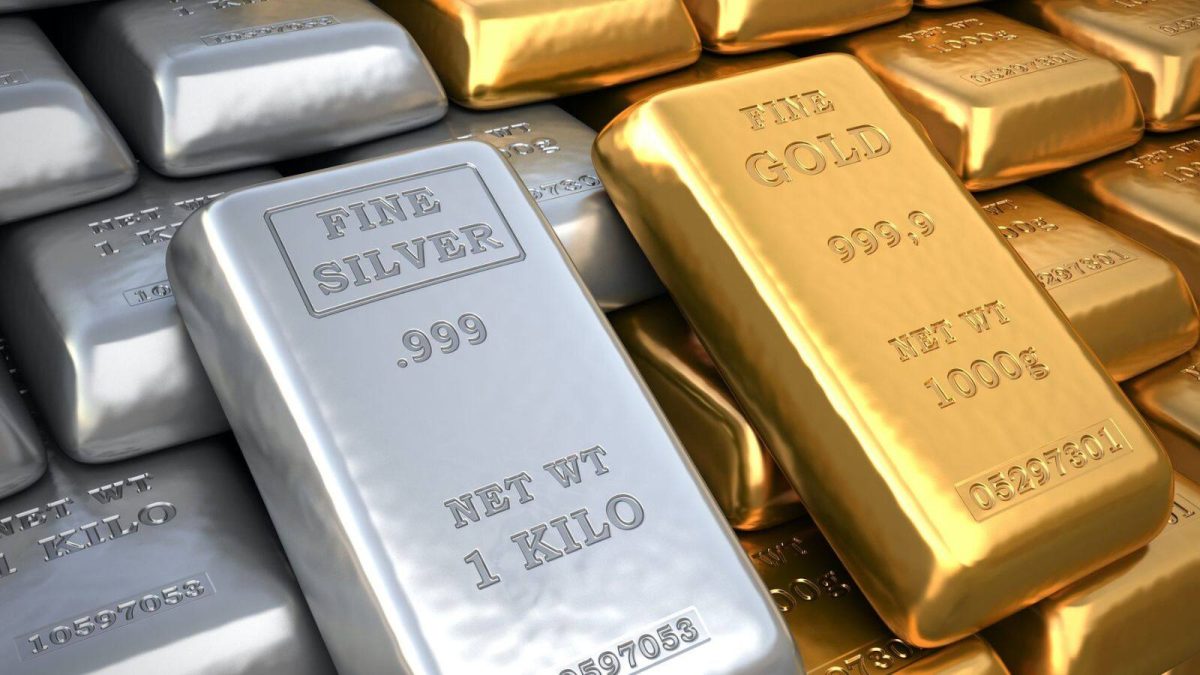
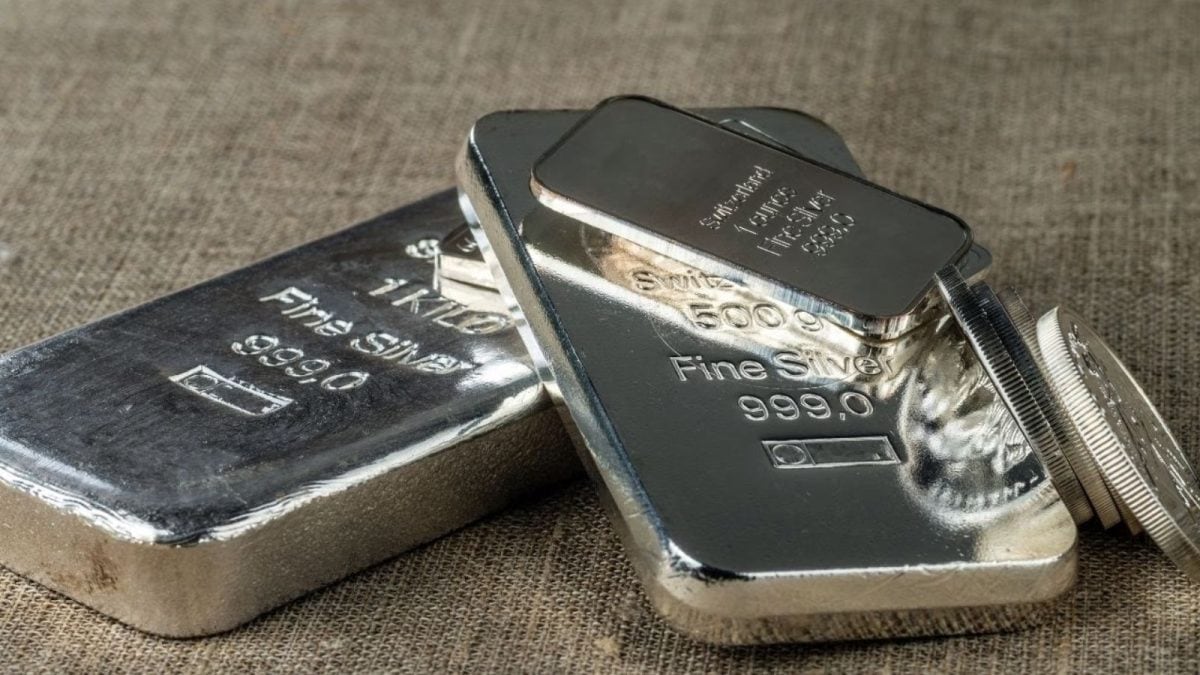
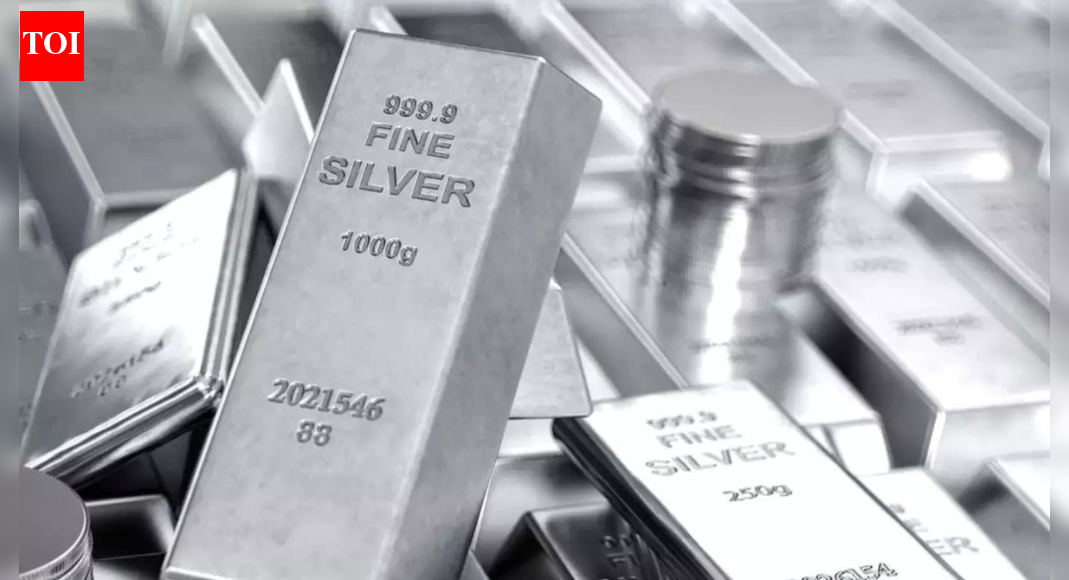
Silver Rates Today: Silver prices staged a sharp rebound on Tuesday after an intense phase of liquidation that followed the abrupt unwinding of a record-setting rally. The earlier sell-off had pulled prices down more than 46% from their peak in just three sessions, highlighting the extreme volatility in the precious metals space. Gold prices also recovered alongside silver.
On the MCX, silver hit the 6% upper circuit at Rs 2,50,436 per kg on February 3, while MCX gold climbed 3% to Rs 1,48,310 per 10 grams.
A key macro catalyst emerged after US President Donald Trump announced a trade agreement with India. The deal lowers US tariffs on Indian goods to 18% from 50% in exchange for India halting Russian oil purchases and easing certain trade barriers. The development added a fresh geopolitical layer to already jittery commodity markets.
Gold mirrored silver’s recovery in global trade. Spot gold rose as much as 4.2% to move above $4,855 an ounce after sliding 4.8% in the previous session. That decline had extended Friday’s slump, the steepest in over a decade.
Earlier, on January 30, spot gold had tumbled nearly 10% in its sharpest single-day fall since 1983, dragging prices back below the $5,000-an-ounce mark that had been crossed only days before and erasing a sizable portion of the year’s gains.
The rebound extended beyond gold and silver. Spot platinum advanced 3% to $2,183.64 an ounce after touching a record $2,918.80 on January 26, while palladium rose 2.7% to $1,765.75, joining the broader recovery across precious metals.
What drove the rebound after the crash?
Domestic sentiment got a lift from the India–US trade deal, while investors also reassessed geopolitical risks, currency movements and the outlook for US monetary leadership. Strong buying from Chinese retail investors ahead of the Lunar New Year further supported demand, although China’s markets are set to shut for over a week from February 16, temporarily sidelining a key source of consumption.
Traders are also watching developments involving Iran after Trump signalled that talks on a potential new nuclear agreement could begin soon. Any diplomatic progress could reduce gold’s safe-haven appeal and cap gains.
The earlier sell-off in bullion was initially triggered by Trump’s nomination of Kevin Warsh as the next Federal Reserve chair, which strengthened the US dollar and pressured metals. The slide intensified after CME Group raised margin requirements for precious metals futures, forcing leveraged traders to unwind positions quickly. A stronger dollar combined with higher trading costs led to a sharp liquidity squeeze, accelerating the fall.
Will the rally sustain?
Hareesh V, Head of Commodity Research at Geojit Investments, said longer-term drivers such as geopolitical tensions, central bank buying and macro uncertainty remain supportive for precious metals.
He noted that the previous correction was magnified by extremely overbought conditions after gold and silver had surged to record highs, with silver rallying more than 60% in a month and gold over 20%. Profit-booking snowballed into panic selling as liquidity thinned and volatility spiked.
“The violent drop was more of a technical correction than a deterioration in core fundamentals,” he said, suggesting that the broader structural support for the metals remains intact.
February 03, 2026, 11:07 IST
Read More

The speed of price rises in the UK has stayed the same, according to data which was collected before the US-Israel war with Iran began.
Source link
Buying continued at the Pakistan Stock Exchange (PSX), with the benchmark KSE-100 Index gaining over 1,700 points during the opening minutes of trading on Wednesday. At 10 am, the benchmark index was at 155,730.37, up 1,764.37 points (1.13%).
Buying interest was observed in key sectors, including automobile assemblers, cement, commercial banks, fertiliser, oil and gas exploration companies, OMCs, power generation, and refinery. Index-heavy stocks, including ARL, HUBCO, PSO, MARI, OGDC, POL, PPL, HBL, MCB, and MEBL traded in the green.
On Tuesday, PSX ended with moderate gains as thin volumes and profit-taking capped the upward momentum despite supportive global cues and easing geopolitical concerns.
The KSE-100 Index closed at 153,966.36 points, gaining 1,225.99 points or 0.80%.
K-Electric led trading volumes with over 35 million shares exchanged, coinciding with the company’s announcement of a new chief executive earlier in the day.
Market heavyweights, including Engro Holdings, Fauji Fertiliser Company, Lucky Cement, Systems Limited, and Hub Power Company, contributed significantly to the index gains, while banking and select industrial stocks weighed on overall performance.
Despite the rebound, analysts noted that the market remained cautious after last week’s decline, which was driven by geopolitical uncertainty, particularly tensions in the Middle East, and concerns over global energy prices.
Experts suggest that future market direction will depend on regional stability, energy policy developments, and progress in ongoing discussions with the International Monetary Fund.
Globally, stocks rose, and oil fell on Wednesday on reports the US is seeking a month-long ceasefire in its war on Iran, and had sent a 15-point plan to Iran for discussion, raising hopes for a resumption of oil exports out of the Persian Gulf.
S&P 500 futures rose 0.9% in the Asian morning, European futures lifted 1.2%, and Brent crude futures fell about 6% to $98.30 a barrel.
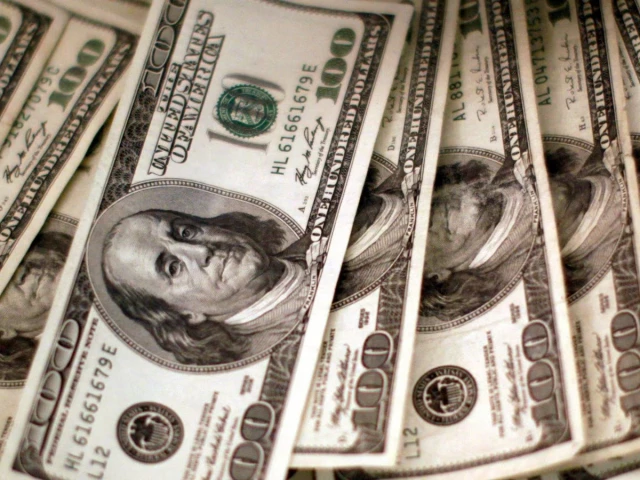
Fed hike odds jump to 26% from 70% cut probability week ago as Middle East war fuels inflation fears
A picture showing $100 bills. SOURCE: REUTERS
Currency markets took a breather on Wednesday, with traders cautious over United States President Donald Trump’s efforts to bring an end to the war with Iran. While Trump told reporters at the White House the US was making progress in talks with Iran, Tehran denied that direct negotiations had taken place, keeping investors on edge.
The US dollar index, which measures the greenback’s strength against a basket of six currencies, was last 0.13% higher at 99.317, with the euro little changed at $1.1603. The British pound was 0.16% weaker at $1.3388 as data showed that British consumer price inflation held at an annual rate of 3.0% in February, unchanged from January’s rate. However, inflation is broadly expected to pick up as the war in the Middle East pushes up prices.
The subdued volatility contrasted with a pickup in equities and a fall in crude oil prices after Trump said on Tuesday the US was making progress in its efforts to negotiate an end to the war.
Read: Trump approval sinks to 36% as fuel prices surge amid Iran war
“For those reacting to every breaking headline around dialogue between the US and its allies and Iran, including speculation of high-level talks and temporary ceasefire proposals, an element of fatigue is now firmly setting in,” said Chris Weston, head of research at Pepperstone Group Ltd in Melbourne.
Against the yen, the US dollar was up a slight 0.2% at 158.99, after the release of minutes from the Bank of Japan’s January policy meeting showed many board members saw the need to keep raising interest rates without any specific pace in mind. The Australian dollar weakened 0.33% to $0.697 after the release of inflation data for February, which showed a 3.7% rise prior to the start of the US-Israeli war with Iran, a slightly slower pace than expected by analysts.
Although markets still anticipate no change in US interest rates this year, expectations of policy tightening are rising. Fed funds futures now imply a 26.1% chance of a 25-basis-point hike at the Federal Reserve’s December meeting, compared to a 69.5% probability of a cut a week ago, according to CME Group’s FedWatch tool.
Read More: Global shares skid as oil surge threatens inflation shock
The Fed may need to keep interest rates steady “for some time” before further cuts are warranted, Fed Governor Michael Barr said on Tuesday, noting continued inflation above the Fed’s 2% target and the risks posed by the conflict in the Middle East.
Bond markets rebounded after a volatile week, with the yield on the US 10-year Treasury bond down 3.4 basis points at 4.356%. “Higher oil prices added to expectations of increasing inflationary pressures and tighter monetary policy,” analysts from Westpac wrote.
In cryptocurrencies, bitcoin climbed 1.6% to $71,202.33, while ether was up 1.2% at $2,174.14.


US’ Torrid sees FY25 sales fall 9.4%, reports $7 mn loss

Wristband enables wearers to control a robotic hand with their own movements
UK inflation rate steady in February ahead of Iran war

-

 Fashion7 days ago
Sales at US apparel, clothing accessories stores up 4% YoY in Jan 2026
-
 Business1 week ago
Peloton is launching bikes and treadmills for gyms, accelerating commercial strategy
-

 Tech1 week ago
Justice Department Says Anthropic Can’t Be Trusted With Warfighting Systems
-

 Fashion1 week ago
Trump signs order to combat fraudulent ‘Made in America’ labels
-
 Business1 week ago
Stocks and pound rise as US rate call approaches
-

 Fashion1 week ago
Lenzing launches TENCEL Lyocell-HV100 at Intertextile Shanghai
-

 Sports7 days ago
March Madness 2026 – How to watch in SA, start time, schedule, TV channel for NCAA championship basketball tournament
-

 Entertainment7 days ago
Val Kilmer revived 1 year after death through AI