

Business
Monzo bank says issue affecting its mobile app resolved


Monzo says it has resolved an issue affecting its mobile banking app on Tuesday afternoon after thousands of customers reported difficulties accessing it.
Platform outage monitor Downdetector saw more than 4,000 reports from users complaining of problems shortly after 15:00 GMT.
The company earlier acknowledged an issue affecting its app – telling customers who tried to use it that it would “not be fully functional” while it investigated.
A Monzo spokesperson said “customers can now use the app as normal.”
“For a short period today, we activated Monzo Stand-in – our fully independent backup bank – while we investigated an issue,” they told the BBC.
“Customers were always able to make payments with their card, withdraw cash, freeze their card and send and receive bank transfers.”
Many attempting to open the app after 15:00 GMT on Tuesday were met with a notice telling them “we’re experiencing issues”.
This said the app would not function as normal but other services, such as viewing account details and moving money between accounts, would be available.
However, some users attempting to access the app took to social media to complain to Monzo that they could not view funds, recent payments or make bank transfers.
In posts seen by the BBC, some X users also told Monzo they had been unable to use their card or withdraw money.
The BBC has asked Monzo for comment about these complaints.
The company has more than 14 million personal and business customers across the UK.
It has previously highlighted its back-up banking infrastructure as a way it avoids large-scale outages and issues for customers – many of which were seen across other UK banks during a spate of online outages last year.
About 1.2m people in the UK were affected by banking outages occurring on what was pay day for many in early 2025.
Business
UAE stock markets close, trading halted by Abu Dhabi Securities Exchange and the Dubai Financial Market for two days amid Iran–US–Israel war fallout – The Times of India
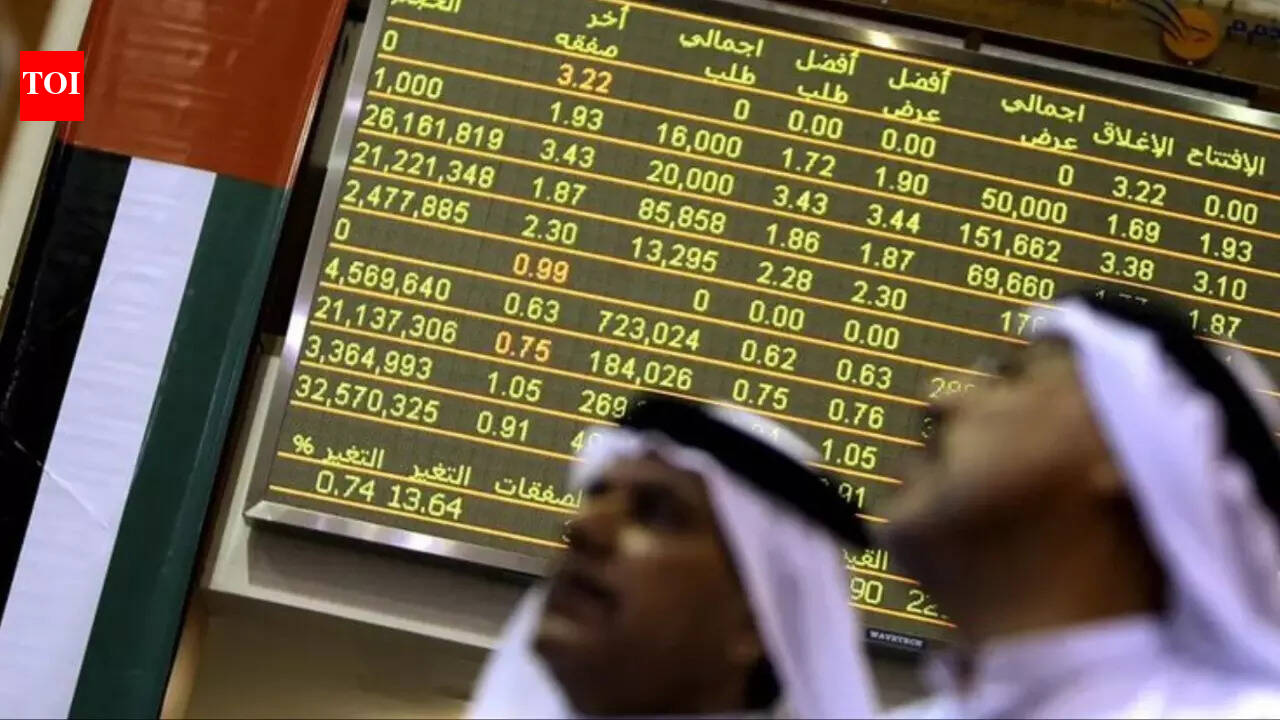
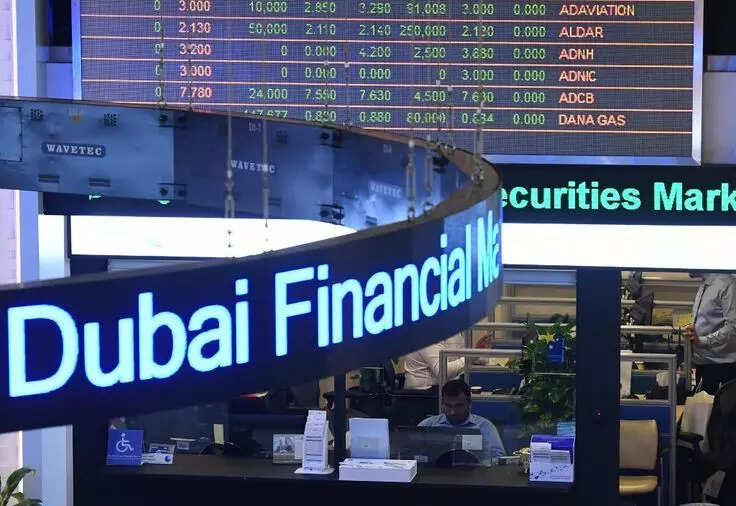
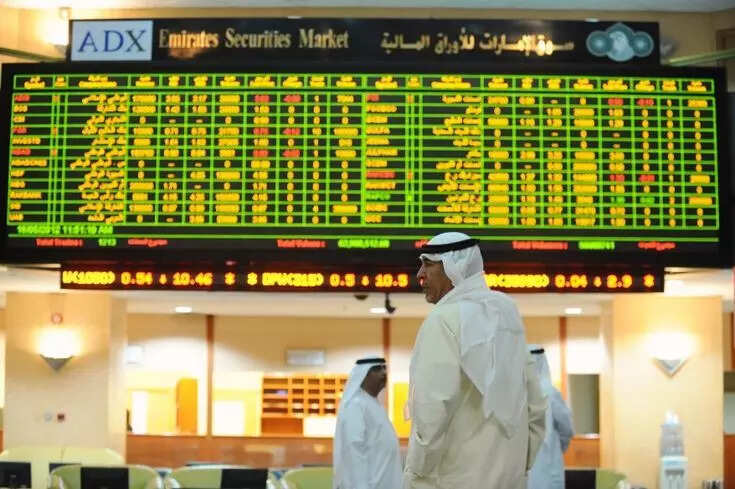
In an unprecedented economic response to escalating regional conflict, the United Arab Emirates has announced that its two major financial markets, the Abu Dhabi Securities Exchange (ADX) and the Dubai Financial Market (DFM), will remain closed on Monday, March 2 and Tuesday, March 3, 2026. The decision comes as the UAE reels from a series of retaliatory Iranian strikes following coordinated US and Israeli military actions against Iran, which have destabilised Gulf business sentiment and prompted sweeping security and economic precautions.The UAE Capital Markets Authority said that keeping the exchanges closed temporarily is part of its supervisory and regulatory mandate, providing authorities and market participants time to assess the impact of recent events on financial infrastructure and investor confidence. The halt affects equities, derivatives and trading in hundreds of billions of dollars in listed assets and is among the clearest signs yet of economic shockwaves from the regional crisis.
Why UAE stock markets are paused: Regional conflict among Iran–US–Israel disrupts confidence
The closures follow Iran’s retaliatory missile and drone strikes on Gulf cities and strategic targets, including airports and other infrastructure, after a joint US–Israel offensive. These attacks have not only led to safety measures such as airspace restrictions and travel advisories but also triggered widespread business disruption across the Gulf. Major airports in Dubai and Abu Dhabi have seen operations halted or altered and commercial hubs from ports to retail centres have felt the strain.
UAE Markets Shut Down: Is This Economic Capitulation to Regional War?
Financial markets are typically among the first economic indicators affected by geopolitical instability. When investors fear prolonged unrest, they often pull funds from equities and seek so-called “safe-haven” assets like gold, sovereign debt or commodities such as oil, especially when conflict threatens critical energy supply corridors like the Strait of Hormuz.
Regional market turmoil and knock-on effects in the Middle East amid Iran–US–Israel clashes
While the UAE exchanges are closed, other Gulf markets that remained open on Sunday experienced significant sell-offs as investors reacted to the turmoil:
- Saudi Arabia’s benchmark index saw sharp drops before partially recovering as investors weighed conflict risks against energy price gains.
- Muscat and other regional bourses also slid, reflecting broader risk-off sentiment.
- In Kuwait, authorities took the rare step of suspending trading indefinitely due to “exceptional circumstances” linked to the same regional tensions.
Financial markets are serving as a barometer of risk and economic confidence and the dramatic moves across the Gulf underscore how intertwined political stability is with economic performance in the region.
What the UAE’s stock market closure means for investors
For both domestic and international investors, the temporary shutdown of ADX and DFM has several implications. Liquidity and price discovery are paused, leaving billions of dollars in listed assets in limbo. Risk premiums on Gulf assets may rise, as traders reassess exposure during periods of heightened uncertainty. Investor sentiment is likely to remain fragile until there are visible signs of de-escalation or credible diplomatic resolutions.Economists note that halting trading does not eliminate market pressure, it simply delays it and when markets do reopen, there may be sharp moves as investors recalibrate positions based on new geopolitical and economic realities. The conflict has not just shaken stock markets, energy markets have also reacted. Reports from analysts indicate that crude oil prices have surged as fears of supply disruptions increase, with the Strait of Hormuz, a crucial passage for roughly 20% of global oil exports, under theoretical threat of closure.
UAE Stock Markets Closed: What Does This Mean for Global Investors Amidst Escalating Conflict?
Higher oil prices can partially offset stock market pain in energy-exporting economies like the UAE but the overall economic impact remains complex. Other sectors, from tourism and hospitality to trade and logistics, have also felt immediate fallout: airport shutdowns have stranded travellers and corporate events and networking key to Ramadan business cycles have been postponed, compounding uncertainty.
UAE government messaging and future prospects
UAE authorities have stressed that public and economic safety remain top priorities. The temporary market closure is coupled with broad advisories across transportation, education and public services, such as airports issuing travel advisories and schools moving to remote learning, aimed at ensuring operational stability while the situation evolves. Officials have pledged to monitor conditions closely and communicate updates on any further market action. This includes potential rescheduling of reopening dates for ADX and DFM or additional measures to support investors once trading resumes.The UAE Capital Markets Authority ordered a two-day closure of the Abu Dhabi and Dubai stock markets on March 2–3, 2026, in response to escalating regional tensions. The pause follows retaliatory strikes by Iran after US and Israeli military action, which have disrupted markets, air travel and business operations across the Gulf. Gulf markets that remained open experienced sharp declines and volatility, reflecting investor risk aversion. Oil prices and safe-haven assets have climbed as geopolitical risk fuels global economic uncertainty. Authorities will continue to assess and communicate market developments as conditions evolve.
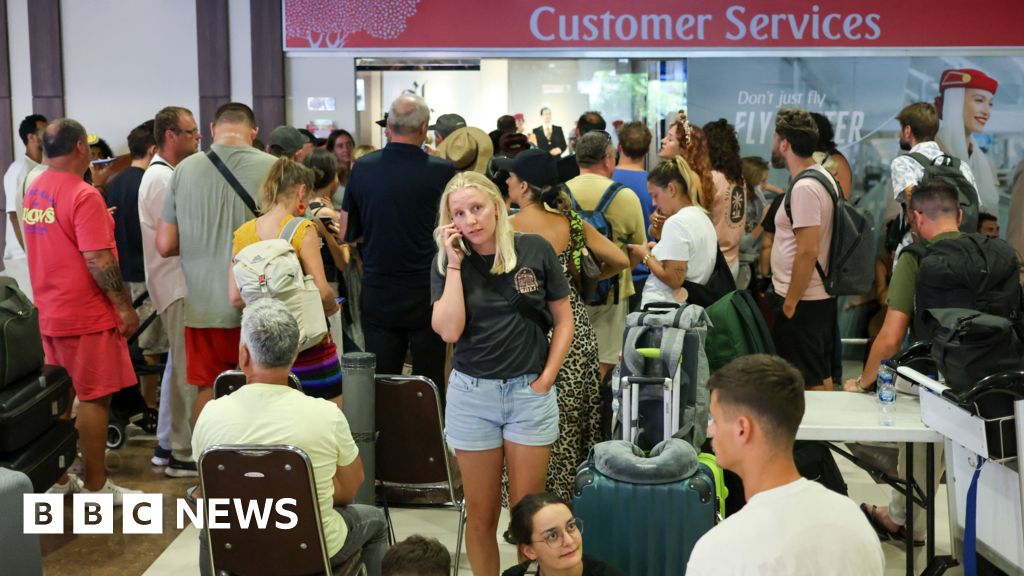
BA and Virgin Atlantic are among major airlines to ground services to the Middle East in light of the attacks.
Source link
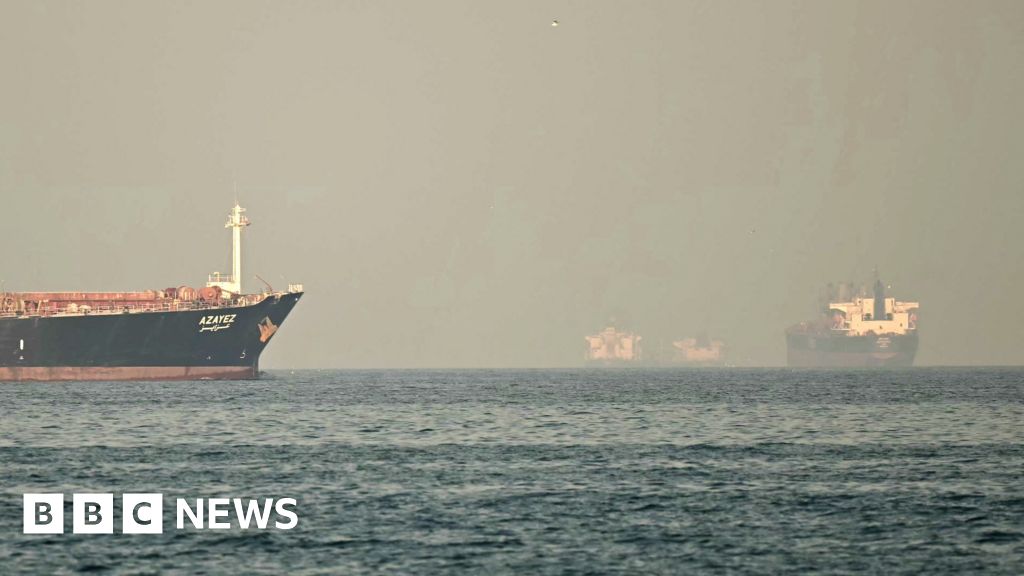
International shipping is said to have come to a standstill at the strait’s entrance, with fears of disruption already pushing up global oil prices.
Source link


Lenovo’s Latest Wacky Concepts Include a Laptop With a Built-In Portable Monitor

USA vs. Argentina (Mar 1, 2026) Live Score – ESPN

Shia LaBeouf battles addiction amid public and legal pressure

Pakistan carries out precision strikes on seven militant hideouts in Afghanistan

Eye-popping rise in one year: Betting on just gold and silver for long-term wealth creation? Think again! – The Times of India

The Supreme Court’s Tariff Ruling Won’t Bring Car Prices Back to Earth

-
 Politics1 week ago
Pakistan carries out precision strikes on seven militant hideouts in Afghanistan
-
Business1 week ago
Eye-popping rise in one year: Betting on just gold and silver for long-term wealth creation? Think again! – The Times of India
-
 Tech1 week ago
The Supreme Court’s Tariff Ruling Won’t Bring Car Prices Back to Earth
-

 Tech1 week ago
These Cheap Noise-Cancelling Sony Headphones Are Even Cheaper Right Now
-

 Sports1 week ago
Kansas’ Darryn Peterson misses most of 2nd half with cramping
-

 Sports1 week ago
How James Milner broke Premier League’s appearances record
-

 Entertainment1 week ago
Viral monkey Punch makes IKEA toy global sensation: Here’s what it costs
-

 Entertainment1 week ago
Saturday Sessions: Say She She performs "Under the Sun"