

Business
NEPRA to hear proposal on revised tariff structure | The Express Tribune

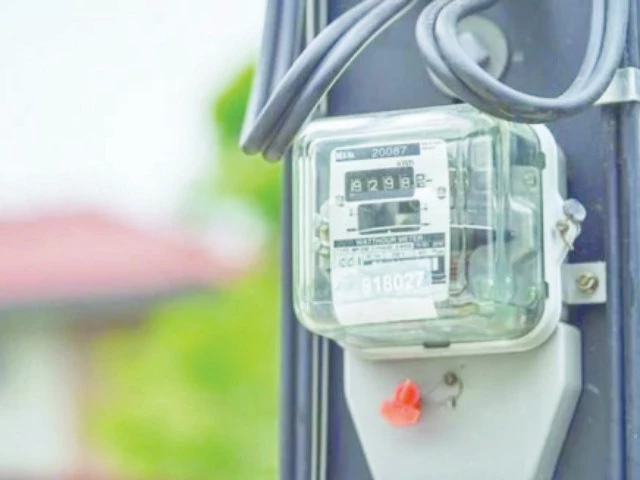
Govt moves to recover fixed costs without raising subsidy outlay; hearing set for Feb 10
Nepra officials warned Gepco over the illegal installation of Advanced Metering Infrastructure (AMI) on small meters. They said that the company was installing AMI without approval of the regulator and even without data backup. Photo: file
ISLAMABAD:
The power regulator is set to allow amendments in the tariff structure for power distribution companies, including K-Electric (KE), as part of a federal government proposal to rationalise electricity tariffs without increasing the overall subsidy burden.
Pakistan’s power regulator will hold a public hearing next week on the proposal, which seeks to revise fixed charges and rebalance variable rates across state-run distribution companies and KE, a move that could reshape electricity bills.
The National Electric Power Regulatory Authority (NEPRA) said the hearing will take place on February 10 to consider the government’s motion and policy guidelines aimed at introducing a uniform tariff structure for ex-WAPDA distribution companies and KE under the provisions of the NEPRA Act and applicable tariff rules.
According to the motion, the government has asked NEPRA to revise the applicable uniform tariff while remaining within the already approved consolidated revenue requirement of the power sector and the budgeted tariff differential subsidy of Rs249 billion.
The proposal seeks to better reflect the underlying cost structure of the power sector, particularly the recovery of fixed costs, which have increasingly weighed on the finances of power distribution companies.
The cabinet has already approved the uniform tariff framework and the government has submitted it to NEPRA for formal incorporation into the regulator’s schedule of tariffs.
Under the proposed framework, the plan includes the introduction of revised fixed charges and a rebalancing of variable per-unit rates in line with revenue requirements already determined for distribution companies.
For KE, the government has requested NEPRA to reconsider and issue a modified uniform tariff to maintain parity across the country while ensuring the utility recovers its approved revenue requirement.
The proposal also allows for targeted subsidies or cross-subsidies to be notified through amendments in existing statutory regulatory orders.
If approved, the proposed changes would not alter the overall subsidy envelope but could redistribute costs among different consumer categories, potentially increasing fixed charges while adjusting per-unit electricity rates.
NEPRA said the public hearing will be held both online and at its Islamabad headquarters, allowing consumers to submit written comments or present their views during the proceedings.





new video loaded: How Kharg Island May Change the Trajectory of the Iran War
By Peter Eavis, Gilad Thaler, Edward Vega, Lauren Pruitt and Joey Sendaydiego
March 25, 2026
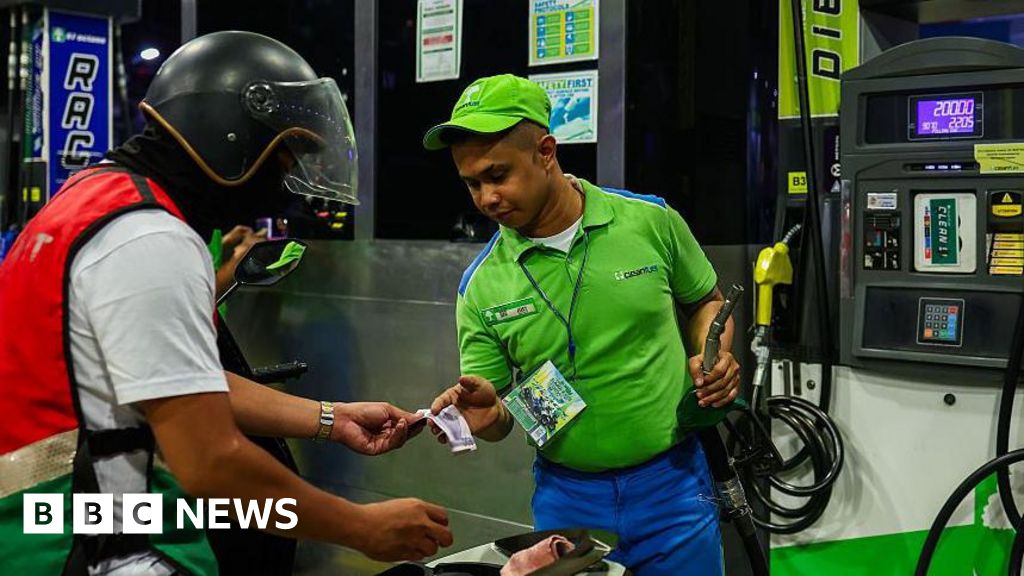
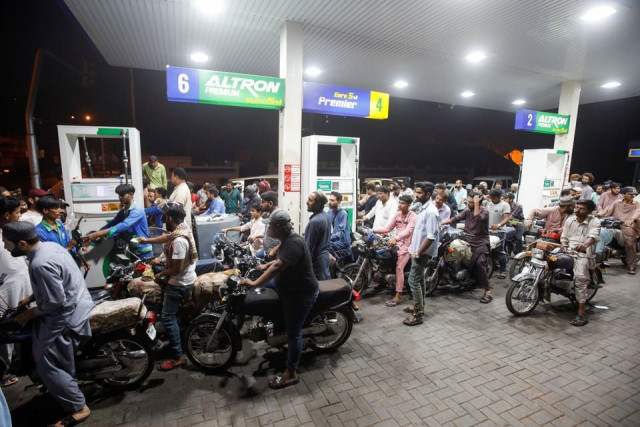
Crude rose back above $100 a barrel as the US and Iran clashed over bringing the conflict to an end.
Source link

Key Points
- JLL has a major footprint in the Middle East, managing and leasing properties in Dubai and Abu Dhabi in the United Arab Emirates and in Riyadh, Saudi Arabia.
- CEO Christian Ulbrich said the business impacts of the Iran war depend on how long the conflict lasts.
- “It’s a tragedy from a point that the region was on a really strong growth trajectory, and this is, at the moment at least, interrupted for the time being,” Ulbrich said.


Trump to visit China in May after Iran war delay
Video: How Kharg Island May Change the Trajectory of the Iran War
Oil prices volatile as Trump talks up Iran negotiations

Sales at US apparel, clothing accessories stores up 4% YoY in Jan 2026

Justice Department Says Anthropic Can’t Be Trusted With Warfighting Systems

March Madness 2026 – How to watch in SA, start time, schedule, TV channel for NCAA championship basketball tournament

-
 Fashion1 week ago
Sales at US apparel, clothing accessories stores up 4% YoY in Jan 2026
-
 Tech1 week ago
Justice Department Says Anthropic Can’t Be Trusted With Warfighting Systems
-
 Sports1 week ago
March Madness 2026 – How to watch in SA, start time, schedule, TV channel for NCAA championship basketball tournament
-
 Business1 week ago
Stocks and pound rise as US rate call approaches
-

 Entertainment1 week ago
Val Kilmer revived 1 year after death through AI
-
 Business1 week ago
Brits cashing in jewellery as gold price hits record high
-
 Politics1 week ago
Iran strikes Tel Aviv with cluster-warhead missiles in retaliation of Larijani’s martyrdom
-

 Sports1 week ago
WBC championship: USA-Venezuela preview, live updates, analysis