

Business
Netflix’s advertising strategy shift is starting to pay off


A drone view shows Netflix logos on buildings in the Hollywood neighborhood in Los Angeles, California, U.S., Jan. 20, 2026.
Daniel Cole | Reuters
Netflix jumped into the advertising business later than its media peers, but its strategy shift is starting to pay off.
This week Netflix reported its fourth-quarter earnings, which were mostly overshadowed by the company’s recent pursuit to acquire Warner Bros. Discovery’s streaming and studio assets. However, beyond the headlines, metrics like customer engagement, subscriber numbers and advertising revenue paint a promising picture.
The earnings report provided some long-awaited clarity on the progress of Netflix’s advertising strategy, and how it has been factoring into the overall business. On Tuesday Netflix said 2025 advertising revenue exceeded $1.5 billion — about 3% of total full-year revenue for the streaming giant — and is expected to double this year.
Overall company revenue jumped almost 16% percent for 2025, while net income rose 26%.
“We’re making good progress and the opportunity ahead of us is massive,” Co-CEO Greg Peters said on Tuesday’s call with investors.
Wall Street analysts, however, noted that ad revenue disclosure fell short of their previous forecasts, indicating that it could be taking longer than expected to get the ad business off the ground.
“The last couple of years were slower out of the gate than we had estimated. However, advertising revenue growth is hitting its stride and should yield a similar contribution to revenue growth as we had estimated in our pre-4Q forecast,” analysts at Deutsche Bank said in a research note Wednesday.
Robert Fishman of MoffettNathanson noted total ad revenue was lower than the research firm had forecast but welcomed the fresh insights into the company’s ad business.
“At least now we can finally have a better understanding of the contribution from advertising to total growth and can back into core subscription revenues,” Fishman said in a note on Wednesday.
Netflix’s stock fell about 2% on Wednesday.
Advertising has come front and center for media companies after it became clear that a subscription-only streaming model wouldn’t be enough to support profitability.
Advertisers, despite various headwinds, have been eager to find a place on streaming platforms, especially Netflix.
Yet the industry leader was late to the advertising game after leadership long rejected the business model. It launched its cheaper, ad-supported tier in late 2022, coinciding with a brief slowdown in subscriber additions.
Advertising and a crackdown on password sharing were put forth as measures to drive growth. And it has, even if slowly.
Netflix said Tuesday it had 325 million global subscribers at the end of 2025. That marks an increase of roughly 23 million from the end of 2024, when Netflix last disclosed its global paid memberships.
For comparison, Netflix added roughly 41 million subscribers in 2024 and almost 30 million in 2023.
Against a backdrop of consistent price increases for streaming services, companies are increasingly leaning on the belief that consumers will opt for cheaper, ad-supported plans rather than drop out altogether.
Peters said Tuesday that while there remains a gap between average revenue per membership of the company’s standard, no-ads plan subscription and its ad-supported plan, “that gap is narrowing.”
“And while, because there’s a gap, it means we’re under-realizing revenue growth in the near time, it also, therefore, represents an opportunity for us,” Peters said, pointing to upgrading the tech stack and ad capabilities to help drive growth.






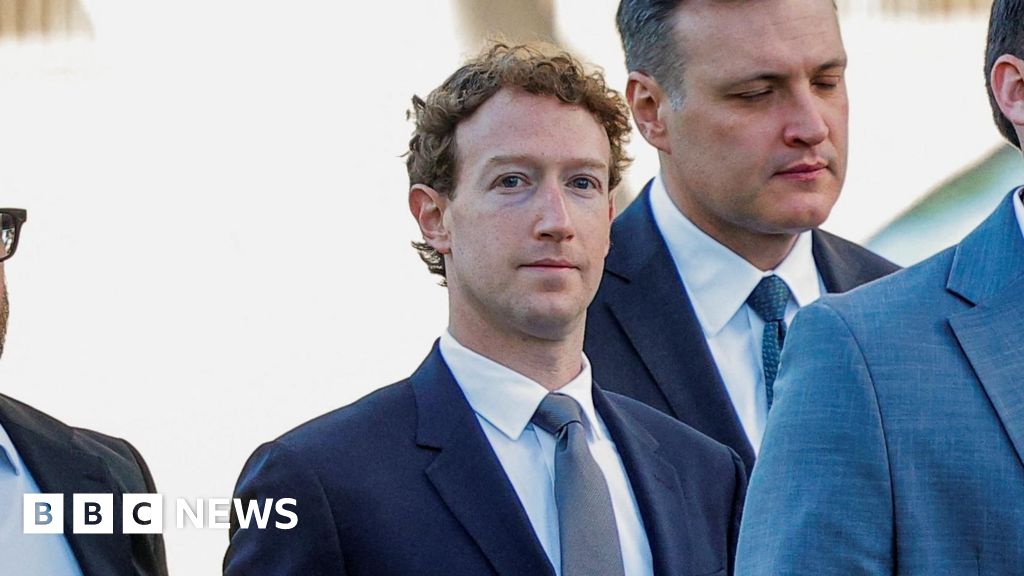
A key reason for the layoffs is Meta’s increased spending in other areas of the company, including AI, for which it will this year spend $135bn (£100bn). This is roughly equal to the amount it has spent on AI in the previous three years combined, according to a person who viewed the memo.

The Government has been urged to stick to its pledge to ban ticket touting amid concerns the policy will be left out of next month’s King’s Speech.
In November, the Government announced that new rules making it illegal to resell tickets for live events for profit would end the “industrial-scale” touting that has caused misery for millions of fans.
Ministers confirmed plans to make it illegal for tickets to concerts, theatre, comedy, sport and other live events to be resold for more than their original cost.
The Labour manifesto promised stronger protections to stop consumers being scammed or priced out of events by touts, who frequently use bots to buy tickets in bulk the moment they go on sale, which they can then sell on for huge mark-ups on secondary ticketing websites.
The proposed rules make it illegal for tickets to be sold at a price above the face value – defined as the original price plus unavoidable fees including service charges.
Service fees will be capped to prevent the price limit being undermined by platforms, which will have a legal duty to monitor and enforce compliance, and individuals will be banned from reselling more tickets than they were entitled to buy in the initial sale.
A host of globally renowned artists have backed the plan, including Radiohead, Dua Lipa and Coldplay.
Following a report in the Guardian that the minister responsible for the policy, Ian Murray, had told music industry groups not to worry if the measure was not part of the King’s Speech on May 13, the Government said it required new primary legislation that it was working to deliver at the earliest opportunity.
A Government spokeswoman said: “Ticket touts are a blight on the live events industry, causing misery for millions of fans.
“We set out decisive plans last year to stamp out touting once and for all, and we are committed to delivering on these for the benefit of fans and industry.”
The music industry and Which? raised concerns about the suggestion of any delay, as sites appeared to show touts selling tickets for the Radio 1 Big Weekend in Sunderland well above the two-ticket limit for buyers and at vastly inflated prices.
Annabella Coldrick, chief executive of the Music Managers Forum, said: “2026 was supposed to mark this Government moving ‘from announcements to action’ but we have little evidence of this to date.
“A ban on ticket touting was one of only two music-related commitments in the Labour manifesto, alongside fixing EU touring.
“These are widely supported, pro-growth measures that will deliver tangible benefits to the British public. However, if ticket resale legislation is not presented in the King’s Speech, it will have the opposite effect and continue to cost those constituents hundreds of millions of pounds a year.
“This Government needs to stand by its promises and get it done.”
Adam Webb, campaign manager at FanFair Alliance, said: “The Government has a big decision to make: will they ‘put fans first’ or not?
“Last November, ministers committed to ‘bold new measures’ to ban online ticket touting and support consumers.
“Enacting these measures should be a no-brainer but, if legislation is not presented in the upcoming King’s Speech, the cycle of industrial-scale exploitation will continue.”
Lisa Webb, consumer law expert at Which?, said: “The Government has promised to put fans first but, if this legislation is not included in the King’s Speech, the only ones celebrating will be the rip-off secondary ticketing websites and online touts.”
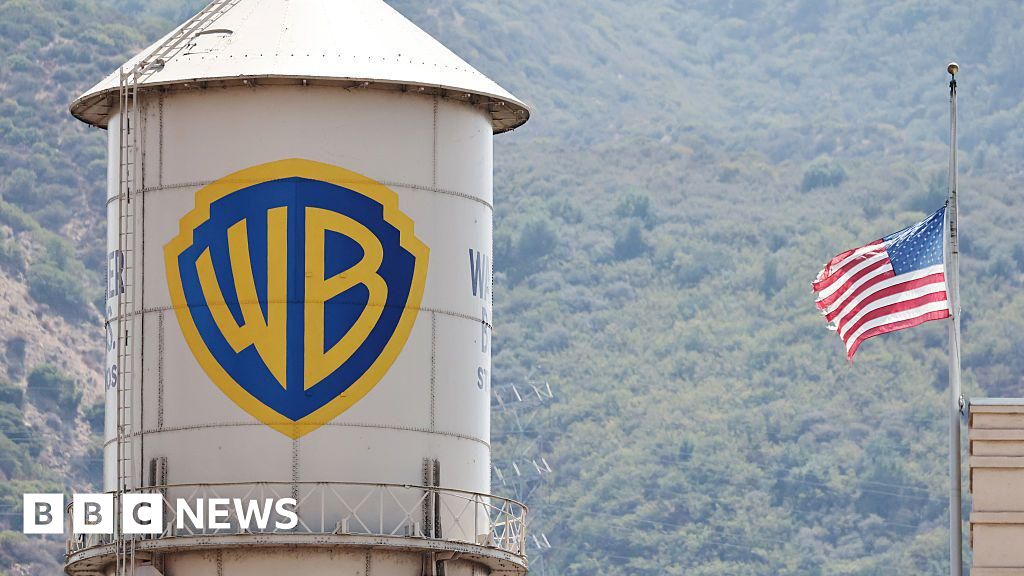
The approval came as Donald Trump is to attend a dinner with billionaire Paramount backers the Ellisons.
Source link


2 critical out of 10 injured in Baton Rouge, shooter at large

Violations, threats, blockade main obstacle to genuine talks: President Pezeshkian

Fernando Mendoza reveals Tom Brady’s no-nonsense mentorship pledge ahead of NFL Draft

-

 Fashion1 week ago
France’s LVMH Q1 revenue falls 6%, shows resilience amid Iran war
-

 Entertainment1 week ago
Is Claude down? Here’s why users are seeing errors
-

 Sports1 week ago
PSL 11: Peshawar Zalmi win toss, opt to field first against Quetta Gladiators
-

 Tech1 week ago
The Deepfake Nudes Crisis in Schools Is Much Worse Than You Thought
-
 Business1 week ago
Standard Life buys rival in £2b deal to create savings giant
-

 Tech1 week ago
CYBERUK ’26: UK lagging on legal protections for cyber pros | Computer Weekly
-

 Sports1 week ago
World Cup kit ranking: Which teams will look best in 2026?
-
 Business1 week ago
PepsiCo earnings beat estimates as North American food business improves