

Fashion
Out and about in Milan: Santoni, Sergio Rossi, and Giuseppe Zanotti

Published
September 27, 2025
No one loves footwear more than the Italians. As three first rate collections by leading shoe makers underlined this week. These shoes are made for walking, and ruling and seducing.
Santoni: Forms that matter
A collaboration with Venetian artist Lorenzo Vitturi in a project entitle “Forms and Matter” led to some striking new ideas at Santoni this season. Though not a collaboration, the artist’s graphic emphasis seemed to infuse some great new looks in the collection.
A bold series of columns and hangings that combined Vitturi’s vision and Santoni’s finest leathers, orange shoe sole or leather string with Venetian glass – all added to the allure at the Santoni showspace, around the corner from the Duomo.
From the latest version of the bucket bag, made in treated lace to some excellent new airy intreccio slingbacks and boots for gals who want to sizzle. Though the stand-out looks were remarkable new sequinned slingbacks and accompanying bag. Unexpected, exuberant and cool.
In menswear, Santoni also showed a natty new Carlo sneaker, also in suede intreccio.

“Santoni has always been about luxury, but maybe this is even more luxurious,” said Giuseppe Santoni, looking tanned and trim in a caramel Solaro herring bone suit.
“I have had a busy summer, at the office and with a little co-working – on my yacht and making shoes down in the hold!” he joked.
Sergio Rossi: Sculptural chic
Talk about a brilliant display and collection at Sergio Rossi, where designer Paul Andrew incorporated carbon fiber to created shoes of rare sculptural grace.

Seen in some fantastic ostrich skin wedges – made in an undulating form worthy of Antony Gormley. Paul also showed a striking series of glove-shaped metallic shoes that were studded with kisses. And he riffed on the house’s DNA with a superb slip-on made of studded leather.
“Sergio Rossi really was such a genius with the construction of footwear. In this shoe, he developed this form called Contrapunto in the 1950s, where the sole, in-sole and upper are all one piece,” said Andrew, marveling at the design.

Keeping the bravura creation, Paul produced golden leather wedges with biomorphic heels named Sinuous, inspired by a Zaha Hadid statue in the Design District of Miami.
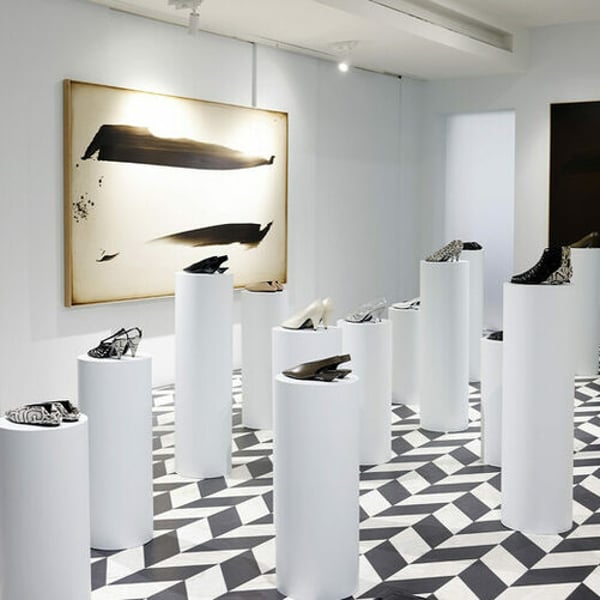
All presented inside Sergio Rossi Milan showrooms on Via Pontaccio, before huge gestural abstract paintings by Richard Zinon. In a word, possibly the most inventive shoe collection we have seen in Milan in the past decade.
Giuseppe Zanotti: From The Slim to Moreau Paris
No presentation this week was busier than Giuseppe Zanotti, who celebrated the most legendary footwear of the recent past with a video installation of The Slim. Presenting a half-dozen examples of the sex-creature shoe.

Famous for having graced the feet of Samantha Jones as the only thing she wore during a steamy sushi scene in “Sex and the City”. Creating a fittingly viral footwear moment.
The Slim was actually born while dining at one of Giuseppe’s favorite seaside spots, Slim, in Cesenatico, Italy. When Zanotti sketched the first design on a tablecloth, turning a discarded fishbone into a precious jewel that sensually drapes across the foot.
“Who would have thought it could have that much impact,” mused the ever-modest Zanotti.

Presented in his Renaissance style palazzo on via Napoleone, the event also featured a cool new co-branding, a capsule collection with Moreau Paris. Using the mini-grid checkerboard monogram of the venerable Moreau Paris – founded in 1882 in the French capital – to make leather sneakers that looked like denim. Talk about range.
Copyright © 2025 FashionNetwork.com All rights reserved.






With sustainability benchmarks rising, companies are rethinking how they produce and deliver, pivoting toward greener, more circular models that reduce waste, emissions, and resource use.
The stakes are high. In 2025, Vietnam’s exports to the EU reportedly reached $56.2 billion, up 10.1 per cent year on year, underscoring how pivotal Europe is for the country’s manufacturing base.
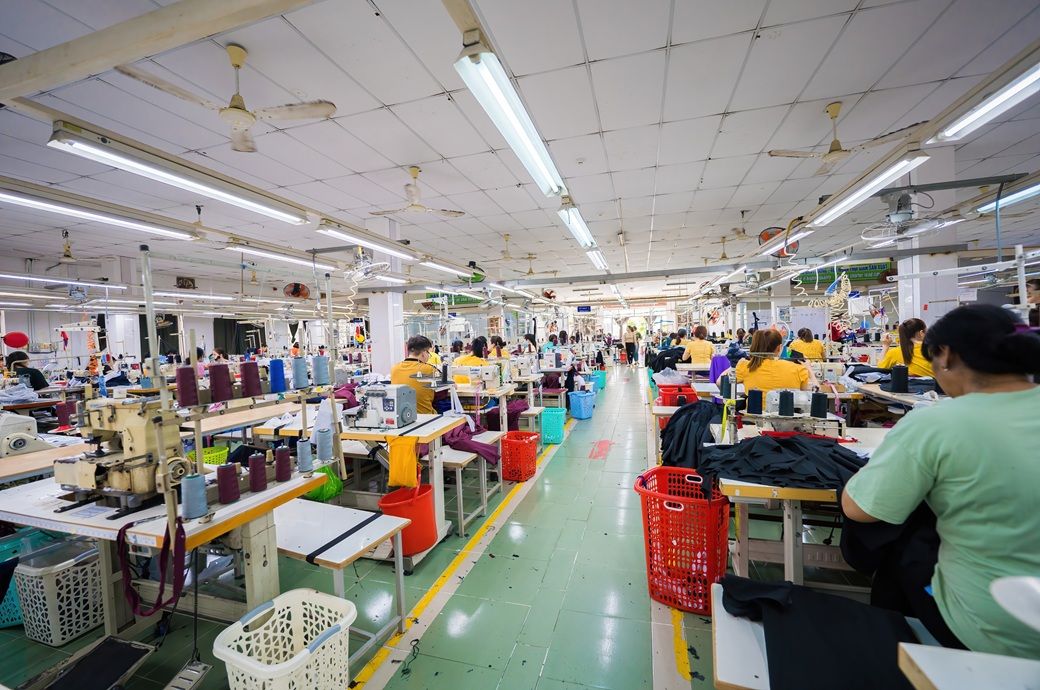
Vietnam’s textile and footwear exporters are accelerating sustainability efforts as stricter EU regulations reshape market access requirements.
Rising compliance pressure from measures such as CBAM and ESPR is pushing manufacturers toward circular production, cleaner technologies and greater supply-chain transparency, though limited green finance remains a major challenge for smaller firms.
The EU market, nevertheless, comes with its own challenges as access to this market increasingly depends on meeting strict environmental and product-design requirements.
The EU is rolling out an ambitious sustainability agenda, including the Carbon Border Adjustment Mechanism (CBAM) and the Ecodesign for Sustainable Products Regulation (ESPR). Together, these measures are changing what global suppliers must document, design, and decarbonise.
ESPR shifts expectations toward durability, repairability, and recyclability, while pushing manufacturers to reduce products’ overall environmental footprint. Supply chains are also expected to become more transparent through Digital Product Passports, and practices such as destroying unsold goods being phased out gradually.
For Vietnam’s exporters, compliance is becoming a baseline requirement to keep EU orders and remain competitive.
Recognising this, both the Government and industry players are stepping up. Vietnam’s long-term development strategy for textiles and footwear, which stretches to 2030 with a vision toward 2035, places sustainability at its core. The plan charts a path toward efficient, environmentally responsible growth anchored in a circular economy, where materials are reused, waste is minimised, and production cycles are closed rather than linear.
Crucially, it also provides a legal backbone to help businesses align with global sustainability trends.
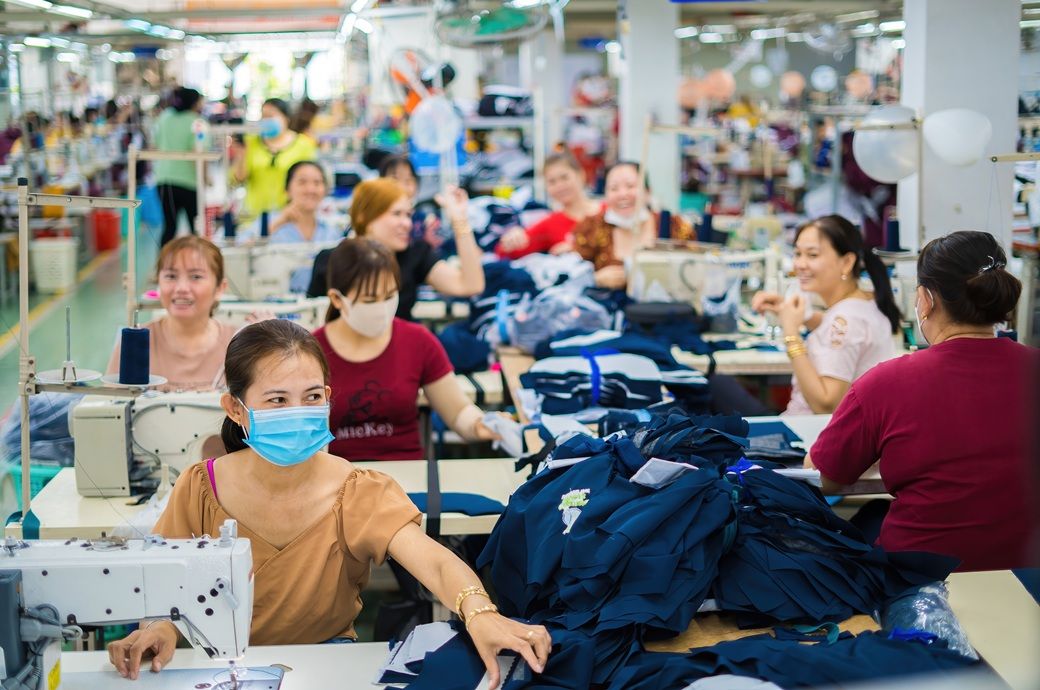
On the ground, change is already underway. Textile and apparel manufacturers are investing in renewable energy, upgrading machinery, and fine-tuning production processes to cut emissions and resource use. These shifts are not just about compliance; they are about future-proofing operations in a market where green credentials increasingly determine who wins contracts.
However, the transition has not been entirely seamless. A key barrier seems to be access to green finance, especially for small and medium-sized enterprises. Large firms can more readily fund clean technologies and certification, while smaller suppliers often struggle to fund the shift, risking exclusion from high-value export markets if they cannot keep pace.
There is also a growing recognition that policy support needs to go further. As Vietnam leans into a circular economy, industry voices are calling for a more cohesive and comprehensive framework, one that not only sets clear standards for circular products but also actively incentivises recycling, cleaner production, and sustainable innovation.
Without this, progress risks being uneven, with smaller firms left behind.
Momentum is, nevertheless, building as manufacturers and policymakers push for better-aligned standards and support mechanisms. The goal is to narrow the gap between sustainability ambition and day-to-day implementation across the sector.
The aim is clear: create an ecosystem where businesses of all sizes can invest in circular solutions, strengthen their export capabilities, and meet the EU’s exacting standards head-on.
Fibre2Fashion News Desk (DR)
The increase was driven primarily by higher reinvested earnings and intra-company loans, indicating continued engagement by existing investors with Bangladesh.
Reinvested earnings rose by 318.25 per cent, from $103.79 million in 2024 to $434.10 million in 2025, while intra-company loans increased by 25.68 per cent, from $621.96 million to $781.68 million.
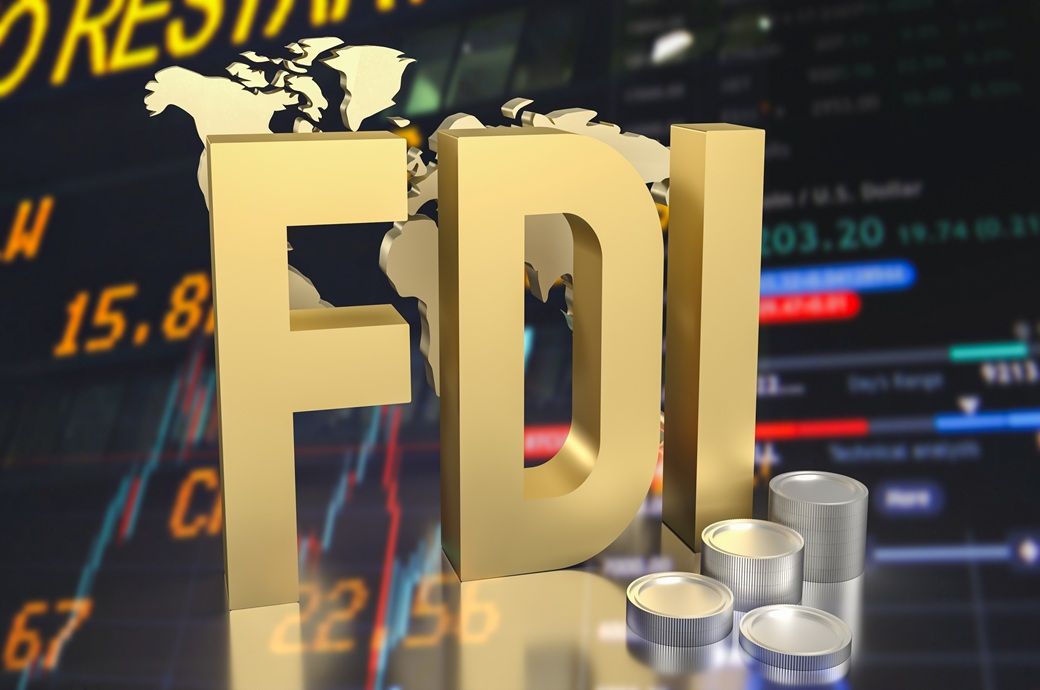
Bangladesh’s net FDI inflows increased by 39.36 per cent last year to $1,770.42 million compared with $1,270.39 million in 2024, the Bangladesh Bank said.
The increase was driven primarily by higher reinvested earnings and intra-company loans.
Reinvested earnings rose by 318.25 per cent, from $103.79 million in 2024 to $434.10 million in 2025, while intra-company loans rose by 25.68 per cent.
Equity capital remained broadly stable, rising by 1.84 per cent, from $544.64 million to $554.64 million in 2025, a release from Bangladesh Investment Development Authority said.
Greenfield project announcements declined by 16 per cent in 2025.
Fibre2Fashion News Desk (DS)

UK growth forecast upgraded by IMF but ‘risks’ remain

Cardi B nearly passes out during parenting moment: ‘I can’t handle it’

The Backward Logic of Chickenpox Parties

-

 Entertainment5 days ago
Conan O’Brien hat tricks as Oscar host
-

 Tech1 week ago
Could Contact-Tracing Apps Help With the Hantavirus? Not Really
-

 Fashion5 days ago
Italy’s Zegna Group’s Q1 growth boosted by strong organic performance
-

 Sports1 week ago
Bobby Cox, legendary Atlanta Braves manager who led 1995 World Series champions, dead at 84
-

 Entertainment1 week ago
Martin Short: Facing tragedy with joy
-

 Entertainment1 week ago
Tom Brady gets back at Kevin Hart during Netflix roast
-

 Entertainment1 week ago
Martha Stewart: How to make an omelet
-

 Sports1 week ago
Jacob Fatu unleashes vicious assault on Roman Reigns after World Heavyweight Championship loss at WWE Backlash