

Fashion
Policy support can boost S African RMG retailers’ local sourcing: LSF

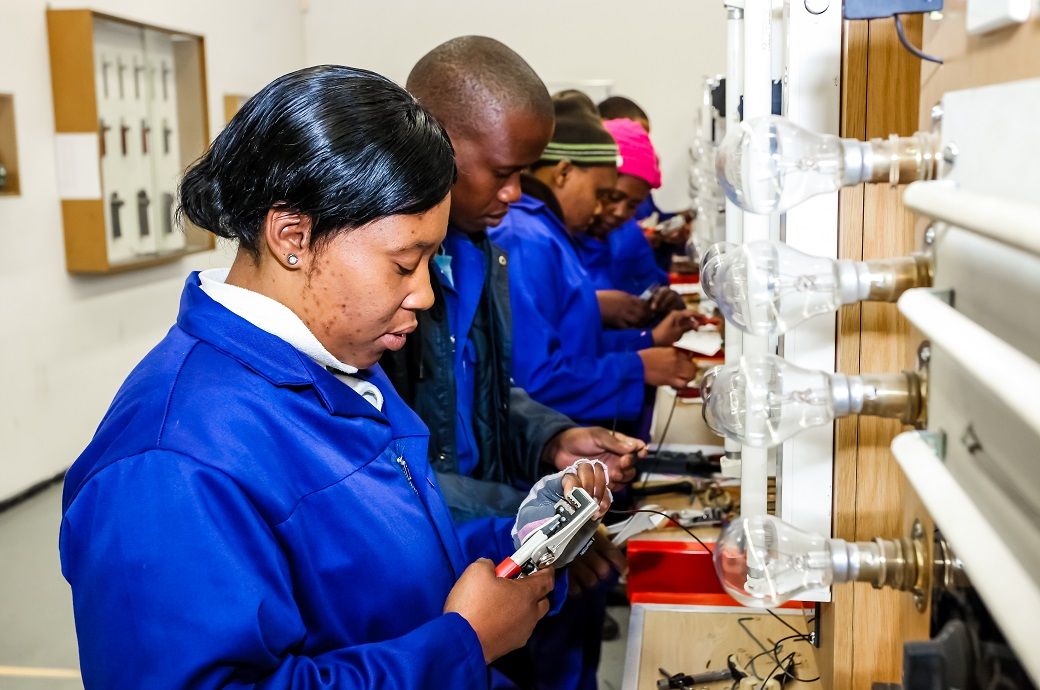
Achieving this could raise domestic sourcing by 20 per cent, add nearly R 8 billion ($502.36 million) in annual manufacturing output and create up to 34,000 jobs, it said.
South African retailers placed orders for about 250 million units of apparel and footwear with domestic manufacturers in 2019, and by 2024, this had risen to 389 million units, representing 34 per cent of total sourcing among signatories of the government’s Retail-Clothing, Textile, Footwear and Leather (R-CTFL) Masterplan.
With sound industrial development and policy support, an extra 81 million garments could be sourced by South African retailers every year from domestic manufacturers by 2030, a study said.
This could raise domestic sourcing by 20 per cent, add $502.36 million in annual manufacturing output and create up to 34,000 jobs.
However, it is significantly below the 65-per cent domestic sourcing target by 2030.
This level of sourcing has been significant and continues to support nearly 75,000 jobs in the formal manufacturing sector. However, it remains significantly below the Masterplan target of 65 per cent domestic sourcing by 2030, the study, conducted by industrial development consultancy BMA, revealed.
So there is considerable potential demand among South African retailers to source from domestic suppliers that could help bridge the supply gap, it noted.
Although demand was mapped across 32 product categories, around 50 per cent of the total opportunity is concentrated in T-shirts, denim and athleisure, suggesting that focused, category-specific strategies are more likely to deliver impact than broad-based interventions.
South Africa has established capability in key product categories, particularly in KwaZulu-Natal and the Western Cape. The alignment between this capability and the largest areas of mapped demand suggests an opportunity to concentrate support where scale and technical capability already exist, according to the study report.
There is a need for better industry and policy alignment to ensure that manufacturers can fully capitalise on the opportunity, it noted.
While retailers expressed a strong interest in local sourcing, price remains a key consideration. Though many manufacturers have made progress in building cost-competitive offerings, further work is needed, particularly in product categories like basic knits, to align pricing more closely with market requirements, it added.
A significant portion of the supply base operates on a small scale, and modelling shows that insufficient scale limits overhead recovery, constrains investment and weakens price competitiveness. The study also indicated that more adaptive shift models could materially improve competitiveness.
Fibre2Fashion News Desk (DS)










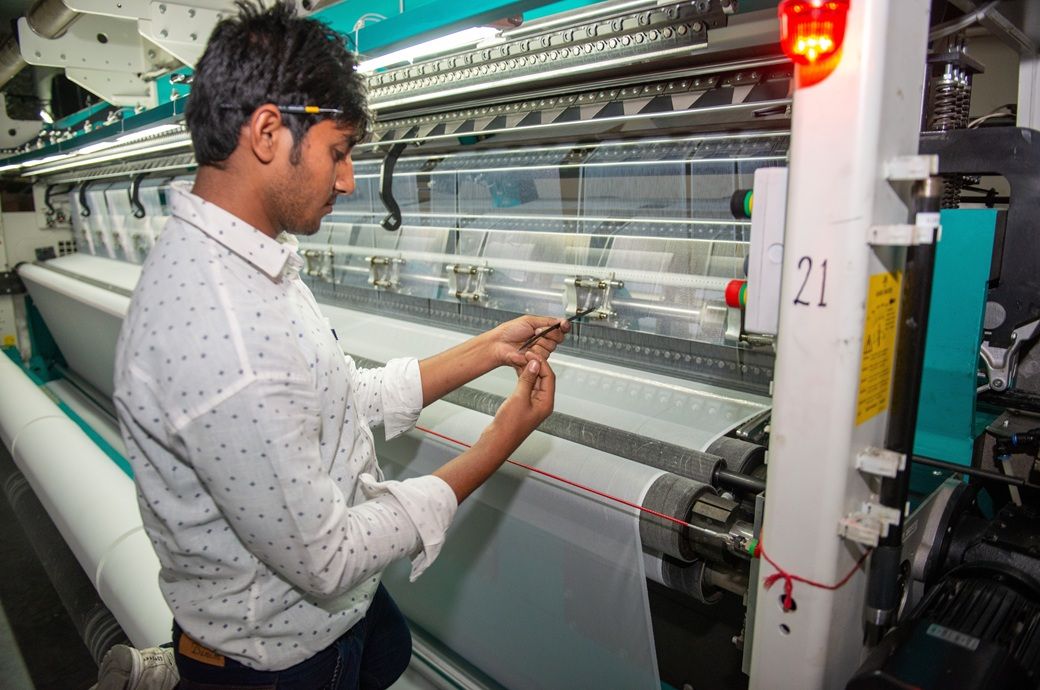
The delegation comprises of major India Textile machinery companies spanning Spinning, Weaving, Processing, Dyestuff & Chemicals, Digital Printing, Technical Textiles, Sportstech, Association & Chamber interested in Joint Venture, Exporting, Sourcing, New Product Technology & Networking sectors.
An Indian textile and engineering delegation visiting Indonesia signals a strategic effort to deepen bilateral collaboration.
Bringing together expertise across machinery, chemicals, and technical textiles, the initiative aims to foster joint ventures, sourcing partnerships, and technology exchange, unlocking long-term growth opportunities and strengthening Asia’s integrated textile value chain.
The Indian Textile & Textile Engineering Business Delegation will be available for interaction & meeting on Monday April 13, from 2.30 pm to 3.30 pm at Orchid 1, Four Points by Sheraton, Bandung.
It is a complimentary meeting & interested Textile Industry member from all streams & Countries can register via Google form.
Indonesia’s strong textile manufacturing base and export capabilities complement India’s engineering and technology power, strategically has the potential & unlimited opportunities to strengthen the bilateral trade between India & Indonesia.
Note: The headline, insights, and image of this press release may have been refined by the Fibre2Fashion staff; the rest of the content remains unchanged.
Fibre2Fashion News Desk (MS)
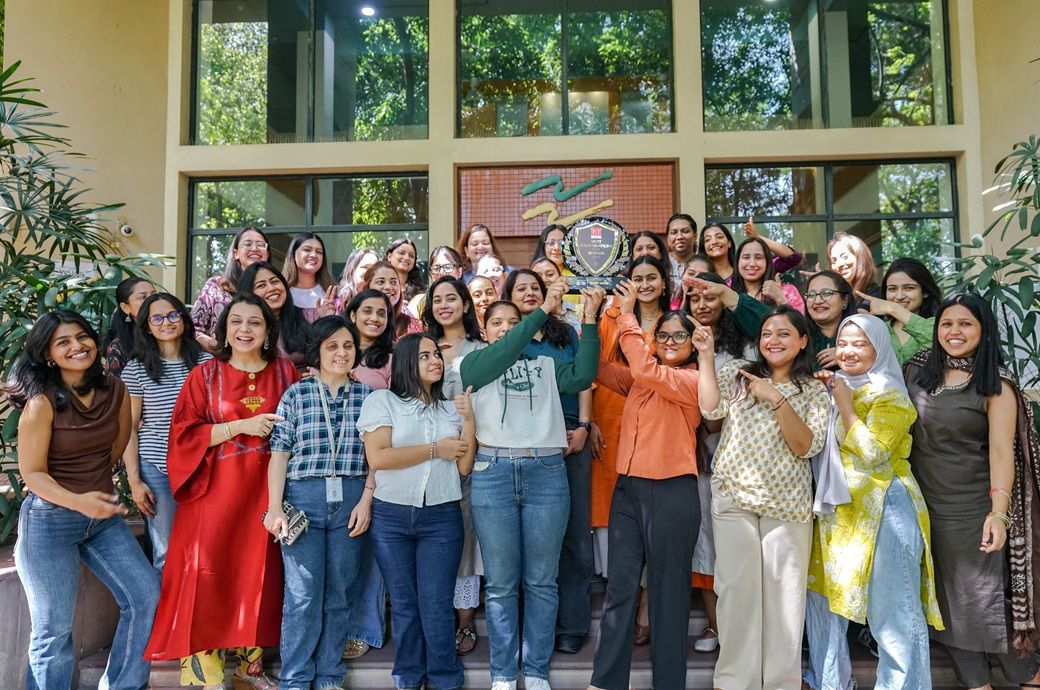
Trident Group, a leading Indian business conglomerate and globally recognised textile manufacturer, has been honoured by ET Edge, an initiative of the Times Group, as the Best Organization for Women 2026. The recognition acknowledges Trident’s sustained efforts to build inclusive, supportive, and empowering workplaces for women.
Trident Group has been recognised by ET Edge as the Best Organisation for Women 2026, highlighting its strong commitment to inclusivity and empowerment.
Through initiatives like Shreejana and Asmita Leaves, alongside flexible policies and leadership programmes, the company continues to foster supportive workplaces where women can grow, lead, and thrive.
Commenting on the recognition, Ms. Pooja B. Luthra, Chief Human Resources Officer, Trident Group, said, “At Trident, empowering women is integral to how we think, act, and grow as an organisation. We are committed to creating a workplace where women feel respected, supported, and confident to pursue their aspirations, navigate life transitions with dignity, and progress into leadership roles. This recognition reinforces our belief that when women are empowered, organisations grow stronger.”
Guided by this commitment, Trident has instituted initiatives addressing key personal and professional needs. Programmes such as Shreejana, Asmita Leaves, and Shagun/Aashirwad, along with Hastakala, are supported by maternity benefits, flexible work options, wellness initiatives, and leadership development frameworks.
This recognition reaffirms Trident Group’s commitment to shaping workplaces where women are enabled to lead, innovate, and create lasting impact, contributing to inclusive growth across geographies and generations.
Note: The headline, insights, and image of this press release may have been refined by the Fibre2Fashion staff; the rest of the content remains unchanged.
Fibre2Fashion News Desk (MS)
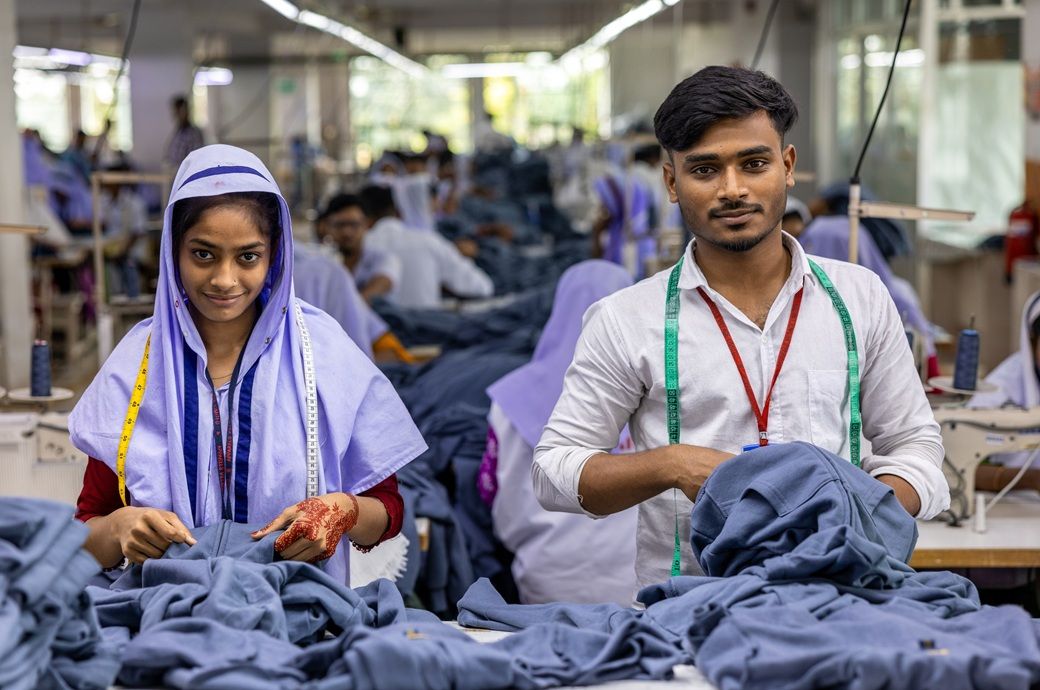
Addressing a pre-budget meeting with stakeholders, he indicated a gradual return to the standard corporate tax rate of about 27.5 per cent.
Bangladesh’s National Board of Revenue has said the reduced corporate tax rates of 10-12 per cent being imposed on the RMG sector now may not last longer.
At a pre-budget meeting with stakeholders, it indicated a gradual return to the standard 27.5-per cent rate.
AmCham Bangladesh proposed rationalising the 1-per cent minimum tax on annual turnover and lowering tax rates for offshore banking units.
Export-oriented knitwear and woven garment manufacturers, along with green-certified factories, enjoy lower corporate tax rates of 10 per cent and 12?per cent respectively. These incentives are designed to boost exports and encourage sustainable industrial practices.
Exporters already enjoy a 50-per cent income tax exemption on export earnings, which reduces their actual tax burden to a great extent, he was cited as saying by domestic media outlets.
Women Entrepreneurs Network for Development Association (WEND) president Nadia Binte Amin suggested equalising corporate tax rates and reducing the 1-per cent tax deducted at source (TDS) on export earnings for fully women-owned businesses.
She also proposed a 10-per cent tax rebate for companies investing in research and development, innovation, training and sustainable development.
The American Chamber of Commerce in Bangladesh (AmCham) proposed rationalising the current 1-per cent minimum tax on annual turnover. It also suggested maintaining a level-playing field in the banking sector by applying a uniform 37.5-per cent tax rate to both foreign and local commercial banks.
It also recommended lower tax rates for offshore banking units, similar to other Asia-Pacific countries, where rates range from 0 to 20 per cent.
Other proposals included simplifying procedures under Double Taxation Avoidance Agreements, speeding up certification processes, introducing a standard foreign currency conversion method in line with international practices, and rationalising withholding tax rates.
Fibre2Fashion News Desk (DS)


India ITME delegation explores textile ties in Indonesia

White House staff warned not to place bets on prediction markets

OpenAI Backs Bill That Would Limit Liability for AI-Enabled Mass Deaths or Financial Disasters

-
 Business1 week ago
Jaguar Land Rover sees sales recover after cyber attack
-
Uncategorized1 week ago
[CinePlex360] Please moderate: “Trump signals p
-

 Entertainment6 days ago
Joe Jonas shares candid glimpse into parenthood with Sophie Turner
-

 Tech6 days ago
Our Favorite iPad Is $50 Off
-

 Sports6 days ago
UConn Final Four run could trigger a $50M furniture giveaway for Massachusetts-based Jordan’s Furniture
-

 Entertainment6 days ago
Blake Lively reacts to harassment claims dismissal against Justin Baldoni
-

 Fashion1 week ago
China’s Anta Sports posts record $11.62 bn revenue in 2025
-
 Business7 days ago
Video: Why Is the Labor Market Stuck?