

Business
Poundland issues store closures update after axing 2,200 jobs

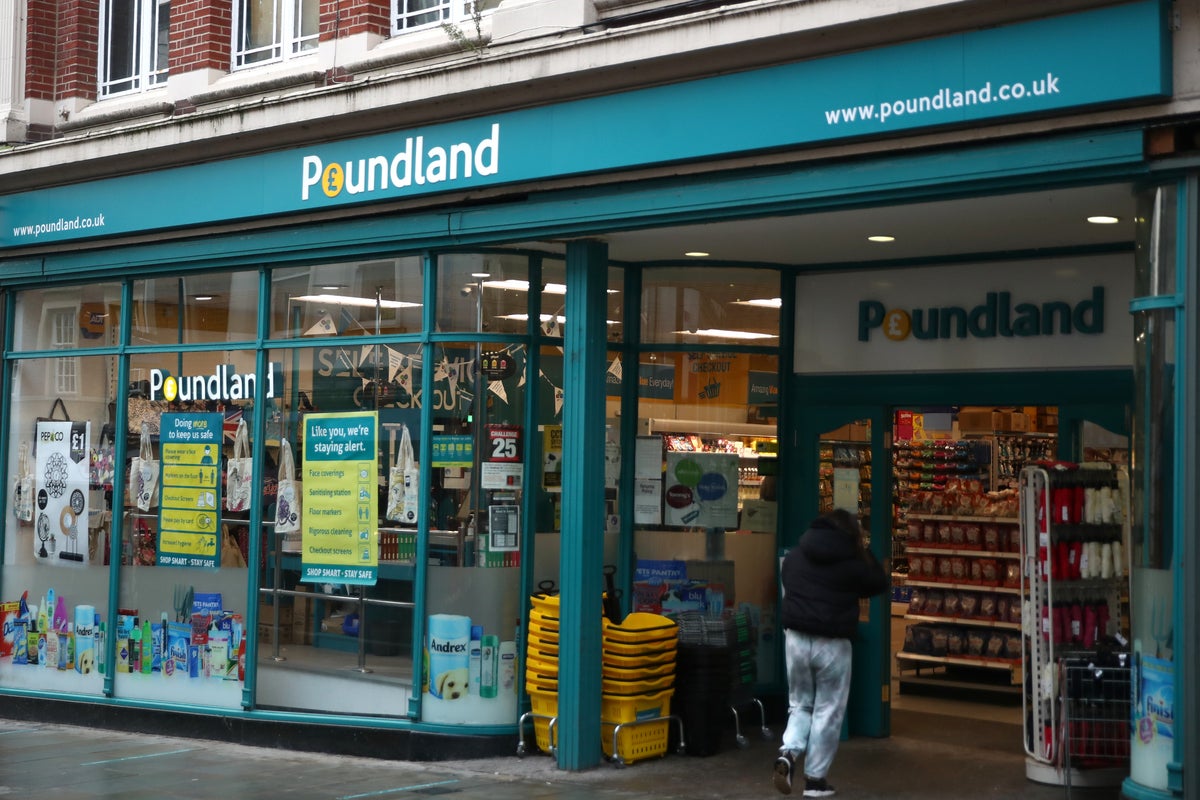
Poundland has announced the completion of a sweeping restructure that saw the discount retailer close nearly 150 shops and axe 2,200 jobs, though it concedes there remains “much to do” to stabilise the business.
The troubled chain, which secured High Court approval for its restructuring plan last August, confirmed it concluded the year with 651 sites, a significant reduction from approximately 800 stores prior to the overhaul.
Its workforce also diminished from 14,200 to around 12,000 by the end of last year.
The extensive revamp also involved the closure of two of its four warehouses, located in Darton, South Yorkshire, and Springvale in Bilston, West Midlands.
Additionally, its customer service centre in Walsall, also in the West Midlands, underwent a reorganisation.
In an update issued on Friday, Poundland stated that the large-scale shop closures are now concluded.
The company clarified: “Any future closures will be a consequence of standard business-as-usual lease events expected at a retailer with a large store network.”
Christmas trading figures revealed a 2.9 per cent drop in like-for-like underlying sales for the quarter ending 28 December.
This decline was attributed to the retailer’s strategy of slashing prices to return to its core discount roots, a move that saw comparable store sales by volume lift by 2 per cent.
Underlying earnings in its first quarter rose £8.4 million to £17.3 million, in line with its expectations.
Poundland managing director Barry Williams said: “While there’s been significant progress as we refocus and re-energise the business with lower prices and a sharper offer, we know we still have much to do.
“Our focus on our costs has, without doubt, given us a platform for future growth, but no sustainable turnaround can be based on cost management alone.
“That’s why our focus in 2026 will be on delivering the kind of ranges and price simplicity our customers want right across the store – in clothing, homewares, as well as our core grocery aisles.”
Poundland was sold for £1 to investment firm Gordon Brothers in June last year.
It avoided entering administration after a restructuring plan was approved in the High Court in August, days before the company was due to run out of money.
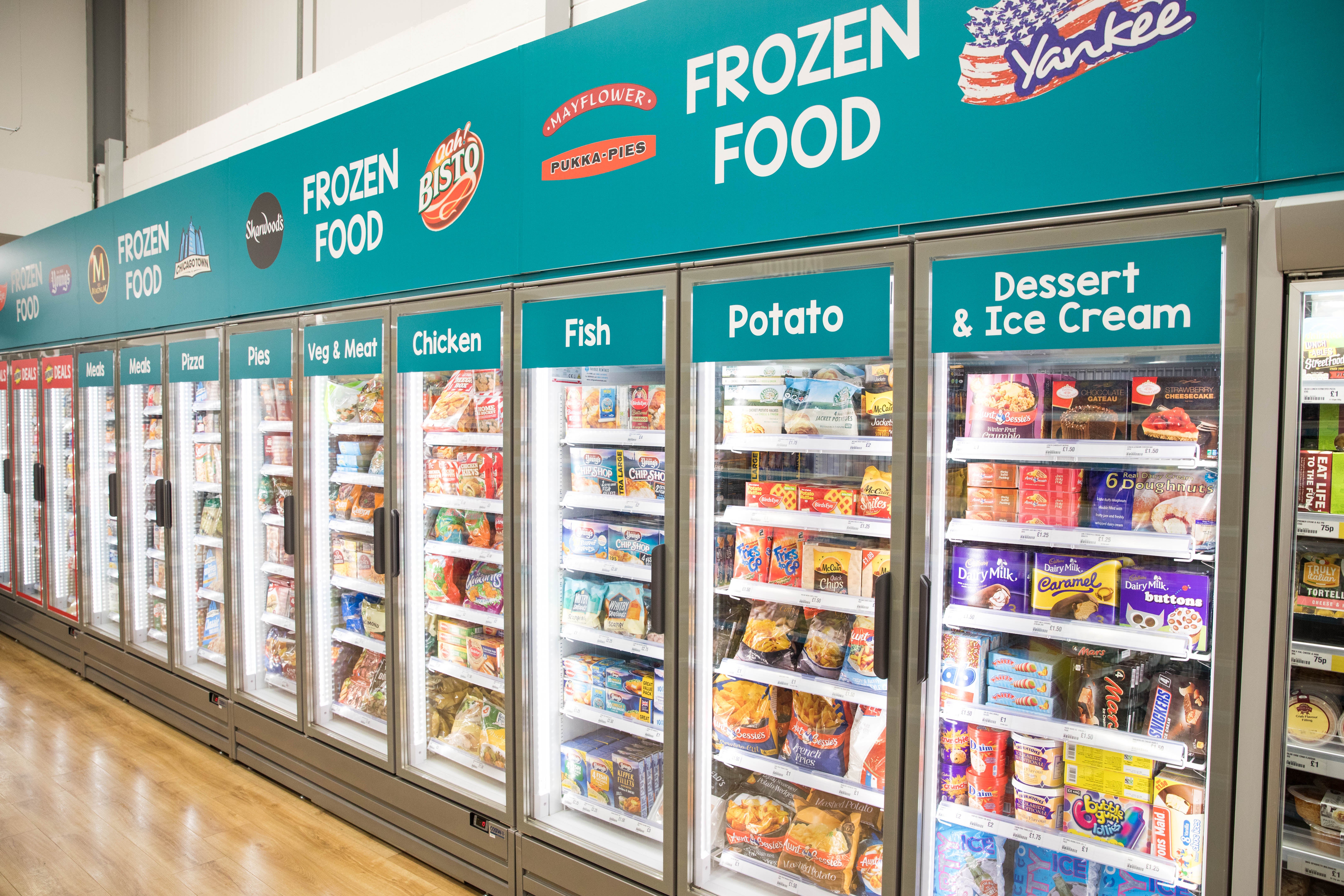
Recovery efforts since have focused on simplifying the business, including by cutting stores but also by overhauling its pricing structure and removing some categories, such as frozen foods and some chilled ranges, as well as ditching its online offering.
It is returning to a simple £1, £2 and £3 grocery pricing across all its UK shops – with around 60 per cent of grocery items priced at £1.
The group is relaunching in-house designed Pep&Co clothing to its UK and Ireland stores, with 90 per cent of items priced below £10 to be available from next week.
It is also next week launching a nationwide ad campaign “to highlight the everyday value” of ranges.

Now one of the biggest sportswear firms, Anta’s rise follows a playbook adopted by many Chinese giants.
Source link
Business
Gold price prediction today: Will gold prices continue to be volatile? Key levels to watch out for April 27, 2026 week – The Times of India

Gold price prediction today: Gold prices will closely track movements on the rate decisions by several central banks, including the US Federal Reserve, this week, says Manav Modi, Senior Analyst, Commodity Research at Motilal Oswal Financial Services Ltd.Gold is currently consolidating after sharp swings in a broad range, indicating a pause rather than a reversal. Price action shows a higher-high structure intact, but the recent sideways movement suggests indecision near the upper supply zone around 158,000–160,000. The formation resembles a short-term flag/triangle continuation pattern, where a breakout on either side will define the next directional move. Volume has tapered slightly, reinforcing the consolidation narrative.Gold prices recently moved from the upper band toward the mid-band (20 DMA), and are now attempting to stabilize. The bands have started to contract, signaling a potential volatility expansion ahead. Sustaining above the mid-band (~150,500–151,000 zone) keeps bullish bias intact, while a breakdown below this could trigger a deeper mean reversion toward the lower band.For the week, immediate support for gold prices is placed at around Rs 150,500, which is followed by stronger support near Rs 148,500. On the upside, the resistance stands at around Rs 155,500, and after that the key supply zone is at Rs 158,000. A decisive close for gold above Rs 158,000 levels can then resume the broader uptrend. However, a break in gold prices below levels of Rs 148,500 may shift the momentum to bearish in the near term.The economic docket is filled with data points and events this week as the focus will be on FED, BOJ, ECB and ECB policy meetings. US consumer confidence, GDP, inflation and durable goods orders data will also be in radar.(Disclaimer: Recommendations and views on the stock market, other asset classes or personal finance management tips given by experts are their own. These opinions do not represent the views of The Times of India)

British families tell BBC Panorama how the Iran war is affecting their monthly budgets.
Source link


Strait of Hormuz disruption ‘systemic shock’ threatening SE Asia: ERIA
Anta: The Chinese sports brand taking on Nike and Adidas

Prince Harry stirs new debate at Palace with bold move: ‘walking liability’

-

 Sports1 week ago
WWE WrestleMania 42 Night 2: Live match results and analysis
-

 Sports1 week ago
NCAA men’s gymnastics championship: All-time winners list
-

 Fashion1 week ago
UK’s Sosandar returns to profitability amid robust FY26 performance
-

 Politics6 days ago
UK’s Starmer seeks to deflect blame over Mandelson appointment
-

 Entertainment7 days ago
Lee Anderson, Zarah Sultana kicked out of UK Parliament for calling PM ‘liar’
-

 Entertainment1 week ago
Ruby Rose old essay resurfaces detailing night of alleged Katy Perry assault
-

 Entertainment1 week ago
Nathalie Baye, low-key legend of French cinema, dies aged 77
-
 Business1 week ago
No fuel shortage: Govt assures 100% domestic LPG, PNG, CNG supply amid Hormuz energy crunch – The Times of India