

Entertainment
Prince Harry, Meghan land in ‘complicated’ situation after Jordan visit

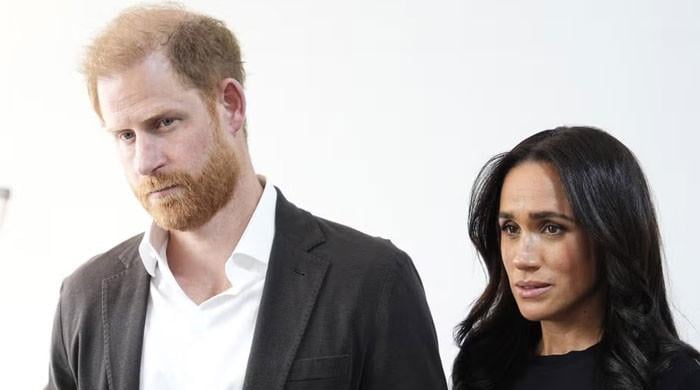
Prince Harry and Meghan Markle, who had wrapped an important two-day visit to Jordan this week, seemed to have received a mixed reaction from the British public and royal fans.
While some had praised the couple for their efforts, the others heavily criticised the ‘quasi-royal’ tour, calling them out for copying the royals. However, the Duke and Duchess of Sussex received a rather wistful verdict on the matter.
According to royal experts, Harry and Meghan have landed themselves in a tricky spot following their exit from the senior positions and the rift with the royals, but the criticism this time around had been “largely unfair” for the couple.
The Jordanian royals have very close ties with the British royal family, pointed out royal expert Russell Myers, who has written a joint biography on Prince William and Princess Kate. He also pointed out that Jordan is “pretty much in the royal family’s backyard”.
Although, he maintained that Harry and Meghan didn’t deserve the intense criticism as they had been in the country for a humanitarian visit on the invitation on the World Health Organisation’s director-general, Dr Tedros Adhanom Ghebreyesus.
He suggested that even if Harry and Meghan were being followed by a camera crew or filming a new documentary for Netflix, they are still using their profile for “public good”. Russell went on to urge the people to “calm down a little bit” in the Sussexes case.
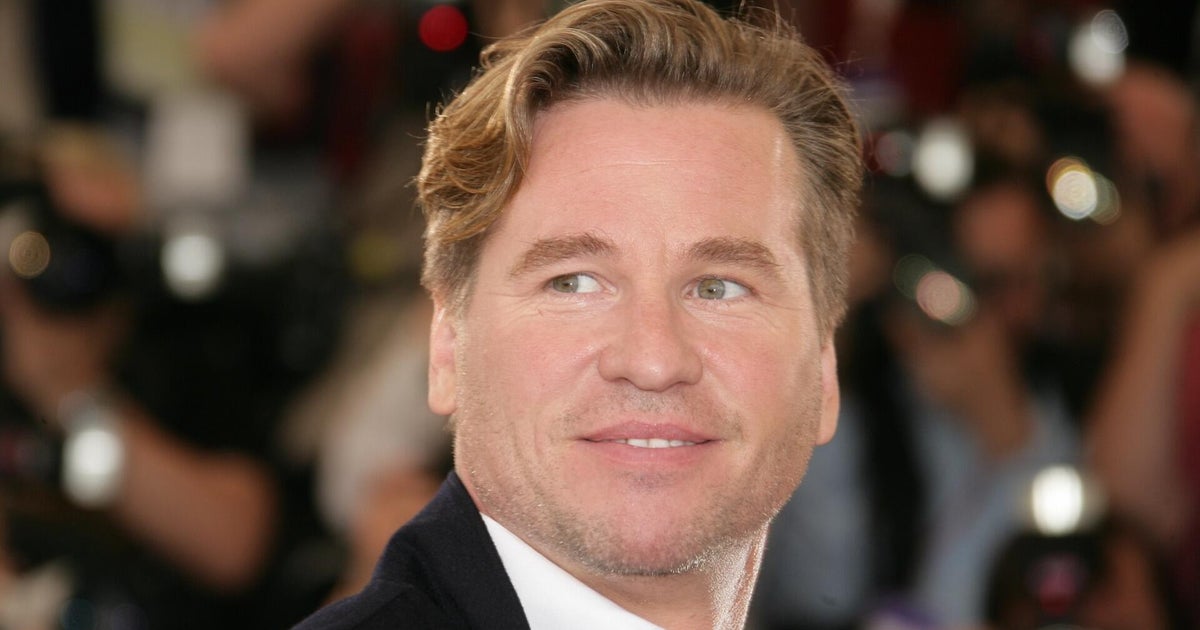
Actor Val Kilmer died last April, and yet he is starring in a new movie, made after his death. Jo Ling Kent reports on how filmmakers resurrected his voice and image by using artificial intelligence.
Source link
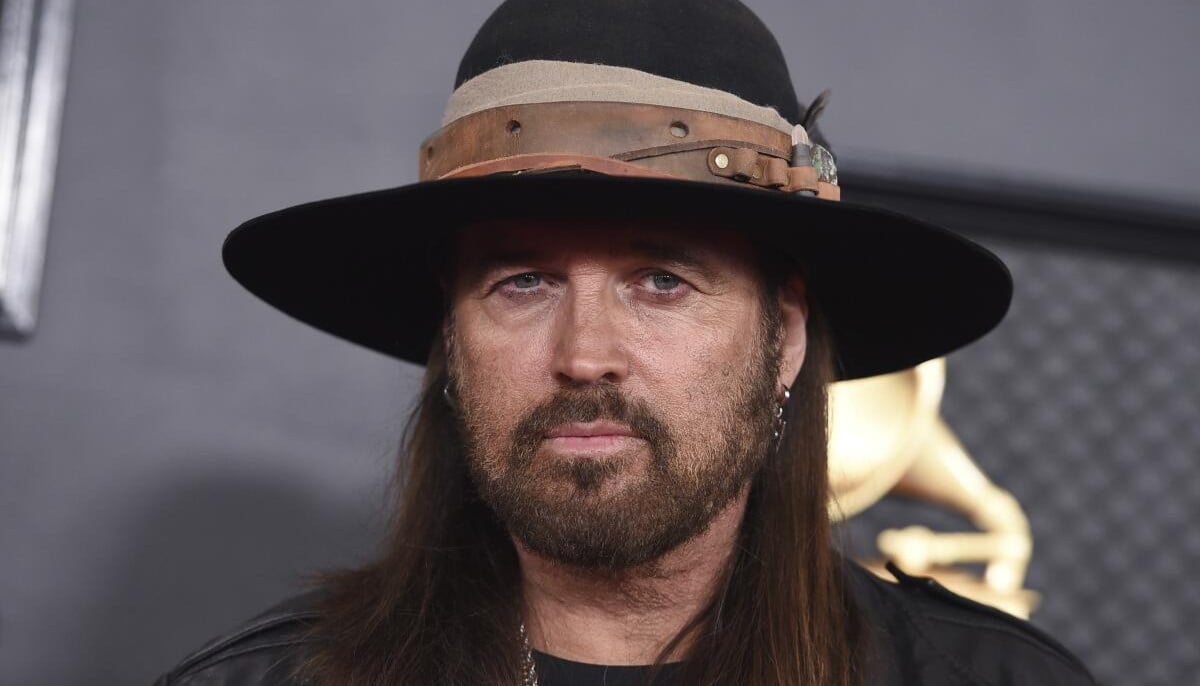
Billy Ray Cyrus has revealed that his decision to perform for presidents of both political parties is rooted in a childhood lesson from his father about respecting the office.
Speaking with Sky News on Tuesday, 14 April, the 64-year-old singer explained that despite his father being a lifelong Democrat who served in the Kentucky legislature, he always taught his son that when a president asks for your help, you answer the call.
Cyrus noted that this upbringing has led him to work with a long list of leaders from both sides of the aisle, including Bill Clinton, Barack Obama, both George H.W. and George W. Bush, and most recently, Donald Trump.
The country star, who famously performed at the Liberty Ball in January 2025 to celebrate Trump’s second inauguration, emphasised that his participation in such events comes from a place of prayer for the country and the world rather than party loyalty.
He described being the president as a “tough job” and shared that his goal is to find things that bring people together.
While his performance last year made headlines for the wrong reasons due to major technical difficulties, Cyrus defended his appearance at the time, stating that he wouldn’t have missed the honour of playing the event regardless of whether his equipment worked or not.
During that 2025 set, Cyrus faced a series of “epic” malfunctions where his microphone and guitar frequently cut out, eventually forcing him to finish with an acoustic, a cappella version of his signature hit, Achy Breaky Heart.
He famously challenged the crowd during the broadcast, asking if anyone was still awake and whether they wanted him to keep singing or just “get the hell off the stage.”
Despite the “trainwreck” reception on social media, he remained defiant, telling fans that in life you have to keep going, or as the president would say, “you gotta fight.”
Cyrus was part of a star-studded line-up for the inauguration festivities that included the likes of Carrie Underwood, Jason Aldean, and Kid Rock.
He noted that even seasoned pros like Underwood faced their own technical hurdles during the ceremony, but he believes that “rock n roll” is about entertaining the people even when the equipment goes to hell.
For Cyrus, performing at such a high-profile event was a simple matter of following his father’s old advice: when the commander-in-chief invites you to the stage, you go and do your job for the people.
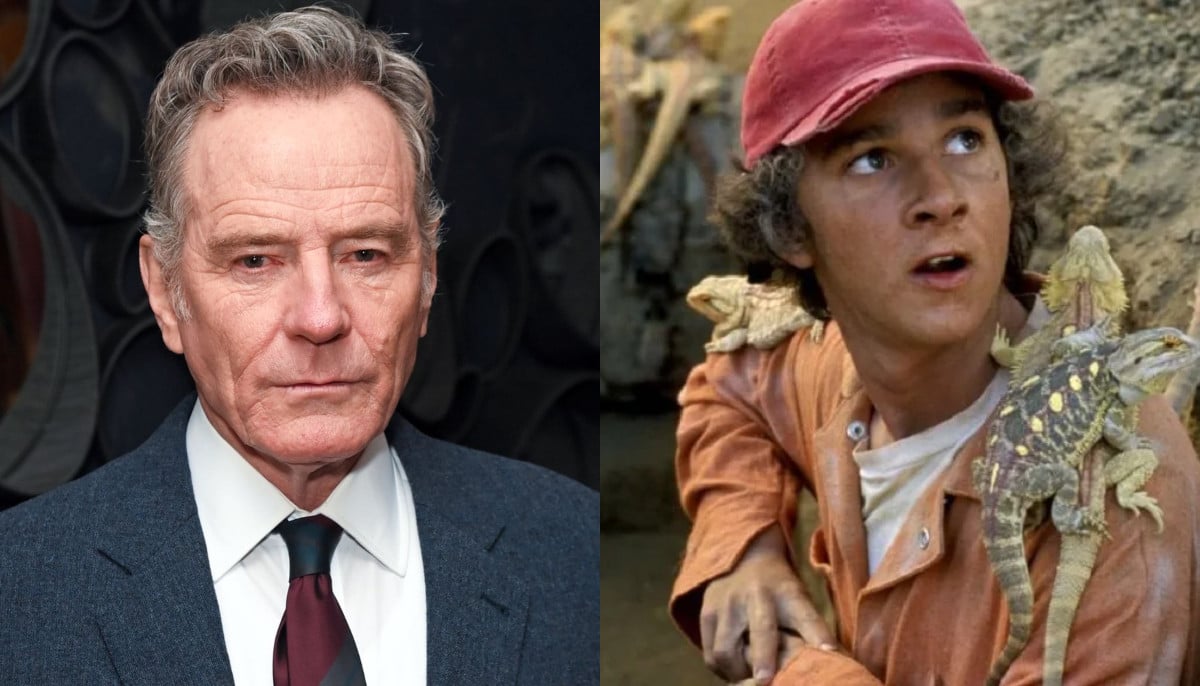
Bryan Cranston has delivered a sharp dig at Shia LaBeouf after his Malcolm in the Middle co-star Frankie Muniz revealed he had been set to star in Holes before dropping out, with Cranston’s advice to LaBeouf cutting right to the point.
In a new Esquire video interview, Muniz, 40, told Cranston he had been attached to play the lead role of Stanley Yelnats in Disney’s 2003 film before a competing offer arrived.
“I was signed to be in the movie Holes, and it was 100% about to start filming and then Cody Banks was greenlit,” he explained.
“They were like, ‘Which one do you want to do?'” Muniz chose Agent Cody Banks, despite pressure from those around him to take the more dramatic role.
LaBeouf stepped in and the rest is history, Holes helped launch his career.
Muniz was reflective about the road not taken.
“I wonder what my career or life would’ve been [had I done Holes instead]. What could’ve come with it? Would I have been taken more seriously as an actor?”
Cranston’s response was instant.
“You could’ve had Shia LaBeouf’s life,” he said with a sarcastic scoff and a whistle, before adding: “Keep that one in. Shia, get some help!”
The comment lands with weight given LaBeouf’s recent history.
Just last month, the actor was arrested in New Orleans after getting into a fight during Mardi Gras. LaBeouf’s troubles predate the New Orleans incident.
He was court-ordered to attend rehab following a 2017 arrest in Georgia for public intoxication, and a lawsuit filed against him by FKA Twigs alleging sexual battery, assault and infliction of emotional distress was settled last July.
Muniz, meanwhile, appears to have made peace with his decision, noting that his path led him back to Malcolm in the Middle and, eventually, a very different kind of life as a NASCAR driver.

Finance ministers and top bankers raise serious concerns about Mythos AI model
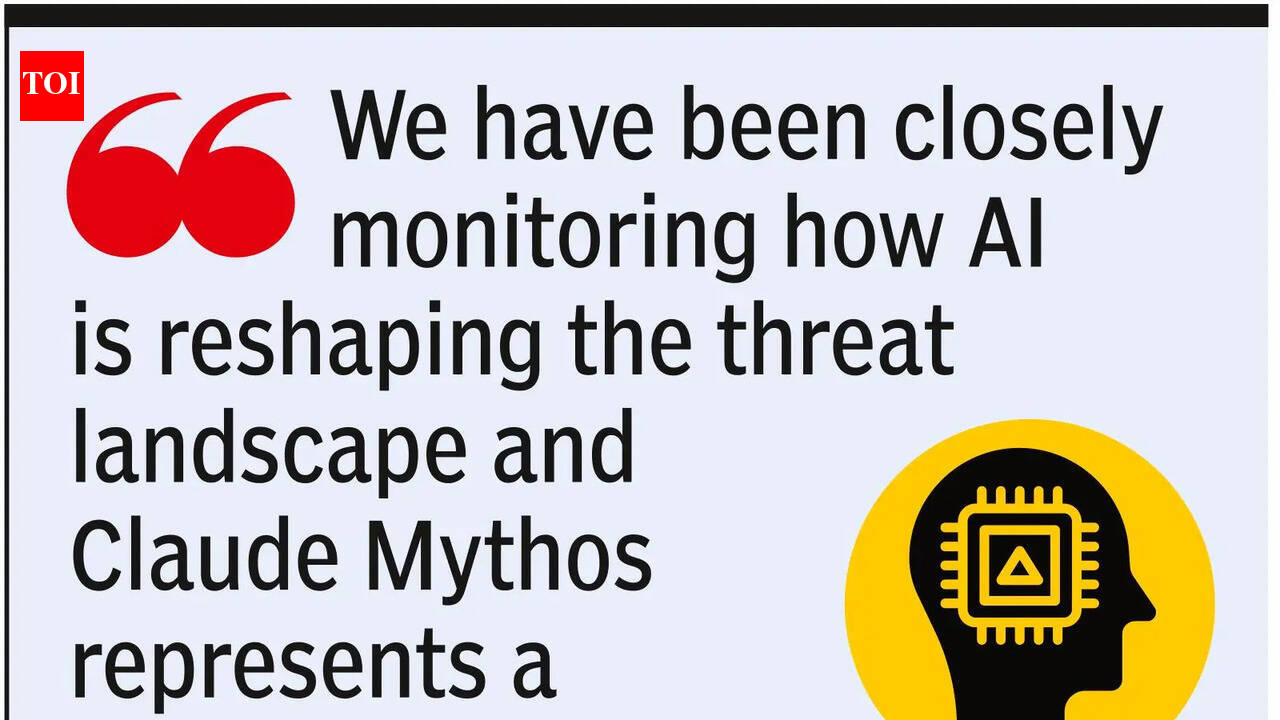
Anthropic’s new AI model exposes fresh risks, flaws for cybersecurity, IT services – The Times of India

Mike Trout crushes fifth Yankee Stadium HR in four games

-
 Entertainment1 week ago
Queen Elizabeth II emotional message for Archie, Lilibet sparks speculation
-

 Tech1 week ago
Azure customers up in arms over ‘full’ UK South region | Computer Weekly
-

 Tech1 week ago
As the Strait of Hormuz Reopens, Global Shipping Will Take Months to Recover
-

 Fashion1 week ago
CII submits 20-pt agenda to Indian govt to back firms hit by Iran war
-

 Tech1 week ago
This AI Button Wearable From Ex-Apple Engineers Looks Like an iPod Shuffle
-

 Politics7 days ago
Indian airlines hit hardest after Dubai limits foreign flights until May 31
-

 Entertainment4 days ago
Palace left in shock as Prince William cancels grand ceremony
-
Uncategorized1 week ago
[CinePlex360] Please moderate: “Trump considers