

Entertainment
Princess Eugenie gives a voice to fake fashion and its human exploitation

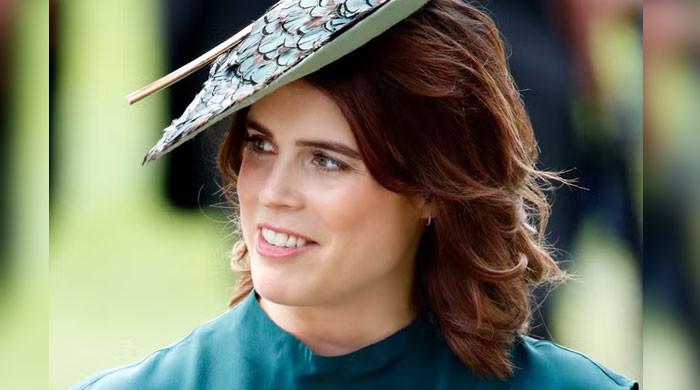
Princess Eugenie has just turned to her social media account to champion the fight against fake fashion due to the dangers it poses to possible human exploitation.
The entire thing was done as part of a repost the Duchess made, in collaboration with the anti slavery collective.
The post contained an informative video that showed off the differences between a real and fake hand bag, and warned that “its not just a bargain it’s a hidden world of exploitation, pollution, and organized crime.”
The video also contained a caption with more information and it reads, “Did you know that Fake fashion is a booming industry worth hundreds of billions driving a hidden web of exploitation and harm to people and planet? From forced labour and child exploitation to human trafficking, fake fashion – the kind you can buy online, on the streets, or on holiday – is rife with harm.”
“This week, we hosted an event in NYC with fashion insiders, behavioural change experts, brands, and specialists to shine a light on this overlooked human rights scandal. Our campaign, Hidden Threads: Fake Fashion – A Human Rights Scandal, calls on governments to collect and share data on illicit trade and counterfeiting and implement and enforce forced labour bans.”
“We also urge everyone to consider whether buying a fake handbag, football shirt or trainers is worth the cost of people around the world being exploited. Share this video to help us raise awareness on how fake fashion is linked to forced labour and human exploitation.”
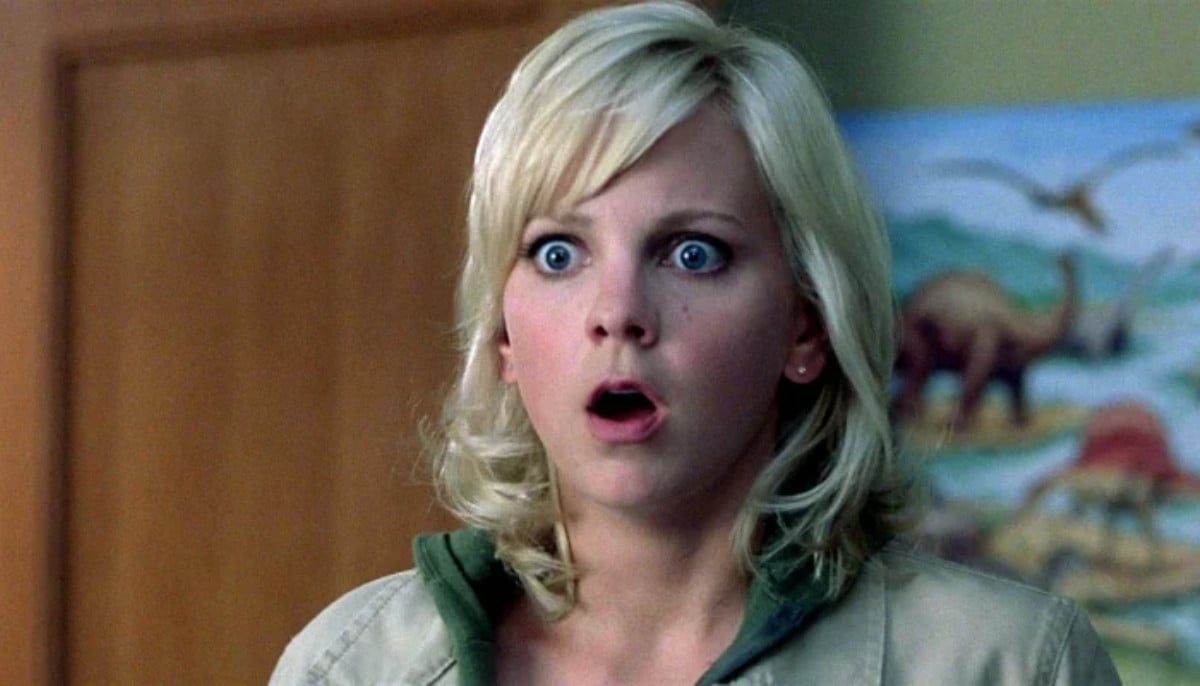
Anna Faris has opened up about the anxiety that plagued her during the making of the original Scary Movie films, admitting she spent much of the time hiding and hoping nobody would notice her, convinced she was about to lose the job.
“I remember being just so scared that I was gonna get fired because I had no body of work behind me. I didn’t even have an agent,” the actress and comedian, 49, tells PEOPLE.
Scary Movie, released in 2000, was her first major film role, and she says she was “so quiet and so intimidated in those first two movies”, spending her time on set hanging back rather than engaging with her castmates.
Things started to shift by the third instalment in 2003.
“For me, it felt like I got to pay more attention. I did get to involve myself more. I did feel comfortable making small talk and having banter and doing what normal people do as opposed to just hiding in the corner, hoping that no one will notice me,” she says.
More than two decades later, Faris is back as Cindy Campbell in Scary Movie 6, and the experience of returning could not feel more different.
When she got the call, she was “shocked and immediately thrilled.”
“I couldn’t believe that there was a world where I would be feeling so good about doing Scary Movie, not just good, but great,” she says.
The reunion has also given her the chance to do something she had never properly done before, thank the Wayans brothers for taking a chance on her all those years ago.
Marlon, Shawn and Keenen Ivory Wayans wrote, created and produced the original films.
“It’s a little healing in the sense that we got to be back together again. That is, for me, a personal celebration because I got to thank them. I’d never thanked them properly,” she says.
“It felt like the Wayans brothers were casting me. This time, I got to thank them and feel like I wasn’t gonna get fired.”
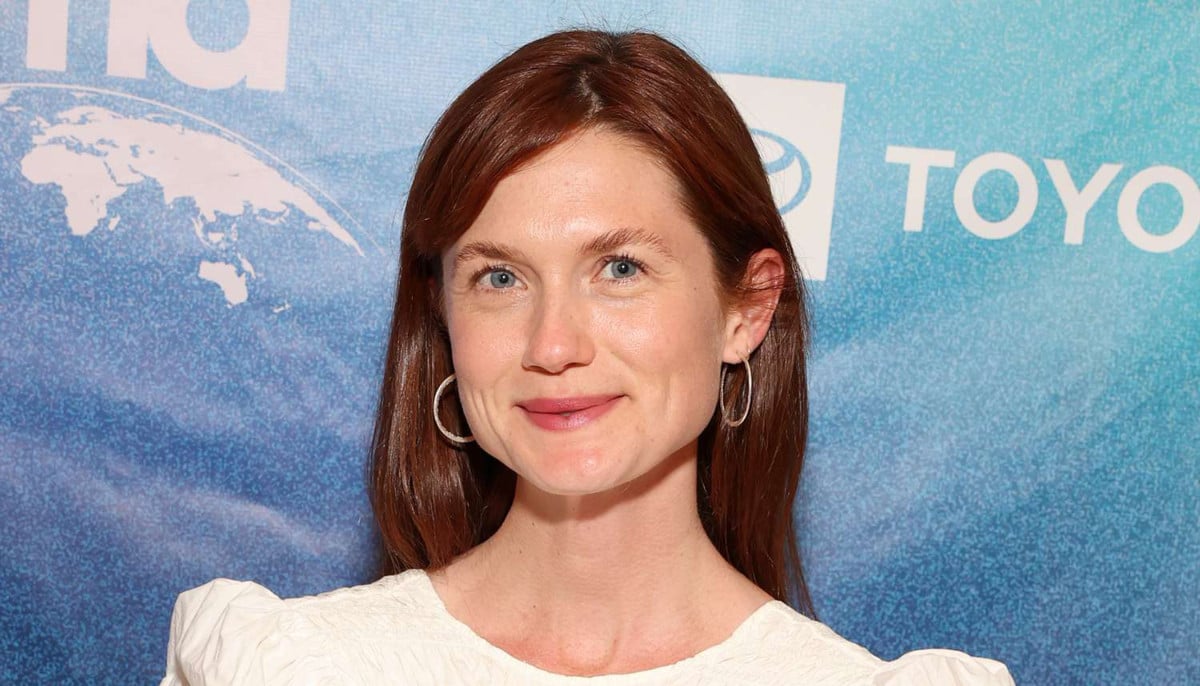
Bonnie Wright, the actress famously known for playing Ginny Weasley in the Harry Potter film franchise, has revealed she is expecting her second baby.
The 35-year-old star shared the happy news with her followers on Sunday, 5 April, through a heartwarming post on Instagram.
Wright, who appeared in all eight movies of the wizarding series, confirmed that her “second little earthling” will be joining the family this autumn.
The announcement was with two sweet photos of the mother sitting on a couch with her two-year-old son, Elio Ocean Wright Lococo.
In the snaps, Wright is seen displaying her baby bump, with one particularly touching shot showing her looking down at her son while he faces her stomach.
She captioned the post, “Two babies on my lap, our second little earthling joining us this autumn,” shortly after teasing a “very special” update on her Instagram Stories with a waterside selfie.
Support from the Harry Potter family came quickly, with co-star Evanna Lynch, who played Luna Lovegood, among the first to offer her congratulations in the comments.
Wright and her husband, Andrew Lococo, originally met in 2020 and tied the knot in March 2022.
Their first child, Elio, was born in September 2023.
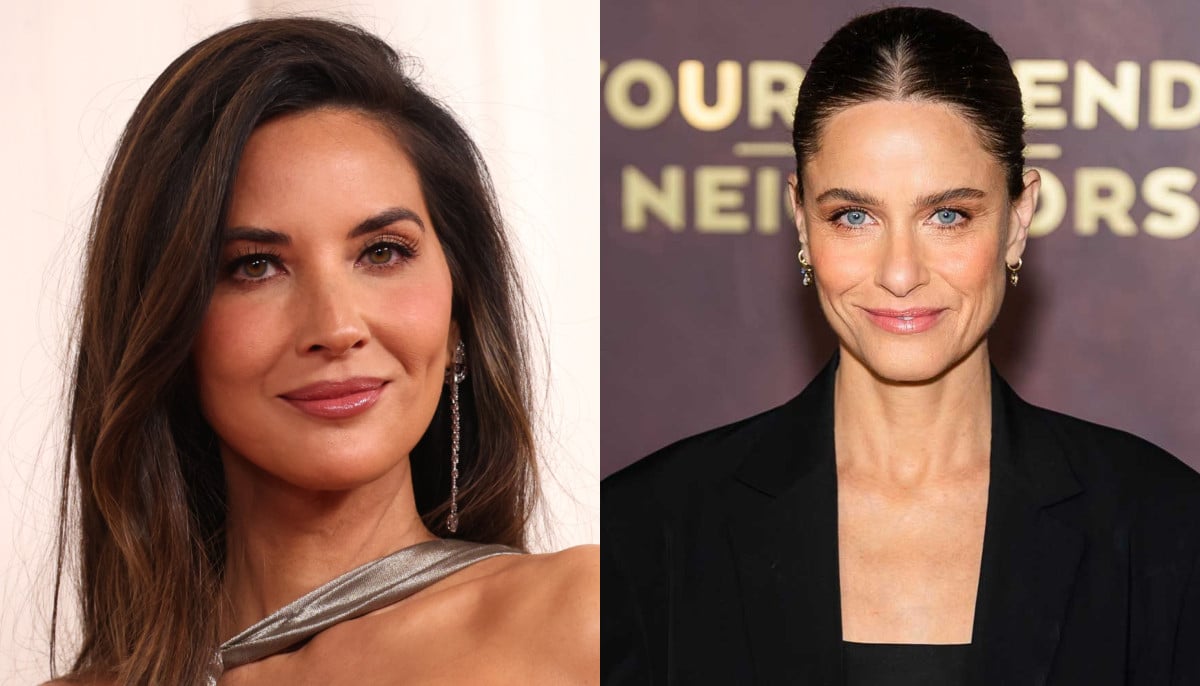
Olivia Munn has spoken movingly about her Your Friends & Neighbors costar Amanda Peet’s breast cancer diagnosis, urging fans to get checked early after Peet’s own experience showed just how much timing can matter.
Speaking to PEOPLE while promoting season two of their Apple TV+ series, Munn, 45, herself a breast cancer survivor, having been diagnosed in 2023, said she was relieved when Peet confided in her last year.
“She told me last year that she was diagnosed, and I was so relieved she found it at such an early, early stage,” she said.
“She found it at almost the earliest you can find it. She really was given a gift of finding it so early that she doesn’t have to do all the treatment and all the stuff you have to do for years and years to come.”
She was clear about what Peet’s experience represents for others.
“She’s incredibly lucky, and it’s another reminder that early detection saves lives.”
Peet, 54, revealed her diagnosis publicly for the first time in a deeply personal essay for The New Yorker on 21 March, having kept it private since 2025.
The piece described an almost unimaginably difficult period in her life, receiving her cancer diagnosis while both of her parents were simultaneously in hospice care on opposite coasts.
When her sister called to say their father was about to die, Peet flew to New York but didn’t make it in time.
“I didn’t make it before my father took his last breath, but I got to see his body before it was taken from his apartment,” she wrote.
“As soon as my dad’s corpse was out of sight, I was free to panic about my cancer again.”
Peet received her first clear scan in January. Days later, her mother, who had Parkinson’s disease, died in the hospice with her daughter by her side.
In Your Friends & Neighbors, Peet plays therapist Mel Cooper and Munn plays her friend and neighbour Sam Levitt.
New episodes are streaming now on Apple TV+.


Turkiye’s manufacturing sector weakens in March amid Middle East war

Anna Faris talks about being insecure about ‘Scary Movie’ role
[CinePlex360] Please moderate: “Nebraska’s 24-g

-

 Sports1 week ago
USMNT handed reality check by Doku, Belgium ahead of World Cup
-

 Sports1 week ago
2026 NCAA men’s hockey tournament: Schedule, results
-

 Fashion1 week ago
EU apparel imports slump 15.48% YoY in Jan; Bangladesh hardest hit
-
Uncategorized3 days ago
[CinePlex360] Please moderate: “Trump signals p
-
Uncategorized7 days ago
[CinePlex360] Please moderate: “Further tariff
-

 Tech2 days ago
Our Favorite iPad Is $50 Off
-
 Entertainment1 week ago
The Avett Brothers’ bassist explains why he wrote a book about John Quincy Adams
-
Uncategorized1 week ago
[CinePlex360] Please moderate: “Apple scrapping