

Business
Rail modernisation: Railways plans 260 Vande Bharat sleeper rakes; phased rollout with advanced safety, comfort features – The Times of India

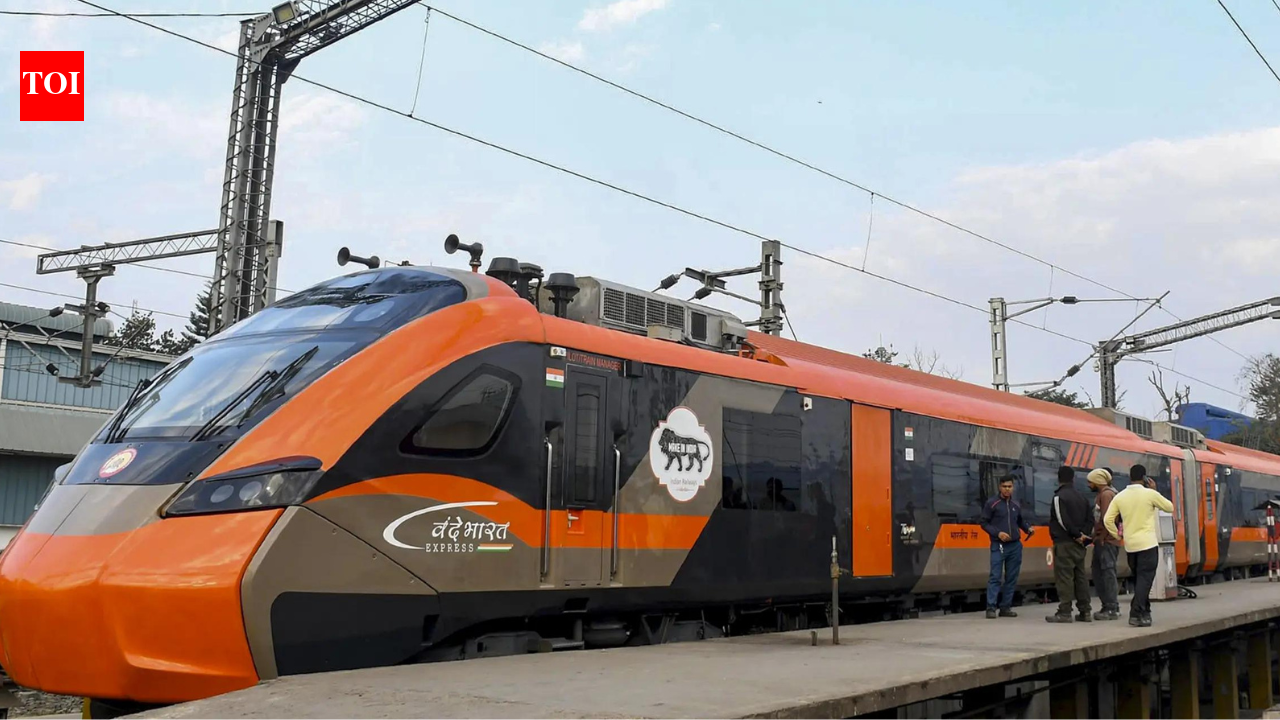
The government has planned to manufacture 260 rakes of Vande Bharat Sleeper trainsets as part of efforts to upgrade long-distance rail travel with advanced safety systems and passenger comfort features, according to Union minister Ashwini Vaishnaw in a written reply in the Lok Sabha.The programme will be executed in phases covering prototype development, testing, trials and series production. The sleeper variant is being developed through a coordinated manufacturing effort involving BEML, Integral Coach Factory (ICF), Chennai and technology partners.
According to the official statement, the “development of new rolling stocks like Vande Sleeper necessitates a holistic approach, combining technological innovation, strategic planning and manufacturing to ensure a safe, reliable and comfortable travel.”The government said induction of Vande Bharat Sleeper trainsets into passenger services will be carried out in phases based on demand and operational readiness.“The process involves development of prototype, extensive testing and trials followed by series production,” the statement said.The project is part of the broader push to enhance passenger experience while improving operational efficiency and safety standards across the railway network.The new sleeper trainsets are being equipped with multiple advanced safety and passenger-centric features.These include semi-permanent jerk-free couplers and anti-climbers, KAVACH safety systems, and crashworthy coach design complying with EN safety standards. The trainsets will have fire barrier doors, aerosol-based fire detection and suppression systems in electrical cabinets and lavatories, and CCTV coverage across all coaches.The trains will also feature regenerative braking systems for energy efficiency and higher acceleration with a design speed of 180 kmph and operating speed of 160 kmph.Passenger comfort upgrades include centrally controlled automatic plug doors, fully sealed wider gangways, centrally monitored coach systems, and air-conditioning units fitted with indigenously developed UV-C lamp-based disinfection technology to improve hygiene inside coaches.Special provisions have been made for Divyangjan passengers, including dedicated lavatories in driving coaches, along with emergency talk-back units for passenger communication with the train manager or loco pilot during emergencies.

An aerial view of homes in San Francisco, Aug. 27, 2025.
Justin Sullivan | Getty Images
The share of U.S. homeowners with high rates on their mortgages has jumped sharply in just the last few years.
That’s having a marked impact on the refinance market and a somewhat more muted impact on home sales. Rates have been front and center in the debate over how to improve home affordability — and for good reason.
In 2022, after mortgage interest rates hit more than a dozen record lows, sparking a refinance bonanza, barely 10% of homeowners had 30-year fixed mortgages with rates above 5%. Just four years later, that share has jumped to over 30%, according to ICE Mortgage Technology. About 20% of borrowers have mortgages with a rate over 6%.
Home sales have been less than robust over the last few years, with the National Association of Realtors reporting a historically low 4.06 million sales last year, basically unchanged from 2024. This, after hitting a 15-year high of 6.12 million home sales in 2022.
More recent sales, combined with some cash-out refinancing, pushed the share of higher-interest-rate borrowers up.
There has been a major focus by the Trump administration to lower mortgage rates as a way to boost home affordability.
The president recently announced a plan for Fannie Mae and Freddie Mac to buy more than $200 billion in mortgage-backed bonds. It is still a subject of debate as to how much lower that would push mortgage rates once the purchase is made, but just the announcement alone caused rates to drop a bit.
Industry experts say the actual purchases could shave perhaps about an eighth of a percentage point off the current 30-year rate, putting it right around 6%. Last year at this time, the average rate on the 30-year fixed mortgage was just over 7%, according to Mortgage News Daily.
If the average on the 30-year fixed moved to 6%, 5.5 million current homeowners would be able to benefit from a refinance, according to ICE Mortgage Technology. Those homeowners could save at least 75 basis points on their rate, which makes the fees involved financially worthwhile, it said.
If rates dropped to 5.88%, that number grows to 6.5 million homeowners.
“The most popular interest rate that’s been used to buy a home over the last 3.5 years is between 6.875% and 6.99%, right? Nobody wanted to tell their neighbors they used a 7% interest rate to buy a home, so everybody bought down into this high 6% range,” said Andy Walden, ICE Mortgage Technology’s head of mortgage and housing market research.
“Coincidentally, those 15-basis-point-spread moves from this $200 billion in MBS purchase is moving rates from what would have been six and a quarter right now down to six and an eighth. And so it’s providing meaningfully more refinance incentive than would otherwise be out there, and it’s having an oversized impact on the market,” he said.
Applications to refinance a home loan are now about 120% higher than they were one year ago, according to the Mortgage Bankers Association.
As for home sales, the last four years were characterized by the so-called rate “lock-in” effect, meaning potential sellers didn’t want to give up their historically low rates. They therefore put off moves that they might otherwise have wanted to make.
Entering 2025, there were roughly 39 million homeowners with an interest rate below 5% and roughly 12 million with an interest rate below 3%, according to Walden.
“If you look at how those borrowers behaved last year, only about 6% of those folks gave up those low rates, either through a refinance to pull equity out of their home or through the sale of their home. Close to 95% of homeowners held on to those rates tight,” he said.
As for prospective homebuyers, a 15-basis-point drop on the 30-year fixed rate would save only about $35 a month on the mortgage payment for the average-priced home. Alternately, they could keep the rate and buy 1.5% more home.
“Certainly a move in the right direction, but not a massive movement for those homebuyers,” said Walden.

Millions could be entitled to compensation as a result of commission arrangements between lenders and dealers.
Source link
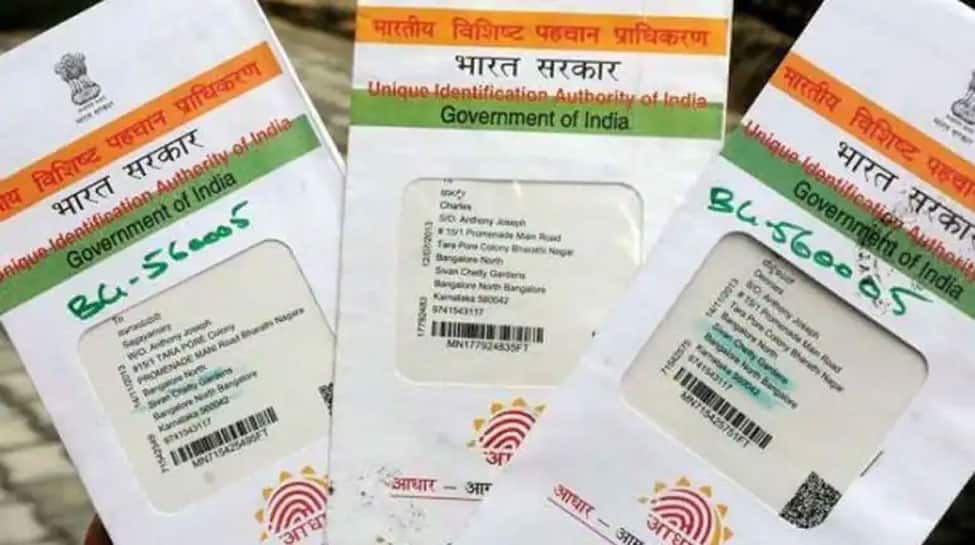
New Delhi: The Unique Identification Authority of India (UIDAI) has deactivated more than 2.5 crore Aadhaar numbers of deceased persons till date. This is as part of a nationwide clean-up effort to maintain the continued accuracy and integrity of the Aadhaar database, Union Minister of State for Electronics and Information Technology Shri Jitin Prasada in Lok Sabha on Wednesday.
Aadhaar is the world’s largest biometric identity system with approximately 134 crores live Aadhaar holders.
In case of the death of a person, it is essential that his/her Aadhaar number is deactivated to prevent potential identity fraud, or unauthorized usage of such Aadhaar number for availing welfare benefits.
The State / UT mentioned in the address of an Aadhaar number holder in the Aadhaar database may vary from the State / UT where death was registered.
Measures to prevent potential identity fraud
Government has said that several measures have been taken to reduce the risk of identity fraud and ensure leak-proof delivery of benefits in the country.
The key measures include:
Biometric Lock/Unlock feature enables an Aadhaar number holder to “Lock” his biometrics, preventing any unauthorized authentication attempts.
Aadhaar Lock/Unlock feature for an Aadhaar number holder.
Deployment of Face Authentication having ‘Liveness Detection feature’ to prevent spoofing and ensure the physical presence of the beneficiary during transactions.
Offline Verification: Promotion of Aadhaar Secure QR Code, Aadhaar paperless offline e-KYC, e-Aadhaar and Aadhaar verifiable credentials for offline identity verification.
No sharing of Core Biometric information of Aadhaar number holders in any manner by UIDAI.
Secure Data Storage: Mandatory use of Aadhaar Data Vaults by all requesting entities to store Aadhaar numbers in an encrypted format.
Database Sanitization: Regular de-duplication and deactivation of Aadhaar numbers belonging to deceased persons.
Updation of demographic details of an Aadhaar number holder is allowed only as per documents listed by UIDAI.
UIDAI has launched a new Aadhaar app which facilitates sharing of verified credentials by Aadhaar number holder with the Offline Verification Seeking Entities (OVSE) in a secure and seamless manner.

A surprising share of homeowners have high mortgage rates. Here’s the breakdown

Italy’s Salvatore Ferragamo’s 2025 sales decline despite DTC growth

12 teams that improved their 2026 CFP chances with their roster moves

-

 Sports1 week ago
PSL 11: Local players’ category renewals unveiled ahead of auction
-

 Sports1 week ago
College football’s top 100 games of the 2025 season
-

 Entertainment1 week ago
Claire Danes reveals how she reacted to pregnancy at 44
-
 Business1 week ago
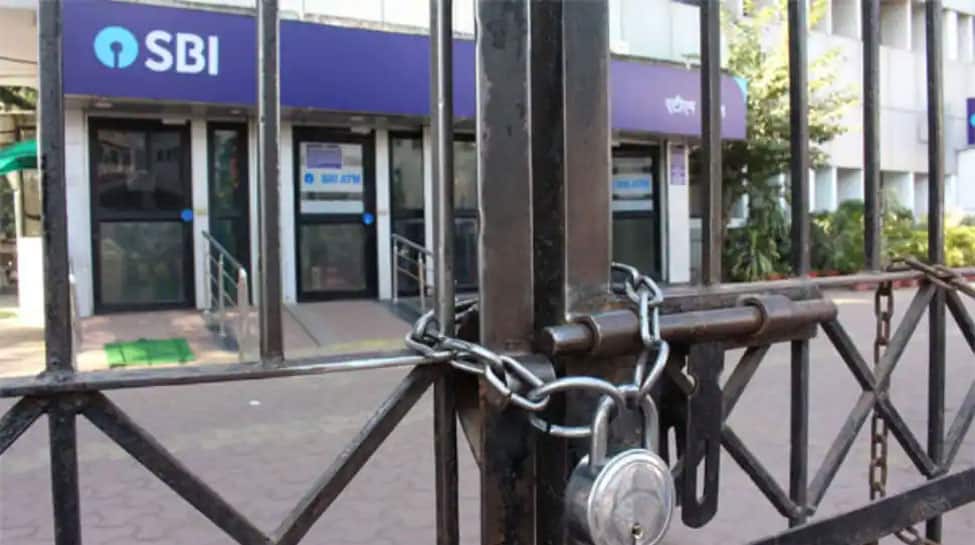
Banking services disrupted as bank employees go on nationwide strike demanding five-day work week
-

 Politics1 week ago
Trump vows to ‘de-escalate’ after Minneapolis shootings
-

 Sports1 week ago
Tammy Abraham joins Aston Villa 1 day after Besiktas transfer
-

 Entertainment1 week ago
K-Pop star Rosé to appear in special podcast before Grammy’s
-

 Tech1 week ago
Brighten Your Darkest Time (of Year) With This Smart Home Upgrade