

Sports
Ranked: Europe’s 10 worst transfers from this summer — and the 5 best

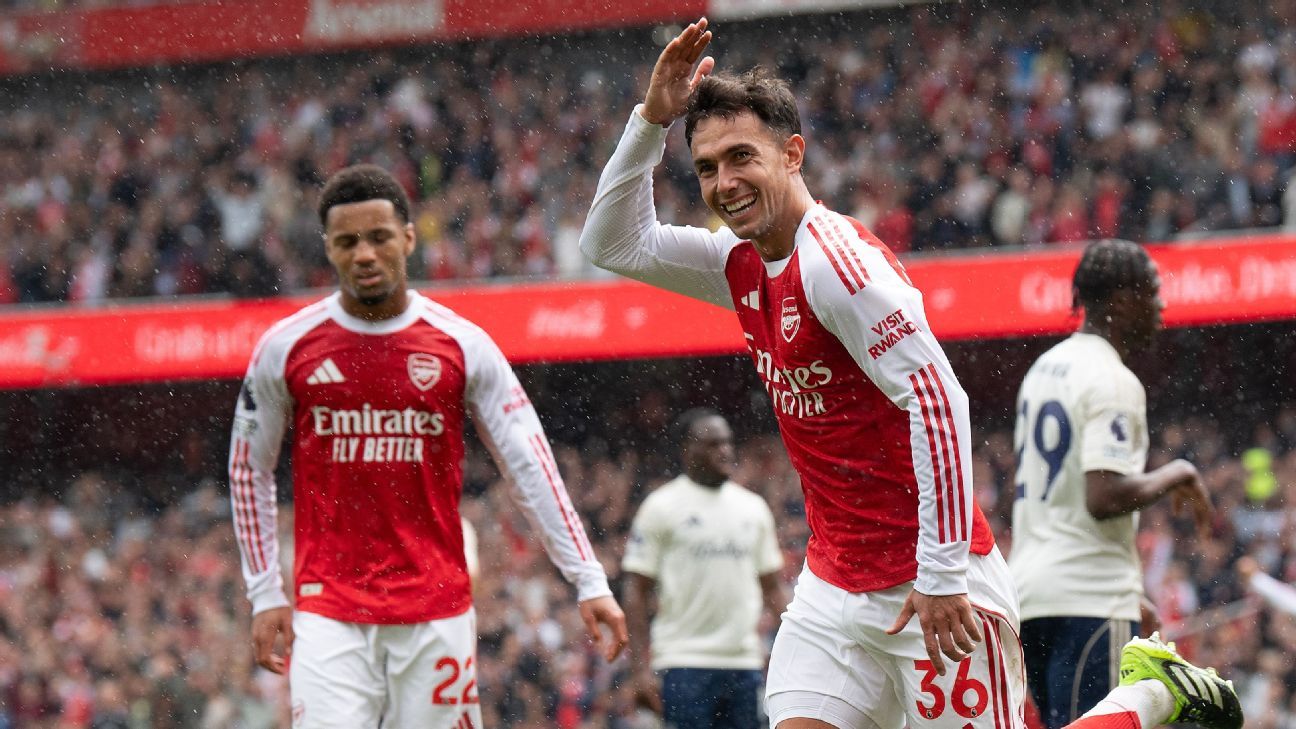
Over the summer, clubs across the world spent $9.76 billion on acquiring about 12,000 new players.
Both numbers were record highs, according to FIFA. Around 1,000 more players changed teams in 2025 than did in 2024, and the near-$10 billion outlay was a more-than-50% increase over the summer spending in the previous year.
Most of the money was spent by UEFA clubs: $8.5 billion, which was a $3 billion increase from just the year before. About 7,350 players joined new teams in UEFA, around 20% of those players required transfer fees to acquire, and the average price of those transfer fees was $4.27 million — a $1.2 million per-deal average increase from 2024.
Unsurprisingly, most of that money was spent by members of the Big Five top leagues in Europe and their associated lower-down-the-ladder clubs. England led the way with $3.19 billion spent on transfers, while Spain, Germany, France, and Italy all spent over $650 million, too. All in all, clubs across these five countries spent $6.5 billion — two-thirds of the entire global transfer spend.
And what did they get? Per Transfermarkt data, there were 203 transfers for at least €10 million across the Big Five leagues over the summer. And through mid-November, those players have combined to play … only 45% of their team’s minutes. It gets a little better when you look at the more expensive deals, but not by much: the players with fees of at least €35 million have played 49% of the minutes.
When you’re investing this much money into simply acquiring a player — and we’re not even accounting for the contracts — two things are true: (1) you expect that player to play more than 45% of the minutes, and (2) you’re thinking much longer term than the first 10 or 12 games of the year.
It’s still too early to write off any move as a failure or start celebrating anything as a massive success — but you also don’t get to extend a player’s contract just because he started slow, and you can’t reclaim lost points just because your new midfield took a couple months to gel. These games have already happened — you’re never getting them back.
So, with nearly a third of the season completed, let’s take a look at the 10 worst-performing transfers — and five of the best — from the first three months.
– Are Chelsea succeeding? 9 stats that explain their season
– Ranking the Champions League field at midway point
– How the USMNT combats jet lag: Fly kits, supplements, sleep masks
What makes a bad transfer?
Almost by definition, the worst deals among these 203 moves for €10 million or more are going to be some of the most expensive ones. And if we look at “value left on the bench” — a player’s transfer fee, multiplied by the percentage of minutes he hasn’t played this far — then it’s going to skew heavily toward the biggest deals.
If a team paid €10 million to sign a player, then €10 million is the max that can be left on the bench. If a team paid €100 million, then, well, yeah, you see where I’m going. By this crude metric, here are the 10 worst deals among the Big Five leagues so far:
1) Alexander Isak, Liverpool: €107.88 million left on the bench
2) Yoane Wissa, Newcastle: €57.7 million
3) Nick Woltemade, Newcastle: €46.95 million
4) Xavi Simons, Tottenham: €43.2 million
5) Jamie Gittens, Chelsea: €41.83 million
6) Noni Madueke, Arsenal: €38.7 million
7) Tyler Dibling, Everton: €37.95 million
8) Omari Hutchinson, Nottingham Forest: €37.8 million
9) Florian Wirtz, Liverpool: €37.5 million
10) Jorrel Hato, Chelsea: €36.71 million
Liverpool broke the Premier League transfer record for a frequently injured player, and they’re already experiencing pretty much all of the downside from that bet: Isak has only played about one-fourth of the Premier League minutes so far.
But even when you play a significant number of minutes, it’s hard not to rate poorly when a team pays nine figures to acquire you. Before Isak, Liverpool broke the Premier League transfer record for Wirtz earlier in the summer, and he has played 70% of the minutes so far, but he still ranks in the bottom 10.
The same applies at a leaguewide level. Premier League teams spent way more than everyone else, so transfers made by Premier League clubs make up the majority of the bottom of the list. In fact, there’s only one non-Premier-League transfer in the bottom 20 by this method: AC Milan acquired midfielder Ardon Jashari from Club Brugge for €36 million, and he’s only played 1.6% of the Serie A minutes because he broke his leg in late August.
However, we’re only grading these moves based on the downsides. Let’s say you sign someone for $80 million and he only plays 50% of the minutes every year … but he also gets you 12 goals and 5 assists every year. Is that a failure? A success? A combination of the two?
Transfermarkt also estimates the market value for every player in the world using crowd-sourcing. If we take that and multiply it by the percentage of minutes each player has played, we can come up with another crude number: a version of the value he’s provided to his team thus far. (It’s not perfect — estimated transfer values aren’t 1-to-1 with player performance — but it at least lets us apply the methodology to each player equally.)
Then, we can rank each deal by both of these numbers — value provided, value left on the bench — and then we can combine the two numbers to get a general sense of the performance of each transfer so far.
The 10 worst transfer deals so far
10. Ben Doak, €23.1 million, Liverpool to Bournemouth
Herein lies the upside and downside of spending significant money on signing a 19-year-old. Doak has only played 5% of the minutes for Bournemouth so far this season, but there’s still so much more time left for him to come good. He won’t hit his prime years for another five seasons.
And yet: he won’t be in his prime for another five seasons. That’s a lot of potential time where a player you invested €23.1 million into still might not be good enough to contribute for your first team.
9. Arnaud Kalimuendo, €30 million, Stade Rennais to Nottingham Forest
With all of Forest’s struggles, I pin pretty much all of it on the ridiculous ownership of Evangelos Marinakis and almost none of it on the players or the three coaches they’ve employed this season. Kalimuendo has started zero matches, and he’s a center forward who has so far attempted three total shots. That’s a rate of €10 million per shot.
8. Fábio Silva, €22.5 million, Wolverhampton to Borussia Dortmund
The year is 2035. Fabio Silva has transferred from Atletico Madrid to Marseille. It’s his 10th team in 10 years. He’s never garnered a fee more than the initial €40 million that Wolves paid to acquire him from Porto as a teenager, and yet the cumulative transfer fees over his career make him the most expensive player in the history of the sport. He is a 32-year-old center forward who has never scored more than eight non-penalty goals in a single season.
7. Omari Hutchinson, €40 million, Ipswich Town to Nottingham Forest
Forest paid a combined €152 million to acquire Kalimuendo, Hutchinson, Dilane Bakwa, James McAtee, Jair Cunha, Igor Jesus, and Dan Ndoye this past summer. On average, they’ve played 26% of the available Premier League minutes.
6. Tyler Dibling, €40.5 million, Southampton to Everton
This is the “Doak Problem,” times two. Everton paid a lot of money to sign a teenager with only one discernible skill: his ability to dribble past defenders. As we’re seeing with Jérémy Doku‘s explosion at Manchester City this season, that can be the right long-term bet. But it took Doku until his age-23 season to really become a winning player. Dibling won’t get there for another four years.
1:47
Will Chelsea’s youth transfer policy finally work?
Gab Marcotti and Julien Laurens react to Chelsea signing Geovany Quenda and Dario Essugo from Sporting in deals worth up to $81 million.
5. Dário Essugo, €22.7 million, Sporting Lisbon to Chelsea
I don’t know what kind of Faustian deal Chelsea’s ownership made with a corporate-connected practitioner of the dark arts, but the record-breaking amounts of money they spent to sign midfielders Moisés Caicedo and Enzo Fernández has mostly worked out. These deals had to hit their 95th-percentile outcomes to be worth it, and Caicedo is a legit superstar, while Fernandez is one of the better passing midfielders in the world. But any time Chelsea have tried to acquire a third midfielder, it has almost immediately fallen apart.
Romeo Lavia — remember him? — has made 12 starts across three seasons, thanks to a succession of injuries. And now Essugo’s Chelsea career has started off similarly: He’s played zero minutes and is out until at least the start of 2026 after undergoing thigh surgery in September.
4. Ardon Jashari, €36 million, Club Brugge to AC Milan
The loss of Jashari hasn’t hurt Milan much because 40-year-old Luka Modric is the latest midfielder to drink from the fountain of youth that is the Serie A tactical environment. He’s completed 99 progressive passes, while no one else in the league has more than 79, but he’s also made 36 tackles and interceptions, which is 12th-most in Italy.
3. Charalampos Kostoulas, €30 million, Olympiacos to Brighton
The 19-year-old Kostoulas has only played 32 Premier League minutes, and he’s attempted two shots. That puts him ahead of Kalimuendo on the millions-per-shot leaderboard. But he’s still way behind Isak’s six shots, at a rate of €24 million per attempt.
2. Giovanni Leoni, €31 million, Parma to Liverpool
This probably isn’t the name you expected to see from Liverpool, but Leoni provided zero Premier League value to Liverpool before tearing his ACL against Southampton in the Carabao Cup in late September. Among the players in our dataset who have played zero minutes this season, Leoni’s move required the second-highest transfer fee.
This methodology that I landed on also assumes that both Wirtz and Isak have performed to their requisite standard whenever they’ve played this season, so they avoided the top 10. But Wirtz is averaging 0.32 non-penalty expected goals and assists per 90 minutes, and while Isak’s rate is better (0.54), that’s without any of the build-up play responsibilities or pressing output that Wirtz has. More simply, they’ve combined for zero goals and one assist in the Premier League so far.
I’ve suffered my own whiplash in how to accurately assess Liverpool’s disappointing season, but the simplest explanation is also probably the best: They broke the British transfer record to sign two different attackers this past summer (when you include add-ons), and their combined goal+assist output is less than that of James Milner, who turns 40 in two months.
1. Yoane Wissa, €57.7 million, Brentford to Newcastle
While there are all kinds of caveats with these rankings, no such conditionals apply here. Purely based on the first three months of the season, this is easily the worst transfer of the summer. Wissa hasn’t played a single minute for Newcastle yet, but it’s worse than that. Everyone else in this top 10 is 23 or younger. In fact, everyone else in the top 25 is 24 or younger. These are all players with plenty of time to improve and come good, to make up for lost time.
Wissa, though, is already 29 years old.
The five best transfers so far
0:34
Arteta: Zubimendi joined Arsenal despite many opportunities
Arsenal manager Mikel Arteta believes new signing Martín Zubimendi joined the club despite “many opportunities.”
5. Martín Zubimendi, €70 million, Real Sociedad to Arsenal
He is the defensive midfielder for the best defensive team of the decade, and he’s immediately slotted into the starting XI and played nearly every minute of every match. On top of that, per Gradient Sports, he’s completed 62 line-breaking passes — 24 more than any of his teammates and more than all but six other players in the league.
For a big-money deal for an already-in-his-prime player to work out, you need the player to contribute immediately, and Zubimendi has played at a league-winning level right from the start.
4. The young, midtable goalkeepers: Djordje Petrovic and Caoimhín Kelleher
The minutes-based methodology either rewards or punishes keepers in an outsize fashion since most teams don’t rotate keepers across the season and no teams will consistently sub out their starting goalkeeper. But 26-year-old Petrovic (€28.9 million from Chelsea) and 25-year-old Kelleher (€14.8 million from Liverpool) have both played every minute of every Premier League match for Bournemouth and Brentford, respectively.
It’s still too early to say too much about their shot-stopping performance but both clubs could have found their starting goalkeepers for at least the next half-decade.
3. Álvaro Carreras, €50 million, Benfica to Real Madrid
Just as we all expected, Madrid have solidified one-half of their fullback pair with one of the better passers at his position in the world. It’s just that it’s Carreras on the left, and not Trent Alexander-Arnold on the right. While TAA has barely played meaningful competitive minutes for Madrid yet, the 22-year-old Carreras has played 99.3% of all of the LaLiga minutes so far. And they’re not empty minutes, either. He’s completed 108 progressive passes, while no one else on the team has more than 72.
0:46
Why Bryan Mbeumo is a ‘great signing’ for Manchester United
Mark Ogden reacts to Manchester United completing the signing of Bryan Mbeumo.
2. Bryan Mbeumo, €75 million, Brentford to Manchester United
Perhaps unsurprisingly, the most successful short-term moves skew much older than the least successful ones. The average age of the 20 worst-rated deals is 21.1, while the average age of the top 20 deals is 24.7.
As I wrote about over the summer, I didn’t think the 26-year-old Mbeumo made sense for United, given how old he’d be when United might next realistically challenge for a league title. But if you wanted to make your team better immediately, there were few surer bets than Mbeumo, who had already been a very good Premier League player for multiple seasons and had done so while occupying just about every possible attacking role over his six years with Brentford.
Despite being an attacker, he’s played about 97% of the minutes for United so far this season, and he’s providing just north of 0.5 non-penalty goals+assists per 90 minutes. There’s nothing to suggest that performance is unsustainable, so if he keeps it up and remains healthy, he’ll end the season with around 17 non-penalty goals and three assists.
1. Lucas Chevalier, €40 million, Lille to PSG
We’ll see if Chevalier ends up being the long-term No. 1 answer in Paris, but he’s one of only six players in our dataset who have played every minute of every game: five goalkeepers, along with Sunderland‘s Granit Xhaka. And he’s the only one doing it for the defending European champions.
Sports
NJ Transit CEO explains World Cup fare hike as NJ Gov again implores FIFA to pay for $150 train tickets
NEWYou can now listen to Fox News articles!
An already-expensive trip to the World Cup just got even more costly, as NJ Transit and the FIFA New York New Jersey Host Committee announced fare hikes to attend eight matches at MetLife Stadium this year.
The East Rutherford, New Jersey, stadium will host those matches, beginning June 13 and ending with the final on July 19, but a roundtrip train ticket to and from New York Penn Station and MetLife Stadium will be $150, up from the usual $12.90. Shuttles are also available for $80.
NJ Transit CEO Kris Kolluri defended the fare hikes on Friday, saying that the ultimate cost to the public transportation company should not be the burden of New Jersey commuters.
CLICK HERE FOR MORE SPORTS COVERAGE ON FOXNEWS.COM
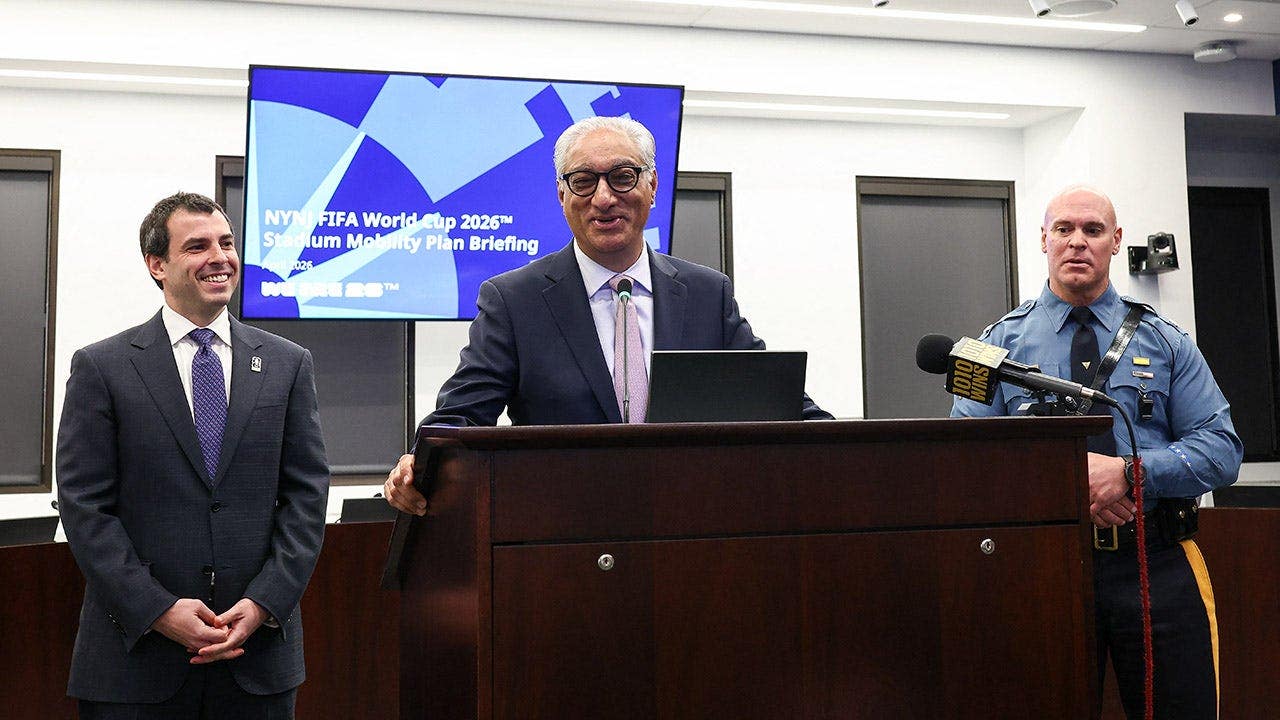
NJ Transit CEO Kris Kolluri and Alex Lasry, CEO of the 2026 FIFA World Cup New York New Jersey Host Committee, speak during a press briefing on the regional mobility plan for the World Cup in Newark, New Jersey, on April 17, 2026. (Charly Triballeau/AFP via Getty Images)
“It is an exciting moment for New Jersey to showcase New Jersey’s diversity as well as its economic standing in the country and in the world. Equally important, she has said that New Jersey commuters cannot and will not subsidize the movement of fans going to the game, because that would not be fair,” Kolluri said, reiterating that the tournament will cost NJ Transit $48 million.
“In order to move 40,000 people and to pay for the cost of $6 million (per game), we have to charge $150.”
The CEO said that if the regular $12.90 fare were put in place, commuters would subsidize the $48 million bill by 92%.
“No one that I have spoken to thinks that’s fair or reasonable. Commuters in New Jersey should not carry the cost years into the future for a wonderful event, no doubt. But the fans going to the games should burden the cost, that’s all we’re trying to say,” Kolluri added.
Days after New Jersey Gov. Mikie Sherrill said that FIFA should pay for commuters’ costs, she did so again shortly after the fare hikes were announced.
“New Jersey is ready and excited to host eight FIFA World Cup matches this summer – including the World Cup Final,” Sherrill began in a social media post Friday.
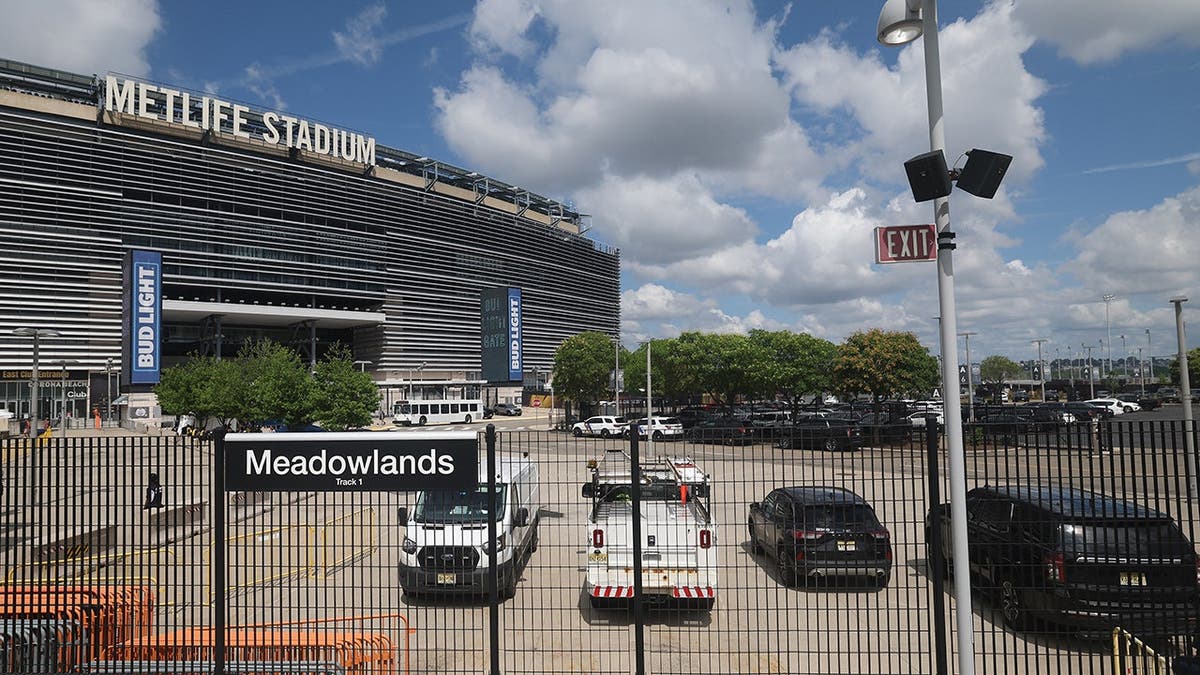
A general view of MetLife Stadium and the Meadowlands Train Station is seen from a NJ Transit train before the FIFA Club World Cup 2025 semi-final match between Paris Saint-Germain and Real Madrid at MetLife Stadium in East Rutherford, New Jersey, on July 9, 2025. (Luke Hales/Getty Images)
“Since I took office, my Administration has been working to prepare for the biggest sporting event our state has ever seen – and today, NJ TRANSIT released their Mobility Plan to move 40,000 fans to and from each match safely and efficiently. In the FIFA World Cup agreement that my Administration inherited, FIFA put zero dollars towards transporting World Cup fans. It also eliminated parking at MetLife Stadium, putting the burden of transporting four times more matchday riders than typical for an event at the stadium on NJ TRANSIT. This agreement will cost NJ TRANSIT at least $48 million, while FIFA is positioned to make $11 billion during the World Cup.
“As I have said repeatedly, FIFA should cover the cost of transporting its fans. If it won’t, we will not be subsidizing World Cup ticket holders on the backs of New Jerseyans who rely on NJ TRANSIT every day.”
The fare hikes, however, did not please FIFA. In a scathing statement to Fox News Digital, World Cup COO Heimo Schirgi said the “current pricing model will have a chilling effect,” including congestion, late arrivals, and “broader ripple effects that ultimately diminish the economic benefit and lasting legacy the entire region stands to gain from hosting the World Cup.”
Schirgi also ripped Sherrill for her “unprecedented” ask to make FIFA pay for the commuting costs.
“No other global event, concert or major sporting promoter has faced such a demand. While FIFA is projected to generate approximately $11 billion in revenue, not profit, as the Governor incorrectly claims, FIFA has always been a not-for-profit organization as per our statutes. Revenues from the FIFA World Cup are reinvested into developing the game of football, particularly for youth and women, worldwide,” Schirgi said.
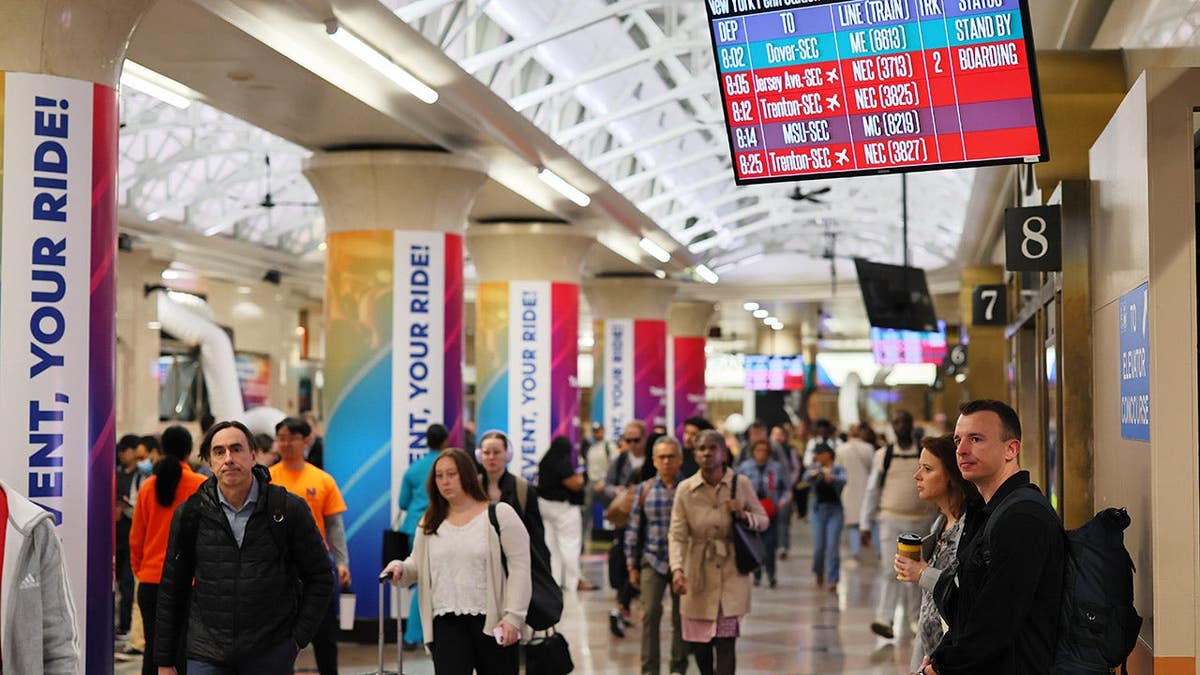
Commuters move through the NJ Transit section of Penn Station in New York City on May 20, 2025, after NJ Transit resumed operations following a tentative deal to end a three-day strike by train engineers. (Michael M. Santiago/Getty Images)
CLICK HERE TO DOWNLOAD THE FOX NEWS APP
Parking has been barred from MetLife Stadium, and rideshare will be extremely limited, both of which will result in increased NJ Transit commutes.
New York Penn Station will also only be open to matchgoers beginning four hours prior to the start of games, and fans were urged to avoid nonessential NJ Transit travel on game days.
Follow Fox News Digital’s sports coverage on X, and subscribe to the Fox News Sports Huddle newsletter.
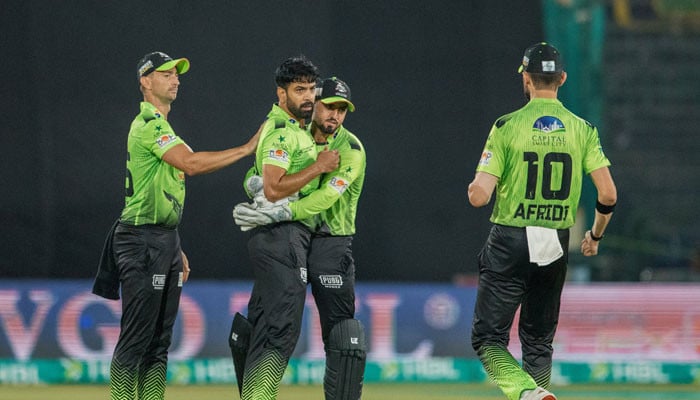
- Lahore Qalandars defeat Rawalpindiz by 32 runs.
- Chasing 211, Rawalpindiz were restricted to 178-9.
- Fakhar Zaman gets Player of the Match award.
Defending champions Lahore Qalandars secured their third victory of Pakistan Super League (PSL) 11 on Saturday, defeating Rawalpindiz by 32 runs at the National Bank Stadium Karachi to eliminate them from the tournament.
Chasing 211, Rawalpindiz were restricted to 178-9 in their 20 overs, courtesy of an excellent bowling performance by the Qalandars’ attack.
Pindiz made a poor start as opener Shahzaib Khan became the first batter dismissed in the third over, falling to skipper Shaheen Afridi.
Afridi struck again in the same over, removing captain Mohammad Rizwan for a run-a-ball nine, which included two boundaries, leaving the side struggling at 17-2 in 2.3 overs.
Daryl Mitchell and Yasir Khan then steadied the innings with a crucial partnership, taking the score past the 50-run mark. The duo added a 50-run stand as Yasir played positively, bringing up his fourth PSL half-century.
However, their 71-run partnership was broken when Haris Rauf dismissed Mitchell for 11 off 15 balls, including one four, leaving Pindiz at 88-3 in 9.2 overs.
Rauf struck again in the same over, removing Yasir after a brilliant 58 off 29 deliveries, which included six fours and three sixes.
Sam Billings and Dian Forrester attempted to rebuild the innings and took the score past 100. However, Sikandar Raza broke the stand by dismissing Billings via stumping for just seven runs.
RawalPindiz continued to lose wickets as Usama Mir joined the attack, removing Dian Forrester for eight off 10 balls, leaving the side at 110-6 in 12.5 overs.
Usama struck again, dismissing Colin McConchie for three off five deliveries. Daniel Sams then removed Razaullah cheaply for five off 10 balls, adding further pressure on the batting side.
Saad Masood fought hard with a spirited knock, pushing the total past 150 and bringing up his maiden PSL half-century.
In the final over, Haris Rauf picked up his third wicket by ending Saad’s impressive innings of 54 off 26 balls, which included nine fours and one six, while Asif Afridi hit a four off the last delivery.
Batting first, Lahore Qalandars finished their innings at 210-4 in their allotted 20 overs, courtesy of outstanding performances by their opening batters Mohammad Farooq and Fakhar Zaman.
The pair began scoring at regular intervals, with Farooq leading from the front as runs flowed quickly through boundaries, putting early pressure on the Pindiz bowling attack as the score crossed the 50-run mark inside the powerplay.
Farooq was in top-notch form with the bat, while Fakhar contributed steadily from the other end, which also helped the young batter raise his bat for his maiden PSL fifty.
The duo troubled the opposition and showed no signs of slowing down as they brought up their 100-run stand, showcasing their brilliance while aiming to post a mammoth total to defend.
However, the 121-run partnership was broken when Mohammad Amir struck on the fifth delivery of the 11th over, dismissing the prized wicket of Farooq, who played an exceptional knock of 63 off 41 deliveries, including five fours and the same number of sixes.
Fakhar remained composed at the crease and kept the scoreboard moving for his side, which not only helped the team’s total surge past the 150-run mark but also saw the left-handed batter raise his bat for his 25th PSL half-century.
Abdullah Shafique came to the crease and started piling on runs, notching up a 50-run stand alongside Fakhar as the duo remained dominant with their batting approach.
However, Razaullah struck to break the 70-run partnership, dismissing Abdullah Shafique, who played a vital knock of 26 off 18 deliveries, including one four and two sixes.
Raza then dealt RawalPindiz another blow as he picked up his second wicket of the match, removing Sikandar Raza for a first-ball duck, leaving the team at 191-3 after 18 overs.
Qalandars lost their fourth wicket in the 19th over as Mohammad Amir struck to end Fakhar Zaman’s brilliant innings. He played an exceptional knock of 84 off 54 deliveries, featuring 11 fours and one six.
Charith Asalanka and Asif Ali came to the crease in the final over to finish the Qalandars’ innings.
Asif struck back-to-back sixes to push the team’s total past the 200-run mark and remained unbeaten on 14 off six deliveries, while Asalanka added one run.
Razaullah and Mohammad Amir led the bowling attack, picking up two wickets each during their spells.
NEWYou can now listen to Fox News articles!
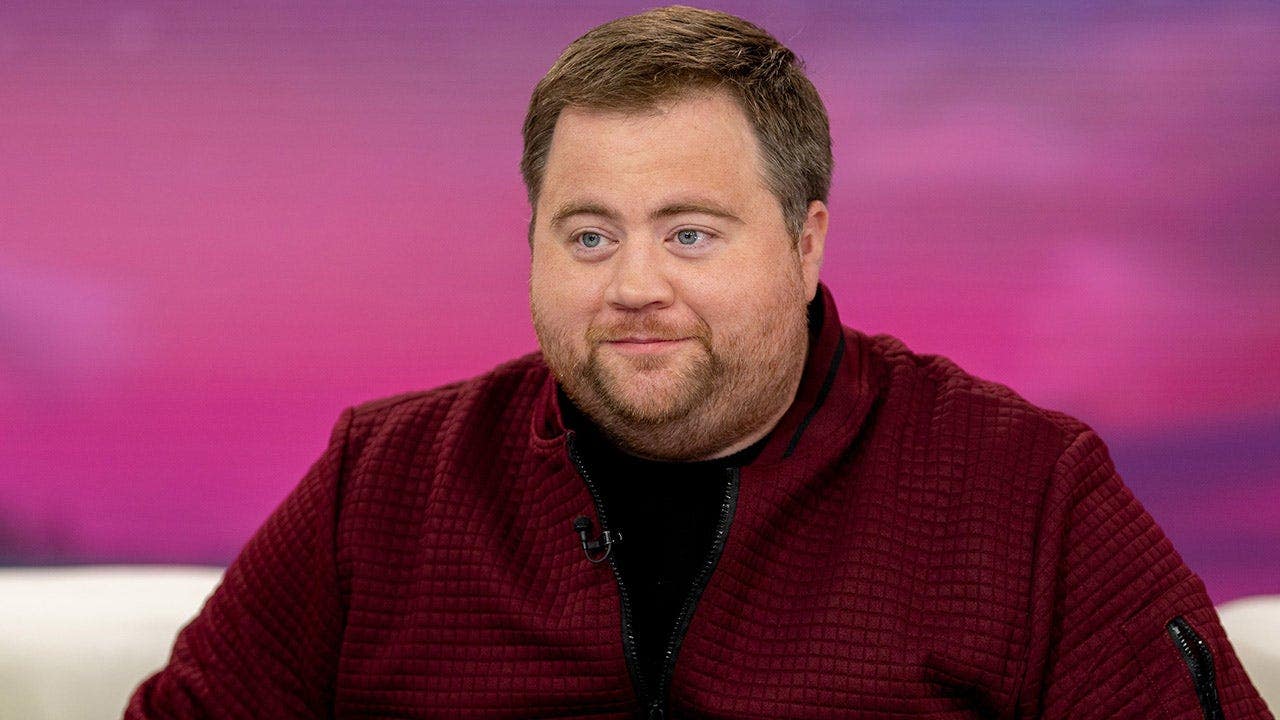
LAS VEGAS – Paul Walter Hauser is an actor who has been in “The Naked Gun,” “Blackbird,” and “Richard Jewell.” But on Friday night at Maple Leaf Pro’s first U.S. event, MLP Multiverse, there was no acting going on.
Hauser squared off against QT Marshall in a sin city street fight at the Palms Casino Resort in Las Vegas. It was the final show of Slam Fest. The two pro wrestlers pulled out all the stops and left the ring in complete disarray.
CLICK HERE FOR MORE SPORTS COVERAGE ON FOXNEWS.COM
Paul Walter Hauser competed against QT Marshall at Maple Leaf Pro Multiverse on April 18, 2026 in Las Vegas. (Fox News Digital)
It was a rematch of their brawl at Ring of Honor’s Death Before Dishonor event. Marshall went on the attack first, throwing in all kinds of foreign objects into the ring, including a piece of wood wrapped with barbed wire, a table, a cane, chairs and even a door was brought into the match.
Hauser was able to regain momentum in the match. He set up the barbed-wire object in the corner. Marshall countered and was trying to whip Hauser into the barbed wire. However, Hauser stopped himself. As Marshall tried to take Hauser by surprise, the movie star avoided Marshall and tossed him into the barbed wire.
Marshall was busted open, but wasn’t done. Hauser was trying to inflict more pain. He set up a table near one corner of the ring and poured thumbtacks on top of it. Marshall was able to powerbomb Hauser through the tacked table.
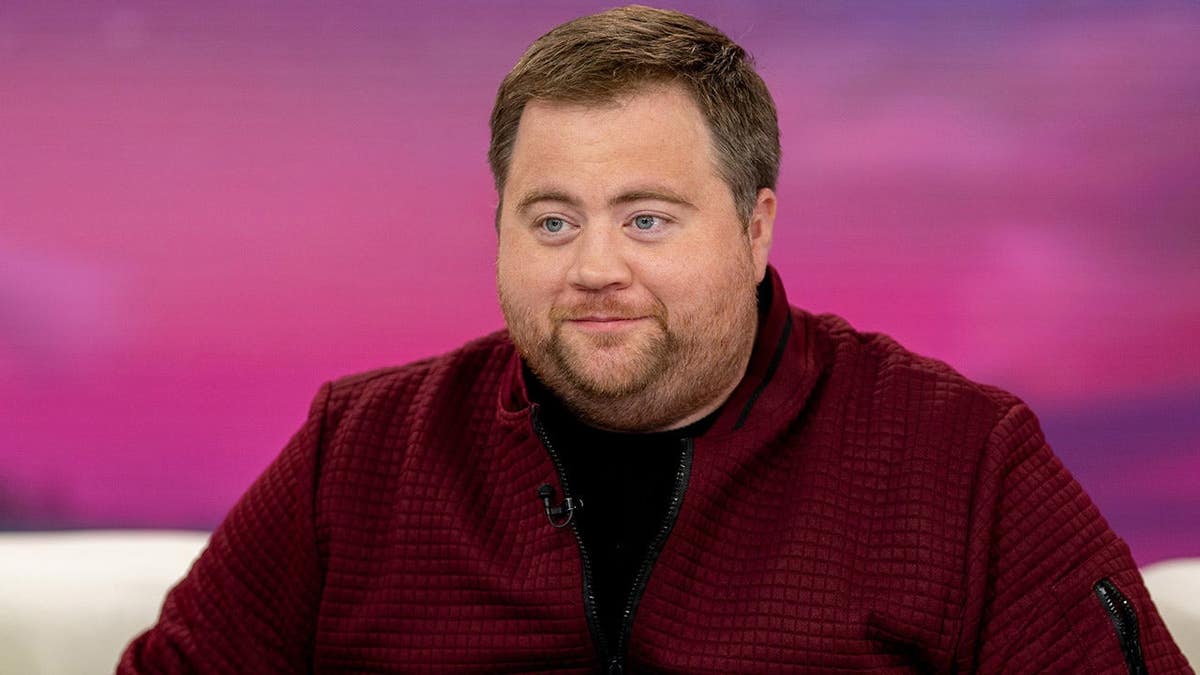
Paul Walter Hauser is pictured on Thursday, Feb. 1, 2024. (Nathan Congleton/NBC)
BLUE PANTHER AND ÚLTIMO GUERRERO STEAL THE SHOW AT CMLL’S FIRST-EVER US EVENT IN LAS VEGAS
Hauser was left with thumbtacks in his back and one in his head. He managed to power through and put Marshall into a sharpshooter. Marshall tapped out. Hauser picked up the victory.
Hauser got his start in pro wrestling in 2023 at Pro Wrestling Revolver. He worked his way through appearances at All Elite Wrestling before he signed with Major League Wrestling in 2024.
He’s currently Progress Wrestling’s Progress proteus champion.
Elsewhere, Consejo Mundial de Lucha Libre (CMLL) world heavyweight champion Hechicero defended his championship against Jonathan Gresham, Maple Leaf Pro Canadian women’s champion Gisele Shaw fended off Shotzi Blackheart, Persephone and surprise entrant Killer Kelly to keep the title.

Mistico, Mascara Dorada and Amazing Red defeated The Rascalz at Maple Leaf Pro Multiverse on April 18, 2026 in Las Vegas. (Fox News Digital)
CLICK HERE TO DOWNLOAD THE FOX NEWS APP
The show started with Subculture, the tag team duo of Mark Andrews and Flash Morgan Webster, defeated Vaughn Vertigo and Guy Cool. The Demand’s Ricochet, Bishop Kaun and Toa Liona defeated Sidney Akeem, Michael Oku and Rich Swaan, Steve Borden defeated Kiran Gray and Mistico, Mascara Dorada, Amazing Red defeated The Rascalz – Desmond Xavier, Zachary Wentz and Myron Reed.


Ariana Grande teases new era after ‘Eternal Sunshine’ with cryptic video

I don’t regret gifting Nobel prize to Trump: Venezuela’s Machado

NaBFID signs pact with PDCOR to expand advisory support for state projects – The Times of India

-

 Politics1 week ago
Indian airlines hit hardest after Dubai limits foreign flights until May 31
-

 Entertainment6 days ago
Palace left in shock as Prince William cancels grand ceremony
-

 Sports5 days ago
The case for Man United’s Fernandes as Premier League’s best
-

 Politics1 week ago
Chinese, Taiwanese will unite, Xi tells Taiwan opposition leader
-
 Business5 days ago
UK could adopt EU single market rules under new legislation
-

 Entertainment1 week ago
Dua Lipa hits major career high ahead of wedding with Callum Turner
-
 Business1 week ago
The FAA wants gamers to apply for air traffic control jobs
-

 Sports1 week ago
Lamar Jackson hits back at critics with faithful message on social media