

Business
RBI-Backed Credit Of Rs 8 Trillion Strengthens MSMEs; FICCI-CMSME Prez

New Delhi: Around Rs 8 trillion in credit has been disbursed to India’s micro, small and medium enterprises (MSMEs) over the past three years, backed by the RBI and government policies, helping them access finance, expand business, and participate more effectively in public procurement, Girish Luthra, President, FICCI-CMSME.
“RBI, together with the Government of India, has been working very closely to make finance easier for MSMEs. One of the major challenges was related to guarantees or collateral requirements. The government addressed this by creating a threshold, initially one crore, and now up to ten crores, where MSMEs can access funds without collateral,” Luthra told ANI exclusively on the sidelines of 11th FICCI-CMSME Summit in New Delhi.
He said that this initiative, combined with digital tools like the Government e-Marketplace (GeM), has already created a substantial impact.
“GeM and its focus on sustainability are making a real difference for MSMEs. With six million plus enterprises forming the backbone of this sector, FICCI-CMSME is the only large confederation focusing exclusively on their growth, and government support is helping us do a great job,” he said.
Highlighting participation in public procurement, Luthra added, “Today, almost 45 percent of public procurement is done through MSMEs, and we truly appreciate the government’s efforts in this regard.”
Addressing concerns about NPAs, he clarified, “It’s a common misunderstanding that MSMEs contribute heavily to NPAs. In reality, NPAs in the MSME sector are only 3.9 percent, which is far lower than that of large organisations. This low risk is why the RBI has supported collateral-free funding for MSMEs.”
On ease of doing business, he said, “Interstate competition is improving outcomes because each state wants to perform better than the other. Implementation happens at the state level, and this competition is proving very effective.”
Discussing domestic challenges, he added, “Labour reforms over the past two years have reduced production losses due to workforce issues significantly. Similarly, state governments are relaxing land laws, and cluster-based industrial approaches now allow MSMEs to set up plug-and-play operations with all titles cleared — this is the most effective model.”
Stressing the importance of outreach he said “The government has excellent MSME policies, but many enterprises are unaware of them.”
FICCI-CMSME is working with the Ministry of MSME and NSIC to organise 100-200 outreach programs across the country.


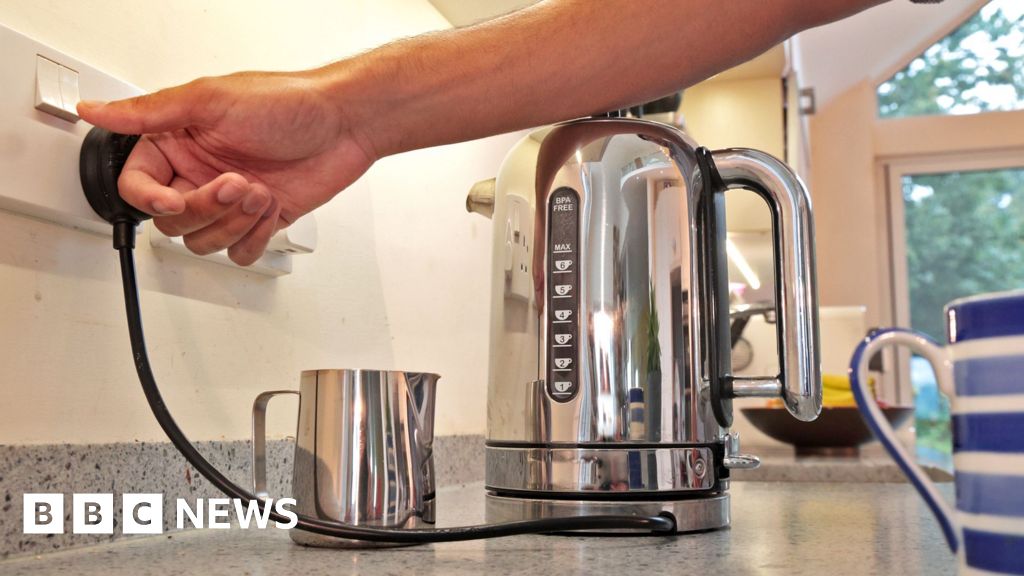
The war in the Middle East has brought renewed attention to Britain’s vulnerability to energy price shocks.
Source link
Business
Gadkari urges shift to 100% ethanol blending, flags energy security and import risks – The Times of India
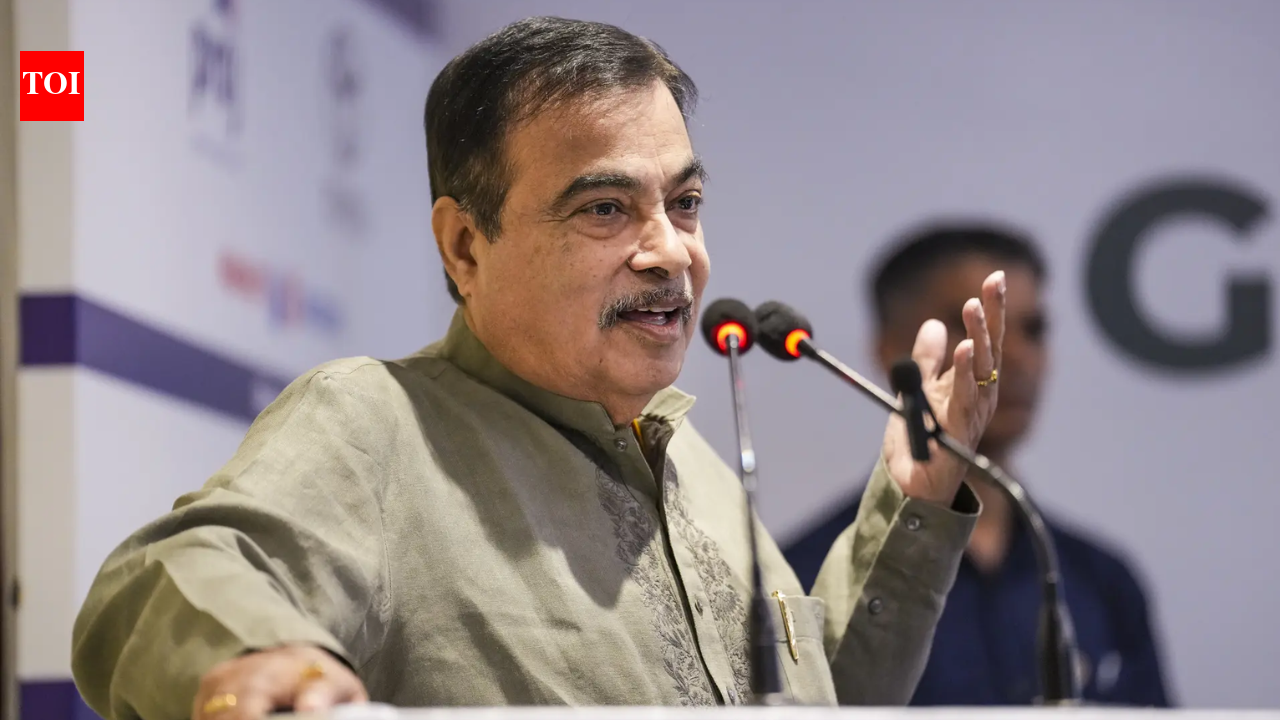
India should aim for 100 per cent ethanol blending in the near future to strengthen energy self-reliance, road transport and highways minister Nitin Gadkari said on Tuesday. He said that vulnerabilities in oil supplies due to the ongoing crisis in West Asia have made it essential for the country to reduce dependence on imports.Speaking at the Indian Federation of Green Energy’s Green Transport Conclave, Gadkari said, “In the near future, India should aspire to achieve 100 per cent ethanol blending… Today, we are facing an energy crisis due to the war in West Asia, so it is necessary for us to become self-reliant in the energy sector,” as quoted by PTI.India currently allows vehicles to run on E20 petrol, which contains 20 per cent ethanol, with minor engine modifications to avoid corrosion and related issues. In 2023, PM Modi launched petrol blended with 20 per cent ethanol. Countries such as Brazil have already achieved 100 per cent ethanol blending.Gadkari noted that India imports 87 per cent of its oil requirements, adding, “We import fossil fuels worth Rs 22 lakh crore, which is also causing pollution… so we need to work on increasing production of alternative fuel and bio-fuel.”On future energy solutions, he stressed the importance of green hydrogen but pointed out challenges in cost and transport. “Transport of hydrogen fuel is a problem. Also, we need to produce 1 kg of hydrogen at $1 dollar, to make India an exporter of energy,” he said, adding that hydrogen production from waste should be explored.The minister also emphasised the role of a circular economy in generating employment opportunities. While calling for reduced reliance on petrol and diesel vehicles, he clarified, “But we can not force people to stop buying petrol and diesel vehicles.”Addressing concerns about E20 fuel, Gadkari said the petroleum sector is lobbying against the move. He also urged automobile manufacturers to prioritise quality over cost to expand into new markets.Last year, Gadkari dismissed criticism against E20 (ethanol-blended petrol), saying a “paid” social media campaign is being run to “target me politically.” He said Society of Indian Automobile Manufacturers and Automotive Research Association of India have shared their findings on ethanol blending in petrol. He added that India’s ethanol programme has benefited farmers, noting that ethanol made from maize has helped them get better prices and led to gains of Rs 45,000 crore.

One petrol retailer says he is experiencing about five drive-offs a week at each forecourt, costing him thousands.
Source link


Soccer’s incredible shrinking shin guards could be a big problem

Matarazzo celebrates Real Sociedad Copa title: ‘Just the beginning’

Germany firms raise investment plans, uncertainty persists: ifo

-

 Fashion5 days ago
France’s LVMH Q1 revenue falls 6%, shows resilience amid Iran war
-

 Sports1 week ago
The case for Man United’s Fernandes as Premier League’s best
-

 Entertainment1 week ago
Palace left in shock as Prince William cancels grand ceremony
-
 Business1 week ago
UK could adopt EU single market rules under new legislation
-

 Entertainment6 days ago
Is Claude down? Here’s why users are seeing errors
-

 Fashion1 week ago
Energy emerges as biggest cost driver in textile margins
-
 Business1 week ago
Delta Air Lines unveils first new Delta One suite in premium cabin arms race
-

 Fashion1 week ago
Asia claims largest share of markets on Kearney FDI Confidence Index