

Business
Reeves: PM and I decided ‘as a team’ not to hike income tax

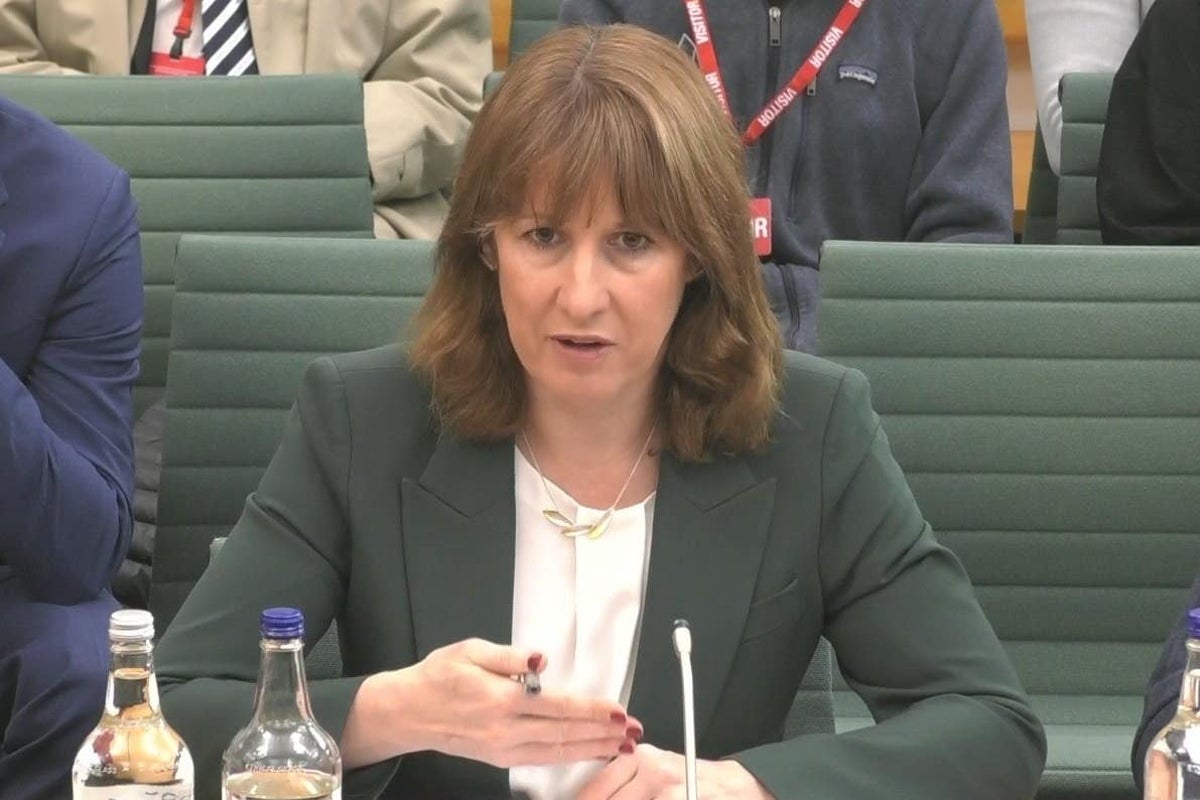
Rachel Reeves said she and Sir Keir Starmer had decided “as a team” not to raise income tax as she hit out at “too many leaks” in the run-up to Budget.
The Chancellor told MPs the “very close partnership” between herself and the Prime Minister meant the move to extend a freeze on tax thresholds instead had been made jointly.
It came as a senior Treasury official confirmed a leak inquiry into reports of economic policy that emerged before Ms Reeves’s statement to the Commons would cover ministers as well as civil servants and advisers.
Appearing before Parliament’s Treasury Select Committee, the Chancellor said a Financial Times story which revealed she had dropped plans for an income tax rise was “incredibly damaging”.
She said: “It was not an off-the-record briefing, it was a leak. I’m absolutely categorical that that was not an authorised briefing.”
She said the report was “frustrating” because it gave the impression she might have dropped her commitment to rebuilding the “headroom” she had against her rule of balancing day-to-day spending with tax receipts.
In the weeks before the Budget, the Chancellor herself fuelled speculation she was preparing to raise income tax in a speech that sought to roll the pitch for the autumn statement by warning of difficult decisions ahead.
She had suggested that sticking to Labour’s pre-election promises, which included a pledge not to hike income tax, would only be possible with “deep cuts” to public investment.
A leak to the Financial Times later revealed the proposal to increase income tax rates for the first time in 50 years had been dropped.
Speaking on Wednesday, Ms Reeves said: “The Budget had too much speculation. There were too many leaks, and much of that, those leaks and speculation, were inaccurate, very damaging, as well as the IT security issues… The OBR’s report also noted that the spring statement had been accessed early as well.
“I want to say on the record how frustrated I am and have been by these incidents and the volume of speculation and leaks, and that is why I am doing something about it, because we cannot allow this to happen again.
“A leak inquiry is under way with my full support, being led by the permanent secretary at the Treasury, and we are also conducting a review of the Treasury security processes to inform future fiscal events.”
Appearing alongside Ms Reeves, Treasury permanent secretary James Bowler confirmed the leak inquiry would cover ministers as well as officials and advisers.
Asked whether the Prime Minister made the decision not to raise income tax, Ms Reeves said she had met Sir Keir “two, three times a week during the Budget process”.
She said: “That is not always the case between chancellors and prime ministers. I recognise that. But there is a very close partnership between myself and the Prime Minister.
“And so we took him through all of the numbers and all of the options and we decided it together as a team, because that is what the Prime Minister and I am.”
Former OBR chairman Richard Hughes resigned after the watchdog’s assessment of the Chancellor’s plans was inadvertently made available online before she delivered her speech last month.
Meanwhile, Ms Reeves faces accusations of misleading the public about the state of the public finances after a letter from the OBR contested her narrative that she needed to raise taxes to fill a so-called “black hole”.
The OBR’s pre-Budget forecasting instead suggested Ms Reeves’s spending plans would run a surplus because of changing economic headwinds.
A Tory-led debate in the Commons on Wednesday afternoon will see the party use a parliamentary process known as a censure motion to call on Ms Reeves to apologise for how the Budget unfolded.
Addressing the Treasury Committee, Ms Reeves said there had been a lot of information shared between the OBR and the Treasury in the weeks leading up to the autumn statement.
“Pre-measures is not the final word from the Office for Budget Responsibility, because then you have post-measures forecasts,” she told MPs.
“They take into account the policy decisions that we take as a Government on tax and spend… so there was plenty of additional information being shared between the OBR and the Treasury between October 30 and major measures one and indeed major measures two.”
Ahead of the Conservative-led debate later, shadow chancellor Sir Mel Stride accused Ms Reeves of putting “party before country”.
He said: “Rachel Reeves has repeatedly misled the British public. She promised she wouldn’t raise taxes on working people – and then she did. She insisted there was a black hole in the public finances – and there wasn’t.”

The FDA blocked the publication of several studies supporting the safety of vaccines against Covid and shingles in recent months, a Health and Human Services Department spokesperson confirmed on Tuesday.
It’s the latest effort by the Trump administration to challenge safe and effective shots in the U.S. and make them harder to access for some patients. Under Health and Human Services Secretary Robert F. Kennedy Jr., a prominent vaccine skeptic, federal health agencies have softened Covid shot recommendations, cut back research on vaccine development and attempted to overhaul the childhood immunization schedule, among other efforts.
FDA scientists worked with data firms to analyze millions of patient records for the studies, which found side effects of the shots to be rare, the New York Times first reported on Tuesday.
In October, the scientists were directed to withdraw two Covid shot studies that had been accepted for publication in medical journals, the Times reported. In February, top FDA officials did not sign off on submitting study abstracts on Shingrix, a shingles vaccine, to a drug safety conference, the paper added.
The HHS spokesperson told CNBC the recent studies were “withdrawn because the authors drew broad conclusions that were not supported by the underlying data.”
“The FDA acted to protect the integrity of its scientific process and ensure that any work associated with the agency meets its high standards,” they added.
When asked about the shingles vaccine research, the HHS spokesperson said the design of that study “fell outside the agency’s purview.”
Business
Spirit starts monthslong process of dismantling airline after biggest collapse in a generation

Spirit Airlines‘ more than three-decade run ended over the weekend, but on Tuesday it was just starting the monthslong process of dismantling the company after the biggest U.S. airline collapse in a generation.
Spirit and its stakeholders were in bankruptcy court in White Plains, New York, to start that process, which will take months. The hearing included discussions about airport landing fees, aircraft and staffing.
The carrier filed a cumulative wind-down budget of around $217 million, though that number could change.
The budget went out to February 2028. It included more than $52 million in employee costs through July and another more than $52 million for aircraft-related expenses.
The airline had 59 Airbus A320s in service and 63 in storage, as well as 37 of the larger A321s in service, and 13 of them in storage, according to aviation data firm Cirium. More than three-quarters of its fleet was leased.
Spirit shut down operations after years of struggles, most recently from heavy debt loads and a surge in costs.
Spirit’s lawyer, Marshall Huebner of Davis Polk, told a bankruptcy court on Tuesday that the jump in jet fuel prices following the U.S.-Israel attacks on Iran in February left the carrier with no choice but to shut down. That added $100 million in incremental costs for Spirit in March and April, he said.
U.S. bankruptcy court in White Plains, N.Y.
Leslie Josephs/CNBC
Talks for a potential government bailout in the form of a $500 million loan that could have given the government an up to 90% stake in Spirit fell apart late last week, and the carrier officially shut down at 3 a.m. ET on Saturday.
Spirit passengers scrambled to rebook reservations. American Airlines, JetBlue Airways, Southwest Airlines, United Airlines and others said they have flown tens of thousands of Spirit customers who were stranded by the collapse.
Spirit had flown about 50,000 people in the day leading up to its closure. The airline said about 17,000 direct and indirect employees lost their jobs.
“The closing of Spirit Airlines is a sad and unfortunate event that adversely affects many parties, and that’s particularly true for the thousands of folks who are Spirit employees and families who depend on them,” the presiding judge, Sean Lane, said at Tuesday’s hearing.
“The stress level for these employees and affinities is very high, and they likely have many questions,” he continued. “Hopefully there’ll be some information discussed today to provide some answers to some of those questions, or provides information about where to get those answers. Bankruptcy can be a very difficult process, and today is a sad example of that.”
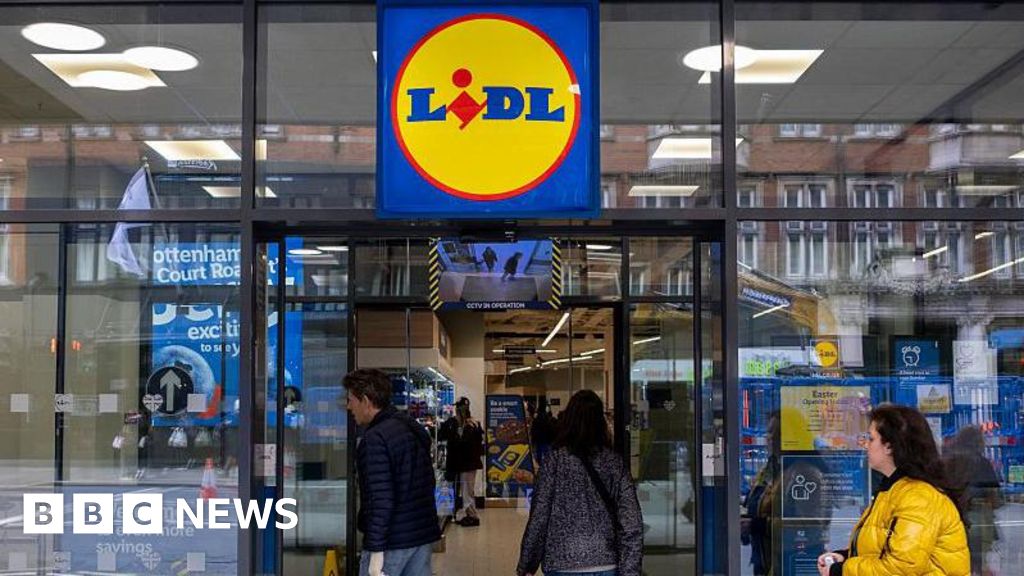
Under the changed system customers collect points rather than reward coupons, with £1 spent equalling one point.
Source link


Telehealth Abortion Is Still Possible Without Mifepristone
FDA withdrew studies finding Covid, shingles vaccines were safe

Longtime entertainment publicist was 82

-

 Tech1 week ago
A Brain Implant for Depression Is About to Be Tested in Humans
-

 Sports1 week ago
Pro wrestling star Steph De Lander reveals how colleague’s advice helped lead her to title triumph at ACW
-

 Tech1 week ago
Almost 90% of women leave tech industry within 10 years | Computer Weekly
-
 Business1 week ago
‘I had £20,000 stolen and had to fight a 13-month fraud reporting rule to get it back’
-

 Entertainment1 week ago
Norway joins Type 26 Frigate Programme to boost NATO naval power
-

 Entertainment1 week ago
Melania Trump says ABC should ‘take a stand’ on late-night host Kimmel
-
 Business6 days ago
PSX plunges over 4,800 points | The Express Tribune
-

 Tech1 week ago
This Ambitious Laptop Doesn’t Leave Much Room for Your Hands