

Tech
Ruckus gears up for networking partnership with TGR Haas F1 Team | Computer Weekly


Promising to bring high‑performance, low‑latency networking to one of the world’s most demanding, data‑driven sports environments, Ruckus Networks has entered an agreement to be the Official Networking Partner of the TGR Haas F1 Team.
A stalwart of the FIA Formula 1 World Championship over the past decade, following a points-scoring debut for the US-owned squad at the 2016 Australian Grand Prix, the TGR Haas F1 Team boasts over 200 Grand Prix starts.
Founded by industrialist Gene Haas – owner of Haas Automation, claimed to be the largest CNC machine tool builder in North America, with over 80 worldwide outlets – TGR Haas F1 Team is headquartered in Kannapolis, North Carolina, with additional operations in Banbury, England and Maranello, Italy.
Haas is a mainstay of the US motorsport scene, having started his own Nascar team in 2002, and a partnership six years later with champion driver Tony Stewart led to the renamed Stewart-Haas Racing winning two Nascar Cup titles and two Nascar Xfinity championships. Haas’s personal dedication to Nascar continues with his current ownership of Haas Factory Team – running in both the Cup and Xfinity series.
The TGR Haas F1 Team prides itself on being an ambitious Formula 1 challenger, backed by technical partnerships with Scuderia Ferrari and Toyota Gazoo Racing. This, says the team, further underlines its ongoing commitment to excellence and advancement in the sport. The team recently attracted masses of publicity in Netflix series Formula 1: Drive to survive, mainly due to charismatic and mercurial former team principal Guenther Steiner.
Ruckus delivers purpose-driven networks that the company assures offer optimal business outcomes in the most challenging environments of the industries it serves. Other sporting and esports teams and event hosts around the world have partnered with Ruckus to deliver what are described as “high-performing purpose-driven networks critical for success in sport”.
As the Official Networking Partner for TGR Haas F1 Team, Ruckus Networks says it will deliver purpose-driven network services that will help enable trackside, hospitality and factory solutions for the TGR Haas F1 Team. Moreover, it promises to offer “cutting-edge” connectivity across its Kannapolis, Banbury and Maranello HQs.
Ruckus says it will also provide critical race day network operations to meet the demands of the pinnacle of motorsport so the racing team can deploy an advanced engineering service.
It adds that Ruckus AI services will enable the TGR Haas F1 Team networks to exceed performance both on and off the track, connecting the team trackside to the factory, securely, with low latency. It will also deliver a high-speed Wi-Fi experience for guests of the TGR Haas F1 Team hospitality suite within the paddock at Formula 1 Grand Prix.
“Strong, reliable connectivity is fundamental to our global operations, and I’m pleased to be working with Ruckus Networks during an important year for the sport,” said Ayao Komatsu, team principal of the TGR Haas F1 Team. “Formula 1 is about speed, efficiency and reliability, and partnering with Ruckus Networks allows us to showcase how our networking solutions perform in one of the most data-intensive environments in the world.”
Bart Giordano, senior vice-president and president at Ruckus Networks, added: “We are expanding our initial partnership to be the official networking partner of the TGR Haas F1 Team, and we couldn’t be more thrilled.
“Speed and excellence are synonymous for the team, and we know our purpose-driven networks can meet and exceed the demand for performance in an ultra-competitive environment. Ruckus … AI-driven solutions [offer] a competitive edge that will enhance this partnership. We are excited to have our technology continue to enable their networks, and we cannot wait to support the team in another winning season.”
As part of the partnership, Ruckus Networks branding will adorn the VF-26 car, the driver suits of Esteban Ocon and Oliver Bearman, team kit and the TGR Haas F1 Team garage, alongside digital assets.
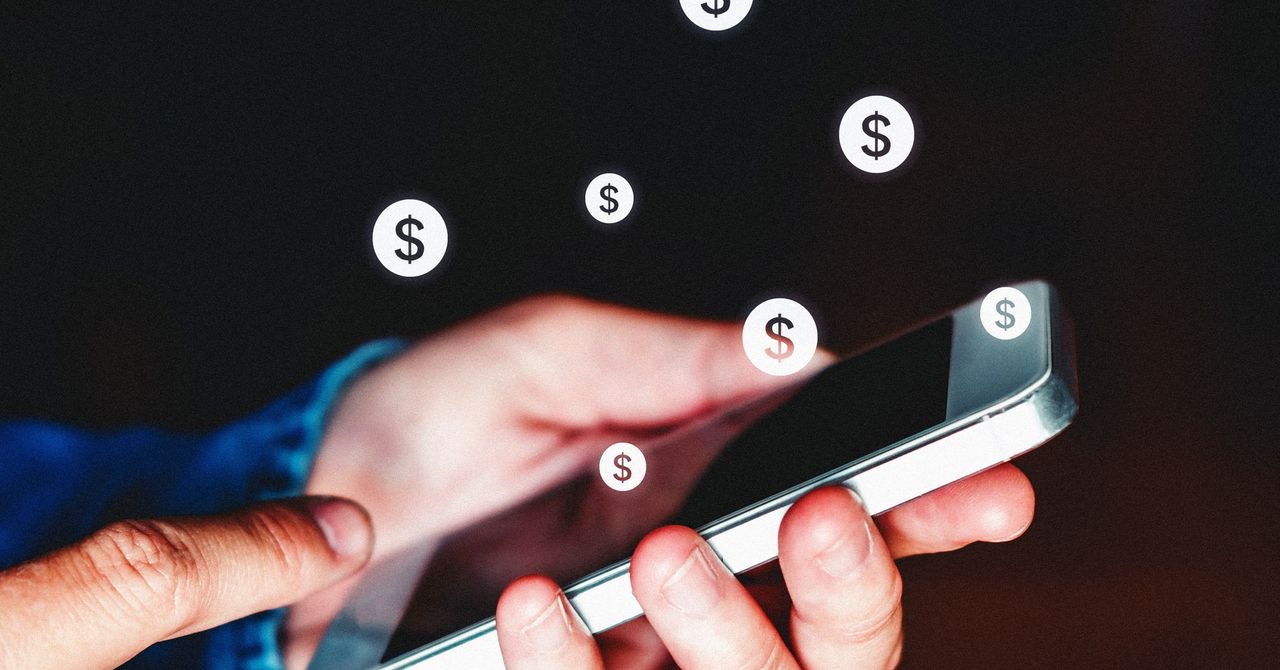
I first encountered the Freecash app after clicking on a sponsored TikTok video with dubious claims. The advertisement didn’t promote this app by name, rather it showed a young woman expressing her excitement about seemingly getting hired by TikTok at $35 an hour to watch videos on her “For You” page.
When I tapped the link to “order now,” it sent me to a website with TikTok and Freecash logos, featuring a download link for the Freecash app. “Get paid to scroll,” read the site. “Join thousands earning daily by watching TikTok videos and cashing out instantly.”
In the first month of 2026, Freecash has rocketed to popularity among US users. This week it reached the number two position on Apple’s free iOS download charts, nestled between ChatGPT and Gemini. The bump in downloads coincides with a spree of ads promoting the Freecash app.
The app appears to utilize the familiar strategy of offering rewards to users who share their information or complete online tasks. As a child, I remember entering my dad’s email and address into some pop-ups for a free iTunes giftcard, which never shipped us the promised $20 in downloads and likely just clogged his inbox with spam. (Please forgive me.)
While Freecash does actually pay out money to users, it’s not for scrolling social media. The app’s business model is centered around getting new users to play mobile games and then providing the players with monetary rewards. Those promises of direct payments to scroll aimlessly on TikTok sound too good to be true, because they are.
Ben Rathe, a spokesperson for TikTok, says the Freecash ads violate TikTok’s rules barring financial misrepresentation. Rathe says the ads in question were removed, after WIRED reached out, for what the company deemed as deceptive marketing. The social media platform forbids ads designed “to scam individuals out of money or personal data,” according to TikTok’s advertising policies.
The company behind Freecash claims that it did not directly produce the ads that I encountered on TikTok. Rather, the marketing was “generated by third-party affiliate partners,” says Elizaveta Shulyndina, a spokesperson for Freecash’s parent company. “We’re reviewing activity with relevant partners and tightening monitoring.”
Back on my TikTok feed, after I tapped on that first sponsored post, the barrage of boosted videos promoting Freecash grew incessant. A post with over 150,000 likes showed a mom and her young son traveling to the store together, because she could buy her “son whatever he wants now that I’m paid to watch TikTok.” Other sponsored videos showed more people enthusiastic about the amount of cash they are getting paid to scroll TikTok.
It’s not clear if the women and children appearing in the TikTok ads are actually the people promoting Freecash. Many of the ads originated from TikTok accounts with minuscule followings or accounts with zero other publicly viewable videos.
When I finally downloaded the app, rather than immediately finding ways to receive some kind of kickback for scrolling on TikTok, I was directed to download multiple mobile games, like Monopoly Go and Disney Solitaire.
Then, I was finally given the option to complete challenges in a limited amount of time to earn money. The Monopoly Go challenges included cash rewards ranging from $0.01, for playing the game for two minutes each day, to $123, for reaching level 300 in less than three months.
The company behind Freecash, called Almedia, is based in Berlin. Almedia operates the Freecash app as an advertising platform that matches mobile game developers with new users who not only install the apps but will also spend money.
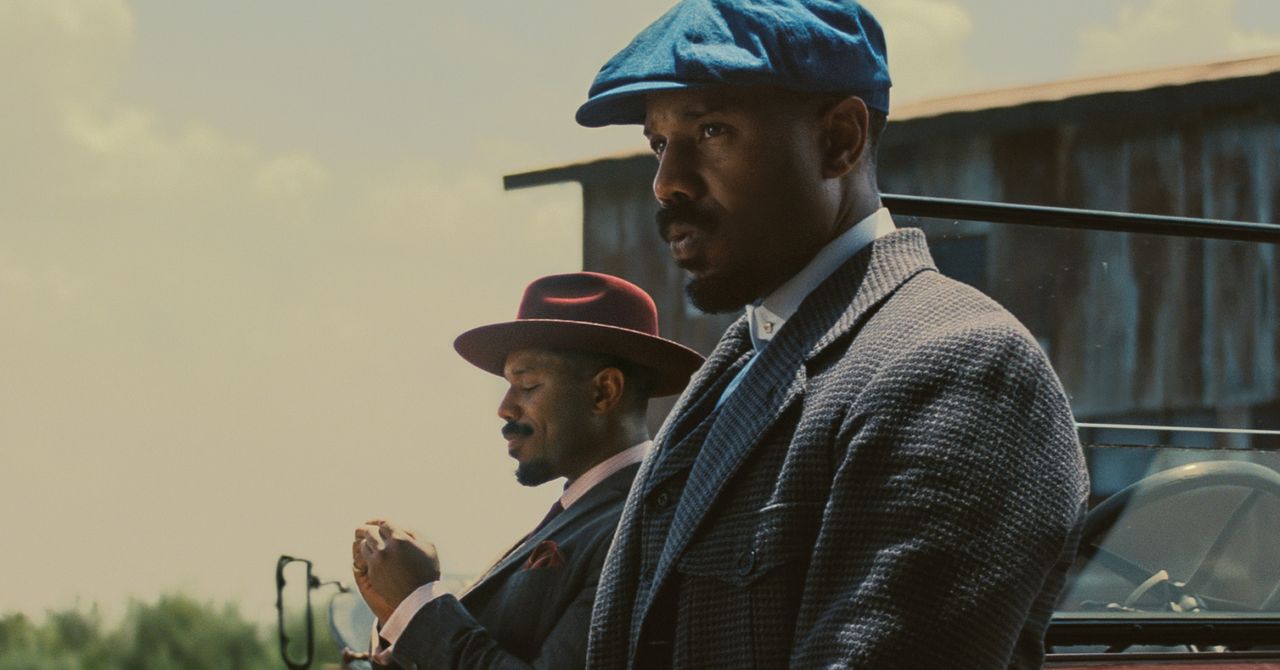
As this year’s Oscar nominations rolled out this morning, I told my boyfriend that Sinners, with 16 noms in total, had made history. “Woke is back,” he replied.
He was joking (don’t come for him!), but his quip highlights a pretty stark dichotomy. Last year, as everyone from President Donald Trump down harped on about the perils of DEI, the biggest cultural breakthroughs—Sinners, KPop Demon Hunters, Heated Rivalry, One Battle After Another—all showcased diversity in fresh ways. And it succeeded. These works weren’t just popular among leftists or critics, they were bona fide cultural phenomena.
Sinners, a horror movie set in the Jim Crow South, used vampires as a metaphorical device to explore systemic racism and cultural theft—and director Ryan Coogler scored a feat in his deal with Warner Bros. that gives him the rights to the film in 25 years. KPop Demon Hunters, a story by a female Korean-Canadian director who’d been waiting over a decade for her chance to direct a feature, placed a huge emphasis on authenticity and brought the already-massive subculture around K-pop even more into the mainstream. Heated Rivalry, a small Canadian television production picked up by HBO, had an extremely subversive take on hockey by chronicling the horny-yet-poignant love story between two closeted pro players. And One Battle After Another—decried by conservative commentators who felt it lionized left-wing violence—offered complicated views on motherhood and activism while skewering ICE-like agent Colonel Steven J. Lockjaw and his desperate attempts to fit in with other racists.
In a year when the White House issued multiple executive orders doing away with DEI programs in the federal government, the successes of those projects felt like a form of resistance. Corporate media followed Trump’s suit, with Warner Bros. Discovery, Amazon, Paramount Global, and Disney all reportedly scaling back on their diversity efforts. Skydance, founded by David Ellison, son of billionaire Trump supporter Larry Ellison, acquired Paramount, which briefly removed Jimmy Kimmel from the air due to his joke about Charlie Kirk supporters and gave CBS News a seemingly conservative makeover. Meanwhile, shows that offered red meat in the form of farmers, grumpy MAGA adherents, cowboys, and Christian values were greenlit and promoted.
“There is a feeling from … this administration that the only stories that matter are stories of straight white men, and that is just simply not the case,” says Jenni Werner, executive artistic director of the New Harmony Project, which develops theater, film, and TV projects and says it is committed to anti-oppressive and anti-racist values.
“Audiences want to feel transformed. You want to be able to sit down and watch something, whether it’s in your home or in a theater, that takes you into a new place and maybe gives you a new understanding of something.” She adds that she has faith that artists will keep making “boundary-pushing work,” even if it keeps getting harder.
Even before Trump’s second term, trying to get out-of-the-box stories made in Hollywood has been a slog. According to UCLA’s Hollywood Diversity Report, released in December, nearly 80 percent of directors of theatrical movies in 2024 were white, along with about 75 percent of leading actors.
The report also suggests this discrepancy is leaving money on the table, noting that BIPOC moviegoers “were overrepresented as ticket buyers for films that had casts of more than 20 percent BIPOC.” Sinners grossed $368 million at the box office, a feat that puts it in the “horror hall of fame,” per The New York Times.
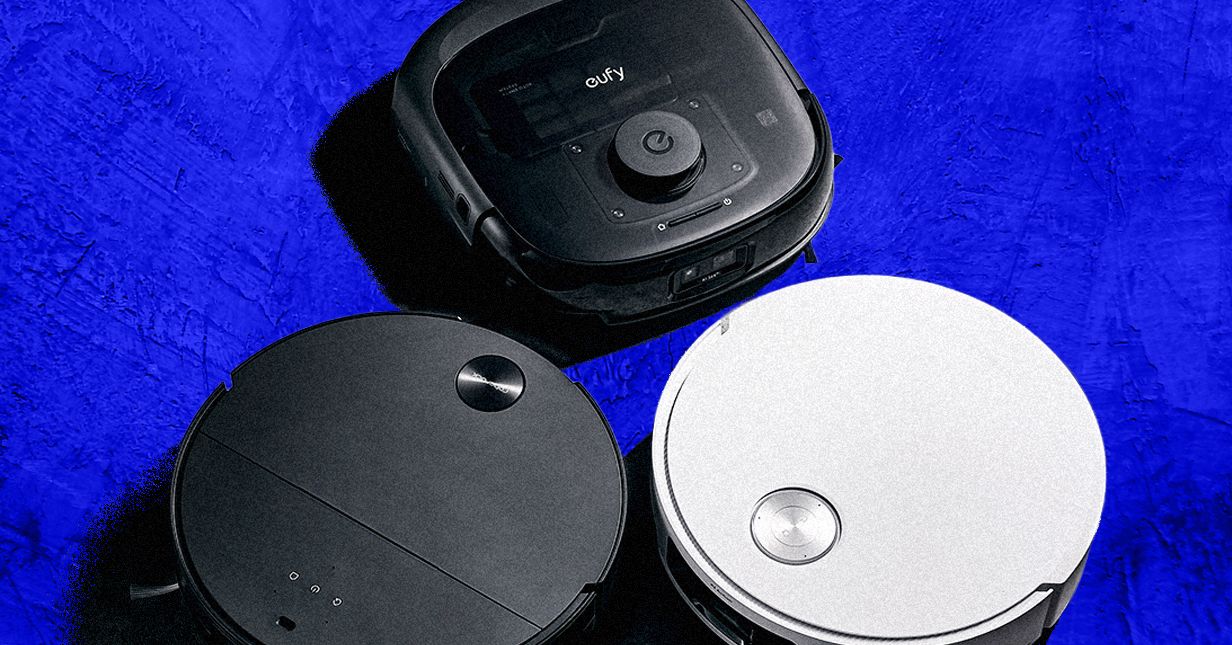
On Tuesday, two Massachusetts lawmakers introduced two bills to the state’s House and Senate that, if passed, would create a state law requiring companies to tell customers when service on their connected products will end. It is an effort meant to tamp down on cybersecurity risks and also boost consumer protections. With knowledge about future support, consumers can confidently buy a device knowing how long they can expect it to reliably work, and when to plan for its eventual obsolescence.
The pieces of proposed legislation, collectively named An Act Relative to Consumer Connected Devices, were introduced by Massachusetts state senator William Brownsberger and state representative David Rogers in their respective chambers.
“Our daily lives have become intertwined with smart devices,” Rogers says in a statement emailed to WIRED. “Once a company decides it will no longer provide software updates for those devices, they become ticking time bombs for hackers to exploit. We must ensure consumers are given the tools to understand their devices and the risks, before they purchase them.”
State senator Brownsberger’s office has acknowledged our request for comment but he has not yet responded.
The bills arrive nearly a year after a joint report by the advocacy groups Consumer Reports, US PIRG, and the nonprofit Secure Resilient Future Foundation that encouraged lawmakers to support policy that would inform customers when their connected products were going to stop working. That includes a broad array of smart home devices, like Wi-Fi routers, security cameras, connected thermostats, and smart lights. While it is a proposed state law for now, supporters hope it will inspire more legislation like it in the near future.
“Almost everybody has a story about some device that they love that suddenly stopped working the way they thought it would or has just straight up died,” says Stacey Higginbotham, a policy fellow at Consumer Reports. “Your product is now connected to a manufacturer by this software tether that dictates how it’s going to perform.”
The laws in the Massachusetts acts, if eventually passed, would require manufacturers to clearly disclose on product packaging and online how long they will provide software and security updates for a device. Manufacturers would also need to notify customers when their device is approaching the end of its service life and inform them about features that will be lost and potential security vulnerabilities that may arise when regular support ends. Once a device stops getting regular updates, it’s more prone to cyberattacks and becoming a vector for malware.
“This is an issue that is becoming more and more pronounced as the internet of things ages,” says Paul Roberts, president of the SRFF and a resident of Massachusetts who worked with the lawmakers. “This is inevitable. We can’t just leave them out there connected and unpatched.”
Wi-Fi has been commonplace in the home and the office for over two decades, meaning there is a rapidly growing population of old devices still connected to the internet that likely haven’t received security updates in years. These zombie gadgets—routers, sensors, connected appliances, home security cameras—have been left vulnerable to attack by their unsuspecting owners.
“We’re trying to reduce the attack surface,” Higginbotham says. “We cannot prevent it, but we do want to give consumers the awareness that they could be hosting something. Basically, they have an open door that can no longer be locked.”
The bills’ focus on cybersecurity also has the benefit of catching the eye of people who might worry about that kind of thing—like US legislators.
“I’m hoping legislators are able to pretty easily wrap their arms around this and understand the problem here,” Roberts says. “And get behind the solution.”


Greenland: What natural resources does the island have?

Liverpool’s Andy Robertson in talks over Tottenham transfer – sources

From factories to gateways: Poland’s changing apparel role

-

 Politics6 days ago
Saudi King Salman leaves hospital after medical tests
-

 Sports1 week ago
Pak-Australia T20 series tickets sale to begin tomorrow – SUCH TV
-
 Business1 week ago
Trump’s proposed ban on buying single-family homes introduces uncertainty for family offices
-

 Fashion6 days ago
Bangladesh, Nepal agree to fast-track proposed PTA
-

 Tech1 week ago
Meta’s Layoffs Leave Supernatural Fitness Users in Mourning
-

 Tech1 week ago
Two Thinking Machines Lab Cofounders Are Leaving to Rejoin OpenAI
-
 Tech6 days ago
Petlibro Offers: Cat Automatic Feeders, Water Fountains and Smart Pet Care Deals
-
 Fashion6 days ago
Whoop and Samuel Ross MBE unveil multiyear design partnership