

Tech
Scientists Have Identified the Origin of an Extraordinarily Powerful Outer Space Radio Wave

The Earth is constantly receiving space signals that contain vital information about extremely energetic phenomena. Among the most peculiar are brief pulses of extremely high-energy radio waves, known as fast radio bursts (FRB). Astronomers compare them to a powerful lighthouse that shines for milliseconds in the middle of a rough, distant sea. Detecting one of these signals is an achievement in itself, but identifying its origin and understanding the nature of its source remains one of the great challenges of science.
That is why recent research led by Northwestern University in the United States has captured the attention of the astronomical community. The team not only detected one of the brightest FRBs ever recorded, but also traced its origin with unprecedented precision.
The pulse, identified as RBFLOAT, arrived in March 2025, lasted just a few milliseconds, and released as much energy as the sun produces in four days. Thanks to a new method of analysis, the researchers located its origin in an arm of a spiral galaxy located 130 million light-years away, in the direction of the constellation Ursa Major. The research was published in the journal The Astrophysical Journal Letters.
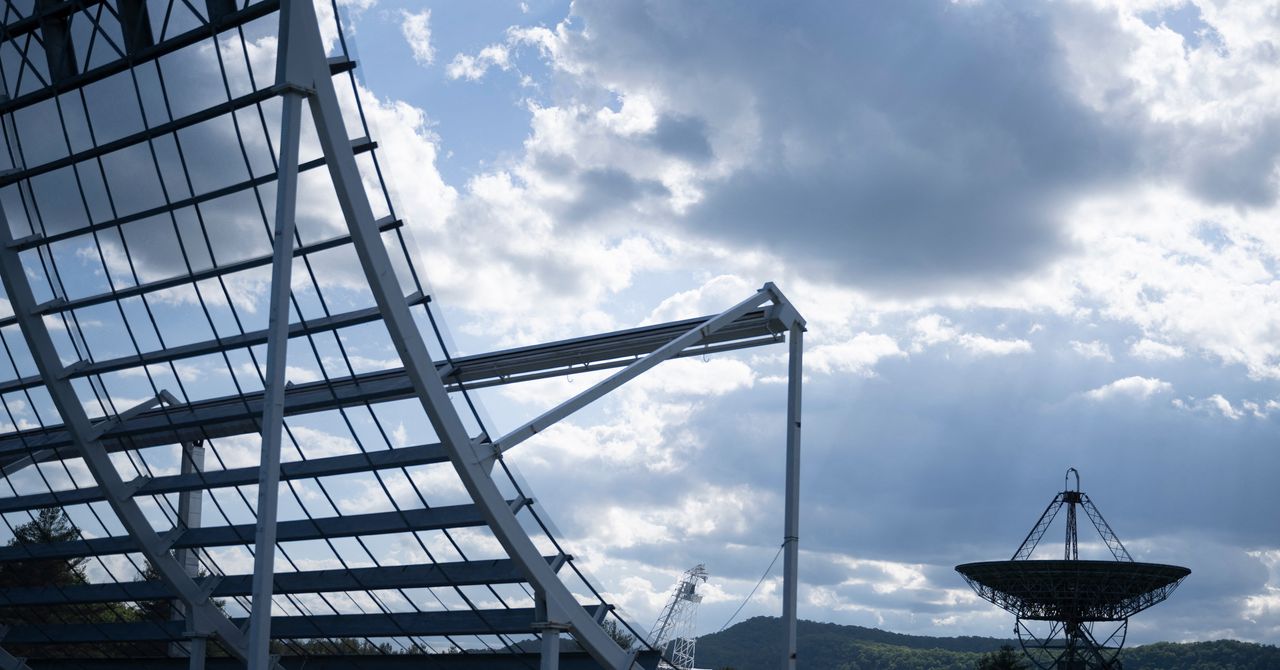
The CHIME radio telescope in Canada, one of the world’s leading FRB observatories, and a subnetwork of smaller stations called Outriggers detected the anomalous outburst. CHIME characterized the signal, while the Outriggers triangulated it to a narrow region of space. Optical and X-ray telescopes then provided complementary data. The team achieved a precision of 13 parsecs, equivalent to 42 light-years, within the galaxy NGC 4141.
Astronomers had previously pinpointed other FRBs, but in those cases the signals were repeated, which made the analysis easier. “RBFLOAT was the first non-repeating source localized to such precision,” said Sunil Simha, coauthor of the study, in a university statement. “These are much harder to locate. Thus, even detecting RBFLOAT is proof of concept that CHIME is indeed capable of detecting such events and building a statistically interesting sample of FRBs.”
What Caused the RBFLOAT?
Scientists are still not sure what causes RBFs, but they have some ideas. Because of the enormous energy they release and the brevity of the phenomenon, it is likely that they originate from extreme cosmic events, such as neutron star mergers, magnetars, or pulsars.
In the case of RBFLOAT, the data indicate that it is located in a star-forming region with really massive stars. The triangulation places the signal in a galactic arm where new stars are also being born. This suggests that it could be a magnetar, a subclass of neutron star with a magnetic field billions of times stronger than that of the Earth.
The experience with RBFLOAT will allow the team to apply the same triangulation technique to future signals. The authors estimate that they could achieve about 200 accurate RBF detections per year with just the signals CHIME captures.
“For years, we’ve known FRBs occur all over the sky, but pinning them down has been painstakingly slow. Now, we can routinely tie them to specific galaxies, even down to neighborhoods within those galaxies,” said Yuxin Dong, another member of the team.
This story originally appeared on WIRED en Español and has been translated from Spanish.











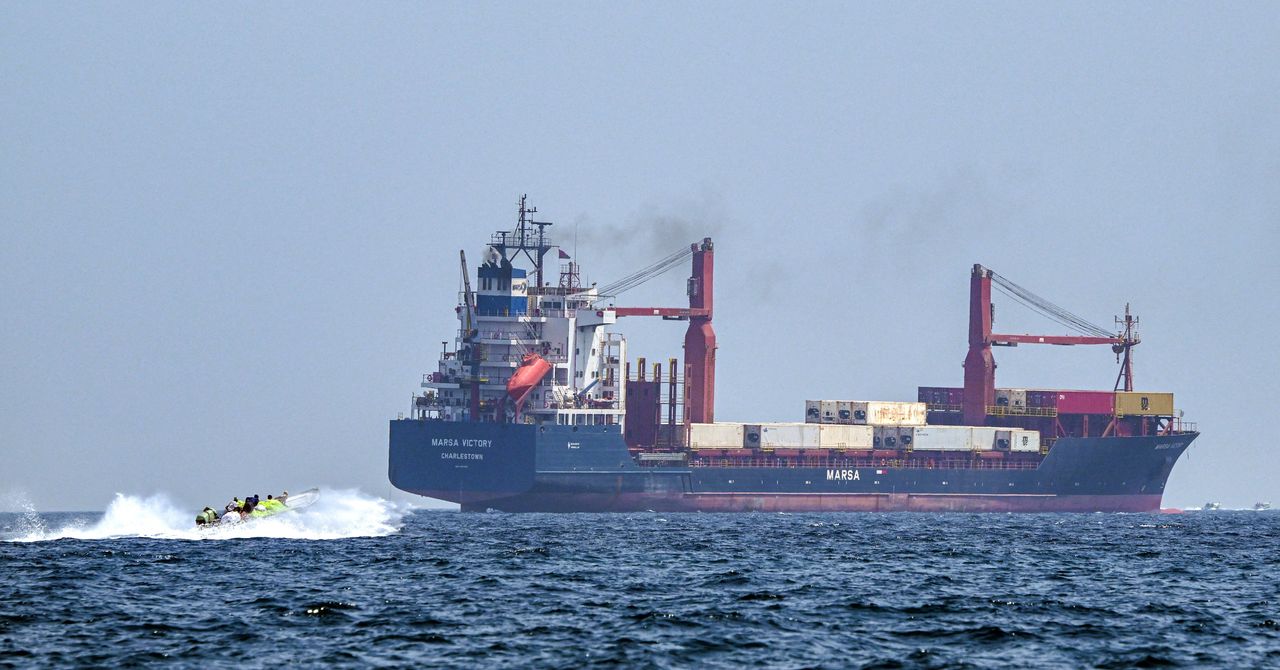
Shipping through the Strait of Hormuz—the narrow but vital oil trade route in the Middle East—has almost ground to a halt since the start of the United States and Israel’s war against Iran. Tankers in the region have faced military strikes and a spike in GPS jamming attacks, a new analysis says.
Since the first US-Israeli strikes against Iran on February 28, more than 1,100 ships operating across the Gulf region have had their GPS or automatic identification system (AIS) communications technology disrupted, says Ami Daniel, the CEO of maritime intelligence firm Windward. Ships have been made to appear as if they were inland on maps, including at a nuclear power plant, the firm says.
The analysis comes as maritime officials have warned of a “critical” risk to ships operating in the region and as the initial conflict has quickly expanded to involve countries across the Middle East. At least three tankers in the region have been damaged in the conflict.
“We’re seeing a lot of GPS jamming,” Daniel says of shipping in the Strait of Hormuz and surrounding areas. The levels of electronic interference are “way above the baseline” of usual interference, he says. “It’s becoming very dangerous to go in and out.”
Over the last few years, attacks against GPS and navigation systems have been on the rise—largely driven by the wars in Ukraine and Gaza. They can impact people’s phones or devices, but also disrupt the safety and navigation systems in planes and ships. The electronic interference largely comes in two forms: jamming and spoofing. During jamming attacks, satellite signals are overwhelmed so that positioning data isn’t available. Whereas spoofing can create false signals that make an object appear incorrectly on a map—for instance, making ships appear as if they are inland at airports.
Inaccurate location data can lead to ships running off course, potentially increasing the chances of them crashing into other tankers, running aground, or causing damaging oil spills. In warzones, electronic interference is often used to try and disrupt the navigation systems of drones or missiles, which can rely on location data to find and hit their targets.
Analysis of shipping data by Windward found that there has been an “escalating” level of electronic interference across Iranian, United Arab Emirates, Qatari, and Omani waters since the initial strikes on February 28. Daniel says that the majority of the activity the company has identified so far has been jamming rather than spoofing. The company’s analysis says it has identified around 21 “new clusters” where ships have had their AIS data jammed in recent days.
“Ships were falsely positioned at airports, a nuclear power plant, and on Iranian land, creating navigation and compliance risks,” a report from the firm says. “AIS signals have also been diverted to the Barakah Nuclear Power Plant and nearby waters, while hundreds of other vessels are creating circle-like patterns off UAE, Qatari, and Omani waters.”
GPS and AIS interference within the Strait of Hormuz and the surrounding area is not new. In June 2025, as Israel and Iran exchanged missile fire, significant jamming in the region was reported.
While almost all commercial air travel has been grounded around the Middle East, there have been signs of electronic interference on aircraft flying ahead of and around the strikes. “There are at least six new spoofing signatures in the Middle East,” says Jeremy Bennington, vice president of positioning, navigation, and timing strategy and innovation at technology firm Spirent Communications. “Hundreds of flights have been impacted. However, that decreased significantly over the weekend as flights have been canceled.”

In the wake of a major series of new US and Israel-led attacks on Iran and subsequent retaliatory strikes on Gulf states including Bahrain, Kuwait and the UAE, the UK’s National Cyber Security Centre (NCSC) has reassured British organisations that there is likely no significant change in the direct cyber threat posed by Iranian actors.
But that despite the attacks, Iranian state threat actors likely retain some ability to conduct cyber attacks, and more widely, there is a risk of collateral impacts – such as distributed denial of service (DDoS) attacks – originating from hacktivist groups sympathetic to Iran.
And, as the spreading conflict threatens to draw in the UK, the GCHQ-backed cyber agency said it this assessment was subject to change at short notice, and there was almost certainly a heightened risk of indirect cyber threat for any UK organisations with a presence in the Middle East.
“In light of rapidly evolving events in the Middle East, it is critical that all UK organisations remain alert to the potential risk of cyber compromise, particularly those with assets or supply chains that are in areas of regional tensions,” said NCSC director for national resilience, Jonathon Ellison.
“Today, the National Cyber Security Centre has published an alert outlining the current cyber threat to the UK and the practical steps organisations should take in response.
“This includes engaging with our guidance to reduce the likelihood of falling victim to an attack where the cyber risk is heightened, and how critical national infrastructure organisations can prepare for and respond to severe cyber threats.
“Organisations are strongly encouraged to act now, following the recommended actions to prioritise and strengthen their cyber security posture,” said Ellison.
Global conflict
Although no European states have taken part in the initial strikes, Dennis Calderone, principal and chief technology officer (CTO) at Suzu Labs, said that European organisations still needed to pay attention.
“Iran’s cyber operations don’t stop at US borders, and the proxy groups operating on Iran’s behalf are even less predictable in their targeting,” said Calderone. “When the motivation is retaliation and the conventional military is gone, cyber operators cast a wide net.
“Since it appears that conventional military options are looking increasingly to be off the table, cyber is what Iran has left,” he added.
“And even with their own internet down, pre-positioned implants and operators based outside Iran can still execute. If you’re in energy, water, financial services, or defense, assume you’re a target. Start hunting for anomalous access in your environment now. Don’t wait for something to break.”
James Turgal, vice president of global cyber risk and board relations at Optiv, said that over the next 30 days or so, there will likely be a surge of cyber activity linked to Iran, including website defacements, DDoS attacks, doxxing and leaks, and disruptive intrusions designed to create symbolic impact and public fear. This will likely include influence operations.
Threat actors will likely opportunistically exploit vulnerabilities in unpatched, internet-facing systems, and take advantage of other cyber weaknesses, such as exposed VPNs, and badly-secured operational technology (OT) or industrial control systems (ICS).
Within 72 hours, at-risk organisations should move to lock down internet-facing exposures, verify they are patched and up-to-date, have removed or limited unnecessary remote admin surfaces, rotated any exposed credentials, and validated multifactor authentication on any remote devices, said Turgal. CNI operators should also review their OT and ICS segmentation and monitoring.
More widely, security leaders should take steps to protect user identities against potential intrusion, and ensure their infrastructure is hardened against DDoS attacks.
Blended threat
Halcyon’s Cynthia Kaiser – who was previously deputy assistant director of the FBI’s cyber division, said she was already seeing increased activity in the Middle East, and calls to action from hacktivists, DDoS botnet operators, and ransomware gangs.
“Iran has a long track record of using cyber operations to retaliate against perceived political slights…. Tehran’s cyber playbook has been aggressive and evolving,” she said.
“Increasingly, ransomware is incorporated into these escalating operations. Last year, an Iranian national pleaded guilty to ransomware attacks that crippled Baltimore and other US municipalities, causing tens of millions in damages. Since at least 2017, Iranian operators have targeted US critical infrastructure … with ransomware campaigns that blur the line between criminal extortion and state-sponsored sabotage.”
In practice, Kaiser explained, Iranian cyber ops blend state sponsorship, personal profiteering, and outright criminal behaviour. For example, she said, financially-motivated hackers may attempt to monetise access gained through government-funded campaigns.
Like Moscow, she added, Tehran turns a blind – or at least indifferent – eye to criminal cyber ops against shared enemies such as the US, Israel and their regional allies.
“Having access to cyber criminals gives the government options. As Iran considers its response to US and Israeli military actions, it is likely to activate any of these cyber actors if it believes their operations can deliver a meaningful retaliatory impact,” said Kaiser.
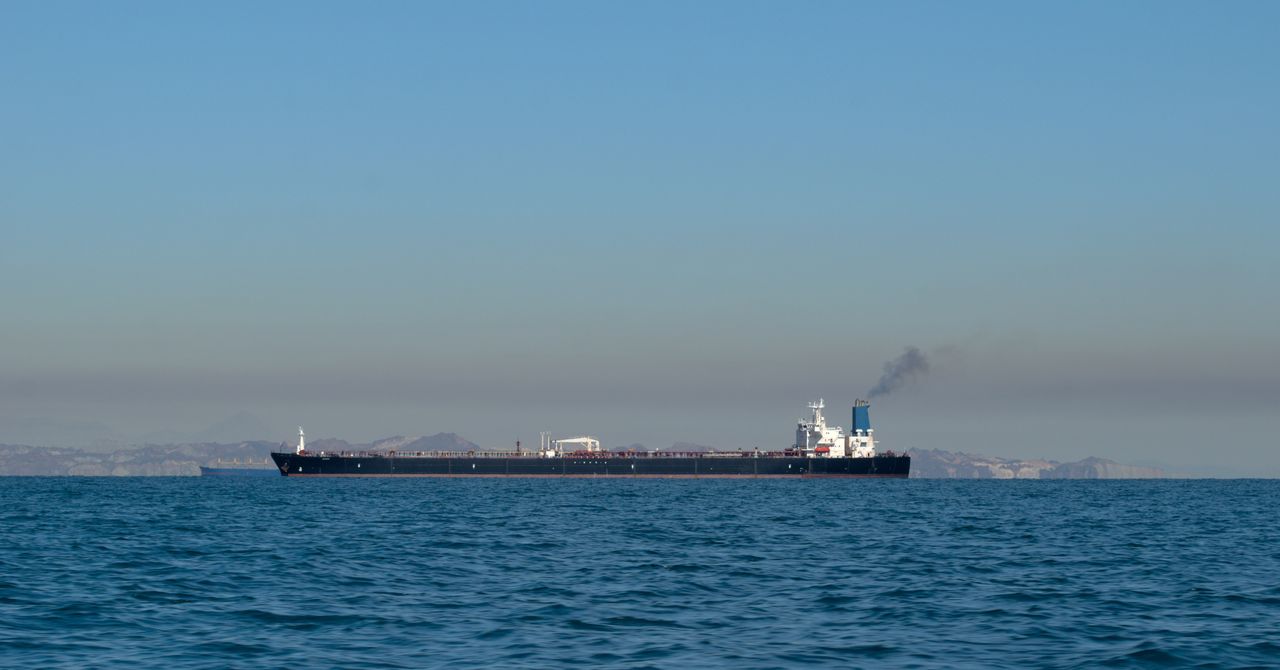
Oil prices surged on Monday following the United States and Israel’s attacks on Iran this weekend, as some analysts predict that it could soon reach over $100 a barrel. Amid escalating attacks on oil and gas infrastructure in the region and stopped traffic in a crucial shipping route, experts tell WIRED that how the White House directs the conflict over the coming week—as well as Iran’s and other oil producers’ responses—will be key in determining just how high prices eventually climb.
The price of Brent crude jumped to almost $80 a barrel—a nearly 13 percent increase over Friday’s prices—when markets opened Sunday evening. The market has been pricing in the risk of the US’s aggressive stance toward Iran for months, says Tyson Slocum, the director of the energy program at the progressive think tank Public Citizen, insulating prices from an even more severe jump. But the disorganized US follow-through to the initial attack—which killed Ayatollah Ali Khamenei, Iran’s supreme leader—is introducing much more uncertainty.
“For all of Trump saying, ‘Hey, you know, we took out Khamenei, we knew exactly where he was,’—apparently we didn’t do the same for Iran’s attack capabilities,” Slocum says. “It seems like our plan was to take out Khamenei and then hope for the best.”
Iran controls the Strait of Hormuz, one of the most important shipping routes in the world. One out of every five barrels of oil travels through the strait. Major members of the Organization of the Petroleum Exporting Countries (OPEC), the world’s dominant oil and gas cartel, rely almost entirely on the strait to get their product out of the region.
“As long as I have been in the oil market, Iran and the closure of the Strait of Hormuz has been kind of the ultimate risk scenario for prices,” says Canadian oil market researcher Rory Johnston. Usually, he says, OPEC would respond to an international crisis that involves oil by increasing production. “But if OPEC’s emergency production is on the other side of the problem area, it doesn’t do as much good.” Johnston compares the region to a garden hose, where a kink in one section can decrease output.
Throughout the weekend, while Iranian officials sent mixed messages on whether the strait is formally closed, traffic through the strait dropped to near zero. Insurance companies have jacked up policies on ships traveling through the strait, while some ships have been hit by drone strikes. What seems to be happening, Johnston says, is more of a “voluntary closure” than an official one.
There are worse scenarios for oil prices that could unfold in the coming days than just the closure of the strait. In September of 2019, drones hit major oil production facilities east of the Saudi Arabian capital of Riyadh. While the Houthi rebel movement in Yemen publicly claimed responsibility for the attack, US officials blamed Iran. The attack temporarily shot oil prices up 15 percent.
On Monday, Saudi officials said that they had closed a major domestic refinery following drone strikes, while a few other oil and gas fields across the region were also shut down. Qatar LNG, the country’s state-run liquefied natural gas producer, said Monday it was shutting down production due to drone strikes, sending gas prices in Europe spiking. Johnston says that continued, serious strikes like these could have a massive impact on prices.
“Going back to the garden hose thing … [that would be] more like taking a gun and blasting off the faucet,” Johnston says.
Clayton Seigle, a senior fellow at the Center for Strategic and International Studies, a think tank based in Washington, DC, agrees. “The more desperate Iran becomes, the greater likelihood for it to use energy as leverage to advance its interests,” he says. “If tankers abandon the Gulf trade in large numbers, and certainly if major oil infrastructure is damaged, we’re likely to see triple-digit crude prices again.”

[CinePlex360] Please moderate: “Chinese company

Colorado opts to practice, mourn death of Dominiq Ponder
[CinePlex360] Please moderate: “China warns Jap

-
 Business6 days ago
Households set for lower energy bills amid price cap shake-up
-

 Entertainment1 week ago
Talking minerals and megawatts
-

 Politics5 days ago
What are Iran’s ballistic missile capabilities?
-

 Sports1 week ago
Eileen Gu comments on Alysa Liu’s historic gold medal
-
 Business6 days ago
Lucid widely misses earnings expectations, forecasts continued EV growth in 2026
-
 Business1 week ago
Haryana Govt bars IDFC First Bank, AU Small Finance Bank over alleged Rs 590 crore fraud
-

 Sports7 days ago
Top 50 USMNT players of 2026, ranked by club form: USMNT Player Performance Index returns
-

 Sports5 days ago
Sri Lanka’s Shanaka says constant criticism has affected players’ mental health