

Politics
SCO Driving Regional Prosperity Through Cooperation

When the Shanghai Cooperation Organization (SCO) was established in 2001, its primary mission was to enhance regional security and stability. Over the years, however, its scope has expanded significantly to encompass economic cooperation reflecting the reality that sustainable prosperity and enduring stability are inseparable.
Today, the SCO is the world’s largest regional organization in terms of geography and population. With a vast market, abundant resources, and immense growth potential, the bloc has become an important driver of regional and global development. One of its central objectives now is to facilitate trade and investment among member states. To this end, mechanisms such as the SCO Business Council and the Interbank Consortium have been set up to boost cross border commerce and financial cooperation.
The results are tangible. In 2024, trade volume between China and other SCO member states, observer states, and dialogue partners hit a record $890 billion, accounting for 14.4 percent of China’s total exports and imports. This surge underscores both the vitality and the prospects of intra regional trade.
SCO cooperation has also paved the way for greater infrastructure connectivity across Eurasia. Landmark projects like the China Central Asia West Asia Economic Corridor and the China-Kyrgyzstan-Uzbekistan Railway have significantly reduced trade barriers and shortened transport times. Energy security remains another pillar of cooperation. The China Central Asia Gas Pipeline and the Eastern Russia China Natural Gas Pipeline not only safeguard the region’s energy needs but also contribute to stabilizing global energy markets. Recently, SCO member states signed an MoU to jointly construct “Silk Road Stations” aimed at addressing critical infrastructure gaps along expanding trade routes.
Beyond physical connectivity, the SCO has played a pivotal role in aligning development strategies. China’s Belt and Road Initiative complements national strategies such as Kazakhstan’s Bright Road Initiative, Kyrgyzstan’s National Development Program, and Tajikistan’s National Development Strategy. This synergy highlights the SCO’s strength in fostering shared development models.
Sustainable development has become a new priority for the SCO, with green growth and digital transformation at its core. According to a report released at the SCO Energy Ministers’ Meeting in June, the bloc’s total renewable energy installed capacity reached 2.31 billion kW by the end of 2024 nearly half of the global total. The SCO Green Development Forum provides a dedicated platform for advancing these goals under the organization’s Green Development Agenda.
The digital sphere is another frontier. The SCO Digital Economy Forum and the Digital Silk Road initiative have accelerated Eurasia’s digital integration. In 2024, cross-border e-commerce between China and other SCO states surged 34 percent year-on-year. Moreover, the Action Plan for Digital Transformation of SCO Member States, adopted in June, is set to deepen collaboration in e-commerce, artificial intelligence, and smart infrastructure.
Despite remarkable achievements, the SCO faces hurdles in deepening integration. Externally, it remains under scrutiny and sustained pressure from the West, which often seeks to divide rather than unite. Internally, differences in development stages, economic models, cultural traditions, and lingering geopolitical disputes sometimes slow down cooperation. To address these challenges, the SCO must continue strengthening institutional mechanisms in five priority areas: policy, infrastructure, trade, finance, and people-to-people ties. By doing so, member states can align their competitive advantages, foster mutual trust, and create a more resilient framework for cooperation.
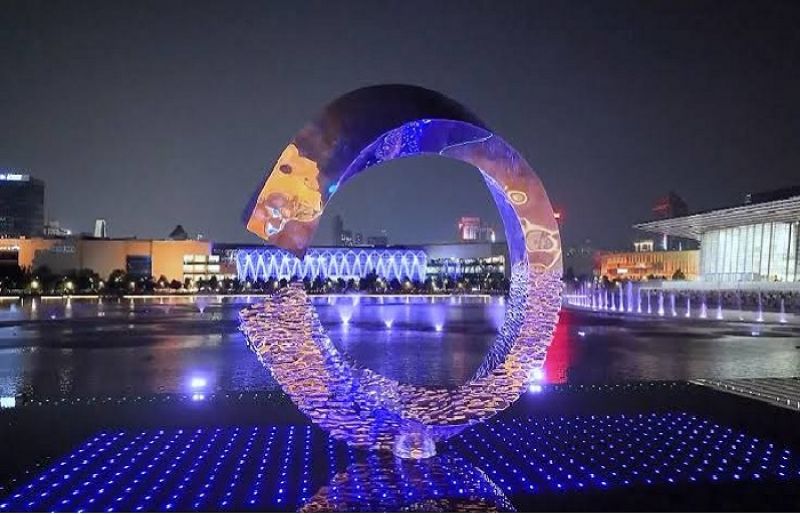
The upcoming SCO Summit in Tianjin, hosted by China as the organization’s rotating president, is expected to further unlock the group’s vast potential. At a time when protectionist tariffs, unilateral sanctions, and technological barriers threaten global growth, the SCO offers a counter-narrative championing openness, inclusivity, and shared prosperity.
As one of the pioneering regional organizations of the Global South, the SCO provides an alternative to exclusive Western clubs. Its model demonstrates that multilateralism, when inclusive and pragmatic, can deliver concrete benefits to all members. In doing so, the SCO continues to build not only a platform for cooperation but also a common home of stability, prosperity, and development for the Eurasian region and beyond.
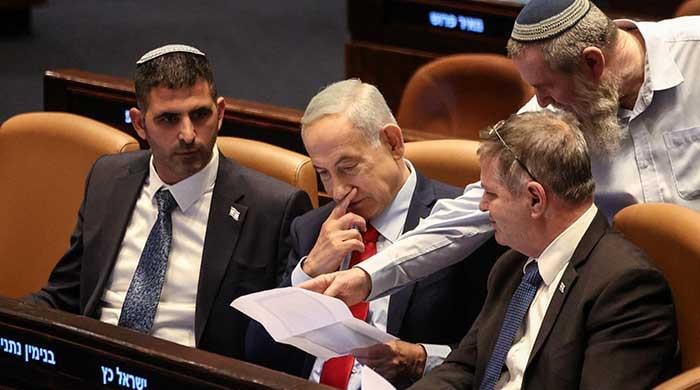
With elections approaching in Israel, the war with Iran has handed Prime Minister Benjamin Netanyahu an opportunity to restore an image deeply scarred by October 7, 2023 Gaza attack, experts say.
But any political dividend would depend on how the conflict unfolds and how long it lasts, they say.
A day after Iran’s supreme leader Ayatollah Ali Khamenei was martyred in a wave of US-Israeli strikes, Netanyahu said that his close ties with Washington had enabled Israel to “do what I have long aspired to do for 40 years: to strike the terrorist regime decisively”.
The Gaza war eroded Netanyahu’s popularity. Critics have accused him of seeking to evade responsibility for the authorities’ failure to prevent the deadliest day in Israel’s history.
At 76, the leader of the right-wing Likud party is Israel’s longest-serving prime minister, with more than 18 cumulative years in office across multiple stints.
Known for his political resilience, Netanyahu has been without a parliamentary majority since the summer, amid a crisis with his ultra-Orthodox religious allies.
He is also standing trial in a long-running corruption case and has sought a presidential pardon, with US President Donald Trump repeatedly pressuring President Isaac Herzog to grant one.
‘Total victory’
Elections must be held by October 27 at the latest.
Netanyahu will call early elections, says Emmanuel Navon, a political analyst at Tel Aviv University.
“It’s obvious. He won’t wait until October given the commemoration of the October 7 anniversary,” Navon said.
“If Netanyahu was at rock bottom after the Gaza attack, he has since gradually turned the tide,” he added.
A Likud party led by Netanyahu would emerge ahead in elections held today, opinion polls suggest.
That would likely see him tasked with forming the next government, though he would still lack a majority with his current allies.
A victory over Iran could change that calculus, experts say.
“This offensive undeniably reinforces the image Netanyahu seeks to cultivate, the one associated with his ‘total victory’ slogan,” independent geopolitical analyst Michael Horowitz told AFP.
“Netanyahu wants to show that this is not a campaign slogan but a reality. It is his national agenda and his electoral strategy,” he added.
‘Iran remains Iran’
Raviv Druker, a prominent journalist on Channel 13 television, argued that Netanyahu “will try to convince people that the victory is total even if that is an illusion,” noting that “Hamas still runs Gaza, and Iran remains Iran even after Saturday’s strike”.
On the popular news website Walla, journalist Ouriel Deskal went further, suggesting Netanyahu may have chosen the timing of the hostilities to automatically delay — under a state of emergency — the March 30 deadline for passing a budget for which he has struggled to secure a majority.
Without a budget, the government would fall on April 1 and elections would be called.
In that scenario, Netanyahu would enter the campaign from a position of weakness.
By contrast “if this war against Iran is a success for Israel, it will be a political victory for Netanyahu,” Navon said.
But should the war drag on, the picture could shift dramatically, Horowitz warned.
“Public tolerance for a long war with heavy casualties, combined with a high cost of living, remains extremely low,” he said.
During the war last June, Iranian missiles killed 30 people in Israel. Since Saturday, 10 people have been killed in Iran’s retaliatory strikes.
“Israel’s victories are primarily attributed to the army and to civilian resilience, which enabled the country to wage the longest war in its history,” Horowitz noted.
“The army’s popularity is rising, not necessarily Netanyahu’s.”
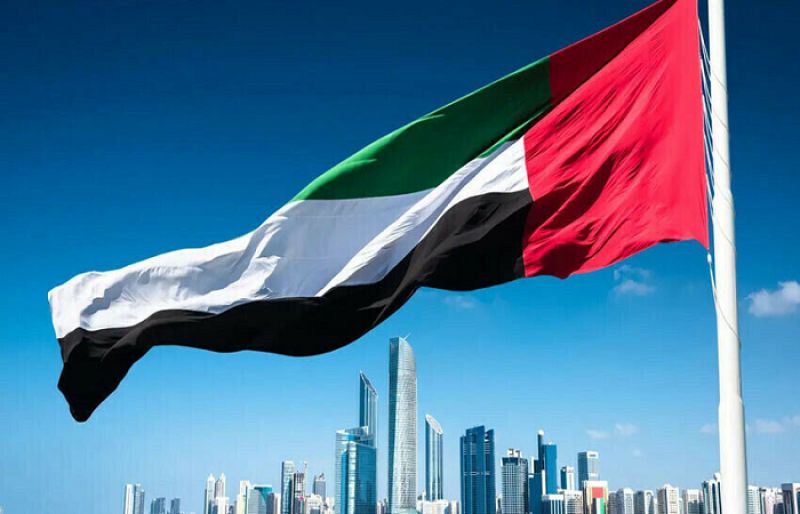

UAE says it will not allow its airspace to be used for attacks against Iran, announces security and economic measures amid regional tensions.The United Arab Emirates has announced it will not allow its airspace or territory to be used for attacks against Iran, as officials outlined security, economic and humanitarian measures during a media briefing in Abu Dhabi.
Reem Al Hashimy, Minister of State for International Co-operation, said the UAE’s position was “clear and measured.”
“The UAE will not permit its airspace or land to be used in any attack against Iran,” she said, adding that the country reserves the right to defend its sovereignty and ensure the safety of citizens, residents and visitors.
She also confirmed that the UAE had closed its embassy in Tehran and withdrawn its ambassador following recent Iranian attacks.
High Combat Readiness
Major General Abdul Nasser Al Humaidi, spokesperson for the Ministry of Defence, said the UAE would not tolerate any compromise of its sovereignty or security.
He explained that sounds heard in recent days were due to missile interceptions and confirmed that armed forces remain at a high level of combat readiness. The UAE, he said, possesses sufficient strategic defence reserves to counter aerial threats for an extended period.
Economic Measures & Supplies
On the economic front, Abdulla bin Touq Al Marri, Minister of Economy and Tourism, said the country holds strategic reserves of essential goods sufficient for four to six months.
“There is no risk of shortages,” he said, adding that authorities are monitoring markets to prevent unjustified price increases and urging residents to avoid panic buying.
He also announced that around 80 flights per day would operate during the current phase to facilitate travel for those wishing to leave.
Daily Life Continues
The National Emergency Crisis and Disaster Management Authority (NCEMA) said daily life across the UAE continues as normal, with essential services fully operational.
The statements come amid heightened regional tensions, as Gulf countries navigate security concerns while seeking to maintain stability at home.
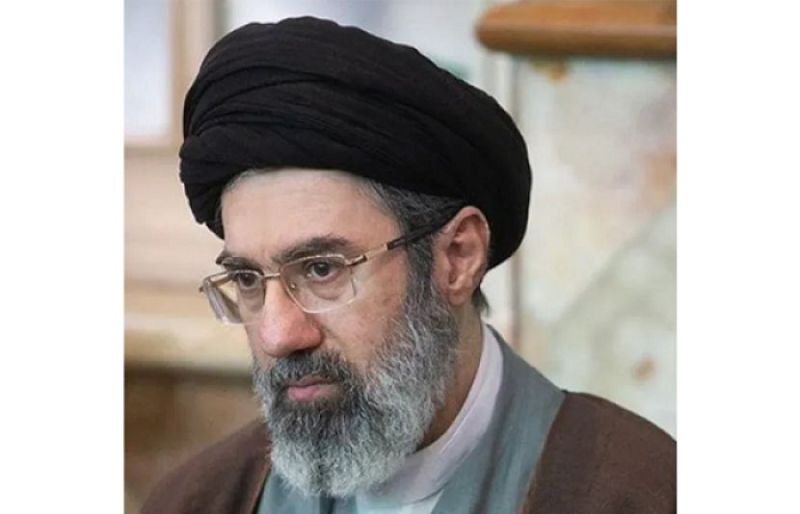

Iranian media has claimed that Mojtaba Khamenei, son of Supreme Leader Ali Khamenei, is alive and in good health, dismissing earlier foreign media reports that suggested he had been killed.
According to Iranian outlets, Mojtaba Khamenei has fully recovered and is currently overseeing key state affairs. The reports reject claims that he was killed alongside his father during recent airstrikes.
Strikes on Iran
On Saturday, Israel and the United States reportedly carried out coordinated strikes across Iran, targeting multiple locations.
Iranian media stated that:
-
The office compound of Ayatollah Ali Khamenei was struck.
-
The building of the Assembly of Experts in Qom was bombed.
-
Explosions were also reported near Enghelab Square in Tehran.
The Assembly of Experts is the clerical body responsible for appointing Iran’s Supreme Leader.
Conflicting Reports
While foreign media earlier claimed Mojtaba Khamenei had been killed, Iranian state-linked sources have strongly denied those reports. Independent verification of the claims remains limited amid ongoing hostilities and restricted information flow.
The situation continues to evolve as regional tensions remain high.


Legendary Auburn coach Bruce Pearl backs Trump on Iran strikes, rips Obama and Biden over their strategy

Oil Prices: US, Israel attack Iran: With oil prices up, forex volatility set to continue – The Times of India

See Zara Larsson reply cheekily to fan’s insensitive TikTok post

-

 Politics6 days ago
What are Iran’s ballistic missile capabilities?
-
 Politics6 days ago
US arrests ex-Air Force pilot for ‘training’ Chinese military
-
 Business1 week ago
Households set for lower energy bills amid price cap shake-up
-

 Sports1 week ago
Top 50 USMNT players of 2026, ranked by club form: USMNT Player Performance Index returns
-
 Business1 week ago
Lucid widely misses earnings expectations, forecasts continued EV growth in 2026
-

 Fashion5 days ago
Policy easing drives Argentina’s garment import surge in 2025
-

 Sports6 days ago
Sri Lanka’s Shanaka says constant criticism has affected players’ mental health
-
 Sports1 week ago
South Africa thrash India by 76 runs in T20 World Cup Super 8 – SUCH TV