

Business
Scrap ‘unaffordable’ state pension triple lock, urges Tony Blair

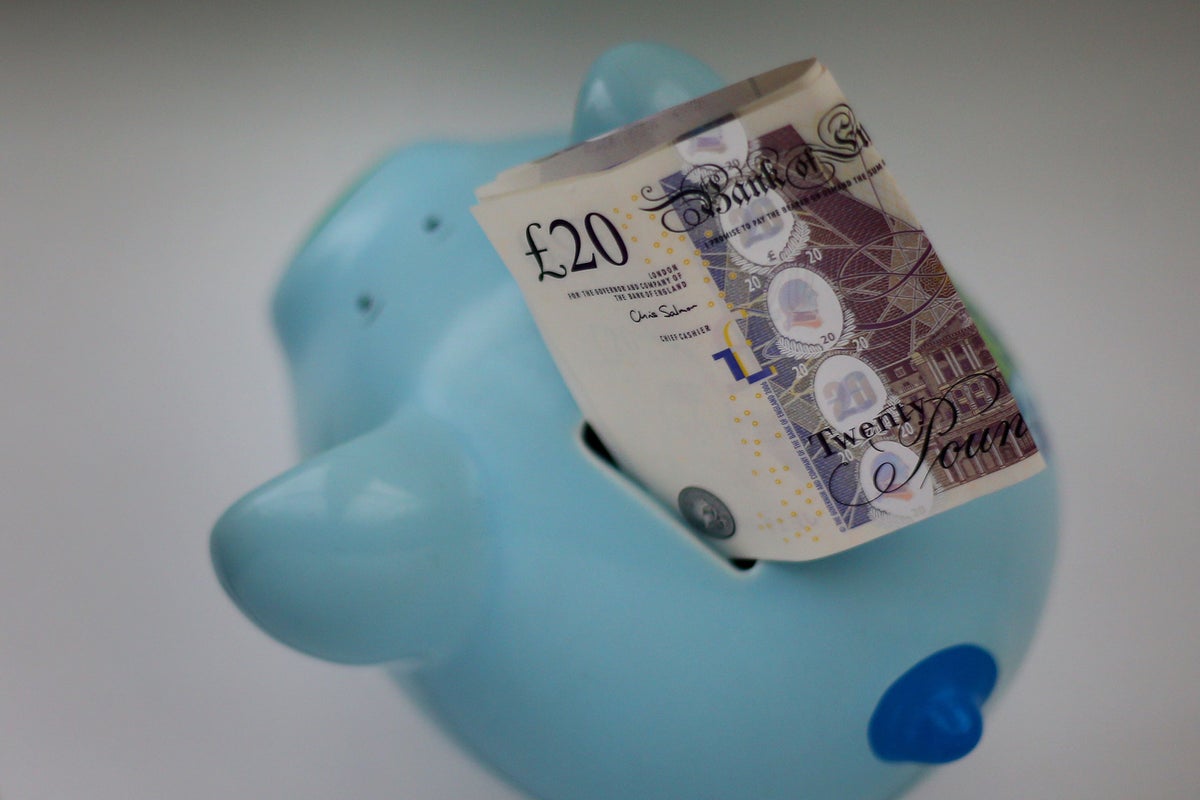
The triple lock should be scrapped, Sir Tony Blair’s think tank has said in a proposal for the biggest overhaul of the state pension since it was introduced in 1948.
The former PM’s Tony Blair Institute has issued a new report calling for the state pension to be replaced with a “Lifespan Fund” that it claims is “built for longer and more fluid lives”.
It argues the state pension is “outdated, increasingly unaffordable, and too rigid for the way people live and work” because it concentrates state-supported income support at retirement.
The triple lock is a government guarantee to increase the state pension each April by the highest of three metrics – average wage rises, inflation, or 2.5 per cent.
This is intended to protect pensioners’ incomes over time and is highly valuable to recipients. Critics say it is no longer affordable, but politicians have been loath to commit to changing it, given its popularity with older voters.
The full state pension is worth £241.30 a week, or £12,548 a year.
Defenders of the state pension note that the money paid out is spent back into the economy, which supports growth, but the TBI claims “reform is now unavoidable” since the number of pensioners will rise from 12.6m now to 19m by 2070.
The cost to the state could rise from 5 per cent of GDP now to 7.8 per cent by then – an extra £85 billion a year.
In a recent report from Almond Financial, Britain had the 13th most generous state pension in Europe. Luxembourg was top, followed by Norway, Spain and Malta.
Get a free fractional share worth up to £100.
Capital at risk.
Terms and conditions apply.
ADVERTISEMENT

Get a free fractional share worth up to £100.
Capital at risk.
Terms and conditions apply.
ADVERTISEMENT
Tom Smith, director of economic policy at the Tony Blair Institute said: “Britain’s state pension system was built for a different era. We can’t keep pouring money into a system that is increasingly unaffordable. Pension spending must be contained, and that means the triple lock cannot continue after the next Election.
“Ending it will require political leadership from all parties – but that should only be the first step. Real reform must also build a better system: one that is fairer, more flexible, and designed for how people live today.”
Nigel Farage of Reform UK has recently pledged to keep the pension triple lock, but cut other welfare payments to pay for it.
Labour MP Graeme Downie said the triple lock should be reformed to fund an increase in defence spending.
He wrote in The House magazine that the government should be brave enough to ask older people who “benefited financially from peace” to make a greater contribution to future national security.
“If there is to be a true whole of society approach to defence, and younger people could be expected to die, what are older people willing to sacrifice?” he wrote.
The report calls for the recently re-established Pensions Commission to foster cross-party agreement before the next election, paving the way for the triple lock to be replaced from 2030 with a smoothed link to earnings.
Under the proposed Lifespan Fund savers would build up entitlement through contribution across their lives – including through work, caring, study and other recognised activity.
They could bring forward some of those payments, for example if unemployed or retraining.
People could choose when to convert their Lifespan Fund into a guaranteed pension for life, with the annual amount adjusted on an actuarially fair basis to reflect age and health.
Tom Smith added: “TBI’s proposed Lifespan Fund offers that better alternative. It replaces the one-size-fits-all state pension with a personalised system that people build up through active contribution across their lives. It gives people real freedom to use support earlier in life – to retrain, care for relatives or manage periods out of work – and to top it back up before retiring on their own terms. It is the upgrade Britain needs.”
AJ Bell director of public policy, Tom Selby, said: “A radical plan to overhaul the state pension and replace it with a more flexible system that allows people to take a lower income but start claiming earlier might seem sensible.”
“But the proposals are complex and the prospect of the government calculating an ‘actuarially fair’ retirement income for each individual based on key details like their personal health records feels somewhat dystopian, and would clearly be vulnerable to people gaming the system by over-stating ill-health and habits like drinking and smoking.”
Business
Gross GST collections hit record high of Rs 2.43 lakh crore in April 2026 despite US-Iran war concerns – The Times of India
GST collections: The gross Goods and Services Tax (GST) collections touched a new high in April, reflecting continued strength in economic activity even in the midst of the ongoing Middle East conflict.According to government data released on Friday, gross GST revenue for the month reached a record Rs 2.43 lakh crore, registering an 8.7% increase over Rs 2.23 lakh crore collected in April last year.After accounting for refunds, net GST collections stood at Rs 2.11 lakh crore, up 7.3% from the corresponding period a year earlier.Refund disbursements during the month rose sharply, climbing 19.3% year-on-year to Rs 31,793 crore.As a result, net GST revenue for April 2026 came in at Rs 2,10,909 crore.Robust revenues from imports played a major role in driving GST collections during the month. Gross receipts from imports climbed sharply by 25.8% to Rs 57,580 crore, while gross domestic GST collections recorded a comparatively moderate increase of 4.3%, reaching Rs 1.85 lakh crore.The net GST revenue from imports surged 42.9%, significantly outpacing the marginal 0.3% rise in net domestic collections.The April performance follows a strong showing in March, when net GST collections stood at Rs 1.78 lakh crore, up 8.2% from a year earlier. Gross collections in that month had also crossed the Rs 2 lakh crore mark.For the full financial year 2025-26, gross GST revenue increased 8.3% year-on-year to Rs 22.27 lakh crore. Net GST collections for the year rose 7.1% to Rs 19.34 lakh crore.Major contributors such as Maharashtra, Karnataka and Gujarat continued to account for a substantial share of total collections.
Business
Windfall gains tax cut: Excise duty on diesel exports down to Rs 23/litre, ATF exports to Rs 33/litre – The Times of India
The windfall tax on exports of diesel and aviation turbine fuel (ATF) has been lowered effective May 1, 2026. The excise duty on petrol and diesel sold in the domestic market will remain unchanged. The levy on diesel exports has been reduced to Rs 23 per litre from Rs 55.5 per litre, while the duty on ATF exports has been cut to Rs 33 per litre from the earlier Rs 42 per litre.In a statement, the Finance Ministry also announced that the road and infrastructure cess on diesel exports will be waived for the next fortnight starting May 1. Meanwhile, the export duty on petrol will continue to remain at zero.Earlier, on March 26, the government had imposed export duties of Rs 21.50 per litre on diesel and Rs 29.5 per litre on ATF. These rates were subsequently increased during a review on April 11 to Rs 55.5 per litre for diesel and Rs 42 per litre for ATF.The windfall tax was introduced to ensure that adequate domestic supplies of petroleum products remain available amid supply disruptions arising from the conflict involving the United States, Israel and Iran. It was also intended to prevent exporters from profiting excessively from the widening gap between domestic and international fuel prices as global crude markets rallied sharply.According to the ministry, the export duty framework is aimed at discouraging excessive overseas shipments during the ongoing West Asia crisis, thereby safeguarding domestic fuel availability.Following military strikes by the United States and Israel on Iran on February 28, Tehran responded with extensive retaliation, escalating tensions across the Middle East. India’s oil supply through the Strait of Hormuz remains affected, but its diversified procurement basket and the availability of millions of barrels of Russian crude on water have helped ease the supply bottlenecks for now.Since the outbreak of the conflict, crude oil prices have climbed steeply, rising from around $73 a barrel to a four-year high of $126 a barrel.
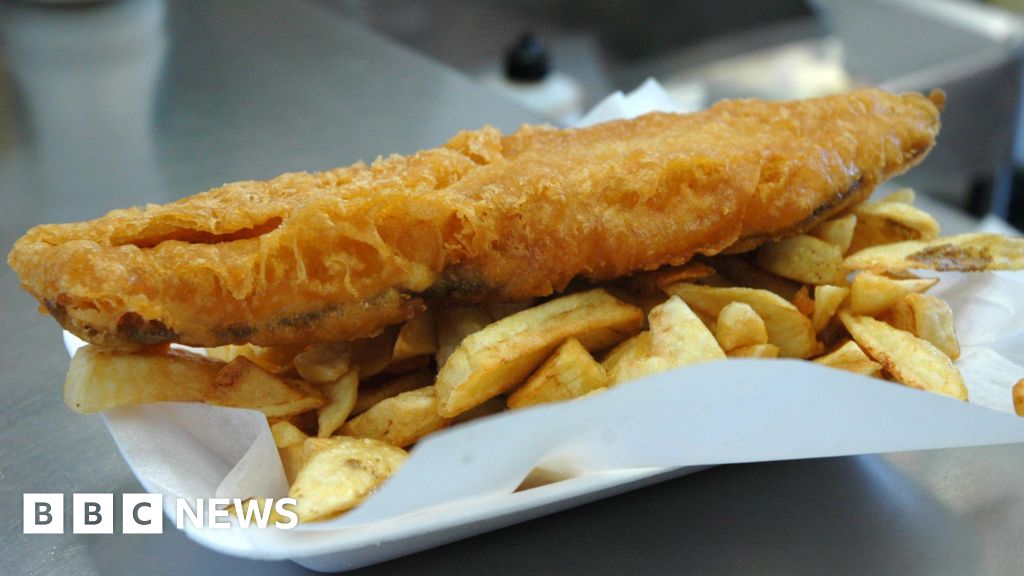
Steven Booth, 41, who was waiting in Crook’s chippy to buy his lunch, said: “My wife is from Thailand and over there catfish is often on the menu, it’s fantastic and I’m up for trying it, but it’s incredibly important you are told what you’re eating.”

Gross GST collections hit record high of Rs 2.43 lakh crore in April 2026 despite US-Iran war concerns – The Times of India

De-risking from China just got easier with India-New Zealand FTA

Clashes erupt in Australian town over death of Indigenous girl

-

 Sports1 week ago
PSL 11: Hyderabad Kingsmen opt to field after winning toss against Multan Sultans
-
 Business1 week ago
Trump administration in advanced talks for a rescue package for Spirit Airlines, source says
-

 Entertainment1 week ago
Anne Hathaway shares major news about ‘Princess Diaries 3’
-

 Tech1 week ago
Microsoft faces court battle in £2bn Windows Server class action | Computer Weekly
-
 Business1 week ago
Gold prices in Pakistan Today – April 23, 2026 | The Express Tribune
-

 Fashion1 week ago
Bangladesh RMG units call for allowing local FOC raw material sourcing
-

 Sports1 week ago
Transfer rumors, news: Arsenal ramp up interest in Williams
-
 Business1 week ago
High-Skilled Immigration: US tightens screws on high-skilled immigration: Denial rates surge across key visa categories – The Times of India