

Business
Setback for expatriates? Delhi HC upholds mandatory EPFO membership; what this means for foreign staff – The Times of India

The Delhi High Court on Tuesday ruled that expatriates working in Indian companies must become members of the Employees’ Provident Fund Organisation (EPFO) and contribute to the fund regardless of their income levels.The court upheld amendments to the Employees’ Provident Funds and Miscellaneous Provisions Act, 1952, as well as the Centre’s 2008 and 2010 notifications that mandate international workers to contribute to the Employees’ Provident Fund (EPF).Under the ruling, international workers will be allowed to withdraw their full EPF balance only after retiring at or after the age of 58, or in cases of permanent and total incapacity. This is seen as a setback for expatriates who generally work in India for shorter periods of two to five years, reported ET. Indian workers, by comparison, are required to contribute if they earn below Rs 15,000 per month. Legal experts noted that many foreign employees have already left India, meaning employers will now have to bear their share of contributions.A division bench of Chief Justice Devendra Kumar Upadhyaya and Justice Tushar Rao Gedela held that the distinction between foreign and Indian employees was justified. The court accepted the government’s position that international workers form a separate group because they contribute only during their limited time in India, unlike domestic employees who contribute throughout their service.“The classification made was reasonable and it also has an object sought to be achieved that the purpose of mandating an employee to be a member of 1952 scheme was to provide social security,” the court said, as quoted by ET.The court also upheld EPFO communications directing SpiceJet and LG Electronics India to deposit provident fund and related dues for their international staff. It dismissed SpiceJet’s challenge to summons issued in 2012 requiring it to produce records for determining liabilities, and similarly rejected objections raised by LG Electronics.The Delhi High Court’s ruling aligns with a previous judgment of the Bombay High Court, while the Karnataka High Court has ruled to the contrary. Due to the conflicting views, the matter is expected to reach the Supreme Court for final interpretation. Both companies are assessing the implications and are likely to move to the Supreme Court, according to legal sources.Atul Sharma, counsel for SpiceJet, said, “The entire basis of amendment to the scheme is implementation to certain treaties with countries who have similar provision for social security. And under the Constitution of India, this amendment could not be implemented as treaties have not been ratified by Parliament.” He said the issue requires further consideration.The companies had argued that the classification between foreign and Indian employees was discriminatory.

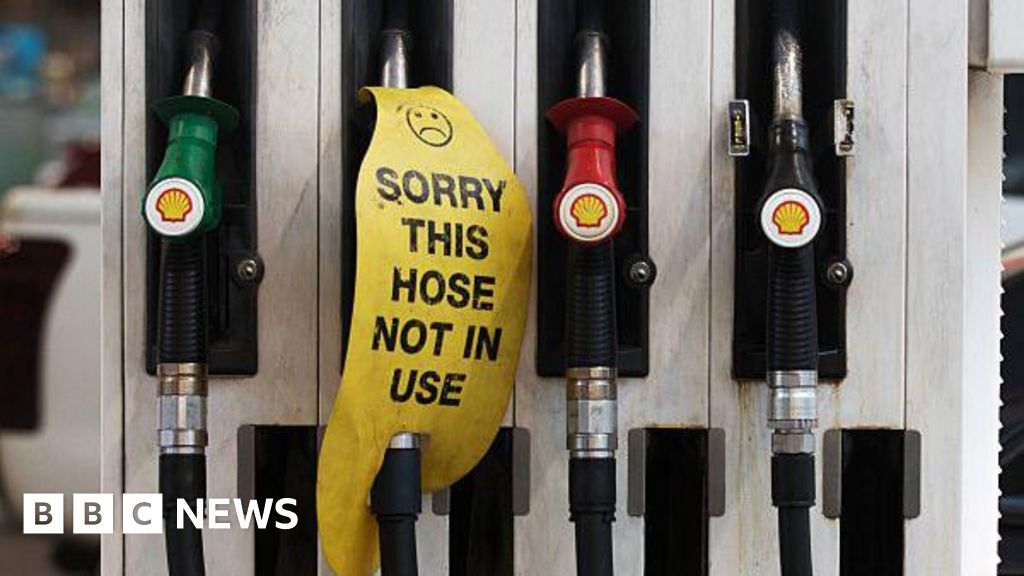
Anthony Albanese says nation’s supply remains “secure” amid reports of panic buying and shortages.
Source link

A woman has been awarded $6m in a verdict that could have implications for hundreds of other cases in the US.
Source link
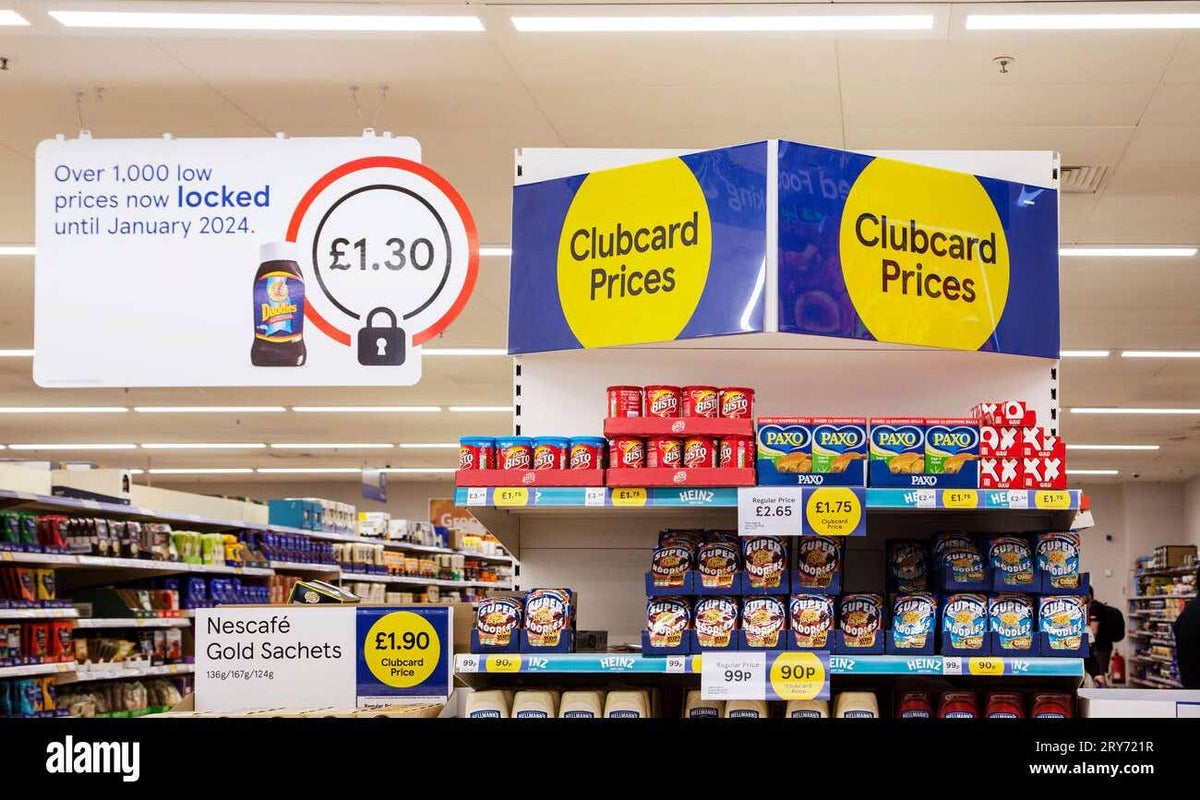
Tesco and Sainsbury’s customers are paying more than Waitrose shoppers for some common branded groceries if they are not using a loyalty scheme, analysis by Which? has found.
The watchdog compared a list of 245 branded items including Heinz, Nescafe and Mr Kipling in February, finding that it was, on average, most expensive for customers at Sainsbury’s and Tesco who were not using the Nectar or Clubcard loyalty schemes.
Which? acknowledged that most shoppers are part of a membership scheme, but said some may be unwilling to sign up to loyalty cards for reasons such as data privacy, while others have no choice because of eligibility criteria.
Tesco customers who are under 18 can not sign up to a Clubcard, although the supermarket has announced it will review this before the end of the year.
The Which? list of items was most expensive at Sainsbury’s for non-Nectar members at £942.66 – 14% more than the cheapest retailer in the study Asda, which cost £823.58.
Tesco followed behind Sainsbury’s, with its non-Clubcard price totalling 11% more than Asda at £916.56.
Which? said it did not include discounters Aldi and Lidl in the study because they did not stock a sufficiently large range of branded goods.
Both Tesco and Sainsbury’s – the UK’s two largest grocers – were more expensive for non-members of their loyalty schemes than Waitrose, which cost £899.05.
Waitrose was 9% more expensive than Asda and emerged as a “more competitive option”, Which? said.
Which? found several products that were cheaper at Waitrose, including Amoy Straight To Wok Noodles, which were on average £1.25 at both Waitrose and Morrisons but most expensive at Sainsbury’s and Tesco without a loyalty card at an average of £2.15 – a 72% difference.
Sea salt and vinegar Ryvita Thins were also cheapest on average at Waitrose at £1.25, but shoppers buying this product at Morrisons, Tesco, and Sainsbury’s without a loyalty card would all have paid an average of £2.30, making them 84% more expensive.
For customers with a Clubcard, Which? found that the same list of groceries at Tesco fell to £837.43 on average – just 2% more expensive than Asda.
Which? found various instances of branded products where the Tesco Clubcard price was the cheapest on average.
Carex Hand Wash was 95p at Tesco with a Clubcard but £1.70 at Waitrose where it was the most expensive.
Another example showed Kellogg’s Crunchy Nut cornflakes was £1.55 on average in February, while the highest average price among the supermarkets was at Waitrose where it cost £2.50.
Which? said the figures showed the “dramatic price gulf” created by loyalty pricing.
In one example at Tesco, Which? found a 200ml bottle of L’Oreal Paris Elvive Bond Repair Shampoo was double the price on average for shoppers without a Clubcard – at £13 compared to £6.50.
The higher price was also found at both Morrisons and Sainsbury’s.
Which? found that a 200g jar of Kenco Smooth coffee cost shoppers at Tesco and Sainsbury’s without a loyalty card £8.35 – the highest price on the market.
In contrast, the same jar was £7 at Waitrose and £6.32 at Asda, on average.
Similarly, Waitrose had the cheapest average price for Nescafe Gold Blend at £6.25, while non-members at Sainsbury’s were asked to pay £8.35.
Meanwhile, Which? found customers who used a Nectar card at Sainsbury’s could expect to pay only 3% more than Asda at £848.56 for the entire list of items.
Morrisons averaged 4% more expensive than Asda when using a More card and 5% more expensive without one.
Ocado was also 5% more expensive than Asda.
Which? retail editor Reena Sewraz said: “Our analysis reveals a shocking truth and shows the impact loyalty schemes have had on grocery pricing.
“Branded favourites can actually be cheaper at Waitrose than at the UK’s biggest supermarkets for shoppers who don’t use a loyalty card – something that would have seemed unthinkable until a few years ago.
“If you’ve got your heart set on specific brands, your best bet is to shop around, keep a close eye on the unit price, and stock up whenever you see a good deal – otherwise, you’re likely to end up paying way over the odds.
“While loyalty cards definitely offer some savings, if you don’t use one you’re better off heading to Asda, where the pricing is usually cheaper on a range of branded goods.”
A Sainsbury’s spokesman said: “We have invested over £1 billion in recent years to help keep prices low and we know more customers are choosing to do their shop at Sainsbury’s.
“We are committed to helping customers access great quality at lower prices and remain focused on offering outstanding value across thousands of products through our Aldi price match scheme, Nectar prices, Your Nectar Prices and our own-brand value lines.”
A spokesman for Tesco said: “It’s no secret that Tesco Clubcard unlocks exceptional savings for the 24 million UK households who have one.
“More than 80% of our sales are made with a Clubcard – but it’s just one of the ways our customers get great value.
“Though everyday low prices we keep prices consistently low on thousands of branded products, and our Aldi price match ensures shoppers can be confident they’re getting competitive prices.”


WTO launches 3rd phase of Enhanced Integrated Framework

Time to hold the line

Vietnam overtakes China in US jackets, blazers imports

-

 Fashion1 week ago
Sales at US apparel, clothing accessories stores up 4% YoY in Jan 2026
-

 Entertainment1 week ago
Val Kilmer revived 1 year after death through AI
-
 Fashion1 week ago
US’ G-III Apparel’s FY26 sales fall 7% to $2.96 bn
-

 Sports1 week ago
March Madness 2026 – How to watch in SA, start time, schedule, TV channel for NCAA championship basketball tournament
-
 Business1 week ago
Brits cashing in jewellery as gold price hits record high
-
 Business1 week ago
World’s largest mining group names new chief executive
-

 Fashion6 days ago
China’s textile & apparel exports surge 17% to $50 bn in Jan-Feb 2026
-

 Fashion1 week ago
Suez and Hormuz shut together, triggering global supply shock