

Fashion
Source Fashion expands its international line-up for 2026


Source Fashion, Europe’s leading responsible sourcing show, returns to Olympia London from 13-15 January 2026 with its most internationally diverse edition to date. Bringing together exhibitors from across more than 20 countries, the show continues to strengthen its position as the global meeting place for ethical and sustainable fashion manufacturing. From established sourcing destinations to emerging artisan communities, Source Fashion’s expanded line-up of country pavilions will offer buyers an unparalleled opportunity to discover craftsmanship, creativity, and conscious innovation from every corner of the world. As the gateway for global manufacturers and suppliers to access the UK fashion industry, the show provides a direct route for international exhibitors to connect with leading British brands, retailers, and designers.
Source Fashion, Europe’s leading responsible sourcing show, is set to return to Olympia London from January 13–15, 2026 with its most globally diverse edition.
Exhibitors from 20+ countries, including major pavilions from India, Bangladesh, China, Sri Lanka, Africa, South America, Portugal and the UK, will showcase ethical, innovative and circular manufacturing for brands and buyers.
This January, Source Fashion will welcome an impressive line-up of global pavilions, each celebrating the distinctive strengths, skills, and materials of their regions. From established sourcing powerhouses to emerging production hubs, the 2026 edition reinforces the show’s reputation as the world’s most comprehensive and responsible fashion sourcing destination.
Across Asia, sourcing excellence and sustainability continue to advance. This year marks the largest India Pavilion ever seen at Source Fashion, with more Indian exhibitors than any previous edition of the show. India and Bangladesh showcase their strength in large-scale production paired with innovation in sustainable processes, fabrics, and trims. Among India’s standout exhibitors, Coton Code Garments brings a strong reputation for high-quality woven and knitted apparel, supported by responsible production standards and modern manufacturing capabilities. Their presence reflects India’s continued leadership in scalable, ethical fashion manufacturing. China demonstrates precision, speed, and a growing commitment to environmental accountability, while Sri Lanka’s pavilion is recognised for its consistent quality and ethical craftsmanship, with exhibitors specialising in high-tech manufacturing, sustainability-led innovation, and world-leading compliance standards that have earned the country a reputation as a trusted sourcing destination for global brands.
From Africa, a dynamic collective of Kenya, Ethiopia, Egypt, and Tanzania highlights the region’s growing role in global sourcing. These pavilions emphasise ethical production, expanding capacity, and fair-trade practices, underpinned by modern facilities and competitive solutions for brands seeking authentic, sustainable partnerships. Representing the ITC pavilion, Handmade From Tanzania showcases community-driven craftsmanship rooted in traditional techniques and heritage textile skills. Their socially led, women-centred supply chains bring authentic, handmade artistry to the global stage, connecting African creativity with brands seeking meaningful, ethical partnerships.
South America’s rich tradition of textile craft and its growing role in responsible fashion is highlighted through Peru’s innovative, transparent manufacturing capabilities. SH Sourcing brings expertise in premium knitwear and jersey manufacturing, integrating full supply-chain transparency, reduced-impact dyeing, and rigorous fair-work certification into every order. Their commitment to low-impact craftsmanship makes them a key destination for brands seeking elevated, responsibly made essentials.
Portugal continues to set the benchmark for premium European manufacturing, combining exceptional craftsmanship, short lead times, and sustainable innovation that make it a preferred choice for brands seeking quality and proximity. Adding to the European presence, the new British Pavilion makes its debut at the January show, spotlighting design-led, circular, and traceable production for brands looking to source responsibly and locally.
Together, these diverse global showcases make Source Fashion 2026 a truly international platform, where creativity, responsibility, and opportunity intersect, and where buyers can discover the future of fashion sourcing under one roof.
Suzanne Ellingham, Event Director at Source Fashion comments, “Source Fashion has grown into a truly global community, one that reflects the way the fashion industry itself is evolving. Our January 2026 edition brings together makers, manufacturers, and artisans from every corner of the world who share a commitment to creativity, quality, and conscious production. The expansion of our international line-up, from Asia and Africa to Europe and the UK, shows that responsible sourcing is no longer a niche, it’s the new standard. We’re proud to provide a platform where brands can build meaningful, transparent partnerships and discover the future of fashion with integrity.”
Reflecting the show’s growing international appeal, Fibre to Fibre, a pioneering Dutch company specialising in post-consumer circular production, is among the exhibitors joining the January line-up. Known for its innovation in fibre-to-fibre recycling and circular textile systems, the company is helping redefine what’s possible for scalable, sustainable manufacturing in Europe and beyond.
Tom Atkin, UK Business Development Lead at Fibre to Fibre said, “Fibre to Fibre removes the usual barriers to entry for post-consumer circular production. We’ve proven our products and service in the Netherlands, and now we’re offering them to the UK market. Rather than overpaying for poor quality, we offer a service that guarantees quality at a price competitive with organic cotton and recycled polyester. Source Fashion is the perfect place to take this to market with brands attending from all over the world. Source allows us to have global reach in one room, and to focus on making circular manufacturing the norm. We can’t wait.”
Taking place at Olympia London from 13-15 January 2026, Source Fashion offers buyers, designers, and brands a unique opportunity to connect directly with global manufacturers committed to ethical and sustainable practices. As the gateway to responsible sourcing, the show brings together the entire fashion supply chain, from raw materials and fabric innovation to finished garments and accessories, all under one roof. With its expanding international line-up and dedication to conscious creation, Source Fashion continues to shape the future of global fashion sourcing.
Note: The headline, insights, and image of this press release may have been refined by the Fibre2Fashion staff; the rest of the content remains unchanged.
Fibre2Fashion News Desk (HU)
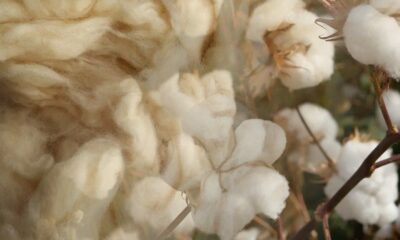
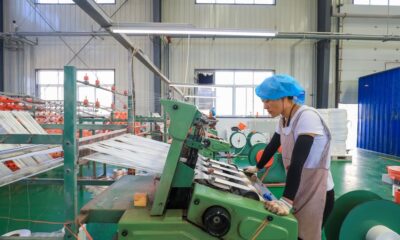









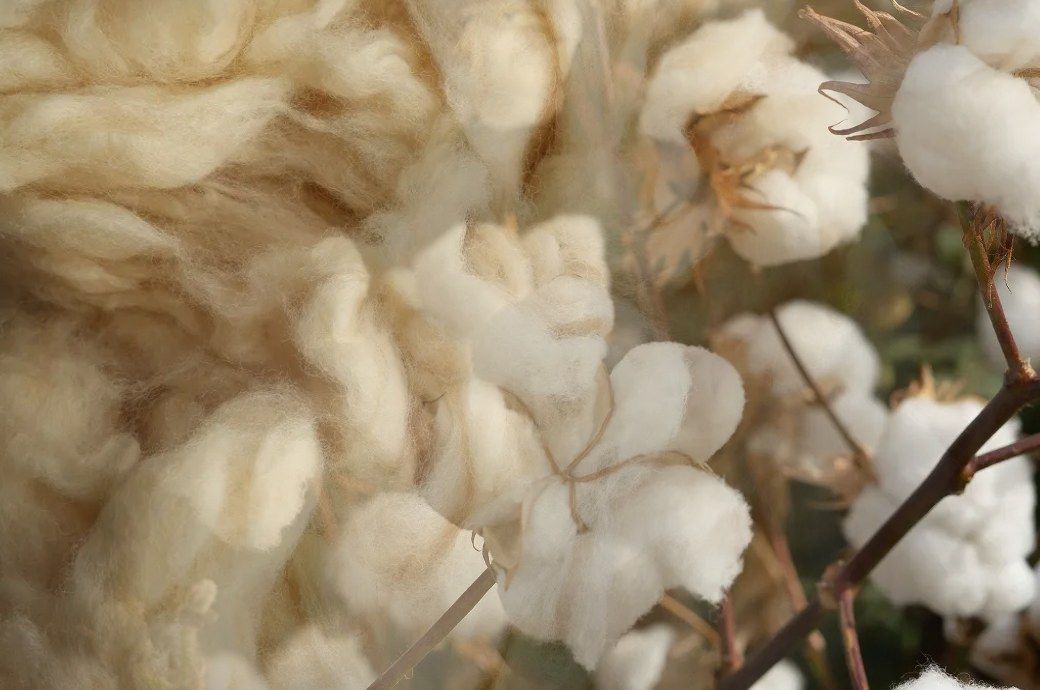
The move comes as the US textile industry continues to face structural challenges stemming from trade agreements and tariff imbalances over the past two decades. These factors have contributed to a broader decline in domestic manufacturing, including textiles, the USDA said in a press release.
USDA has announced 2026 payments under the Pima Cotton and Wool Trust Funds to support domestic textile manufacturers.
The schemes aim to offset tariff inversion impacts and boost competitiveness.
Backed by the 2014 Farm Bill, the programmes provide financial relief to cotton and wool producers, encouraging domestic production and industry revival.
A key concern highlighted is tariff inversion, where duties on imported fabrics exceed those on finished apparel, incentivising offshore production. The trust fund payments are designed to offset this imbalance by providing financial support equivalent to the benefits manufacturers would receive under more favourable tariff conditions.
“US textile companies produce world-renowned quality products and employ a highly skilled workforce,” said Stephen A Vaden, deputy secretary of Agriculture. “These payments strengthen our domestic manufacturers and ensure a fair playing field for American textiles, helping rebuild this important industry. More American companies should take advantage of this program and manufacture more of the clothing we all wear here in the USA.”
The Pima Cotton Trust, established under section 12314 of the 2014 Farm Bill, is funded through 2031 with $16 million annually from the Commodity Credit Corporation (CCC). It aims to mitigate economic injury caused by higher tariffs on cotton fabric compared with certain cotton apparel imports.
Under the programme, 25 per cent of funds are allocated to associations promoting Pima cotton, another 25 per cent to US yarn spinners producing ring-spun cotton yarn, and the remaining 50 per cent to domestic manufacturers that cut and sew cotton shirts using imported fabric.
Similarly, the Wool Trust, created under Section 12315 of the 2014 Farm Bill, is funded through 2031 with up to $30 million annually. It supports manufacturers affected by tariff disparities in wool products.
The Wool Trust provides payments to worsted wool fabric producers, enables monetisation of tariff-rate quotas, offers duty compensation for wool inputs, and refunds duties on selected wool imports.
Applications for the Pima Cotton Trust close on March 15 each year, while the deadline for the Wool Trust is March 1. Payments are mandated to be made by April 15.
Fibre2Fashion News Desk (SG)
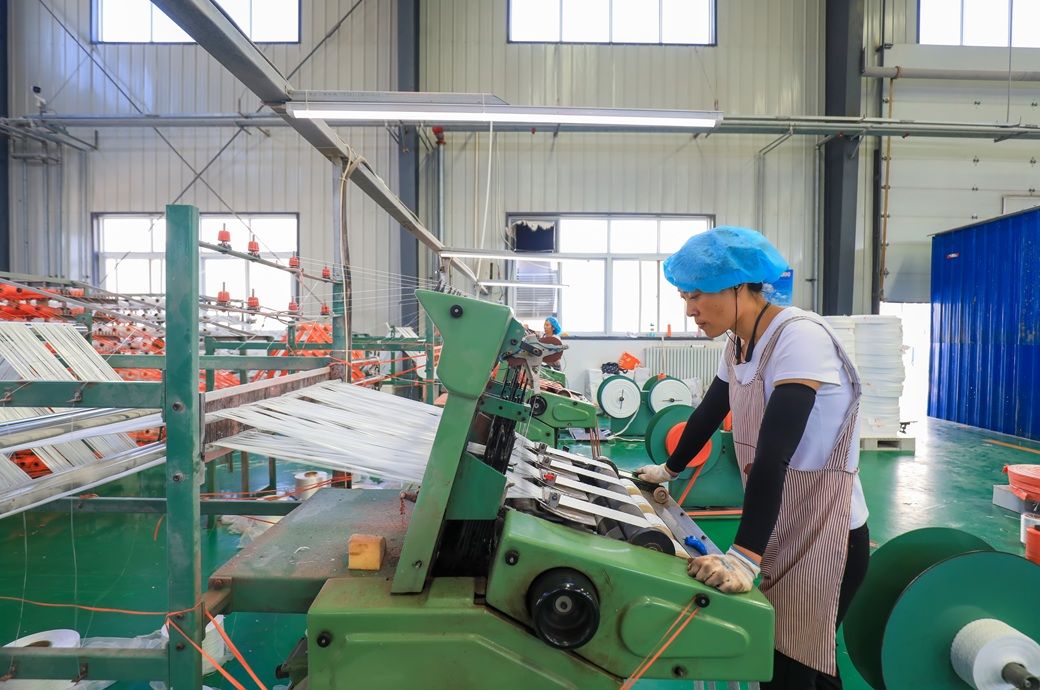
The growth rate was 1.1 per cent points higher than that recorded in the fourth quarter of 2025, indicating improved momentum in industrial activity. On a month-on-month (MoM) basis, industrial output increased by 0.28 per cent in March.
China’s industrial output grew 6.1 per cent year on year (YoY) in Q1 2026, accelerating from the previous quarter.
Growth was driven by manufacturing and mining, while utilities posted moderate gains.
On a monthly basis, output rose 0.28 per cent in March, signalling stable industrial momentum.
The data reflects resilience in large-scale enterprises, supported by improving demand conditions.
Industrial output, a key economic indicator, measures the activity of large enterprises with an annual main business turnover of at least ¥20 million (~$2.91 million).
Sector-wise, the mining industry’s value-added output increased by 6 per cent year on year (YoY) during the quarter, while the manufacturing sector registered a stronger growth of 6.4 per cent. Meanwhile, the production and supply of electricity, heat, gas, and water rose by 4.3 per cent, said Chinese media reports.
Fibre2Fashion News Desk (JP)
Italy’s apparel exports declined **.** per cent year on year to $*,***.** million in January ****, down from $*,***.** million in January ****. Imports also fell **.** per cent to $***.** million, compared to $*,***.** million a year earlier, indicating a broad-based slowdown in trade flows at the start of the year, according to *fashion.com/market-intelligence/texpro-textile-and-apparel/” target=”_blank”>sourcing intelligence tool TexPro.
The January contraction comes amid a broader environment of cautious retail demand and tighter inventory management across Europe. Nevertheless, the strong full-year **** figures indicate that Italy’s apparel sector continues to maintain stable trade fundamentals, supported by diversified export markets and a balanced sourcing network.


Indonesia helicopter crash kills 8

USDA releases payments under 2026 Pima Cotton and Wool Trust Funds

Wings stifle questions about Azzi Fudd-Paige Bueckers relationship

-

 Entertainment1 week ago
Queen Elizabeth II emotional message for Archie, Lilibet sparks speculation
-

 Tech1 week ago
Azure customers up in arms over ‘full’ UK South region | Computer Weekly
-

 Tech1 week ago
As the Strait of Hormuz Reopens, Global Shipping Will Take Months to Recover
-

 Fashion1 week ago
CII submits 20-pt agenda to Indian govt to back firms hit by Iran war
-

 Tech1 week ago
This AI Button Wearable From Ex-Apple Engineers Looks Like an iPod Shuffle
-

 Politics7 days ago
Indian airlines hit hardest after Dubai limits foreign flights until May 31
-
Uncategorized1 week ago
[CinePlex360] Please moderate: “Trump considers
-

 Entertainment4 days ago
Palace left in shock as Prince William cancels grand ceremony