

Tech
Steal from Sheep: Merino Wool Clothes Keep You Warm, Wherever

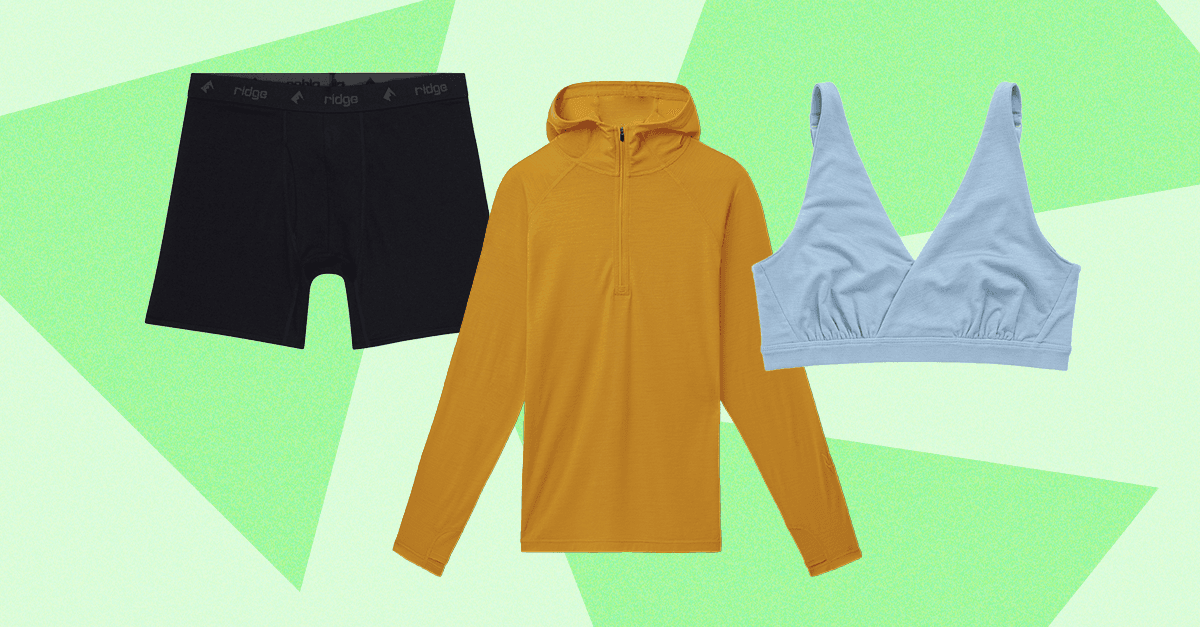
Merino wool is a super fiber. The best merino wool clothing somehow manages to be comfortable in 95-degree heat, and merino base layers keep you warm well below freezing. Unlike synthetic fibers derived from petroleum, merino wool is natural and renewable.
Merino wool’s versatility means there’s a bewildering array of blends and options to choose from. Here are our favorite merino wool products that we’ve tested by wearing and washing (usually in cold water, and hung to dry, although we do machine dry them just to see what happens) over the course of months and even years in some cases. Once you’re done here, don’t forget to check out the rest of our apparel guides, like the Best Merino Wool T-Shirts, Best Base Layers, Best Puffer Jackets, Best Hoodies, and Best Hiking Boots.
Updated April 2026: We’ve changed out top pick boxers to Wool & Prince, added more hoodies, and the Ibex women’s Goat short sleeve. We also updated prices and links throughout.
Table of Contents
Why Is Merino Wool So Great?
Merino wool is great because you’re stealing a sheep’s ability to keep itself warm or cool based on the temperatures it’s in, a process often referred to as thermoregulation. If you’ve only ever worn the sort of itchy wool sweaters your proverbial grandmother supposedly made, you might wonder what all the fuss is. The answer is that Merino sheep have thinner, softer wool, which has evolved to keep them comfortable across a wide range of temperatures and is comfortable to wear next to your skin. Wool is sustainable, too.
One sheep can produce 4 to 5 pounds of wool per year. That’s because the sheep that make merino wool drink only the purest alpine waters and study the art of comfort under the tutelage of those stuck-up Pashmina goats, who, let’s face it, might know a thing or two about wonderfully pillowy softness. Just kidding. Merino sheep do have that softer wool though, and merino wool is a remarkable fabric that’s become the cornerstone of my wardrobe.
Merino wool comes in different weights, which you will frequently see listed as “200 gsm” or something similar. (The “gsm” refers to grams per square meter, sometimes listed as g/m.) What’s important is the scale and where your garment falls on it. At the low end, you have T-shirts and underwear, which are typically 150 gsm, though we have seen some as low as 120 gsm. Generally, anything below 200 gsm will be a good base layer or T-shirt. From 200 to 300 gsm are your mid-layers, and anything above 300 is a heavier garment.
If you’re more familiar with synthetic ratings like those often used on fleece, know that, in my experience, about 120–160 gsm wool corresponds to 100-weight fleece, 160–200 gsm wool roughly matches 200-weight fleece and 200+ wool is like 300-weight fleece. In every instance, the wool is warmer because it’s better at trapping heat, especially in the wind. (That said, there are reasons to go with fleece at times, like how incredibly lightweight it can be.)
Nuyarn is a merino wool/synthetic hybrid weave, wherein merino wool is wrapped around a nylon core for warmth, lightness, and extra durability. The idea is to get the temperature regulation benefits of merino, but to add some of the longevity of nylon. In my experience, Nuyarn mostly works. It’s our top pick for base layers, though I find it less necessary in more casual garments, where I prefer 100 percent wool.
How to Care for Merino Wool
Most merino products will have care instructions. Most likely it will be to wash cold and lay flat to dry. The latter is important, as hanging wool to dry will stretch it out (because of the water weight). While most merino labels say the garment can be machine washed, my experience has been that hand-washing merino will extend its life. This is particularly true of very lightweight (150 gsm) merino base layers and T-shirts. The exception is Minus33’s Microweight Raglan short sleeve T-shirt, which is machine-washable and dryer-friendly. Having done both to mine for over a year, I can vouch that it does indeed hold up.
I’ve never had a problem storing merino in my closet between wears, but for long-term storage, I recommend you take precautions against moths, which are notorious for eating holes in wool. I have lost merino garments to moths.
If you don’t want to smell like mothballs, there are better solutions. I make sure to wash and thoroughly dry whatever I am storing, then I seal it in a compression bag, like this. Another option is to put your merino garment in a cotton bag or otherwise wrap it in cotton and then put it in a plastic bin. It’s very important to make sure that the garment is completely dry before using any of these storage methods, otherwise your wool will smell musty and moldy. Other options include storing your garment in a cedar chest, which is a good natural deterrent for moths, or use moth traps or lavender sachets, which will repel the moths.
100 Percent Merino vs. Blends
Should you buy 100 percent merino or should you go for a blend? The answer is … it depends. On the garment in question, the use case, and your preferences. Probably the best way to find out is to try several and see what you like. One advantage to blends is that they’re stretchy, which makes them better for active pursuits like hiking, rock climbing, and the like. I like 100 percent merino for heavier mid-layers like hoodies or jackets, but I prefer blends for lighter layers. My experience has been that the closer I get to my skin, the more blend I want, with Nuyarn being my top pick for base layers.
There are also some alpaca blends out there that are also wonderfully soft (I love everything I’ve tried from Paka and Arms of Andes). If you’re one of the rare people who do find merino itchy, you might be allergic to lanolin, which is the skin oil produced by sheep. Alpacas don’t make lanolin, and the fibers are thinner and finer than merino. That makes alpaca warmer and softer, but it’s also more expensive.
Merino vs. Synthetic Fibers
Which is better? The answer again is … it depends (sorry). But usually merino. By synthetics, I generally mean polyester, nylon, polypropylene, rayon, or blends of these and other fabrics—everything but cotton, wool, and linen.
Synthetics generally win for wicking away sweat, which means they tend to feel drier. They also tend to dry faster, so when it comes to things like socks and underwear, even most “merino” options are often more than 50 percent synthetic. Synthetics are just better at handling moisture. How much this matters depends on a host of personal factors. For example, I feel weird and almost clammy in anything synthetic, so I don’t really care how much moisture it wicks away.
The downside to that moisture wicking is that synthetics retain odor. There are some chemical treatments that can help, but I’ve never tried anything synthetic that was as odor-resistant as merino wool.
Another difference is breathability. Synthetics are passable in this department, but it’s where merino really excels. If you’re hot and are hiking up an exposed slope toward an open pass and then dropping down into the cool of a forest, merino is your friend, because the breathability means less sweat to cool you when you get out of the sun. Again, how much this matters depends on your body.
The final factor worth thinking about is durability. In some cases, synthetics will last longer than pure merino, particularly in scenarios where abrasion is a major source of wear. To my mind, this is just another reason to choose a merino blend rather than going all the way to synthetics, but it’s something to think about if you do a lot of off-trail hiking or rock climbing—any activity where your clothes are going to take a beating.
Base Layers
To really see how remarkable merino wool is, start at the bottom, with the clothes next to your skin. Merino really shines as a base layer. It’s warmer for the weight, wicks moisture well, and unlike synthetic fabrics, merino stays stink-free for days of wear. Be sure to read our layering guide for more on how to put it all together and stay comfortable in any weather. We also have a separate guide to the best base layers if you want know all your options, but here are our top merino picks from that guide.
Best Lightweight Base Layer
The Ibex Woolies Pro Tech base layer crew is the best lightweight merino base layer we’ve tested. If you want a hard-wearing shirt, this it it. Woolies are Nuyarn (see above), which is 85 percent merino wool and 15 percent nylon—the merino wool is wrapped around a nylon core, which increases the warmth while being lighter (5 oz for the men’s large) and more durable. This is my top pick for all things technical. It’s what I bring hiking, backpacking, and it’s reviews editor Adrienne So’s pick for running, climbing and other high-aerobic activities when it’s cold. I also love the Woolies Pro Tech Bottoms ($115), which are what I bring backpacking in all but the warmest of weather. There’s also a quarter zip version of the shirt if you prefer.
Aside from comfort and warmth, a bit part of the reason we recommend Woolies is that they last. Ibex is what passes for a heritage company in this space; the company was founded in 1997 and has been cranking out merino garment for a long time. Adrienne’s parents bought her two sets of Ibex base layers in 2001 that she still wears today, in the year of our Lord 2025. Properly cared for, Woolies will keep you comfortable warm for years to come.
Best Heavyweight Base Layer

SmartWool
Merino Classic Long-Sleeve
When I want something a bit warmer than the lightweight Woolies above, I reach for Smartwool’s Classic long sleeve base layer. These may be the most popular merino shirts around, and for good reason: They’re very comfortable, tending to the looser side, feature heavy duty seams that don’t rub, and sit off the shoulder for more comfort when wearing a pack. At 87 percent merino wool (blended with nylon), these are also very durable while remaining lightweight (10.3 oz for a men’s large). This Smartwool shirt, along with the matching pants ($125), are great for chilly winter days.
-SOURCE-Unbound.jpg)
Courtesy of Unbound Merino
Unbound Merino
Long-Sleeve Merino Crew
The picks above all have what my wife calls “that sporty look,” which the industry refers to as “technical.” This 100 percent merino shirt from Unbound is the opposite: it just looks like a long sleeve shirt. It’s incredibly soft and while it does pill a bit if you run it through the dryer (don’t), it’s proved itself plenty durable—I’ve been wearing it constantly for over a year now and it still looks like it did when I got it. It’s the long-sleeve, base layer twin to our favorite T-shirt (see below). It’s on the thin side for a base layer, which makes it perfect for those cool weather mornings in the shoulder seasons. It’s versatile too; it can be used as a base layer, but it also works as a T-shirt when it’s not too chilly. Fit runs true to size, and if the one you want is sold out, be patient; Unbound frequently updates its stock.
There are so many! Here’s a few more to consider, but really, go read the base layer guide.

Turtle Fur
Merino Pipe Dream Neck Gaiter
Don’t forget your neck. I live in this Turtle Fur gaiter during the winter and I also use the lighter, superfine version for hiking at elevation in the summer to keep the sun off my neck without resorting to sunscreen. It’s wonderfully soft, not overly tight, and never smells.
Merino Mid Layers
Fleece has its place, but I rarely wear it these days. I prefer merino for my mid layers. It’s better at helping your body regulate its temperature. The one place fleece still wins for me is backpacking. It’s almost always lighter for comparable warmth, at least in mid layers.
-Offwhite-Background-SOURCE-Ibex.jpg)
Like the Northern Lights or the McRib, the thickest Ibex wool hoodie appears irregularly and with some fanfare. The Mammoth Hoodie is indeed a big, furry beast of a garment—it’s basically the weight of the classic American Giant hoodie but made of 85 percent wool cut with 15 percent nylon for added warmth and stretch. Ibex says it’s the warmest hoodie they’ve ever made, and in my week of testing, I’ve used it in place of a jacket in mid-30s temps. It has an athletic cut with zippered pockets and thumb holes. I do wear a stocking hat with it in the cold because the scuba hood is meant to fit under a helmet which means it’s too small to provide enough warmth for my large shaved head on its own. —Martin Cizmar












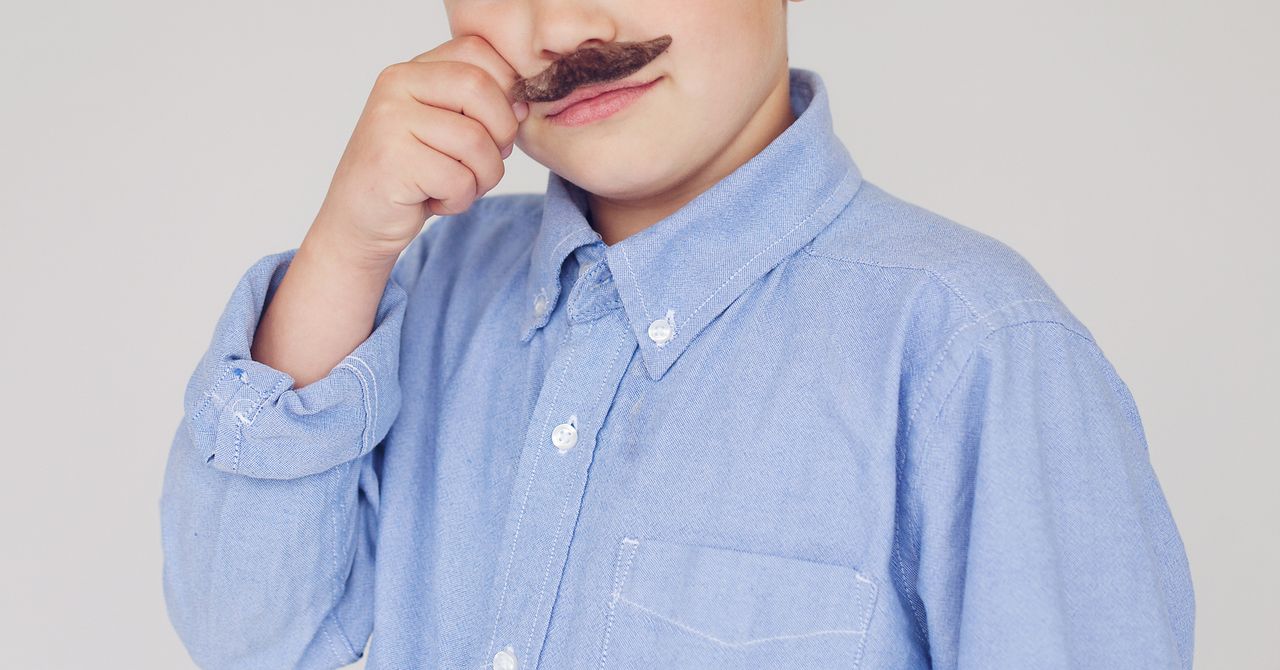
Meta is beefing up its age-verification mechanisms with an AI system that analyzes images and videos on Instagram and Facebook for “visual cues,” such as height and bone structure, to identify and delete accounts of users under the age of 13. The company announced the move amid a wave of cases in which hundreds of children have managed to evade social network access restrictions, even through simple tricks such as drawing on a mustache.
The new approach is part of a series of measures Meta adopted as part of an AI-based security strategy designed to correct the limitations of traditional methods, which rely heavily on self-reported age. With this change, the company seeks to reduce the ease with which minors access platforms that, in theory, are restricted to them.
In a press release, Meta explained that it is implementing several tools to identify contextual indicators that allow estimating a person’s age. This process includes the analysis of posts, comments, bios, and descriptions, with special attention to references related to school years or birthday celebrations—elements that can offer clues about the real age of the person who manages the account.
These tools are in addition to automated analysis techniques aimed at detecting physical traits from imagery shared to Meta’s social platforms. These include characteristics such as height and bone structure. Meta is careful to stipulate that this system is not face recognition, as it does not seek to identify specific individuals in images or videos. Instead, the company notes that, “by combining these visual insights with our analysis of text and interactions, we can significantly increase the number of underage accounts we identify and remove.”
If, based on these elements, Meta suspects that an account is managed by a child under 13, it will be suspended. The user will have to revalidate their age using the procedures established by the company to regain access; otherwise, the profile will be permanently deleted.
Meta also announced that it will expand the scope of its technology to detect users between the ages of 13 and 15 and automatically assign them teen accounts. This type of profile incorporates content restrictions and parental controls enabled by default, with the aim of providing a safer environment for this age group.
Meta began implementing age-verification tech in 2024 for Instagram users in the United States, Australia, Canada, and the United Kingdom. Now, the mechanism will be extended to Instagram accounts in Brazil and 27 European Union countries. In addition, these practices will be applied for the first time to Facebook users in the US, with plans to expand to the EU and UK next month.
Looking All Grown-Up
The new measures have been interpreted as a response to a preliminary ruling recently issued by the European Commission, which concluded that the company led by Mark Zuckerberg is in breach of the Digital Services Act for allegedly failing to effectively prevent children under 13 from using its platforms. The EU body found that the company lacks sufficiently effective mechanisms to block such access and that its current systems for identifying and suspending accounts below the age threshold are insufficient.
These criticisms are supported by the results of a survey conducted by the nonprofit Internet Matters. After surveying nearly 1,300 children and their parents in the UK, the study revealed that approximately one-third of children have successfully evaded government-imposed restrictions on access to social networking sites. In some cases, the methods employed are particularly striking.
The report, titled “The Online Safety Act: Are Children Safe Online?” showed that 46 percent of 9- to 16-year-olds believe that circumventing age controls is very easy. In total, however, only 32 percent admitted to breaking the rules.

President Donald Trump’s negotiators face the arduous task of trying to convince the president that a deal he previously rejected is their best option in Iran.
Last month, Trump initially gave his blessing for a so-called “cash for uranium” deal, under which the US would release around $20 billion in frozen funds in exchange for Iran handing over its stockpile of highly enriched uranium, sources familiar with the matter tell WIRED.
Trump’s negotiators, vice president JD Vance, special envoy Steve Witkoff and Jared Kushner, Trump’s son in law, received repeated approvals from the president while they were in Islamabad, giving them confidence a deal was close.
But the deal unraveled, in part because Trump was warned by his team that there was a risk he could be seen as giving Iran “pallets of cash”—an echo of his own oft-stated criticism of Barack Obama’s Iran deal—and he pulled the plug, the sources said.
Except now, that’s once again the cornerstone of the current proposal.
The current negotiations for a memorandum of understanding that could guide talks on a nuclear deal center on Iran handing over its stockpile of highly enriched uranium, and a moratorium on further uranium enrichment for somewhere around 12 to 15 years, Axios earlier reported.
In exchange, the US would offer a combination of billions in sanctions relief and the gradual release of frozen funds after gaining control of the enriched uranium, in order to destroy it or blend it down so it cannot be used for a nuclear weapon.
While a memorandum of understanding might get Iran to the table, that framework is not materially different from what was discussed previously in Islamabad and rejected by Trump, who has repeatedly told advisers in recent weeks he is against sending money to Iran, sources tell WIRED.
Some of Trump’s advisers say the decision of whether Trump ultimately blesses the framework is likely to come down to how badly he wants a deal. There are few options to incentivize Iran, they add, and financial aid has been the most compelling.
“They are going to have to do something like that, and it’s better than the Obama deal, so he should take it,” one Trump adviser said on the condition of anonymity, referring to the Joint Comprehensive Plan of Action. Trump has long criticized that deal for having provisions similar to ones currently under discussion, like a sunset clause on nuclear enrichment and the US lifting some sanctions.
For all the machinations in the West Wing, it has not gone unnoticed by Trump’s orbit that some of his top players have been conspicuous in their absence on Iran, according to two administration officials familiar with the matter.
Marco Rubio, the secretary of state and national security adviser, has been part of the group advising Trump on Iran and, physically speaking, spends most of his time in his West Wing office overlooking West Executive Avenue instead of at the State Department.
Rubio was happy to brief reporters on Tuesday, but he only did so at the request of the White House, a person familiar with the matter said, with his advisers wary of him getting involved in Iran negotiations that could as easily unravel as succeed.
In fact, given the downside risk, Rubioworld has been saying they were surprised that Vance asked to be a part of the Iran talks—a contention denied by people close to the vice president, who said he was ordered to by Trump.
Rubio instead has been more focused on Cuba, and on Venezuela, where assistant secretary of state Caleb Orr has been involved in overseeing new private equity investment to rebuild the country’s oil infrastructure.
Mexico City is one of the fastest sinking cities in the world. Now, a powerful satellite from the US National Aeronautics and Space Administration (NASA) confirms the accelerated advance of this silent threat that puts nearly 20 million people at risk.
The satellite designed by NASA and the Indian Space Research Organization (ISRO), known as NISAR (NASA-ISRO Synthetic Aperture Radar), was able to capture with unprecedented precision the magnitude and evolution of this phenomenon in different areas of the Mexican capital. The analysis is based on preliminary measurements taken from space between October 2025 and January of this year, during the dry season in Mexico City.
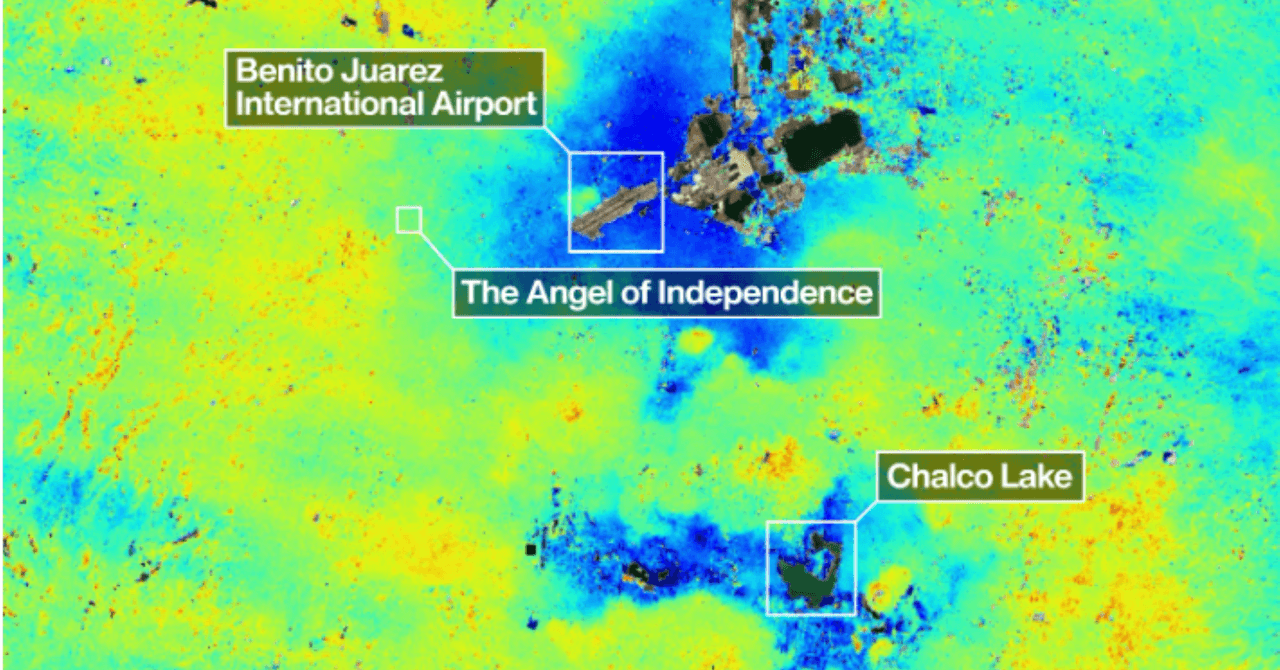
Their findings were captured in a map that shows how the subsurface of the metropolis is shifting. In the map, NASA identified areas with subsidence greater than 2 centimeters per month (marked in dark blue). The agency specifies that the areas marked in yellow and red could correspond to background signals (or noise) that are expected to diminish as the satellite instrument collects more data.
The image also highlights the location of Benito Juarez International Airport, located near Lake Nabor Carrillo, which operates in the middle of an area with accelerated subsidence. “Images like this confirm that the NISAR measurements are in line with expectations,” said Craig Ferguson, deputy director of the project.
Mexico City sits atop the clay and lake bed of ancient Lake Texcoco. NASA explains that this process is a consequence of intense groundwater pumping and the increasing weight associated with urban development. Both factors have caused the compaction of the ancient lake soil for more than a century.
The phenomenon was first documented in 1925 by engineer Roberto Gayol. Between the 1900s and 2000s, some areas experienced a drop of nearly 35 centimeters per year, causing damage to infrastructure such as the Metro, one of the largest mass transit systems in the Americas.
A study conducted in 2024 by Dario Solano-Rojas, a remote-sensing specialist at the National Autonomous University of Mexico, found that subsidence is not uniform. After analyzing changes in the city’s elevation between 2011 and 2020, the researcher and his team concluded that subsidence rates are highly variable: While some areas register up to 50 centimeters per year, in others the phenomenon is almost imperceptible.
This creates “differential subsidence,” where the ground sinks unevenly not only across square kilometers or city blocks, but even on a meter scale. When a street, railway, or building sinks differently at one end compared to the other, its stability is compromised.


Dave Chappelle clarifies his intentions with Trans jokes

Warner Bros. Discovery books $2.9 billion net loss tied to Paramount deal, restructuring costs

Jane Fonda breaks silence after ex-husband Ted Turner’s death

-

 Sports1 week ago
Pro wrestling star Steph De Lander reveals how colleague’s advice helped lead her to title triumph at ACW
-
 Business7 days ago
PSX plunges over 4,800 points | The Express Tribune
-

 Tech1 week ago
This Ambitious Laptop Doesn’t Leave Much Room for Your Hands
-

 Tech6 days ago
Almost half of UK businesses hit by cyber attacks | Computer Weekly
-
 Business1 week ago
BP profits more than double as oil trading booms amid Iran war
-
Uncategorized1 week ago
[CinePlex360] Some plugins have failed to updat
-

 Fashion6 days ago
Canada’s Lululemon appoints Esi Eggleston Bracey to board of directors
-

 Sports1 week ago
Match officials announced for HBL PSL 11 qualifier – SUCH TV