

Business
Stocks tumble but recover from steep losses amid fuel price shock | The Express Tribune

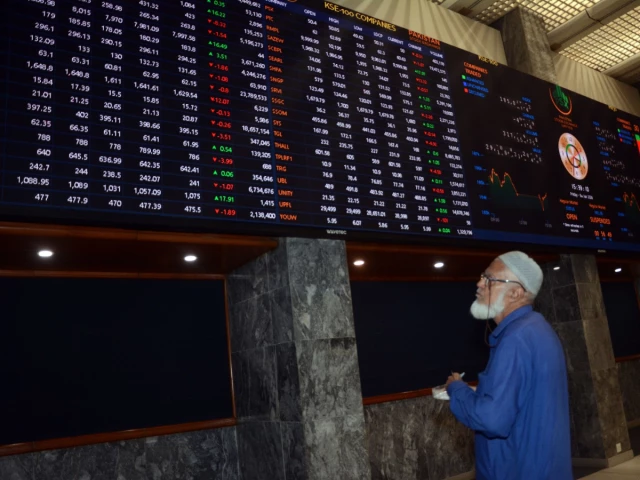
Overall market participation was strong, as 1,066 million shares were traded with a total value of Rs. 49 billion. KEL led the volume chart, with 195.8 million shares..Photo: Express
Stocks closed lower at the Pakistan Stock Exchange (PSX) on Friday after a highly volatile session triggered by a sharp increase in fuel prices, though a strong intraday recovery highlighted underlying market resilience.
The benchmark KSE-100 index settled at 150,398 points, down 1,612 points or 1.06% day-on-day. The market opened with a steep gap-down of nearly 3,000 points, reflecting panic selling after the government raised petrol and diesel prices in line with IMF commitments. However, buying interest later in the session helped trim losses significantly, according to KTrade.
Trading activity remained robust, with total volumes clocking in at 270 million shares. Key contributors to turnover included Cnergy, K-Electric (KEL), and Bank of Punjab (BOP), indicating active participation despite heightened uncertainty.
Investor sentiment remained under pressure following the government’s decision to withdraw fuel subsidies, a move widely seen as inflationary. Analysts noted that while the development sparked an initial sell-off, much of the anticipated impact — including the likelihood of higher interest rates — appeared to be already priced in.
Sector-wise, oil and gas as well as refinery stocks provided crucial support, helping the index rebound from its intraday lows. Major positive contributions came from Meezan Bank (MEBL), Engro Fertilizers (EFERT), Pakistan Oilfields (POL), Bank AL Habib (BAHL), Bank Alfalah (BAFL), and Pakistan State Oil (PSO).
On the downside, heavyweight stocks including United Bank (UBL), Engro Holdings (ENGROH), Fauji Fertilizer Company (FFC), Systems Limited (SYS), Lucky Cement (LUCK), and Mari Petroleum (MARI) exerted pressure, keeping the index in negative territory.
Broadly, sectors such as commercial banks, cement, fertilizers, technology, and investment banks closed in the red, while refineries emerged as the top-performing segment.
Market participants remain cautious amid ongoing geopolitical tensions, particularly developments surrounding US-Iran relations, which have pushed global oil prices higher. With Brent crude hovering near $110 per barrel, investors are closely watching for any signs of escalation or a potential ceasefire.
Analysts expect market direction in the coming sessions to remain sensitive to external developments. In the current environment, investors are advised to adopt a cautious approach, focusing on fundamentally strong, dividend-yielding stocks while limiting exposure to high-beta plays.
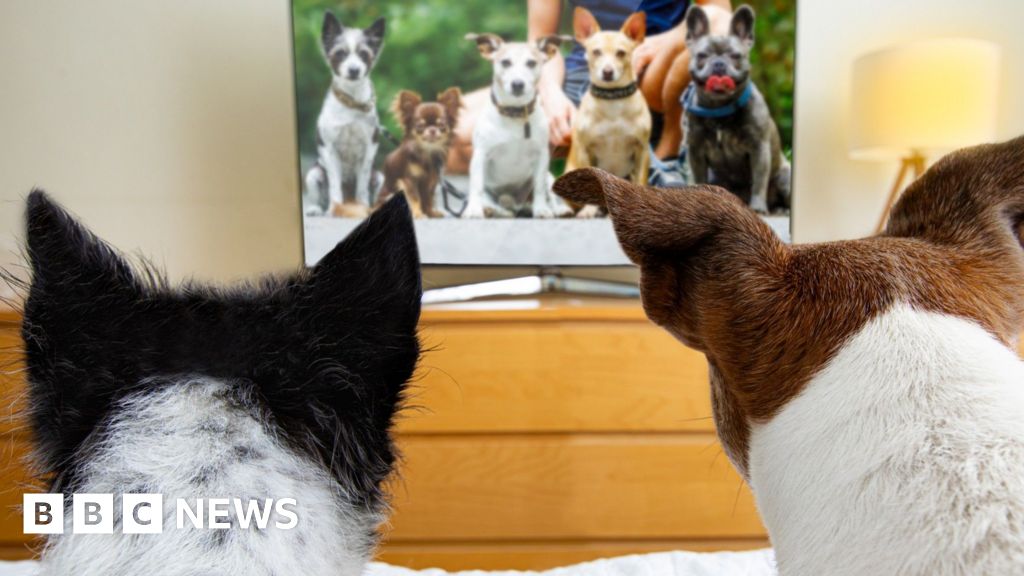
TV channels for dogs are multiplying but research is mixed on whether dogs are watching.
Source link
MUMBAI: Some friction, long viewed as a flaw in digital payments, is now being seen as a feature. An RBI discussion paper proposes to introduce a short delay, or “lag”, for high-value transfers above Rs 10,000. This gives customers time to rethink a transaction and cancel it if they suspect fraud. Customers may also be allowed to whitelist trusted payees so that genuine payments are not delayed.Another proposal is to provide stronger protection to vulnerable users such as senior citizens by requiring an additional confirmation from a “trusted person” for large transactions above Rs 50,000. The paper also suggests a “kill switch” to instantly block all digital transactions in case of suspected fraud.Banks are expected to identify suspicious transactions in real time and seek reconfirmation from customers before processing them. They will need to build systems to implement delays, allow cancellations, and generate risk alerts. Banks are also expected to tighten due diligence by linking the level of activity in an account to the customer’s profile. For instance, accounts with low verified income may face limits on how much money they can receive unless additional checks are completed. A key finding is that most frauds now are the result of human vulnerability. The growth of digital payments has amplified this risk.
The project was part of a package of tech investment promising the UK could become an AI superpower.
Source link


OpenAI Backs Bill That Would Limit Liability for AI-Enabled Mass Deaths or Financial Disasters

Rory’s defense, disappointing first rounds and looking ahead to the rest of the Masters
TV for dogs booms but are they watching?

-
 Business1 week ago
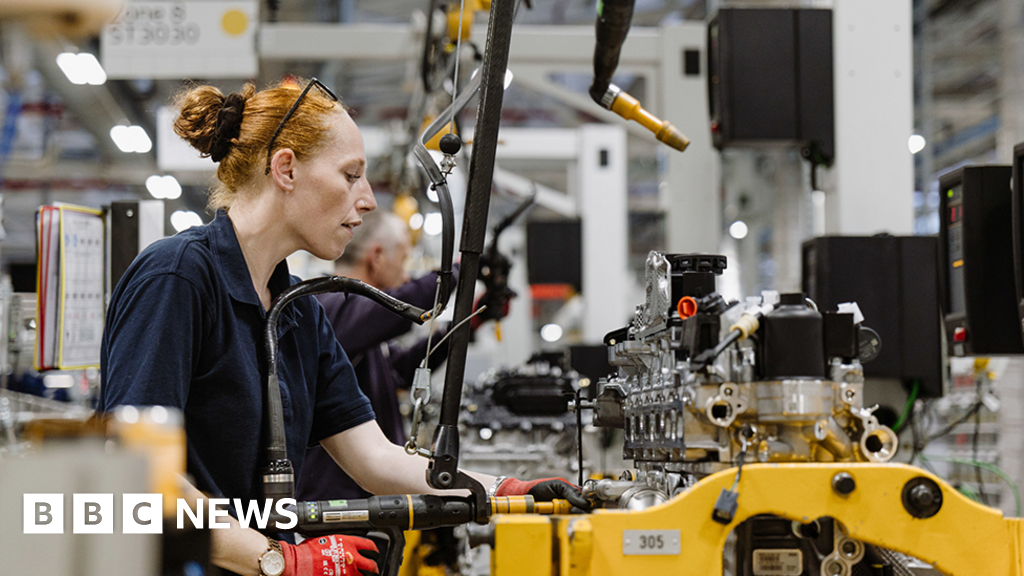
Jaguar Land Rover sees sales recover after cyber attack
-
Uncategorized1 week ago
[CinePlex360] Please moderate: “Trump signals p
-

 Entertainment6 days ago
Joe Jonas shares candid glimpse into parenthood with Sophie Turner
-

 Tech6 days ago
Our Favorite iPad Is $50 Off
-

 Sports6 days ago
UConn Final Four run could trigger a $50M furniture giveaway for Massachusetts-based Jordan’s Furniture
-

 Fashion1 week ago
China’s Anta Sports posts record $11.62 bn revenue in 2025
-

 Entertainment6 days ago
Blake Lively reacts to harassment claims dismissal against Justin Baldoni
-

 Politics6 days ago
Iran can sustain Strait of Hormuz closure for years, will cut US military logistics: Official