

Fashion
Structural issues from higher military RMG localisation: S Korean SMEs

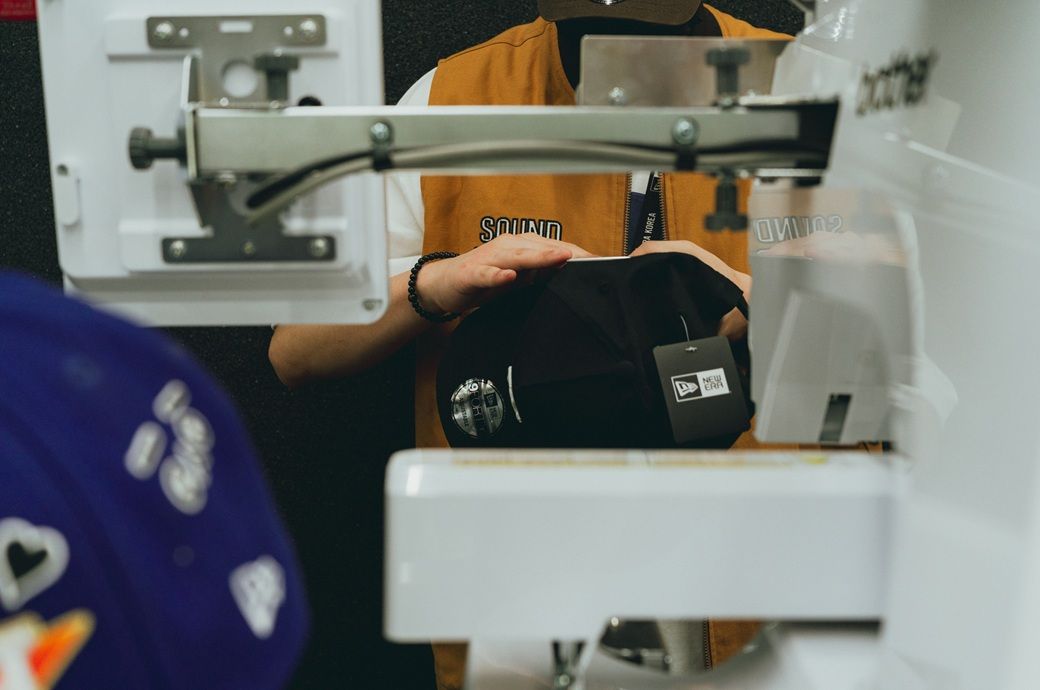
The concerns were conveyed at the first meeting of the textile industry committee of the Korea Federation of SMEs (KBIZ) that discussed supply chain crisis responses and measures to expand the use of domestic fabrics.
South Korean textile sector SMEs are concerned that the increased localisation of military apparel is leading to structural issues like cost burdens and procurement risks, which are disproportionately hitting small sewing firms.
The textile industry committee of the Korea Federation of SMEs has sought adjustment official estimate prices and establishment of a risk-sharing structure for fabric procurement.
The committee will recommend to relevant ministries the need to adjust the official estimate prices and to establish a risk-sharing structure for fabric procurement.
While the country’s textile industry is showing a long-term declining trend in overall production and exports, logistics disruptions from the Middle East conflict, tightening environmental regulations and the European Union’s introduction of the digital product passport (DPP) are putting further pressure on the industry, committee chairman Kim Kwon-ki told the meeting.
An expert said the country’s textile industry must leverage its strength of maintaining a full-stream production structure from yarn to finished products, and discover new growth engines through structural transformation centered around high-value-added industrial and functional materials, a domestic media outlet reported.
Fibre2Fashion News Desk (DS)










UK-based businesses have been left permanently bruised by the COVID-19 pandemic, Brexit, wars in Ukraine and the Middle East, supply chain chaos and US tariffs.
The British Chambers of Commerce (BCC) recently urged the government to prioritise the UK’s economic security after 10 years of geopolitical shocks have repeatedly damaged growth.
BCC’s new report, ‘Delivering Growth: Resilient Global Supply Chains’, sets out urgent steps needed to secure vital manufacturing inputs and stop British competitiveness declining in an increasingly unstable world.
BCC’s new report, titled ‘Delivering Growth: Resilient Global Supply Chains’, sets out urgent steps needed to secure vital manufacturing inputs and stop British competitiveness declining in an increasingly unstable world.
The report said that the Prime Minister must take cross-government responsibility for protecting the UK economy from external crises after years of neglect by successive governments.
Among the actions it is calling for are the creation of a ‘trade bazooka’ to allow the United Kingdom to deter economic coercion, by responding decisively to hostile trade actions; taking a robust approach to the European Union’s (EU) ‘Made in Europe’ agenda to guarantee the role of UK businesses in wider European supply chains; and making the UK’s national security a defining priority for the economy over the next decade and involving more British businesses in the defence sector.
The report argued that keeping the UK’s position as a major trading nation depends on secure access to key inputs such as energy, steel, semiconductors and growth minerals, a BCC release said.
Demand for some materials is set to rise massively over the next decade, and domestic production cannot meet future needs.
More than three-fourths of UK manufacturing exports begin with imports, underlining how exposed businesses are to disruption in global supply chains. The UK is also a highly trade-intensive economy, with imports and exports together accounting for over three-fifth of gross domestic product (GDP).
But demand pressures are rising rapidly. By 2035, UK requirements for critical minerals are forecast to increase sharply, driven by growth in electric vehicles, clean energy and advanced manufacturing.
BCC called for the creation of a new Economic Security Cabinet Committee chaired by the prime minister to coordinate policy making across government on issues from tariffs to critical imports.
Without these smarter tools, deeper international partnerships and clearer leadership from the centre, the United Kingdom risks falling behind competitors who are moving faster to protect their supply chains, added the report.
Fibre2Fashion News Desk (DS)
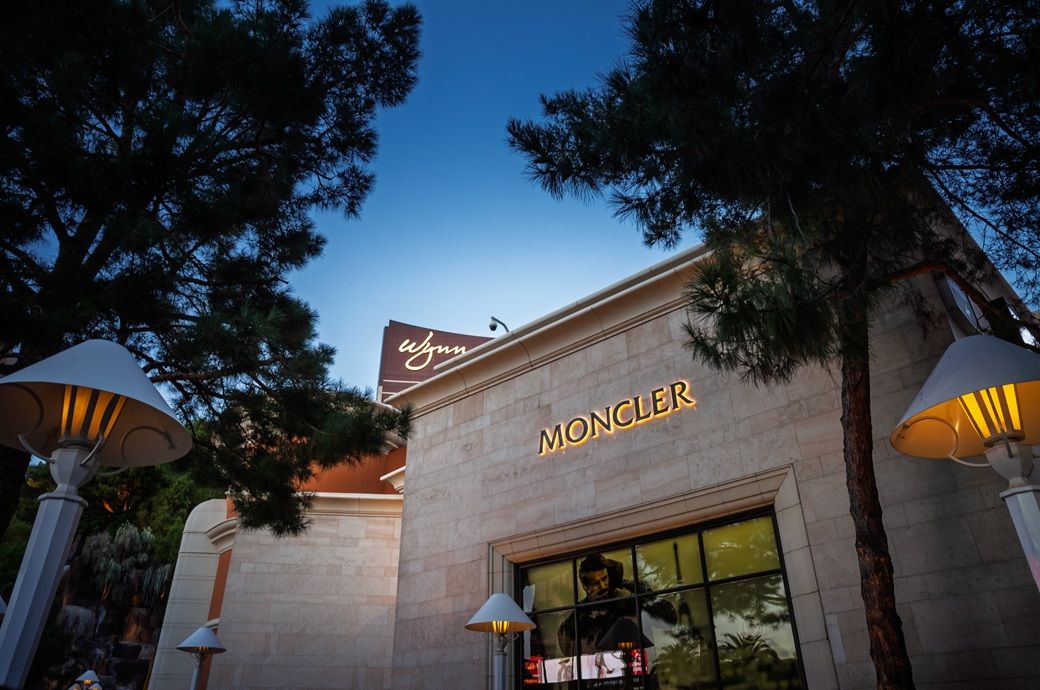
The group recorded consolidated revenues of €880.6 million (~$1.04 billion), up 12 per cent at constant exchange rates and 6 per cent at current rates compared to €829 million in Q1 2025.
Moncler Group has recorded revenues of €880.6 million (~$1.04 billion) in Q1 2026, up 12 per cent, driven by double-digit growth at Moncler and Stone Island.
Moncler rose 12 per cent, led by DTC growth, with strong Asia performance.
Stone Island grew 11 per cent, supported by DTC and wholesale gains.
The group highlighted resilient demand and continued strength in its retail-led model.
“Our continued collaboration with our communities around the world goes beyond strong revenue performance,” said Remo Ruffini, executive chairman of Moncler.
He added that in a global context shaped by conflicts and instability, both Moncler and Stone Island have shown strong energy and cultural relevance. “This does not happen by chance. It reflects a clear mindset: valuing what makes each brand unique, while constantly evolving and pushing boundaries across products and experiences,” said Ruffini.
Moncler sales post double-digit growth, led by strong DTC growth
Moncler brand revenues reached €766.5 million (~$904.47 million), increasing 12 per cent at constant exchange rates. The direct-to-consumer (DTC) channel led growth with a 14 per cent rise, while wholesale grew 3 per cent despite ongoing network rationalization, the group said in a press release.
Regionally, Asia recorded robust growth of 22 per cent, supported by strong trends in China and Korea. The Americas grew 7 per cent, while Europe, Middle East and Africa (EMEA) declined by 1 per cent due to subdued tourism and weaker online performance.
Stone Island posted revenues of €114.1 million (~$134.64 million), up 11 per cent at constant exchange rates. Its DTC channel rose 17 per cent, driven by positive organic growth across all regions, particularly Asia and the Americas. Wholesale revenues increased 4 per cent, supported by strong reception of the Spring/Summer 2026 collection.
Executive chairman stresses agility and brand integrity in next growth phase
“As we move into the next phase of our journey, with Leo Rongone now on board, our focus is very sharp: staying true to who we are, never standing still, and keeping our brands’ integrity firmly at the centre of every decision. In an increasingly complex external environment, we remain committed to staying agile and responsive, guided by our clear strategic vision,” added Ruffini.
The group’s performance reflects the strength of its retail-led model, with physical stores outperforming online channels. As of March 2026, Moncler operated 295 mono-brand stores, while Stone Island had 94 directly operated stores globally.
Fibre2Fashion News Desk (SG)
The group recorded consolidated revenues of €880.6 million (~$1.04 billion), up 12 per cent at constant exchange rates and 6 per cent at current rates compared to €829 million in Q1 2025.
Moncler Group has recorded revenues of €880.6 million (~$1.04 billion) in Q1 2026, up 12 per cent, driven by double-digit growth at Moncler and Stone Island.
Moncler rose 12 per cent, led by DTC growth, with strong Asia performance.
Stone Island grew 11 per cent, supported by DTC and wholesale gains.
The group highlighted resilient demand and continued strength in its retail-led model.
“Our continued collaboration with our communities around the world goes beyond strong revenue performance,” said Remo Ruffini, executive chairman of Moncler.
He added that in a global context shaped by conflicts and instability, both Moncler and Stone Island have shown strong energy and cultural relevance. “This does not happen by chance. It reflects a clear mindset: valuing what makes each brand unique, while constantly evolving and pushing boundaries across products and experiences,” said Ruffini.
Moncler sales post double-digit growth, led by strong DTC growth
Moncler brand revenues reached €766.5 million (~$904.47 million), increasing 12 per cent at constant exchange rates. The direct-to-consumer (DTC) channel led growth with a 14 per cent rise, while wholesale grew 3 per cent despite ongoing network rationalization, the group said in a press release.
Regionally, Asia recorded robust growth of 22 per cent, supported by strong trends in China and Korea. The Americas grew 7 per cent, while Europe, Middle East and Africa (EMEA) declined by 1 per cent due to subdued tourism and weaker online performance.
Stone Island posted revenues of €114.1 million (~$134.64 million), up 11 per cent at constant exchange rates. Its DTC channel rose 17 per cent, driven by positive organic growth across all regions, particularly Asia and the Americas. Wholesale revenues increased 4 per cent, supported by strong reception of the Spring/Summer 2026 collection.
Executive chairman stresses agility and brand integrity in next growth phase
“As we move into the next phase of our journey, with Leo Rongone now on board, our focus is very sharp: staying true to who we are, never standing still, and keeping our brands’ integrity firmly at the centre of every decision. In an increasingly complex external environment, we remain committed to staying agile and responsive, guided by our clear strategic vision,” added Ruffini.
The group’s performance reflects the strength of its retail-led model, with physical stores outperforming online channels. As of March 2026, Moncler operated 295 mono-brand stores, while Stone Island had 94 directly operated stores globally.
Fibre2Fashion News Desk (SG)


Mideast conflict enters Cold War-like phase amid US-Iran deadlock: report
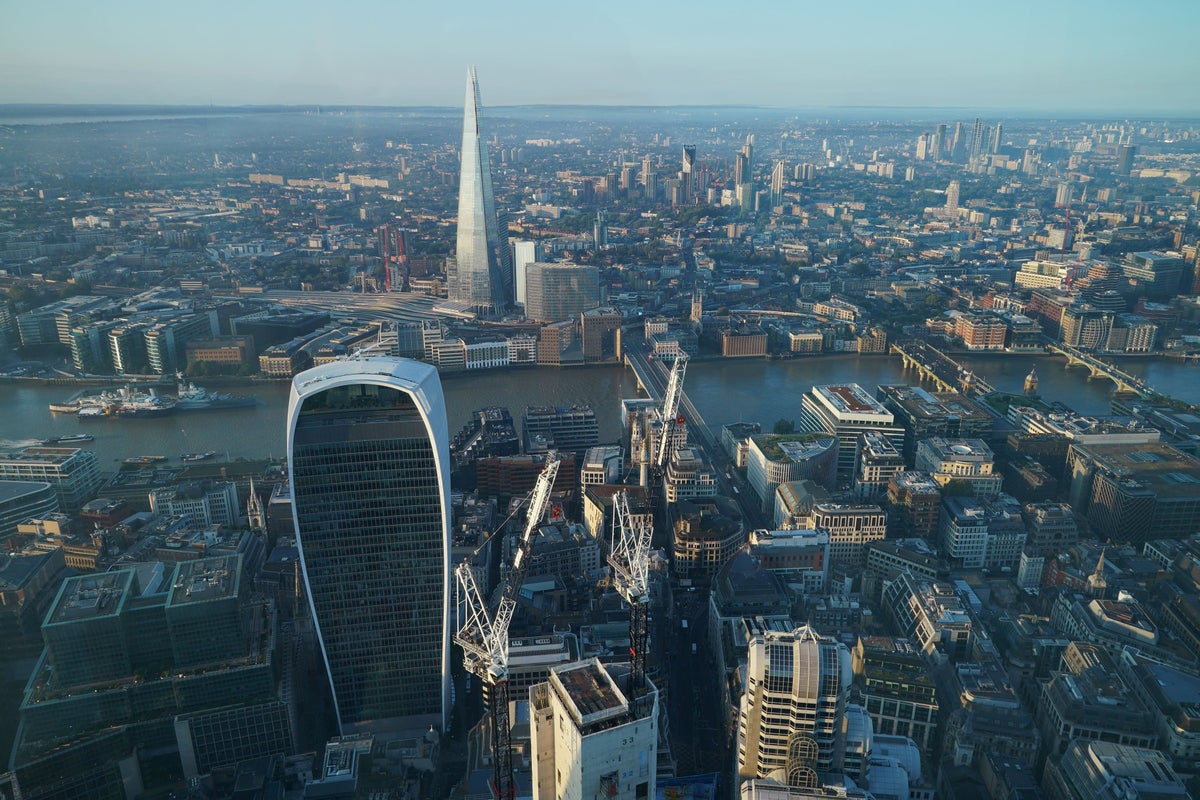
FTSE 100 edges higher but US tech stocks wobble

Structural issues from higher military RMG localisation: S Korean SMEs

-

 Sports1 week ago
NCAA men’s gymnastics championship: All-time winners list
-

 Sports1 week ago
WWE WrestleMania 42 Night 2: Live match results and analysis
-

 Politics1 week ago
UK’s Starmer seeks to deflect blame over Mandelson appointment
-
 Fashion1 week ago
UK’s Sosandar returns to profitability amid robust FY26 performance
-

 Entertainment1 week ago
Lee Anderson, Zarah Sultana kicked out of UK Parliament for calling PM ‘liar’
-
 Business1 week ago
How Trump’s psychedelics executive order could unlock stalled cannabis reform
-
 Business1 week ago
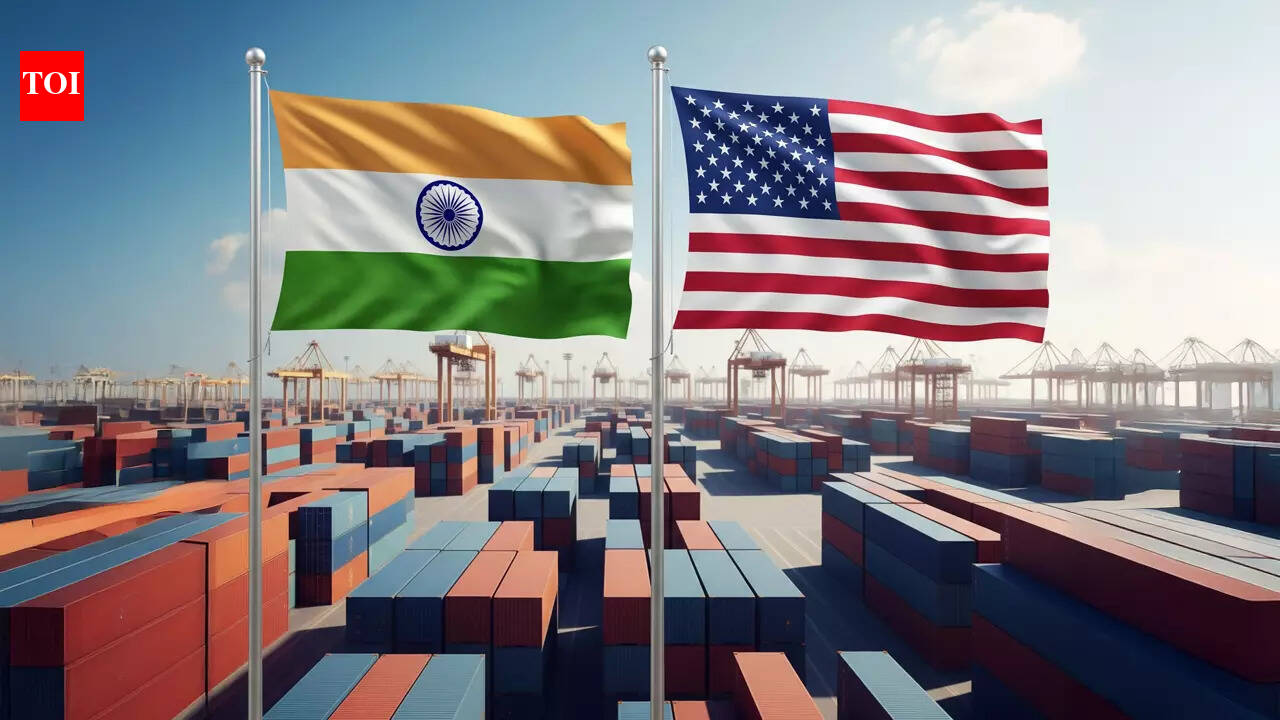
Us-India Trade Talks: US–India trade deal: Where do talks stand & what to expect – explained – The Times of India
-
 Business1 week ago
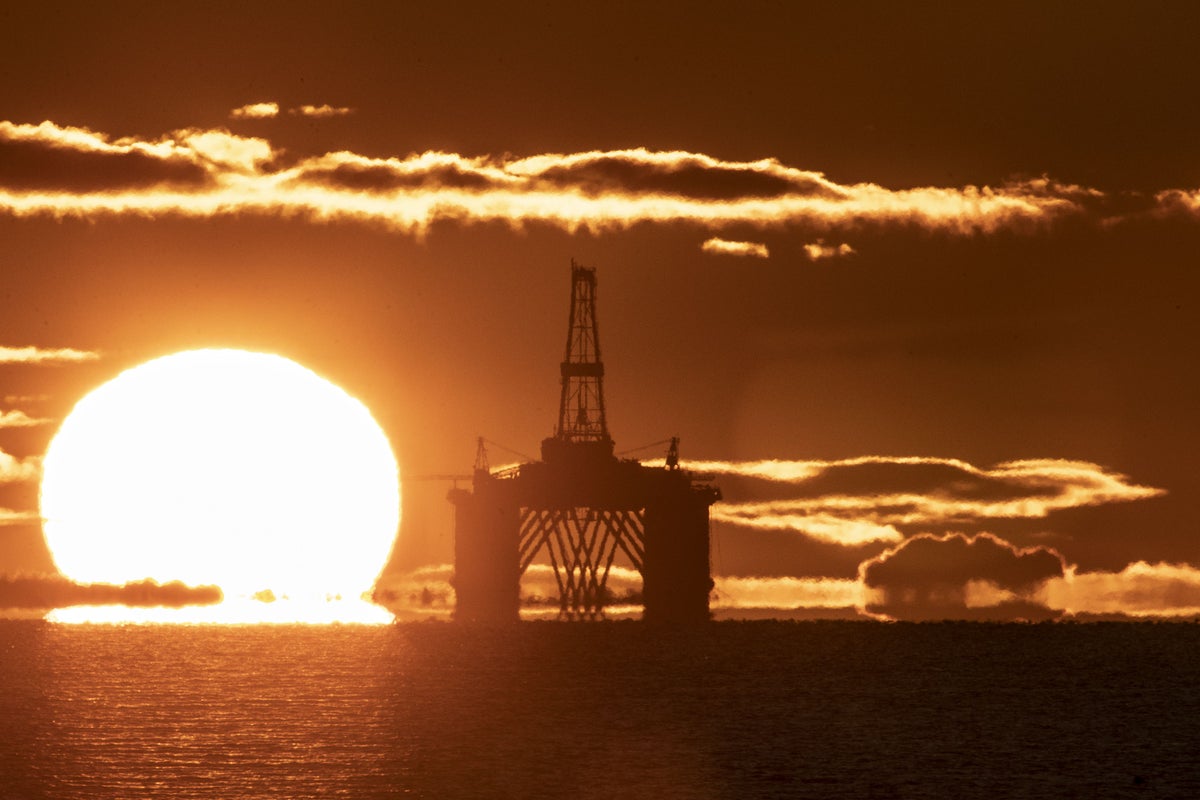
Exercise to test response to offshore energy threat involving vessels and drones