

Business
Survival costs leave Rs2.50 for school | The Express Tribune

KARACHI:
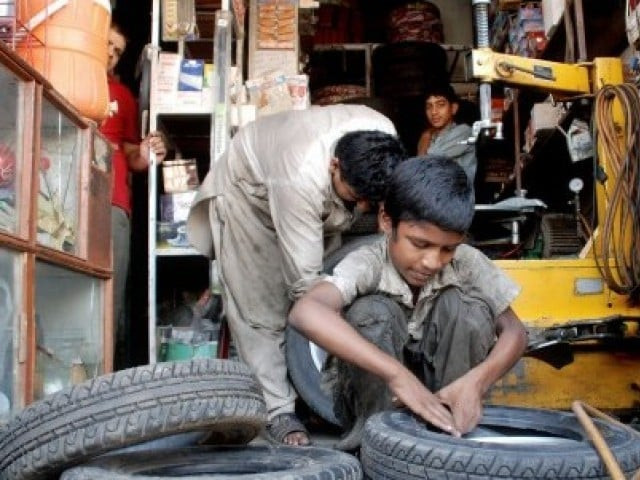
On New Year’s Day 2026, the release of the Household Integrated Economic Survey (HIES) 2024-25 revealed that 20.3 million children remain out of school. Based on the first fully digital post-Census 2023 survey of 32,000 households, the data shows that Pakistan’s “education emergency” is not an abstract policy failure but a matter of household arithmetic, illustrating how a Rs100 note in a Pakistani father’s hand disappears before it can keep a child in school.
Countdown to zero
The survey shows how households spend their income and identifies the top three “life costs” that consume most of every Rs100 earned. Translating the 2024-25 HIES data into daily budgets reveals what the report describes as a “countdown to zero”.
Assuming every Rs100 earned represents total household expenditure, the 37% share allocated to food and beverages becomes a literal Rs37 taken from the wallet before the day begins. Once the Rs37 (36.72) for food is deducted from a hundred-rupee note, the countdown accelerates as Rs26 (25.72) is immediately claimed by housing and utilities.
This combined 63% (62.44) share, described as the “survival wall”, creates an economic chokehold. Before a family can consider a child’s future, nearly two-thirds of its income has already vanished into non-negotiable costs of bread, light and heat. In this imbalance, the state’s utility demands outweigh what a father can spare for schooling by almost ten to one, leaving just Rs2.50 (Rs2.48) for education.
Population divided into quintiles
Quintiles divide the population into five equal segments of 20% each. The first quintile represents the poorest 20% of households, followed by the lower-middle, middle, upper-middle and richest 20%.
Interpreting the graphs, renowned economist Dr Sajid Amin Javed, Deputy Executive Director and Founding Head of the Policy Solutions Lab at the Sustainable Development Policy Institute (SDPI), told The Express Tribune that a decline in the share of spending on education is not an automatic indicator of neglect or poverty. “In higher-income groups, rising incomes often outpace relatively stable education costs, shrinking the education spending ratio,” he said.
“However, a stark contrast appears in the bottom 40%, whose limited income is almost entirely spent on necessities, especially food, driven by stagnant wages and peak food inflation. This reveals a much harsher story of survival.” For these households, non-negotiable costs absorb the vast majority of income, leaving little room for other expenses. While education ratios may appear low because fees remain stable, Dr Javed said the persistently high share of food expenditure among the bottom 40% is the true marker of economic distress.
The ‘survival wall’
The struggle for a child’s future begins with the forced subtraction of the present. Before a student can pick up a pencil, a large “survival wall” consumes most of the household income.
The hunger cost takes the first Rs37 for basic food and nutrition, leaving Rs63. Next, the cost of light and heat takes Rs26 for electricity, gas and rent, leaving Rs37. Finally, only Rs2.50 is allocated for school fees and supplies. By the time these essentials are addressed, the family has already hit a survival wall of Rs63. The remaining Rs37 must cover all other necessities, including transport, medicine, clothing and emergencies.
Out-of-school children
While Rs2.50 for education may appear a minor line item in a household budget, global data suggests it is one of the strongest predictors of a family’s ability to escape poverty.
World Bank Global Director for Education and Skills Luis Benveniste has described education as an “economic imperative for individual prosperity”. The 202425 HIES, following the 2023 Digital Census, shows that the national out-of-school rate fell slightly from 30% to 28%. Despite this marginal improvement, around 20 million children remain out of school, with 20% never enrolled and 8% dropping out after initial attendance.
According to Khanzaib Ahmad, research assistant at the IBA Economic Growth and Forecasting initiative, inflation has forced Pakistani parents to reduce education spending from 3.98% to 2.48% of household budgets to cover food and utilities. Despite this reduction, literacy rose to 63% and out-of-school rates declined, reflecting increased awareness, reliance on community options and household resilience, even as government education spending remains at 0.8% of GDP. Echoing Dr Javed, Ahmad noted that the bottom 40% of households, often with seven or more members, are trapped in subsistence living. Nearly all available resources go toward basic staples, leaving no financial space for education or economic mobility.
Provincial breakdown
The provincial picture shows persistent divides. In Punjab, 21% of children are out of school, while food insecurity affects 22.6% of households. The Rs2.50 that could be allocated to schooling is often diverted to meet rising food costs.
In Sindh, 39% of children are out of school. The Rs2.50 for education cannot cover uniforms or transport, while Rs63 spent on food and utilities leaves many rural families unable to begin the enrolment process, which often never starts.
In Khyber-Pakhtunkhwa, 28% of children are out of school. Even when Rs2.50 is spared, underfunded schools mean seven in ten children are classified as “learning poor”, unable to read a basic sentence by the age of 10.
Balochistan faces the most severe challenge, with 45% of children out of school. With food insecurity exceeding 30%, the entire Rs100 earned by many households is consumed by survival needs, pushing families into a permanent deficit.
Gilgit-Baltistan records the lowest rate, with 18% of children out of school, showing that strong local community engagement can reduce “survival wall” barriers even during economic hardship.
Sacrificing tomorrow for today’s heat and light
Federal and Sindh education ministers did not comment. Ministry sources said conditions are better in capitals and major cities, where private schooling options exist. For ordinary households, however, many children are withdrawn from school due to the inability to afford basic learning materials, forcing early work.
The most painful 2026 indicator is the 8% dropout rate, with children pushed out by economic necessity. Four in ten boys leave school for “odd jobs” to recover the Rs26 spent on utility bills.
This arithmetic shows the education crisis cannot be separated from the cost of living. With the survival wall fixed at 63%, the Rs2.50 for a child’s education remains at constant risk. Until the state eases the Rs63 burden of food and fuel, classrooms will remain a luxury that 20 million children cannot afford, as a generation’s future is traded to pay heat and light bills.




The firm was unable to cope during high demand, Ofwat says, leading to “immense stress” for customers.
Source link
Business
Middle East heat may ripple across India’s energy supply chain, flags Goldman Sachs – The Times of India
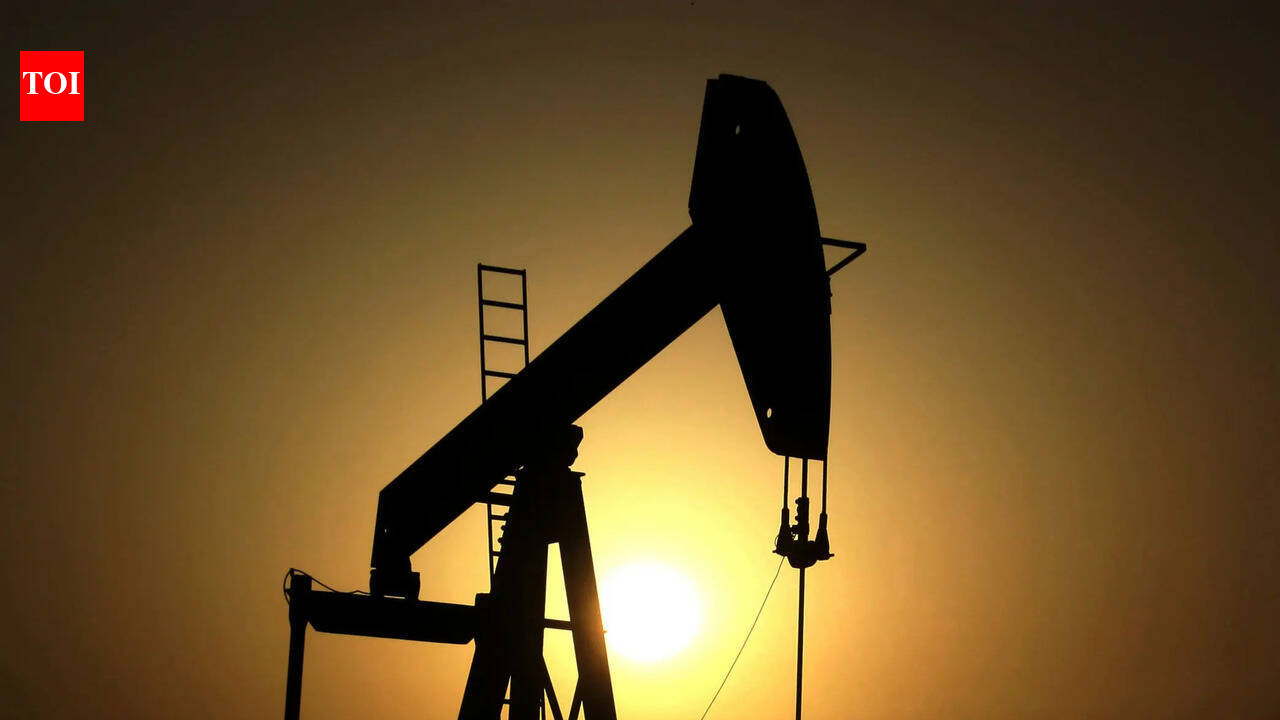
As tensions continue to heat up in the Middle East, concerns are raising about disruptions to one of the world’s most critical energy shipping routes, the Strait of Hormuz. Any disruption could significantly affect major oil-importing countries such as India, as the narrow Strait of Hormuz is central to global energy trade. The strait sees almost 20 million barrels of oil passing through each day, or about a fifth of the world’s consumption, pass through the route. The waterway also carries roughly 19% of global liquefied natural gas (LNG) shipments, making it a crucial corridor for energy-importing economies.A recent report by Goldman Sachs has flagged early signs of stress in the region. The report warned that tanker traffic through the Strait of Hormuz has already begun showing signs of disruption, with shipping firms, oil producers and insurers adopting a cautious approach following reports of damaged vessels in nearby waters.According to the firm, financial markets have already begun factoring in the geopolitical risk. Oil prices currently carry an estimated risk premium of $18-per-barrel, reflecting the potential market impact if energy flows through the Strait of Hormuz were disrupted for about a month.
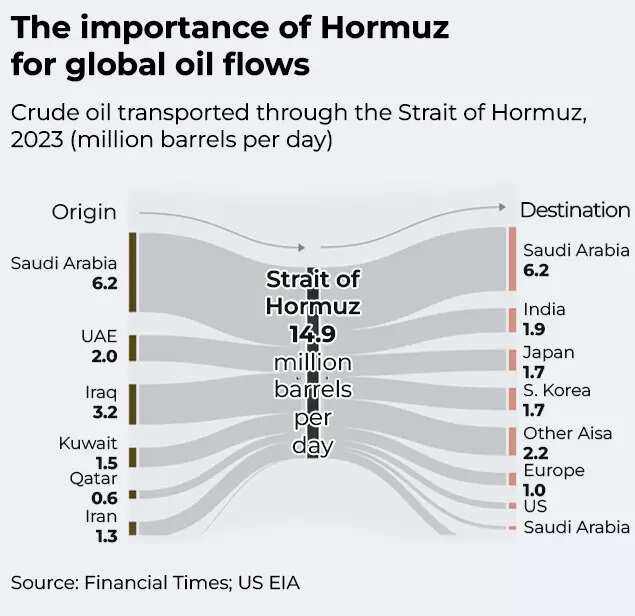
Even is the oil facilities are not directly damaged, a shutdown of the shipping route could expose a significant portion of global supply. The report estimates that in an event of full closure, about 16 million barrels per day of oil flows could be affected, despite the availability of some pipeline routes designed to bypass the strait.And the risks are not limited to crude oil shipments with almost 80 million tonnes of LNG exports annually, much of it from Qatar, moving through the passage. Any prolonged disruption could tighten gas supply globally and potentially drive European benchmark gas prices back to levels seen during the 2022 energy crisis.
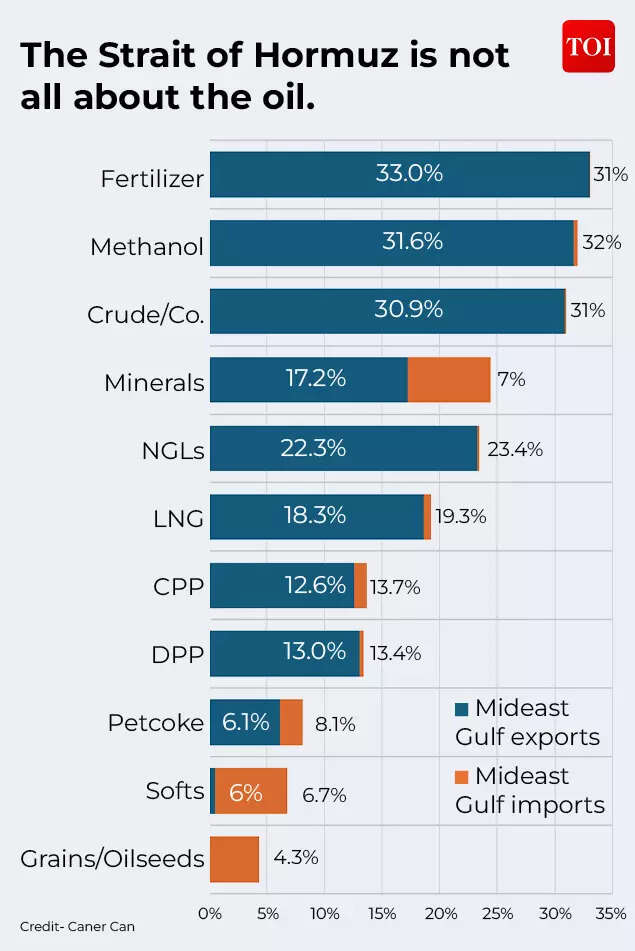
Asian economies stand among the most exposed to such disruptions. Major importers such as China, India, Japan and South Korea depend heavily on oil and LNG shipments that transit through the strategic corridor.While global oil inventories and spare production capacity could help cushion short-term shocks, the report warned that sustained disruption to Gulf shipping routes could trigger sharp volatility in global energy markets and push prices higher across oil, gas and refined fuel products.Market participants and governments are closely watching tanker traffic in the Strait of Hormuz, along with diplomatic and military developments involving the United States, Iran and Gulf nations, to assess whether the current disruptions remain temporary or escalate into a broader energy supply shock.

KARACHI: The Pakistan Stock Exchange rallied on Thursday after Saudi Arabia assured Pakistan of facilitating crude oil shipments through the Red Sea port of Yanbu Port, easing concerns over potential fuel supply disruptions.
The benchmark KSE-100 Index climbed sharply during the trading session, rising 4,439.93 points (2.85%) to reach an intraday high of 160,217.14 points.
Market Recovery
Analysts attributed the market rebound to renewed institutional buying and improving investor sentiment after Saudi assurances on oil supplies.
Market expert Ahsan Mehanti, CEO of Arif Habib Commodities, said easing fuel supply concerns played a key role in the recovery.
He added that rising global crude prices, expectations of a new International Monetary Fund loan tranche for Pakistan, and positive economic indicators also boosted investor confidence.
Alternative Oil Route
Pakistan sought an alternative supply route after Iran announced the closure of the Strait of Hormuz, a crucial global oil transit corridor.
Federal Petroleum Minister Ali Pervaiz Malik held talks with Nawaf bin Said Al-Malki, requesting Saudi support for uninterrupted energy supplies.
Saudi authorities reportedly assured Pakistan that oil shipments could be routed through Yanbu, and one crude vessel has already been prepared for dispatch.
Global Oil Market Impact
Oil prices continued to rise amid tensions in the Middle East conflict involving Iran, Israel and the United States.
Brent crude: up 3.26% to $83.99 per barrel
West Texas Intermediate (WTI): up 3.70% to $77.42 per barrel
Energy markets remain volatile as shipping disruptions threaten supply through the Strait of Hormuz, a route that handles nearly 20% of global oil trade.
Analysts say the Saudi assurance helped calm fears about Pakistan’s energy supply chain, contributing to the strong recovery at the PSX.


Switzerland’s Calida narrows sales decline, lifts profit in 2025

Browns star Myles Garrett in speeding trouble again with 9th citation since entering NFL

If a Garmin Is Too Expensive, Consider Suunto’s Latest Adventure Watch

India Us Trade Deal: Fresh look at India-US trade deal? May be ‘rebalanced’ if circumstances change, says Piyush Goyal – The Times of India

Attock Cement’s acquisition approved | The Express Tribune

What are Iran’s ballistic missile capabilities?

-
Business6 days ago
India Us Trade Deal: Fresh look at India-US trade deal? May be ‘rebalanced’ if circumstances change, says Piyush Goyal – The Times of India
-
Business7 days ago
Attock Cement’s acquisition approved | The Express Tribune
-
 Politics1 week ago
What are Iran’s ballistic missile capabilities?
-
 Politics1 week ago
US arrests ex-Air Force pilot for ‘training’ Chinese military
-
 Business1 week ago
Households set for lower energy bills amid price cap shake-up
-

 Fashion7 days ago
Policy easing drives Argentina’s garment import surge in 2025
-

 Sports6 days ago
LPGA legend shares her feelings about US women’s Olympic wins: ‘Gets me really emotional’
-

 Fashion6 days ago
Texwin Spinning showcasing premium cotton yarn range at VIATT 2026