

Business
Tata Punch EV facelift launching tomorrow – Expected price, changes and new features

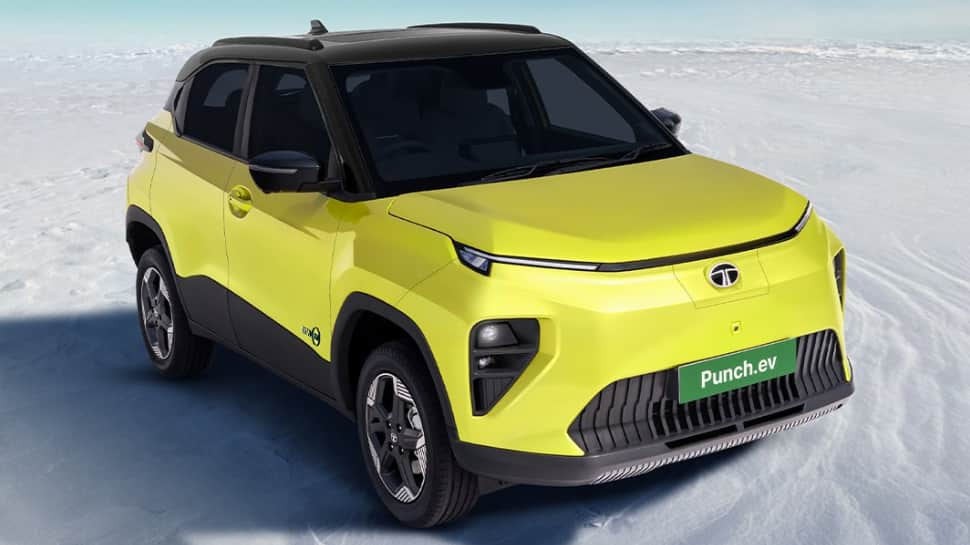
Tata Punch EV facelift launch updates: The facelifted Tata Punch EV is all set to launch tomorrow, February 20. With this update, Tata Motors’ smallest electric SUV will get a sharper design, more features and possibly improved range. Here are five key things you might want to know about the new Punch EV.
Exterior
The design update is subtle but noticeable. At the front, the Punch EV gets a new bumper with a cleaner look, a larger air dam and bigger headlamp clusters with black surrounds. The connected LED DRL has been removed, but the slim DRLs and nose-mounted charging flap remain. A new textured faux silver skid plate adds a fresh touch.
From the side, the silhouette stays the same. You still get the ‘Tata.ev’ badge on the doors and 16-inch dual-tone aero alloy wheels. The C-pillar-mounted rear door handles also continue, giving it a quirky appeal. The rear design is yet to be fully revealed, but it is expected to get connected LED tail lamps and a revised bumper.
Interior
Inside, the updates are expected to be small but useful. New upholstery, a refreshed cabin theme and better seat comfort with improved thigh support are likely. The two-spoke illuminated steering wheel, floating infotainment screen and rotary gear selector will remain. A larger 12.3-inch touchscreen may replace the current unit to boost the tech feel.
Features and safety
The updated model could add a powered driver seat, a bigger infotainment screen and new graphics for the 10.25-inch digital cluster. Existing features like a voice-enabled sunroof, ventilated seats, wireless charger, ambient lighting and air purifier will continue.
On the safety side, six airbags, ESC, electronic parking brake with auto-hold, hill hold, 360-degree camera and rear sensors will remain. ADAS features may also be introduced.
Powertrain options
The facelift is expected to continue with the 25kWh and 35kWh battery packs. Tata may retune the powertrains for better efficiency. A larger 40kWh battery pack, borrowed from the Nexon, is also likely.
Expected price and rivals
Prices are likely to range between Rs 10 lakh and Rs 15 lakh (ex-showroom), slightly higher than the current model. It will mainly rival the Citroen eC3. It can also be seen as an alternative to the MG Windsor EV, Mahindra XUV 3XO EV and its bigger sibling, the Tata Nexon EV.
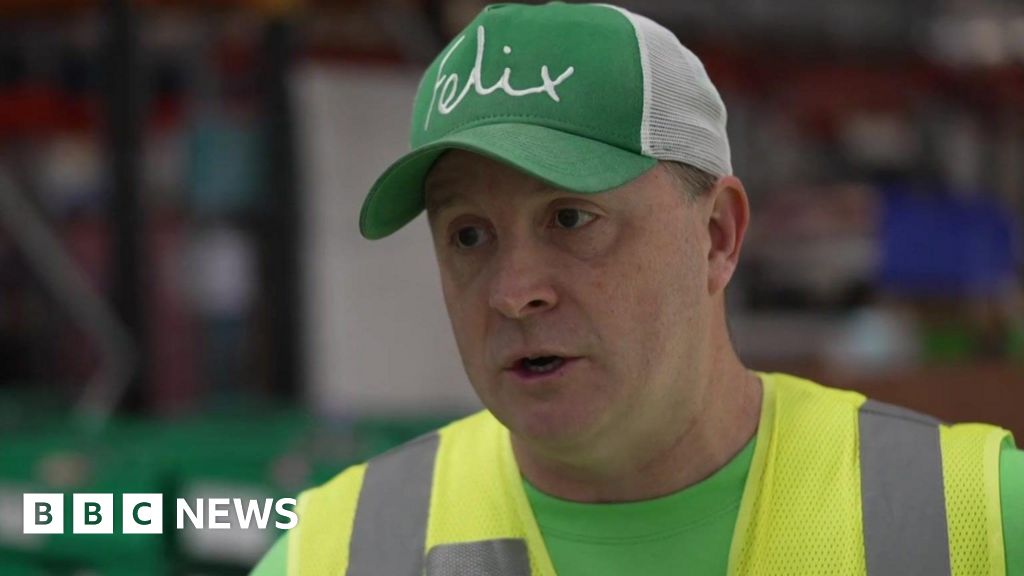
The Felix Project is among the organisations feeling the effects of increased costs due to the conflict in Iran.
Source link

Bosses say a good start to the year has been put at risk, but opportunities have also emerged.
Source link
Business
Crude oil soars as Middle east conflict chokes supply routes, Hormuz concerns stokes panic – SUCH TV

Crude oil prices climbed on Monday on continuing fears of supply losses because of shipping disruptions in the key Middle East producing region from the US-Israeli war with Iran.
Brent crude futures rose $1.71, or 1.6%, to $110.74 a barrel by 0057 GMT. US West Texas Intermediate crude futures gained $0.71, or 0.6%, to trade at $112.25 per barrel.
On Thursday, the last trading day before the Good Friday holiday break, WTI settled up more than 11%, and Brent soared nearly 8% in volatile trading, recording their biggest absolute price increase since 2020, as US President Donald Trump promised to continue attacks on Iran.
The Strait of Hormuz, which carries oil and petroleum products from Iraq, Saudi Arabia, Qatar, Kuwait and the United Arab Emirates, remains largely closed by Iranian attacks on shipping after the war began on February 28.
Because of the Middle East supply disruptions, refiners are seeking alternative sources for crude, particularly for physical cargoes in the US and the UK North Sea.
“Global buyers are bidding aggressively for (US) Gulf Coast barrels, and Brent is rallying even faster,” the Schork Group said in a client note on Monday.
On Sunday, Trump ratcheted up pressure on Tehran, threatening in an expletive-laden Easter Sunday social media post to target Iran’s power plants and bridges on Tuesday if the strategic Strait of Hormuz is not reopened.
Still, some vessels, including an Omani-operated tanker, a French-owned container ship and a Japanese-owned gas carrier, crossed the Strait of Hormuz since Thursday, shipping data showed, reflecting Iran’s policy to allow passage for vessels from countries it deems friendly.
The war threatens to linger on as Iran has officially told mediators it is not prepared to meet with US officials in the Pakistani capital, Islamabad, in the coming days, and efforts to produce a ceasefire have reached a dead end, the Wall Street Journal reported on Friday.
On Sunday, OPEC+, consisting of some members of the Organisation of the Petroleum Exporting Countries and allies such as Russia, agreed to a modest rise of 206,000 barrels per day for May.
However, that decision will largely exist on paper as several of the group’s key producers are unable to raise output due to the war.
Russian supply has been disrupted recently by Ukrainian drone attacks on its Baltic Sea export terminal. Media reports on Sunday said its Ust-Luga terminal resumed loadings on Saturday after days of disruptions.


FY27 Indian growth to be 6.7% if avg crude price $90/bbl: Care Ratings

King Charles, Prince William ‘row’ over Beatrice, Eugenie unfolds

Japan’s GDP growth to moderate to 0.8% in 2026: IMF

-

 Sports1 week ago
USMNT handed reality check by Doku, Belgium ahead of World Cup
-

 Sports1 week ago
2026 NCAA men’s hockey tournament: Schedule, results
-
Uncategorized4 days ago
[CinePlex360] Please moderate: “Trump signals p
-
Uncategorized7 days ago
[CinePlex360] Please moderate: “Further tariff
-

 Entertainment3 days ago
Joe Jonas shares candid glimpse into parenthood with Sophie Turner
-

 Tech3 days ago
Our Favorite iPad Is $50 Off
-

 Entertainment1 week ago
The Avett Brothers’ bassist explains why he wrote a book about John Quincy Adams
-

 Sports1 week ago
Man City show why they are worthy WSL title winners as tired United wilt