

Politics
Tears, cheers as Palestinians welcome freed prisoners home under Gaza ceasefire

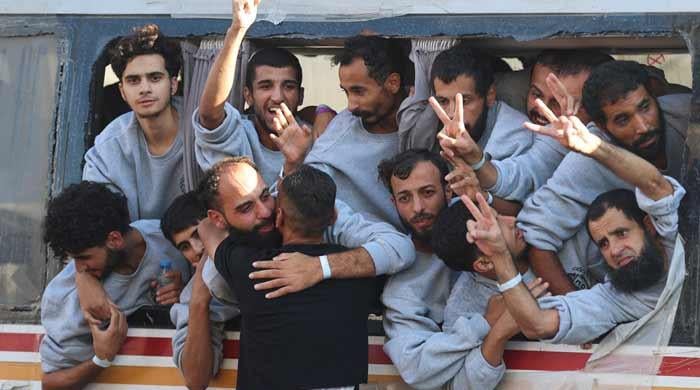
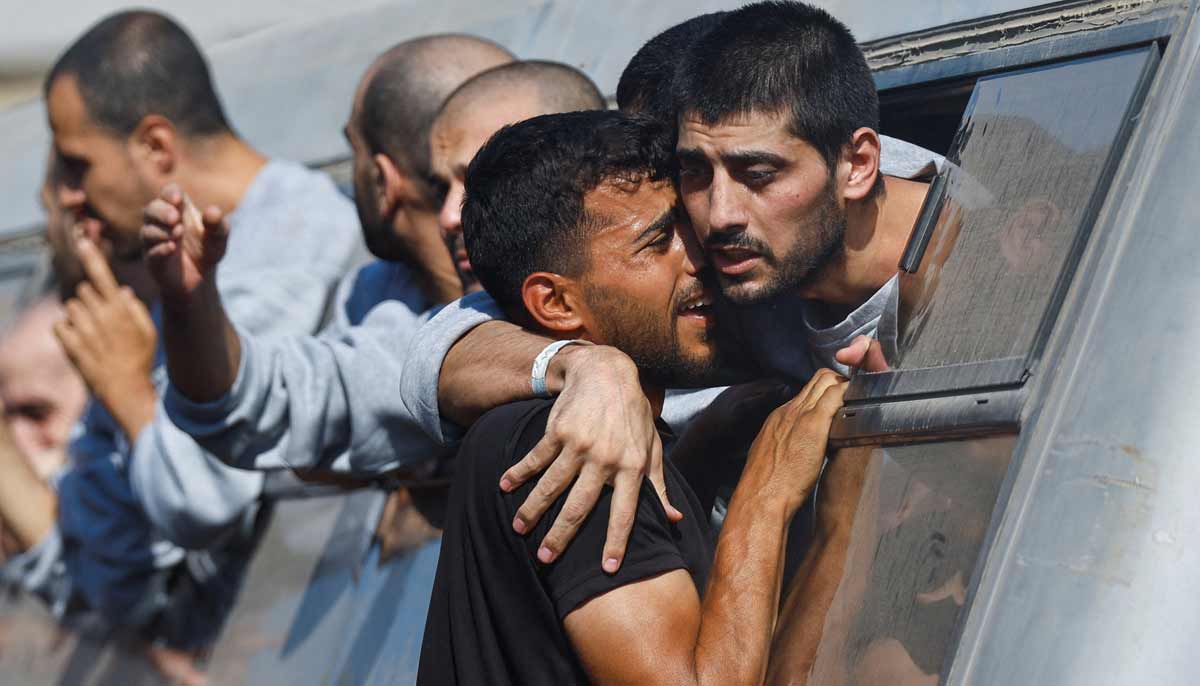
Overwhelmed with emotion, Palestinians poured into the streets of Gaza and the occupied West Bank to welcome home freed prisoners under a US-brokered ceasefire deal — a day marked by tears, cheers, and the bittersweet weight of loss and hope.
The prisoners were released after the Hamas militant group freed the last 20 living hostages taken during the October 7, 2023 attacks that precipitated the war in Gaza.
Under the deal, Israel is set to release 250 Palestinians convicted of murder and other serious crimes as well as 1,700 Palestinians detained in Gaza since the war began, 22 Palestinian minors, and the bodies of 360 militants.
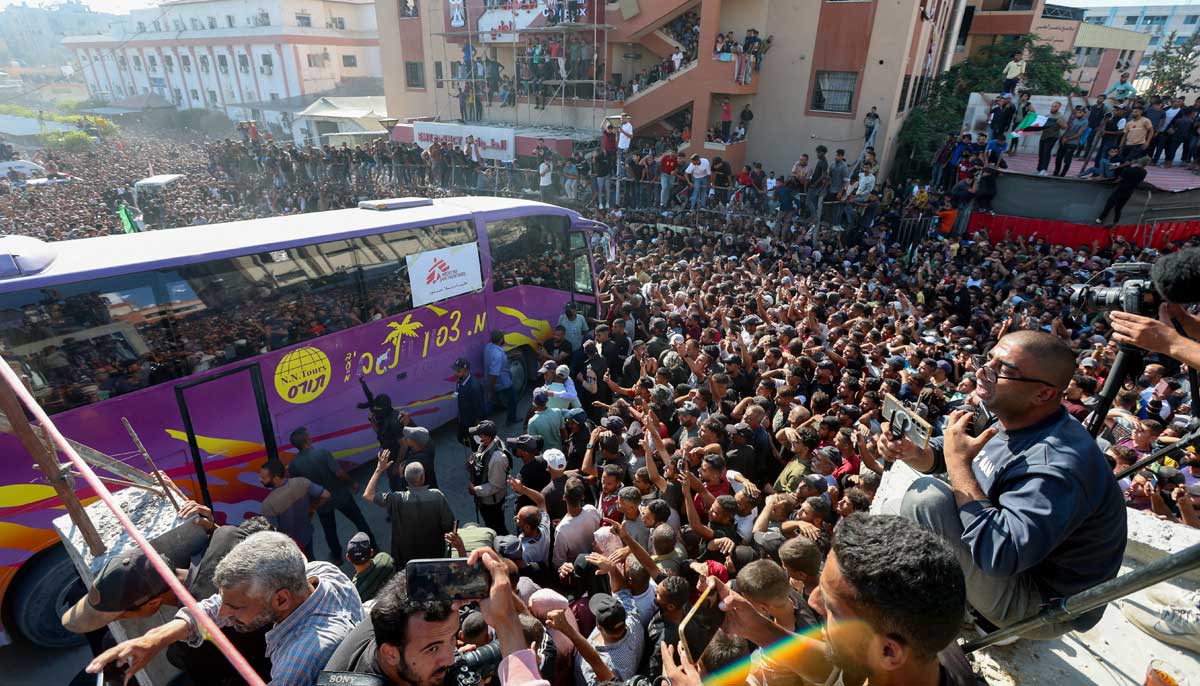
Several thousand people gathered inside and around the Nasser Hospital in Khan Younis in the southern Gaza Strip, awaiting the arrival of freed prisoners, with some waving Palestinian flags and others holding pictures of their relatives.
Fighting back tears, one woman who asked to be identified as Um Ahmed said she said that despite her joy at the release, she still had “mixed feelings” about the day.
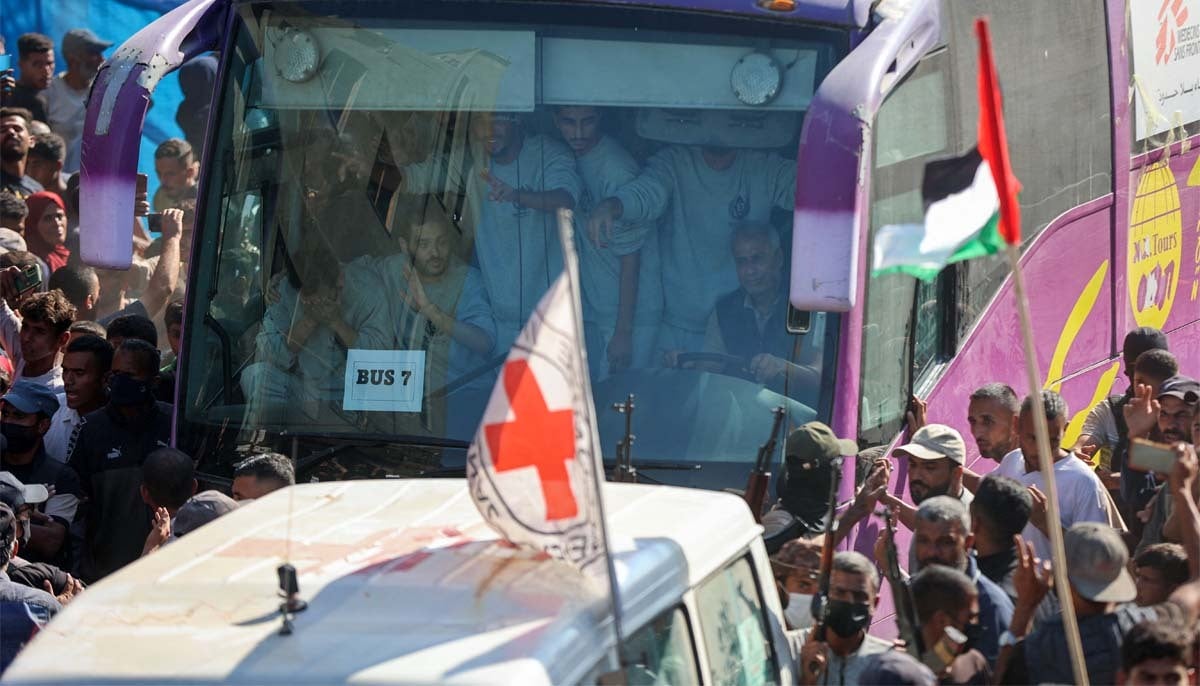
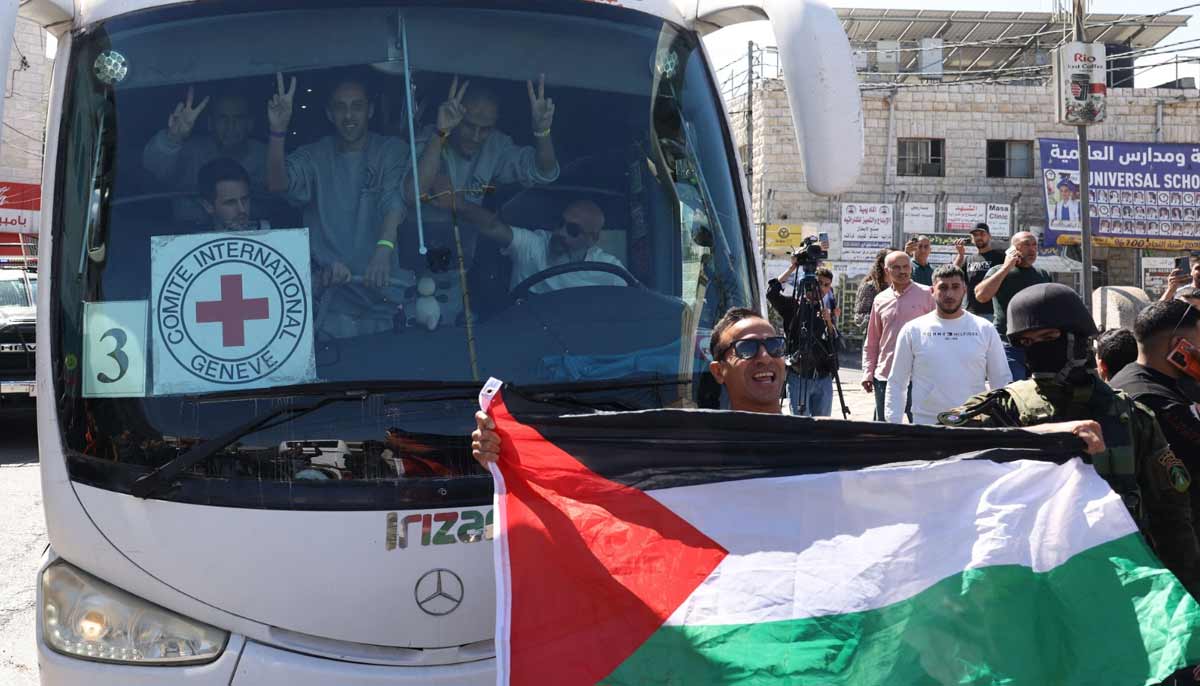
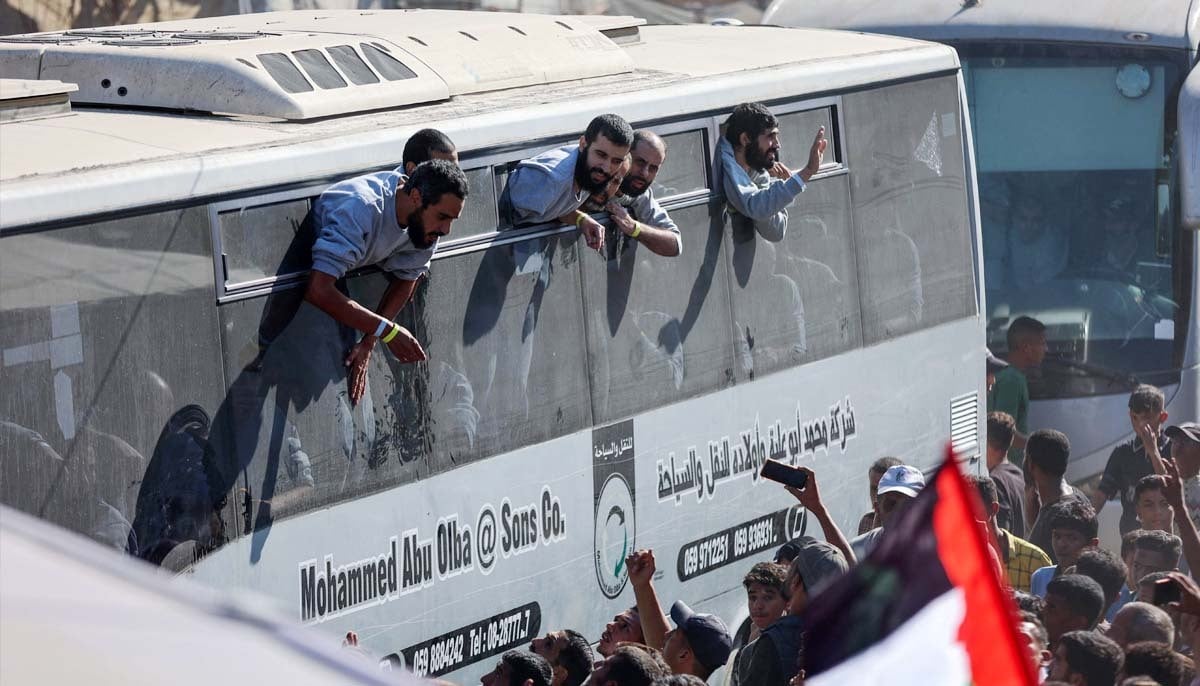
Freed prisoners arrived in buses, some of them posing from the windows, flashing V-for-Victory signs. They will undergo medical checks at the facility.
Earlier, about a dozen masked and black-clad gunmen, members of Hamas’ armed wing, arrived at the hospital where a stage and chairs had been laid out to welcome returning Palestinian prisoners.
Loudspeakers blared songs celebrating the Palestinian national cause.
Hamas said 154 prisoners were also deported to Egypt.
During previous releases, mass gatherings had flooded entire streets in Ramallah, with people waving Palestinian flags as well as those of political factions including Hamas.
‘Live my life’
Dressed in the grey tracksuits of Israeli prisons, many prisoners also wore a black-and-white kuffiyeh around their necks — the traditional scarf that has become synonymous with the Palestinian cause.
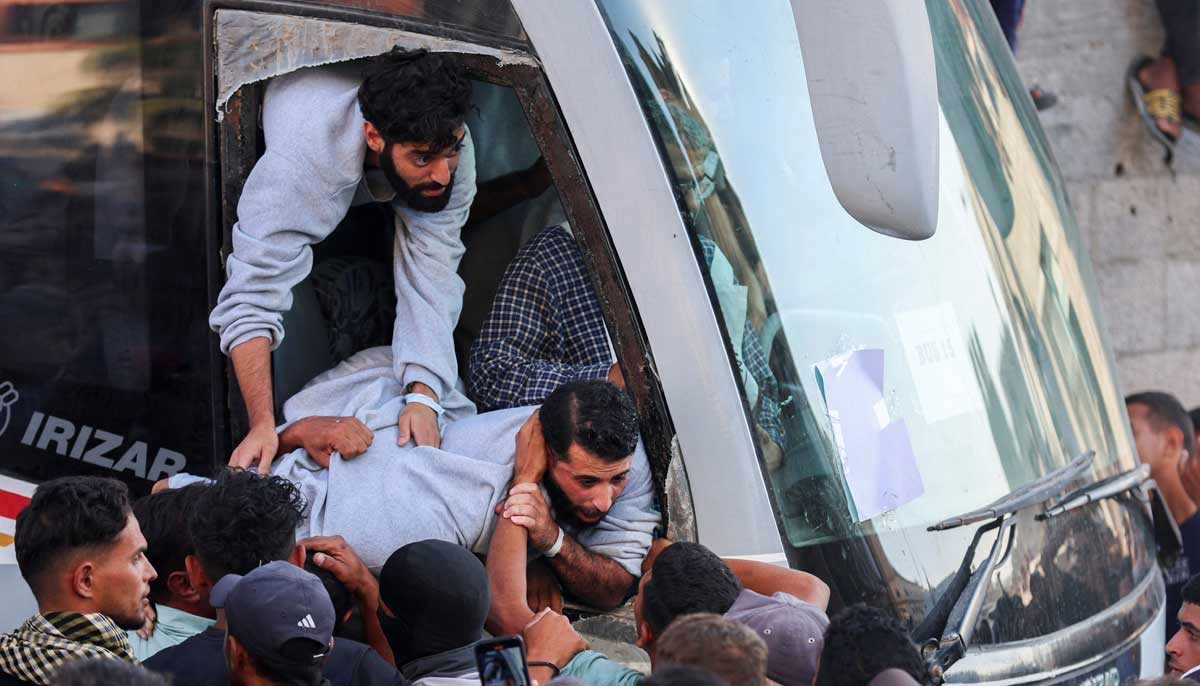
Some of the newly released prisoners happily let themselves be carried away on relatives’ shoulders.
“Prisoners live on hope… Coming home, to our land, is worth all the gold in the world,” said one freed detainee, Samer al-Halabiyeh.
“God willing, peace will prevail, and the war on Gaza will stop,” Halabiyeh added.
“Now I just want to live my life.”
Journalists rushed to talk to the prisoners, but many declined to engage, sometimes explaining that before their release, they were advised not to speak.
In the south Gaza city of Khan Yunis, a crowd gathered near Nasser Hospital, in the hope of catching sight of the prisoners taken during the war with Israel.
In the afternoon, thousands cheered to welcome their loved ones as they caught glimpse of the buses carrying them home.
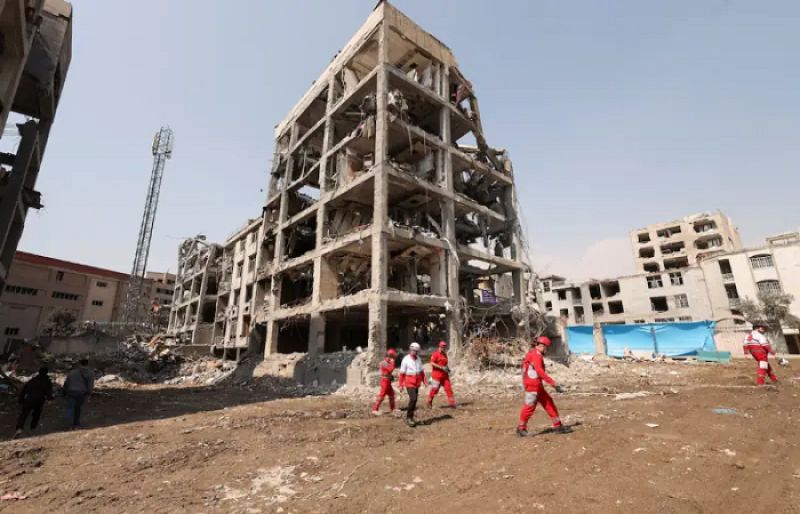

Israel launched a fresh wave of attacks on Iran on Friday, a day after President Donald Trump told it not to repeat its strikes on Iranian natural gas infrastructure, which sharply escalated the US-Israeli war on Iran.
The conflict has killed thousands of people, spread to neighbouring nations and hit the global economy since the United States and Israel launched strikes on February 28, after talks about Tehran’s nuclear program failed to yield a deal.
“The IDF has just begun a wave of strikes against the infrastructure of the Iranian terror regime in the heart of Tehran,” a spokesperson for the Israeli Defence Forces said, without providing details.
Bahrain, Kuwait and the United Arab Emirates said they were dealing with missile attacks in the early hours of Friday, following days of Iranian strikes on regional energy infrastructure that have roiled global markets.
Energy prices jumped on Thursday after Iran responded to an Israeli attack on a major gas field by hitting Qatar’s Ras Laffan Industrial City, which processes around a fifth of the world’s liquefied natural gas, causing damage that will take years to repair.
Saudi Arabia’s main port on the Red Sea, where it has been able to divert some exports to avoid Iran’s closure of the Gulf’s exit point, the Strait of Hormuz, was also attacked on Thursday.
But oil prices fell on Friday as leading European nations and Japan offered to help secure safe passage for ships through the Strait of Hormuz, the conduit for a fifth of the world’s oil supplies, and the US outlined measures to boost oil output.
The strikes on regional energy facilities underscored Iran’s continued ability to exact a heavy price for the US-Israeli campaign, and the limits of air defences in protecting the Gulf’s most valuable and strategic energy assets.
Trump, politically vulnerable to rising fuel prices among his core voters ahead of November’s midterm elections, has lashed out at allies who have responded cautiously to his demands that they help secure the Strait of Hormuz, the conduit for around a fifth of the world’s oil.
He said he had told Israeli Prime Minister Benjamin Netanyahu not to repeat the attack on energy infrastructure.
“I told him, ‘Don’t do that, and he won’t do that,” he told reporters in the Oval Office on Thursday.
Netanyahu later said Israel had acted alone in the bombing of Iran’s South Pars gas field and confirmed that Trump had asked Israel to hold off on such attacks.
Iran is being “decimated” and no longer has the capacity to enrich uranium or make ballistic missiles, but a revolution in the country would require a “ground component,” he said, without elaborating.
ENERGY CRISIS ESCALATES
With no end in sight to the conflict, and the threat of a global “oil shock” growing by the day, Britain, Canada, France, Germany, Italy, the Netherlands and Japan issued a joint statement expressing “our readiness to contribute to appropriate efforts to ensure safe passage through the Strait”.
They also promised, “other steps to stabilise energy markets, including working with certain producing nations to increase output”.
There was little indication of any immediate move. German Chancellor Friedrich Merz reiterated that any contribution to securing the strait would come only after hostilities ended.
The resistance by major US allies to becoming involved in the war reflects scepticism about a conflict that European leaders have said has unclear objectives they did not seek and over which they have little control.
Israel’s bombing of Iran’s South Pars gas field, which Trump said the US had not known about, suggested gaps in coordination of strategy and war aims between the main protagonists.
Adding to the confusion around the attack, three Israeli officials said the operation had taken place in consultation with the United States, but was unlikely to be repeated.
Director of National Intelligence Tulsi Gabbard told the House intelligence committee that US and Israeli goals differed: “…the Israeli government has been focused on disabling the Iranian leadership.
The president has stated that his objectives are to destroy Iran’s ballistic missile launching capability, its ballistic missile production capability, and their navy.“
‘A NEW STAGE IN THE WAR’
Iran’s military said strikes on Iran’s energy infrastructure had led to “a new stage in the war” in which it had attacked energy facilities linked to the United States.
“If strikes (on Iran’s energy facilities) happen again, further attacks on your energy infrastructure and that of your allies will not stop until it is destroyed,” Iranian military spokesman Ebrahim Zolfaqari said, according to state media.
QatarEnergy’s CEO told Reuters the Iranian attacks had knocked out a sixth of Qatar’s LNG export capacity, worth $20 billion a year, and that repairs would take three to five years.
Israeli media reported that an Iranian strike hit oil facilities in Israel’s port of Haifa, causing damage but no casualties.
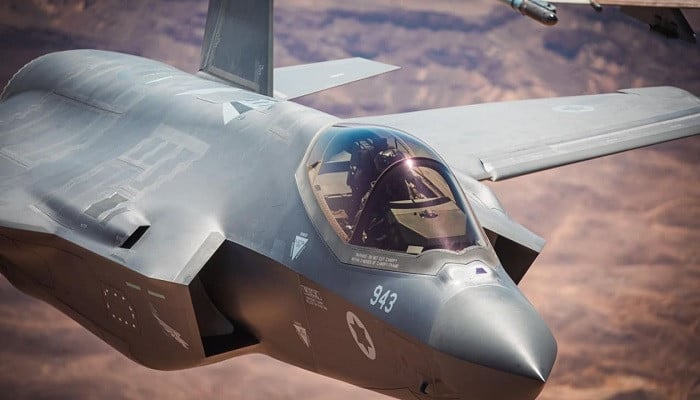
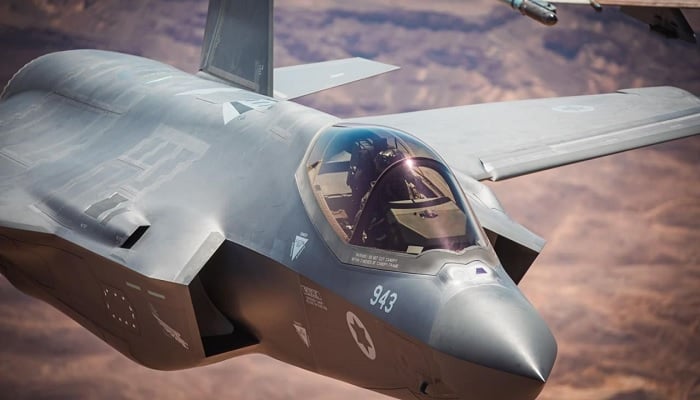
- Aircraft landed safely at a US base; pilot reported in stable condition.
- Comes amid ongoing conflict involving US-Israel offensive against Iran.
- Several US aircraft losses reported, though none previously linked to Iran fire.
A US F-35 stealth warplane was hit by suspected Iranian fire and made an emergency landing at an American air base in the Middle East, US media reported on Thursday.
“The aircraft landed safely, and the pilot is in stable condition,” Captain Tim Hawkins, spokesman for US Central Command, said in a statement, without confirming the reports from outlets including ABC and CNN.
“This incident is under investigation,” Hawkins added.
The United States has lost multiple aircraft during the conflict — including three F-15s mistakenly shot down by Kuwaiti forces, and a KC-135 refuelling aircraft that crashed in Iraq — but none that are known to have been hit by Iranian fire.
The United States and Israel launched a massive air campaign against Iran following a major buildup of US military forces — including F-35s — in the region.
Thirteen US service members have been killed since the start of the operation on February 28: six in the KC-135 crash and seven in Iranian attacks early in the war.
Around 200 US military personnel have also been wounded in seven countries across the Middle East since the start of the war, most of whom have already returned to duty, according to the US military.
Meanwhile, a US official and three other people familiar with the planning told Reuters that Trump was considering sending thousands more US troops to the Middle East as a war that has so far killed more than 2,000 people continued to rage.
But on Thursday, Trump said he had no plans to deploy ground forces. “I’m not putting troops anywhere,” he said.
Netanyahu later on Thursday said that Israel acted alone in the bombing of Iran’s South Pars gas field and confirmed that Trump asked Israel to hold off on such attacks.
Iran is being “decimated” and no longer has the capacity to enrich uranium or make ballistic missiles after 20 days of US-Israeli air attacks, but a revolution in the country would not come from the air and would require a “ground component,” he said, without elaborating.
As the Israeli leader spoke, Iran launched a new wave of missiles toward his country, according to Israel’s military and Iran’s Islamic Revolutionary Guard Corps.
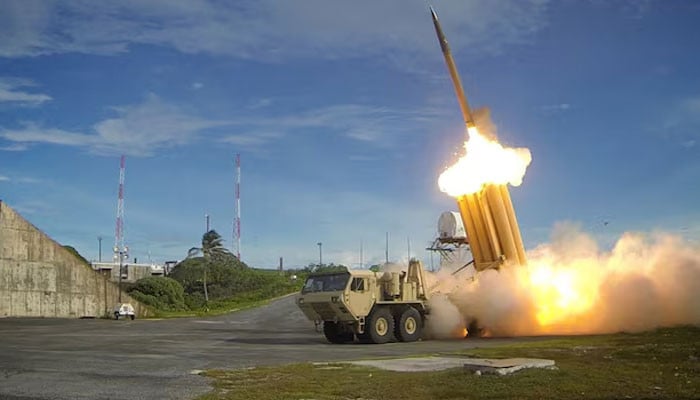
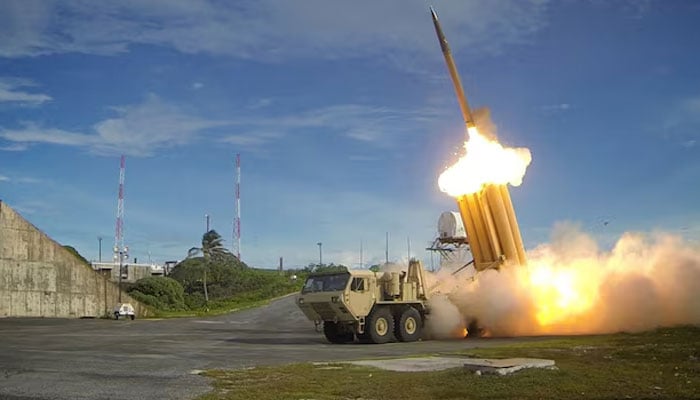
DUBAI: The United States has approved a possible $4.5 billion sale of an advanced missile defence system to the United Arab Emirates, the State Department said on Thursday.
In a statement, the Bureau of Political-Military Affairs said the deal includes a powerful long-range radar and the THAAD system, which is designed to shoot down incoming missiles before they hit their targets.
Officials described the radar as a highly advanced system that can detect threats from far distances, including ballistic missiles and drones.
“The proposed sale will improve the UAE’s ability to meet current and future threats,” the statement said, adding that it would help protect the country from attacks coming from all directions.
The State Department said the sale was approved on an emergency basis, allowing the administration to bypass the usual congressional review process due to national security concerns.
Washington said the UAE is an “important regional partner” and that the deal would support stability in the Middle East.
The agreement includes five years of training, technical support and maintenance services to ensure the system operates effectively.
The main contractor for the deal is Lockheed Martin Corporation, a leading American defence company known for producing advanced missile and radar systems.


US apparel imports fell 5% in terms of volume in 2025

Stäubli to showcase advanced weaving solutions at Techtextil 2026
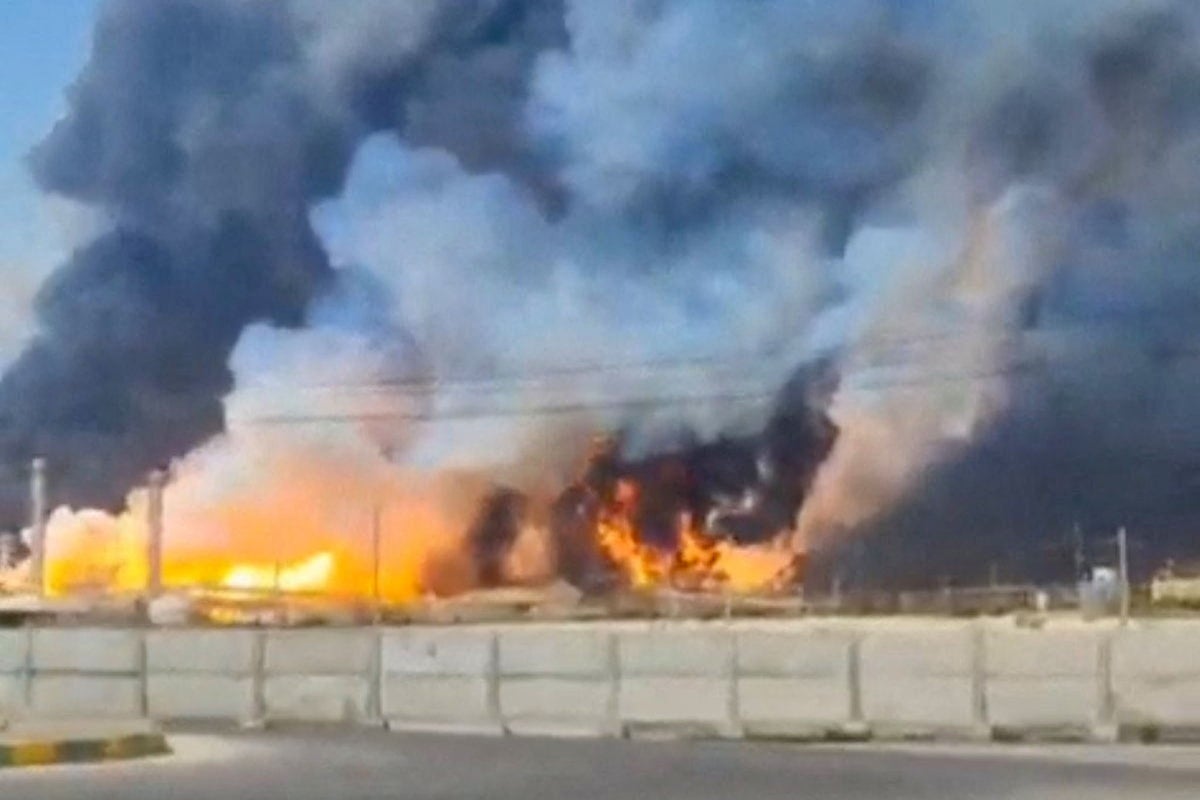
Iran oil attacks trigger 35% gas price spike – and fears of interest rate rises

Stock market crash today (March 12, 2026): Nifty50 opens below 23,600; BSE Sensex down over 900 points on continuing US-Iran war – The Times of India

UK’s Topshop unveils Tolu Coker capsule collection

India’s textile recycling market may reach $3.5 bn by 2030: Report

-
Business1 week ago
Stock market crash today (March 12, 2026): Nifty50 opens below 23,600; BSE Sensex down over 900 points on continuing US-Iran war – The Times of India
-
 Fashion1 week ago
UK’s Topshop unveils Tolu Coker capsule collection
-
 Fashion1 week ago
India’s textile recycling market may reach $3.5 bn by 2030: Report
-
 Tech1 week ago
Meta Developed 4 New Chips to Power Its AI and Recommendation Systems
-
 Business1 week ago
8th Pay Commission: How Much Will Central Govt Employees’ Salaries Rise? What We Know So Far
-
 Sports1 week ago
Bangladesh crush Pakistan in ODI series opener | The Express Tribune
-

 Entertainment1 week ago
Ed Sheeran makes surprising Benny Blanco confession after hygiene uproar
-

 Fashion1 week ago
Is Bangladesh facing price challenges from China in the EU?