

Tech
Tech Traveler’s Guide to Austin: Where to Stay, Eat, and Recharge

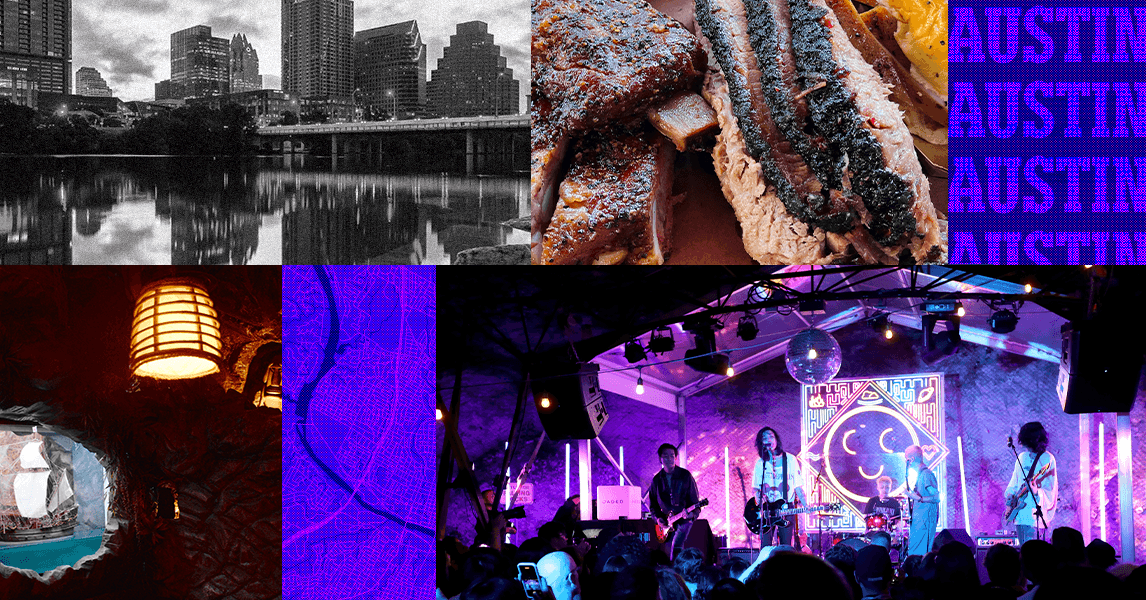
There’s no denying that an Austin tech scene, which has been simmering for decades, has reached a boiling point in the past few years. As of 2023, tech jobs accounted for 16 percent of all jobs in Austin—almost double the national average, according to the Austin Chamber of Commerce. Tech giants like Apple, Google, and Oracle all have a presence in the Texas capital, and startups like Mio, Closinglock, and MadeIn are garnering hype and VC funding. The Wall Street Journal may be hedging its bets on the hype it previously bestowed upon the city in the wake of the pandemic, but Austin persists as a kind of Babylon for burned-out techies who are tired of the Silicon Valley rat race.
The scrappy “Keep Austin Weird” era is on the wane, but there’s still plenty that feels authentic and lovable in this once-sleepy college town that was content with doing its own thing in the shadows of nearby metropolises like Dallas and Houston. If your heart isn’t dead-set on reliving the hazy glory days of the city portrayed in Richard Linklater’s classic 1993 film Dazed and Confused, you’re all but guaranteed to have a blast while bar-hopping, basking in the sun, and stuffing your face with some of the best barbecue in the world. And of course there’s live music. So, so much live music.
Jump to Section
Where to Stay
Video: Pete Cottell
Austin’s tech scene initially caught a spark in the sprawling hills west of the city—hence the “Silicon Hills” tag—but the influx of Gen X and millennial workers has created an explosion of incubators, coworking spaces, and urban lifestyle hubs that are more centrally located than the environs preferred by the suburbanized old guard that came before them. Whether you prefer a quick drive to the office park or a quick walk to your new “coffice” for the day, our picks have you covered.
1901 San Antonio St., (512) 473-8900
Situated near the Texas State Capitol on the Southwest corner of the University of Texas at Austin, the Otis is a comfortable middle ground between a boutique hotel and an international chain operation. It’s far enough from the commotion of both downtown and campus to feel calm, yet just a stone’s throw from both. The rooftop pool is clutch for winding down with a Lone Star after a long day of meetings, which can be conveniently hosted onsite at one of the six event spaces, and Acre 41 is the kind of multiuse restaurant that’s great for checking emails over coffee in the morning and brokering big deals over a Texas ribeye at night.
700 San Jacinto St., (512) 476-3700
Austin is growing upward at an unprecedented clip, but until it starts putting up New York–style pencil skyscrapers, the Omni Hotel stands out as one of the most iconic pieces of its skyline. This glistening 20-story marvel is just a few blocks from the core of Austin’s entertainment district on West 6th Street, though you wouldn’t be faulted for hardly leaving the property if a bar crawl on “Dirty 6th” isn’t your thing. The rooftop pool offers stunning views of the city and beyond, and the three onsite restaurants provide an array of dining options suitable for all occasions.
1108 E 6th St., (737) 205-8888
Many maverick tech workers are in the sole proprietor/bootstraps phase of their career, which means cutting costs while still feeling luxe (or at least presenting as such) is important. East Austin Hotel offers traditional rooms for a slight upgrade, or you can save some serious cash by booking a “cabin” room with a suite of shared private bathrooms in the middle of the floor. You’ll still have access to the pool in the middle of the property, and the hotel’s proximity to the laid-back, neighborhood-y vibe of East 6th Street makes it a great pick for aspiring professionals who would prefer to commingle with locals rather than pound the pavement with office drones.
Photograph: Sarah Kerver/Getty Images
605 Davis St., (512) 542-5300
Rainey Street ain’t what it used to be, but this charming enclave of bungalows turned bars still packs more character into a tiny city block than most midsize cities can muster in their entire downtown footprint. It’s a solid all-purpose pick for moderate luxury in the middle of one of Austin’s most charming and memorable downtown-adjacent neighborhoods.
10901 Domain St., (855) 596-3398
Most out-of-towners would be quite bummed to find out their work trip in Austin is centered around a lifestyle mall that’s a 45-minute drive from downtown, but The Domain is actually a pretty great place to spend a few days if duty calls. It’s a simulacrum of a walkable city right near blue-chip operations like Apple and Chase, so you might as well lean into the whole thing and shack up at a cool hotel that doesn’t feel like a suburban motor inn off the freeway. Lone Star Court is fashioned in the likeness of a hill country lodge, with a pair of conjoined courtyards that center around a teal oval-shaped pool with its own bar and lounge.
7415 Southwest Pkwy., Building 8, Suite 100, (512) 551-4009
Nestled atop a main thoroughfare in the “Silicon Hills” of West Austin is a shiny new AC Hotel that checks all the boxes a techy business traveler might have. It’s a short drive to heavyweights like AMD and Dell, and a handful of VCs like LiveOak and Cavvy dot the rolling hills that are on stunning display from the pool and the rooftop bar. The adjacent strip mall offers handy essentials like a local market that serves coffee and sandwiches all day, an upscale Mexican spot with great happy hour specials, and a movie theater with a bar that’s a great place to kill a few hours between meetings.
Where to Work

Photograph: Pete Cottell
Whether you’re looking for a quiet desk for the day or a parachute into a bustling tech-y social scene, the variety of coworking options available in Austin is staggering and has something for everyone. Before you walk in off the street, we strongly suggest checking their website for availability and pricing, and while you’re surfing the web, you might as well check out Austin Coworking and Deskpass, as they’re excellent resources for updates on events, newcomers to the scene, and deals on participating offices.
310 Comal St., Floor 2, (512) 399-6320
Bond Collective is a solid choice for the post-hipster techies who prefer the laid-back vibe of East Austin over the corporate thrum of downtown or the West Austin hills. Day passes start at $35 for quick drop-ins, and monthly memberships offer access to almost all Bond Collective locations in the US—with many locations in New York, Philly, and the DC area—along with 24/7 access and ad hoc conference rooms if needed.
701 Brazos St., (512) 548-9675
This startup social hall functions more so as an IRL hub for meetups and events for the entrepreneur set, but it also offers quite a few open coworking events throughout the week if you prefer a more lively and interactive environment while you tap away at your laptop. You might meet your next full-stack developer here, or (more realistically) you might swill some beers and play pop-a-shot with some dudes who ditched California for the booming startup scene the Texas capital has been riding high on for several years now.
1700 S Lamar Blvd., #338, (512) 596-2683
Tucked in the back of a new build in the cozy Zilker/South Lamar neighborhood is Fibercove, a bright and buzzy coworking space that boasts off-street parking, a Google Fiber-powered network, a cafe, and a podcast studio where you and your best buds can chat about food and politics with the hopes of going viral. Local favorites like Odd Duck, Tiki Tatsu-Ya, and an Alamo Drafthouse outpost are within a short walk, and the space shares walls with a location of the boozy brunch chain Snooze if mimosas and chilaquiles are in order.
Where to Get Your Coffee

Courtesy of Radio Coffee and Beer
1115 E 11th St.
Austin is home to a staggering number of excellent coffee shops that focus solely on brewing great coffee. It’s also chock-full of multiuse all-day drinking spots where the hours melt away and your taste for a cortado in the morning and a cafe de cachapa in the afternoon is joyously accommodated. Radio Rosewood falls in the latter camp. Coffee (and coffee cocktails, no judgment) start flowing at 7 am daily, and the Shortwave Diner truck parked outside slings a variety of diner staples like smash burgers, hot dogs, and breakfast sandwiches throughout most of Radio Rosewood’s generous hours of operation.
Multiple locations
Figure 8 is one of the most popular purveyors for cafés that don’t roast their own beans, which makes it easy to find just about anywhere, but the opportunity to try its outstanding espresso and drip coffee right at the source is one you must enjoy if possible. This low-slung rectangle of a building sits on the edge of a quiet residential area, but the inside is always buzzing gently with activity and caffeination. Order a shot made from African or Central American beans if possible, and keep an eye out for a bin of fresh breakfast tacos near the register if you need a snack.
Multiple locations
With a decade-plus of explosive growth in their rear view, it’s fair to say Houndstooth is akin to third-wave roasters like Stumptown, Blue Bottle, and Intelligentsia, all of which are synonymous with their respective cities. Their downtown location lives in the lobby of an office tower right smack in the middle of Austin’s business district, which makes it a great place to sip a cortado between meetings or escape the grind of the workday with a cold brew and a croissant.
1505 Town Creek Dr.
Nature is healing, and one of Austin’s most beloved all-night hangs has finally resumed its 24/7 schedule. As its name denotes, The Buzz Mill is a lumber mill–themed coffee bar that’s great for late-night study sessions, marathon coding sprints, work drinks with the crew, or a mellow place to sip on a drink or two while you wait for whatever it is you were doing all day to flush out of your system.
Where to Eat

Photograph: Pete Cottell
1201 S Lamar Blvd.
This South Lamar bistro casts a wide net in terms of influence, with contemporary riffs on Texan comfort classics serving as the backbone of the dozen-or-so items that populate its menu. Look no further than the climax of their current dinner offerings—a wagyu strip steak that’s plated with tater tots and masa queso—for a cheeky tell of what to expect from their delightfully low-brow iterations on high-minded chefiness.
1900 S 1st St.
Austin is located in Texas, and people in Texas love animal products. On the other hand, Austin is also a hot spot for well-heeled progressives, which means the vegetarian and vegan food is on point if you know where to look. Bouldin Creek Cafe is a funky and colorful mainstay for eco-friendly fare that’s elegant enough for a dinner date yet also crunchy enough to please a table of hungover hippies who went a bit too hard at the day rave that dragged on until 4 in the morning.
2330 W N Loop Blvd.
For 50 years this North Austin cochina has gifted Texans with upscale Mexican cuisine that joyfully transcends what your average taqueria-goer imagines when food from south of the border comes to mind. Here you’ll find stunning platters of wagyu tacos, tangy ceviches, and decadent mole that converge in a way that suggests what might happen when Mexico City answers the question of what a brasserie might look like in a hyper-modern American metropolis.
2305 E 7th St.
Founded by Joe Avila in 1962, this humble East Austin diner infuses hearty brunch fare with stately Mexican tradition. The proper move here is a breakfast plate that typically includes eggs, beans, potatoes, tortillas, and your choice of protein. Their signature dish—the Joey Rocha Plate—is centered around a rich pork guisada and sausage or bacon and is easily one of the most crave-worthy and iconic breakfast dishes in all of Austin. Smaller appetites are accommodated by a full lineup of tacos, including a handful of breakfast tacos alongside more traditional two-biters like barbacoa, chicharrone, and migas.
4710 E 5th St.
Justine’s is an Austin-ified update of the French brasserie model of casual indulgence. Its kitchen serves up decadence until midnight on weekends, offering the pre- or post-party set decadent burgers, frites, seafood dishes, and a few stunning salad options that pair wonderfully with an expansive list of cocktails, aperitifs, and wines from all over the price spectrum.
Best Barbecue

Photograph: Pete Cottell
Anointing one barbecue spot out of the hundreds in the area as “the best” is a fool’s errand, so a quick-and-dirty list of knockouts that suit a variety of needs is more appropriate. Know that most have a line well before they open, brisket sells out quickly, and very few are open more than three or four days a week. Terry Black’s is an exception to all of these rules, with generous hours, a massive seating area, and an industrious pit that makes it easy to score award-winning brisket for the entire crew at 7 pm on a Monday. La Barbecue is a consensus favorite among chefs and influencers, earning high marks for its outstanding sausage and brisket, along with its approachability—online ordering is clutch when you don’t have the time or patience for the line. KG BBQ has the most unique story on this list, with a charismatic Egyptian pitmaster who adds a Middle Eastern spin to familiar Texas staples in the form of sumac rice bowls topped with brisket, barbecue lamb pitas, and cardamom and pistachio rice pudding for dessert.
Best Breakfast Tacos
Similar to barbecue, there is no best breakfast taco spot in Austin. Most locals choose based on proximity and reliability, while natural selection weeds out the bad ones in short order. That said, the handful of locations in the Veracruz All Natural empire offer something for everyone all over town, and most of them are situated in a truck park that usually has coffee, pastries, and other local goodies on offer courtesy of the other vendors. Vaquero Taquero is a solid pick for folks situated near UT or downtown, and the Bouldin Creek location of El Tacorrido slings breakfast tacos (and other styles) out of a walk-up/drive-thru window every day from 7am to midnight.
Bars and Breweries

Photograph: Pete Cottell
1133 E 11th St.
This cheeky East Austin post-dive ingests the memories of every Midwestern transplant’s favorite windowless dump and polishes them up real nice like, in a convivial nod to the great American institution that is the neighborhood watering hole. Ice cold lager and top-tier boozy slushies wash down satisfying pub grub courtesy of the Delray Cafe truck outside, which slings smash burgers, Detroit-style coneys, and all manner of fried fare until the wee hours of the evening.
406 Walsh St.
Better Half is a great place to start the morning with a breakfast sandwich and a coffee, put your head down, and grind away on your laptop for hours, then celebrate a job well done with a draft cocktail and another sandwich. Its light and airy aesthetic, plus its massive outdoor footprint, make this Old West Austin bar/café hybrid an inviting hub for productivity, lounging our outright shenanigans if the mood strikes.
3901 Promontory Point Dr.
While Austin has seen no shortage of IPA factories come to fruition in the past decade, it’s fitting that its most significant opening rolled into town by way of the OP beer scene in Portland, Oregon. Founded in 2019 by a pair of Breakside veterans, the expansive, quasi-suburban footprint of Meanwhile brewing manages to be peak Austin in its amenities, with an massive outdoor space that boasts a stage, picnic tables galore, a kids play area, and a fleet of food trucks that puts many stand-alone truck parks to shame. The beer is also excellent, with a strong focus on crushable lagers, hazies, and the particular brand of West Coast IPAs that Breakside has brewed for award-winning results since the early 2010’s.


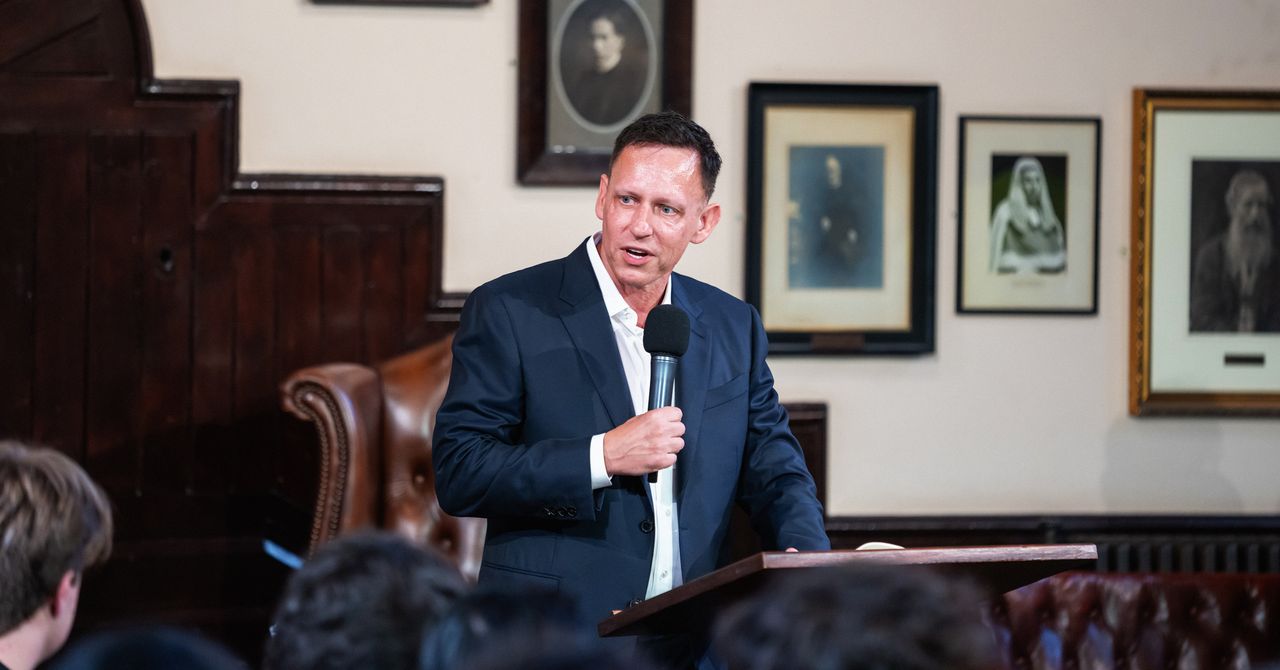
Peter Thiel—the billionaire venture capitalist, PayPal and Palantir cofounder, and outspoken commentator on all matters relating to the “Antichrist”—appears at least 2,200 times in the latest batch of files released by the Department of Justice related to convicted sex offender and disgraced financier Jeffrey Epstein.
The tranche of records demonstrate how Epstein managed to cultivate an extensive network of wealthy and influential figures in Silicon Valley. A number of them, including Thiel, continued to interact with Epstein even after his 2008 guilty plea for solicitation of prostitution and of procurement of minors to engage in prostitution.
The new files show that Thiel arranged to meet with Epstein several times between 2014 and 2017. “What are you up to on Friday?” Thiel wrote to Epstein on April 5, 2016. “Should we try for lunch?” The bulk of the communications between the two men in the data dump concern scheduling meals, calls, and meetings with one another. Thiel did not immediately return a request for comment from WIRED.
One piece of correspondence stands out for being particularly bizarre. On February 3, 2016, Thiel’s former chief of staff and senior executive assistant, Alisa Bekins, sent an email with the subject line “Meeting – Feb 4 – 9:30 AM – Peter Thiel dietary restrictions – CONFIDENTIAL.” The initial recipient of the email is redacted, but it was later forwarded directly to Epstein.
The contents of the message are also redacted in at least one version of the email chain uploaded by the Justice Department on Friday. However, two other files from what appears to be the same set of messages have less information redacted.
In one email, Bekins listed some two dozen approved kinds of sushi and animal protein, 14 approved vegetables, and 0 approved fruits for Thiel to eat. “Fresh herbs” and “olive oil” were permitted, however, ketchup, mayonnaise, and soy sauce should be avoided. Only one actual meal was explicitly outlined: “egg whites or greens/salad with some form of protein,” such as steak, which Bekins included “in the event they eat breakfast.” It’s unclear if the February 4 meeting ultimately occurred; other emails indicate Thiel got stuck in traffic on his way to meet Epstein that day.
According to a recording of an undated conversation between Epstein and former Israeli Prime Minister Ehud Barak that was also part of the files the DOJ released on Friday, Epstein told Barak that he was hoping to meet Thiel the following week. He added that he was familiar with Thiel’s company Palantir, but proceeded to spell it out loud for Barak as “Pallentier.” Epstein speculated that Thiel may put Barak on the board of Palantir, though there’s no evidence that ever occurred.
“I’ve never met Peter Thiel, and everybody says he sort of jumps around and acts really strange, like he’s on drugs,” Epstein said at one point in the audio recording, referring to Thiel. The former prime minister expressed agreement with Epstein’s assessment.
In 2015 and 2016, Epstein put $40 million in two funds managed by one of Thiel’s investment firms, Valar Ventures, according to The New York Times. Epstein and Thiel continued to communicate and were discussing meeting with one another as recently as January 2019, according to the files released by the DOJ. Epstein committed suicide in his prison cell in August of that year.
Below are Thiel’s dietary restrictions as outlined in the February 2016 email. (The following list has been reformatted slightly for clarity.)

Elon Musk’s rocket and satellite company SpaceX is acquiring his AI startup xAI, the centibillionaire announced on Monday. In a blog post, Musk said the acquisition was warranted because global electricity demand for AI cannot be met with “terrestrial solutions,” and Silicon Valley will soon need to build data centers in space to power its AI ambitions.
“In the long term, space-based AI is obviously the only way to scale,” Musk wrote. “The only logical solution therefore is to transport these resource-intensive efforts to a location with vast power and space. I mean, space is called ‘space’ for a reason.”
The deal, which pulls together two of Musk’s largest private ventures, values the combined entity at $1.25 trillion, making it the most valuable private company in the world, according to a report from Bloomberg.
SpaceX was in the process of preparing to go public later this year before the xAI acquisition was announced. The space firm’s plans for an initial public offering are still on, according to Bloomberg.
In December, SpaceX told employees that it would buy insider shares in a deal that would value the rocket company at $800 billion, according to The New York Times. Last month, xAI announced that it had raised $20 billion from investors, bringing the company’s valuation to roughly $230 billion.
This isn’t the first time Musk has sought to consolidate parts of his vast business empire, which is largely privately owned and includes xAI, SpaceX, the brain interface company Neuralink, and the tunnel transportation firm the Boring Company.
Last year, xAI acquired Musk’s social media platform, X, formerly known as Twitter, in a deal that valued the combined entity at more than $110 billion. Since then, xAI’s core product, Grok, has become further integrated into the social media platform. Grok is featured prominently in various X features, and Musk has claimed the app’s content-recommendation algorithm is powered by xAI’s technology.
A decade ago, Musk also used shares of his electric car company Tesla to purchase SolarCity, a renewable energy firm that was run at the time by cousin Lyndon Rive.
The xAI acquisition demonstrates how Musk can use his expansive network of companies to help power his own often grandiose visions of the future. Elon Musk said in the blog post that SpaceX will immediately focus on launching satellites into space to power AI development on Earth, but eventually, the space-based data centers he envisions building could power civilizations on other planets, such as Mars.
“This marks not just the next chapter, but the next book in SpaceX and xAI’s mission: scaling to make a sentient sun to understand the Universe and extend the light of consciousness to the stars,” Musk said in the blog post.
Since last March, the Department of Health and Human Services has been using AI tools from Palantir to screen and audit grants, grant applications, and job descriptions for noncompliance with President Donald Trump’s executive orders targeting “gender ideology” and anything related to diversity, equity, and inclusion (DEI), according to a recently published inventory of all use cases HHS had for AI in 2025.
Neither Palantir nor HHS has publicly announced that the company’s software was being used for these purposes. During the first year of Trump’s second term, Palantir earned more than $35 million in payments and obligations from HHS alone. None of the descriptions for these transactions mention this work targeting DEI or “gender ideology.”
The audits have been taking place within HHS’s Administration for Children and Families (ACF), which funds family and child welfare and oversees the foster and adoption systems. Palantir is the sole contractor charged with making a list of “position descriptions that may need to be adjusted for alignment with recent executive orders.”
In addition to Palantir, the startup Credal AI—which was founded by two Palantir alumni—helped ACF audit “existing grants and new grant applications.” The “AI-based” grant review process, the inventory says, “reviews application submission files and generates initial flags and priorities for discussion.” All relevant information is then routed to the ACF Program Office for final review.
ACF staffers ultimately review any job descriptions, grants, and grant applications that are flagged by AI during a “final review” stage, according to the inventory. It also says that these particular AI use cases are currently “deployed” within ACF, meaning that they are actively being used at the agency.
Last year, ACF paid Credal AI about $750,000 to provide the company’s “Tech Enterprise Generative Artificial Intelligence (GenAI) Platform,” but the payment descriptions in the Federal Register do not mention DEI or “gender ideology.”
HHS, ACF, Palantir, and Credal AI did not return WIRED’s requests for comment.
The executive orders—Executive Order 14151, “Ending Radical and Wasteful Government DEI Programs and Preferencing,” and Executive Order 14168, “Defending Women From Gender Ideology Extremism and Restoring Biological Truth to the Federal Government”—were both issued on Trump’s first day in office last year.
The first of these orders demands an end to any policies, programs, contracts, grants that mention or concern DEIA, DEI, “equity,” or “environmental justice,” and charges the Office of Management and Budget, the Office of Personnel Management, and the attorney general with leading these efforts.
The second order demands that all “interpretation of and application” of federal laws and policies define “sex” as an “immutable biological classification” and define the only genders as “male” and “female.” It deems “gender ideology” and “gender identity” to be “false” and “disconnected from biological reality.” It also says that no federal funds can be used “to promote gender ideology.”
“Each agency shall assess grant conditions and grantee preferences and ensure grant funds do not promote gender ideology,” it reads.
The consequences of Executive Order 14151, targeting DEI, and Executive Order 14168, targeting “gender ideology,” have been felt deeply throughout the country over the past year.
Early last year, the National Science Foundation started to flag any research that contained terms associated with DEI—including relatively general terms, like “female,” “inclusion,” “systemic,” or “underrepresented”—and place it under official review. The Centers for Disease Control and Prevention began retracting or pausing research that mentioned terms like “LGBT,” “transsexual,” or “nonbinary,” and stopped processing any data related to transgender people. Last July, the Substance Abuse and Mental Health Services Administration removed an LGBTQ youth service line offered by the 988 Suicide & Crisis Lifeline.


Renewable energy uptake grows, but textile decarbonisation lags

India’s Arvind Fashions posts strong Q3 FY26 as revenue jumps 14.5%

Royal Princess photo emerges in Epstein files weeks after Palace notice

-

 Sports7 days ago
PSL 11: Local players’ category renewals unveiled ahead of auction
-

 Entertainment6 days ago
Claire Danes reveals how she reacted to pregnancy at 44
-

 Sports6 days ago
College football’s top 100 games of the 2025 season
-
 Business7 days ago
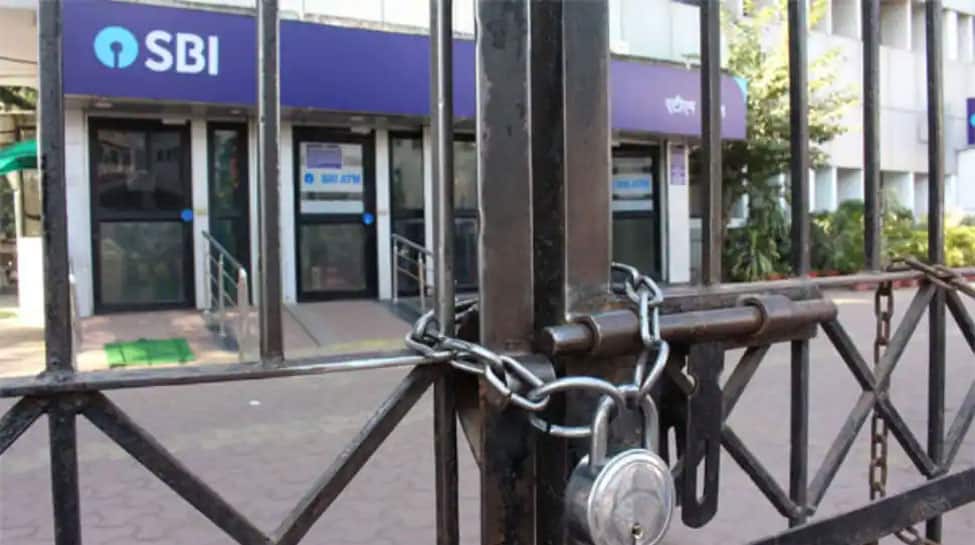
Banking services disrupted as bank employees go on nationwide strike demanding five-day work week
-

 Politics6 days ago
Trump vows to ‘de-escalate’ after Minneapolis shootings
-

 Sports6 days ago
Tammy Abraham joins Aston Villa 1 day after Besiktas transfer
-

 Entertainment6 days ago
K-Pop star Rosé to appear in special podcast before Grammy’s
-

 Tech7 days ago
Brighten Your Darkest Time (of Year) With This Smart Home Upgrade