

Tech
Tech Traveler’s Guide to Austin: Where to Stay, Eat, and Recharge


There’s no denying that an Austin tech scene, which has been simmering for decades, has reached a boiling point in the past few years. As of 2023, tech jobs accounted for 16 percent of all jobs in Austin—almost double the national average, according to the Austin Chamber of Commerce. Tech giants like Apple, Google, and Oracle all have a presence in the Texas capital, and startups like Mio, Closinglock, and MadeIn are garnering hype and VC funding. The Wall Street Journal may be hedging its bets on the hype it previously bestowed upon the city in the wake of the pandemic, but Austin persists as a kind of Babylon for burned-out techies who are tired of the Silicon Valley rat race.
The scrappy “Keep Austin Weird” era is on the wane, but there’s still plenty that feels authentic and lovable in this once-sleepy college town that was content with doing its own thing in the shadows of nearby metropolises like Dallas and Houston. If your heart isn’t dead-set on reliving the hazy glory days of the city portrayed in Richard Linklater’s classic 1993 film Dazed and Confused, you’re all but guaranteed to have a blast while bar-hopping, basking in the sun, and stuffing your face with some of the best barbecue in the world. And of course there’s live music. So, so much live music.
Jump to Section
Where to Stay
Video: Pete Cottell
Austin’s tech scene initially caught a spark in the sprawling hills west of the city—hence the “Silicon Hills” tag—but the influx of Gen X and millennial workers has created an explosion of incubators, coworking spaces, and urban lifestyle hubs that are more centrally located than the environs preferred by the suburbanized old guard that came before them. Whether you prefer a quick drive to the office park or a quick walk to your new “coffice” for the day, our picks have you covered.
1901 San Antonio St., (512) 473-8900
Situated near the Texas State Capitol on the Southwest corner of the University of Texas at Austin, the Otis is a comfortable middle ground between a boutique hotel and an international chain operation. It’s far enough from the commotion of both downtown and campus to feel calm, yet just a stone’s throw from both. The rooftop pool is clutch for winding down with a Lone Star after a long day of meetings, which can be conveniently hosted onsite at one of the six event spaces, and Acre 41 is the kind of multiuse restaurant that’s great for checking emails over coffee in the morning and brokering big deals over a Texas ribeye at night.
700 San Jacinto St., (512) 476-3700
Austin is growing upward at an unprecedented clip, but until it starts putting up New York–style pencil skyscrapers, the Omni Hotel stands out as one of the most iconic pieces of its skyline. This glistening 20-story marvel is just a few blocks from the core of Austin’s entertainment district on West 6th Street, though you wouldn’t be faulted for hardly leaving the property if a bar crawl on “Dirty 6th” isn’t your thing. The rooftop pool offers stunning views of the city and beyond, and the three onsite restaurants provide an array of dining options suitable for all occasions.
1108 E 6th St., (737) 205-8888
Many maverick tech workers are in the sole proprietor/bootstraps phase of their career, which means cutting costs while still feeling luxe (or at least presenting as such) is important. East Austin Hotel offers traditional rooms for a slight upgrade, or you can save some serious cash by booking a “cabin” room with a suite of shared private bathrooms in the middle of the floor. You’ll still have access to the pool in the middle of the property, and the hotel’s proximity to the laid-back, neighborhood-y vibe of East 6th Street makes it a great pick for aspiring professionals who would prefer to commingle with locals rather than pound the pavement with office drones.
Photograph: Sarah Kerver/Getty Images
605 Davis St., (512) 542-5300
Rainey Street ain’t what it used to be, but this charming enclave of bungalows turned bars still packs more character into a tiny city block than most midsize cities can muster in their entire downtown footprint. It’s a solid all-purpose pick for moderate luxury in the middle of one of Austin’s most charming and memorable downtown-adjacent neighborhoods.
10901 Domain St., (855) 596-3398
Most out-of-towners would be quite bummed to find out their work trip in Austin is centered around a lifestyle mall that’s a 45-minute drive from downtown, but The Domain is actually a pretty great place to spend a few days if duty calls. It’s a simulacrum of a walkable city right near blue-chip operations like Apple and Chase, so you might as well lean into the whole thing and shack up at a cool hotel that doesn’t feel like a suburban motor inn off the freeway. Lone Star Court is fashioned in the likeness of a hill country lodge, with a pair of conjoined courtyards that center around a teal oval-shaped pool with its own bar and lounge.
7415 Southwest Pkwy., Building 8, Suite 100, (512) 551-4009
Nestled atop a main thoroughfare in the “Silicon Hills” of West Austin is a shiny new AC Hotel that checks all the boxes a techy business traveler might have. It’s a short drive to heavyweights like AMD and Dell, and a handful of VCs like LiveOak and Cavvy dot the rolling hills that are on stunning display from the pool and the rooftop bar. The adjacent strip mall offers handy essentials like a local market that serves coffee and sandwiches all day, an upscale Mexican spot with great happy hour specials, and a movie theater with a bar that’s a great place to kill a few hours between meetings.
Where to Work

Photograph: Pete Cottell
Whether you’re looking for a quiet desk for the day or a parachute into a bustling tech-y social scene, the variety of coworking options available in Austin is staggering and has something for everyone. Before you walk in off the street, we strongly suggest checking their website for availability and pricing, and while you’re surfing the web, you might as well check out Austin Coworking and Deskpass, as they’re excellent resources for updates on events, newcomers to the scene, and deals on participating offices.
310 Comal St., Floor 2, (512) 399-6320
Bond Collective is a solid choice for the post-hipster techies who prefer the laid-back vibe of East Austin over the corporate thrum of downtown or the West Austin hills. Day passes start at $35 for quick drop-ins, and monthly memberships offer access to almost all Bond Collective locations in the US—with many locations in New York, Philly, and the DC area—along with 24/7 access and ad hoc conference rooms if needed.
701 Brazos St., (512) 548-9675
This startup social hall functions more so as an IRL hub for meetups and events for the entrepreneur set, but it also offers quite a few open coworking events throughout the week if you prefer a more lively and interactive environment while you tap away at your laptop. You might meet your next full-stack developer here, or (more realistically) you might swill some beers and play pop-a-shot with some dudes who ditched California for the booming startup scene the Texas capital has been riding high on for several years now.
1700 S Lamar Blvd., #338, (512) 596-2683
Tucked in the back of a new build in the cozy Zilker/South Lamar neighborhood is Fibercove, a bright and buzzy coworking space that boasts off-street parking, a Google Fiber-powered network, a cafe, and a podcast studio where you and your best buds can chat about food and politics with the hopes of going viral. Local favorites like Odd Duck, Tiki Tatsu-Ya, and an Alamo Drafthouse outpost are within a short walk, and the space shares walls with a location of the boozy brunch chain Snooze if mimosas and chilaquiles are in order.
Where to Get Your Coffee

Courtesy of Radio Coffee and Beer
1115 E 11th St.
Austin is home to a staggering number of excellent coffee shops that focus solely on brewing great coffee. It’s also chock-full of multiuse all-day drinking spots where the hours melt away and your taste for a cortado in the morning and a cafe de cachapa in the afternoon is joyously accommodated. Radio Rosewood falls in the latter camp. Coffee (and coffee cocktails, no judgment) start flowing at 7 am daily, and the Shortwave Diner truck parked outside slings a variety of diner staples like smash burgers, hot dogs, and breakfast sandwiches throughout most of Radio Rosewood’s generous hours of operation.
Multiple locations
Figure 8 is one of the most popular purveyors for cafés that don’t roast their own beans, which makes it easy to find just about anywhere, but the opportunity to try its outstanding espresso and drip coffee right at the source is one you must enjoy if possible. This low-slung rectangle of a building sits on the edge of a quiet residential area, but the inside is always buzzing gently with activity and caffeination. Order a shot made from African or Central American beans if possible, and keep an eye out for a bin of fresh breakfast tacos near the register if you need a snack.
Multiple locations
With a decade-plus of explosive growth in their rear view, it’s fair to say Houndstooth is akin to third-wave roasters like Stumptown, Blue Bottle, and Intelligentsia, all of which are synonymous with their respective cities. Their downtown location lives in the lobby of an office tower right smack in the middle of Austin’s business district, which makes it a great place to sip a cortado between meetings or escape the grind of the workday with a cold brew and a croissant.
1505 Town Creek Dr.
Nature is healing, and one of Austin’s most beloved all-night hangs has finally resumed its 24/7 schedule. As its name denotes, The Buzz Mill is a lumber mill–themed coffee bar that’s great for late-night study sessions, marathon coding sprints, work drinks with the crew, or a mellow place to sip on a drink or two while you wait for whatever it is you were doing all day to flush out of your system.
Where to Eat

Photograph: Pete Cottell
1201 S Lamar Blvd.
This South Lamar bistro casts a wide net in terms of influence, with contemporary riffs on Texan comfort classics serving as the backbone of the dozen-or-so items that populate its menu. Look no further than the climax of their current dinner offerings—a wagyu strip steak that’s plated with tater tots and masa queso—for a cheeky tell of what to expect from their delightfully low-brow iterations on high-minded chefiness.
1900 S 1st St.
Austin is located in Texas, and people in Texas love animal products. On the other hand, Austin is also a hot spot for well-heeled progressives, which means the vegetarian and vegan food is on point if you know where to look. Bouldin Creek Cafe is a funky and colorful mainstay for eco-friendly fare that’s elegant enough for a dinner date yet also crunchy enough to please a table of hungover hippies who went a bit too hard at the day rave that dragged on until 4 in the morning.
2330 W N Loop Blvd.
For 50 years this North Austin cochina has gifted Texans with upscale Mexican cuisine that joyfully transcends what your average taqueria-goer imagines when food from south of the border comes to mind. Here you’ll find stunning platters of wagyu tacos, tangy ceviches, and decadent mole that converge in a way that suggests what might happen when Mexico City answers the question of what a brasserie might look like in a hyper-modern American metropolis.
2305 E 7th St.
Founded by Joe Avila in 1962, this humble East Austin diner infuses hearty brunch fare with stately Mexican tradition. The proper move here is a breakfast plate that typically includes eggs, beans, potatoes, tortillas, and your choice of protein. Their signature dish—the Joey Rocha Plate—is centered around a rich pork guisada and sausage or bacon and is easily one of the most crave-worthy and iconic breakfast dishes in all of Austin. Smaller appetites are accommodated by a full lineup of tacos, including a handful of breakfast tacos alongside more traditional two-biters like barbacoa, chicharrone, and migas.
4710 E 5th St.
Justine’s is an Austin-ified update of the French brasserie model of casual indulgence. Its kitchen serves up decadence until midnight on weekends, offering the pre- or post-party set decadent burgers, frites, seafood dishes, and a few stunning salad options that pair wonderfully with an expansive list of cocktails, aperitifs, and wines from all over the price spectrum.
Best Barbecue

Photograph: Pete Cottell
Anointing one barbecue spot out of the hundreds in the area as “the best” is a fool’s errand, so a quick-and-dirty list of knockouts that suit a variety of needs is more appropriate. Know that most have a line well before they open, brisket sells out quickly, and very few are open more than three or four days a week. Terry Black’s is an exception to all of these rules, with generous hours, a massive seating area, and an industrious pit that makes it easy to score award-winning brisket for the entire crew at 7 pm on a Monday. La Barbecue is a consensus favorite among chefs and influencers, earning high marks for its outstanding sausage and brisket, along with its approachability—online ordering is clutch when you don’t have the time or patience for the line. KG BBQ has the most unique story on this list, with a charismatic Egyptian pitmaster who adds a Middle Eastern spin to familiar Texas staples in the form of sumac rice bowls topped with brisket, barbecue lamb pitas, and cardamom and pistachio rice pudding for dessert.
Best Breakfast Tacos
Similar to barbecue, there is no best breakfast taco spot in Austin. Most locals choose based on proximity and reliability, while natural selection weeds out the bad ones in short order. That said, the handful of locations in the Veracruz All Natural empire offer something for everyone all over town, and most of them are situated in a truck park that usually has coffee, pastries, and other local goodies on offer courtesy of the other vendors. Vaquero Taquero is a solid pick for folks situated near UT or downtown, and the Bouldin Creek location of El Tacorrido slings breakfast tacos (and other styles) out of a walk-up/drive-thru window every day from 7am to midnight.
Bars and Breweries

Photograph: Pete Cottell
1133 E 11th St.
This cheeky East Austin post-dive ingests the memories of every Midwestern transplant’s favorite windowless dump and polishes them up real nice like, in a convivial nod to the great American institution that is the neighborhood watering hole. Ice cold lager and top-tier boozy slushies wash down satisfying pub grub courtesy of the Delray Cafe truck outside, which slings smash burgers, Detroit-style coneys, and all manner of fried fare until the wee hours of the evening.
406 Walsh St.
Better Half is a great place to start the morning with a breakfast sandwich and a coffee, put your head down, and grind away on your laptop for hours, then celebrate a job well done with a draft cocktail and another sandwich. Its light and airy aesthetic, plus its massive outdoor footprint, make this Old West Austin bar/café hybrid an inviting hub for productivity, lounging our outright shenanigans if the mood strikes.
3901 Promontory Point Dr.
While Austin has seen no shortage of IPA factories come to fruition in the past decade, it’s fitting that its most significant opening rolled into town by way of the OP beer scene in Portland, Oregon. Founded in 2019 by a pair of Breakside veterans, the expansive, quasi-suburban footprint of Meanwhile brewing manages to be peak Austin in its amenities, with an massive outdoor space that boasts a stage, picnic tables galore, a kids play area, and a fleet of food trucks that puts many stand-alone truck parks to shame. The beer is also excellent, with a strong focus on crushable lagers, hazies, and the particular brand of West Coast IPAs that Breakside has brewed for award-winning results since the early 2010’s.


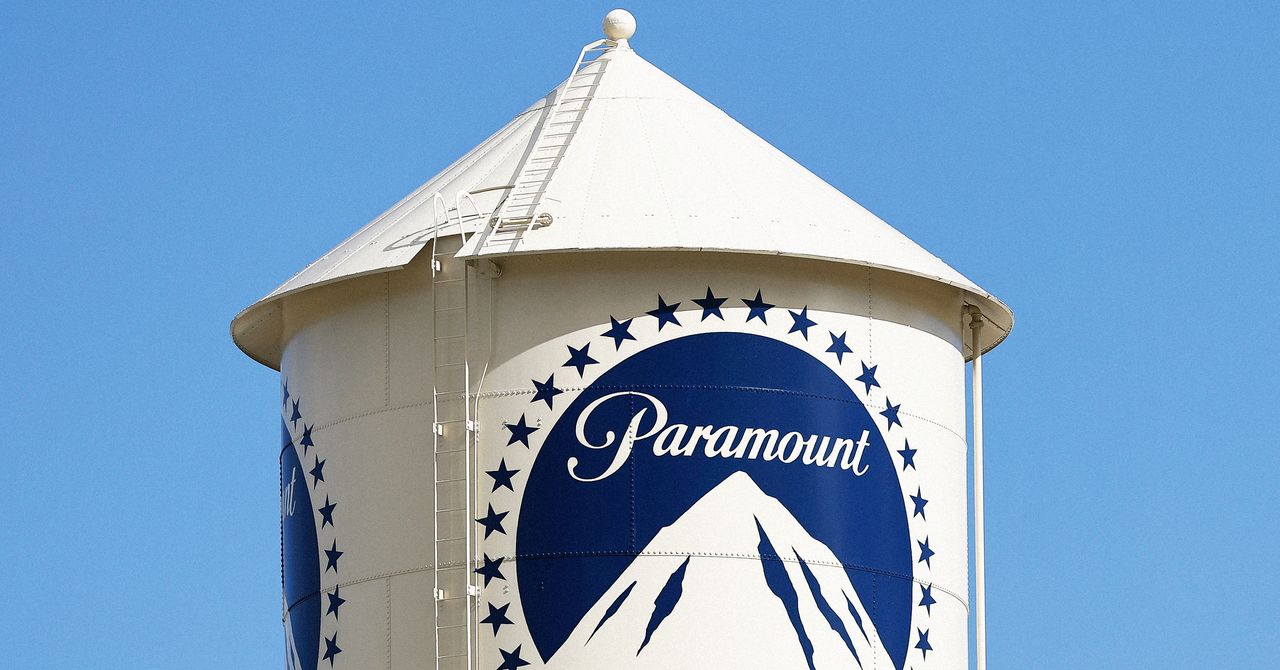
The online leak of a full version of Avatar: Aang, The Last Airbender—a highly anticipated animated film in a multimedia fantasy franchise—has divided passionate fans while upsetting those who spent years working on the film.
The leaks began on X late on Saturday night, about six months before Aang was scheduled to premiere on Paramount+. User @ImStillDissin posted two short clips from the film. “Nickelodeon accidentally emailed me the entire Avatar aang movie,” he claimed. He also threatened to stream the entire movie if Paramount didn’t release an official trailer, and he posted a still from the movie’s end credits, revealing previously undisclosed voice-over cast and roles. The media from @ImStillDissin’s posts were later hit with copyright strikes and removed.
But within 48 hours, links to download the full movie appeared on 4chan and X, where some users also directly streamed the film. Across the web, fans said they had successfully pirated and watched what appeared to be a nearly finished and “beautiful” animated film.
While some argued that Paramount deserved to be punished because of certain creative and marketing decisions around the movie, others noted what a blow the leak was to the animators and production crew. A number of those team members took to social media to convey their sadness and frustration.
“We worked on the aang movie for years with the expectation that’d [sic] we’d get to celebrate all of our hard work in theaters. Just to see people unceremoniously leak the film and pass our shots around on twitter like candy,” animator Julia Schoel wrote Tuesday on X.
The user behind @ImStillDissin, who would not reveal his real name due to fear of legal repercussions, tells WIRED that he obtained the movie almost by chance and did not expect his posts to set off such a crisis in the entertainment world. “When I posted those clips I was purely trolling,” he says. “I was expecting a day of clout farming at best, not for the whole thing to blow up like this.”
(While WIRED has done its due diligence in verifying that the person speaking to us was behind the @ImStillDissin X account, we acknowledge that the hacking community is known to troll.)
According to @ImStillDissin, a screen-grabbed version of Avatar: Aang, The Last Airbender was circulating among people he knew from his days in the hacking community, one of whom shared it with him. “Broadly speaking, the supply chain for movies and TV is rife with insecure companies and vendors and lax checks,” he claims. He notes that two different SpongeBob SquarePants movies leaked months before their release dates in 2024. “Someone on 4chan who wasn’t happy at me drip-feeding stuff posted a copy of a draft script [of the new Avatar film] from like two years back,” says @ImStillDissin.
Neither Nickelodeon nor its parent company Paramount have confirmed a hack had taken place, nor have they issued a statement on the matter. They also did not respond to requests for comment.
Originally announced in 2021, Avatar: Aang, The Last Airbender marked the first production for Avatar Studios, a division of Nickelodeon’s animation department.
Some people felt justified in pirating and sharing the movie due to the recasting of voice actors. Last year, during a Reddit AMA, casting director Jenny Jue wrote that the voice cast from the Avatar TV show that aired on Nickelodeon in the 2000s was not returning due to efforts to “match actors’ ethnic/racial background to the characters they’re portraying.”

Having demonstrated that it has the operational capability to transport humans safely to the moon and back, the United States is moving on to its next major aim: It wants nuclear reactors in orbit and on the lunar surface by 2030. For such a feat, the National Aeronautics and Space Administration will have to work in conjunction with the Department of Defense and the Department of Energy.
In a post on X, the White House Office of Science and Technology Policy (OSTP) unveiled a document with new guidelines for federal agencies to establish the space nuclear technology road map for the coming years. This, they say, will ensure “US space superiority.”
At present, space instruments use solar power to operate. However, this is considered impractical for more complex purposes. Although technically there is always sunlight, the power is intermittent and almost always requires bulky batteries to store it.
Reactors produce fairly continuous energy for years through nuclear fission. They can also be used for so-called nuclear electric propulsion. Continuous output makes them the most viable option for lunar base subsistence, but they can also allow spacecraft to undertake long or complex missions without worrying about depleting a limited supply of chemical fuel.
Nuclear technology, in short, makes it possible to go farther, with more payload, for longer, and with fewer constraints.
According to the memorandum, the US goal is to put a medium-power reactor in orbit by 2028, with a variant designed for nuclear electric propulsion, and a first functional large reactor on the surface of the moon by 2030. To achieve this, both NASA and the Pentagon will develop energy technologies in parallel, using the current strategy of competition among contractors.
The reactors will have to be modular and scalable, and will have to include applications for both future life on the moon and space propulsion. For its part, the DOE will have to ensure that these projects have the fuel, infrastructure, and safety features necessary to achieve their objectives. In addition, the agency will evaluate whether the industry has the capacity to produce up to four reactors in five years.
The plan contemplates technologies that produce at least 20 kilowatts of electricity (kWe) for three years in orbit and at least five years on the lunar surface. In the meantime, they should have a design capable of raising power to 100 kWe. The first designs should arrive within a year.
Finally, the order tasks the OSTP with creating a road map for the initiative, noting obstacles and recommendations for addressing them.
“Nuclear power in space will give us the sustained electricity, heating, and propulsion essential to a permanent presence on the moon, Mars, and beyond,” OSTP posted. For his part, NASA administrator Jared Isaacman posted, “The time has come for America to get underway on nuclear power in space.” The message was followed by an emoji of a US flag.
The plan provides a common framework for each agency to work within. In the background, the race for space infrastructure is evidence of technological competition with China, which is also seeking advanced energy capabilities for the moon.
This story originally appeared in WIRED en Español and has been translated from Spanish.

Nvidia is the undisputed king of AI chips. But thanks to the AI it helped build, the champ could soon face growing competition.
Modern AI runs on Nvidia designs, a dynamic that has propelled the company to a market cap of well over $4 trillion. Each new generation of Nvidia chip allows companies to train more powerful AI models using hundreds or thousands of processors networked together inside vast data centers. One reason for Nvidia’s success is that it provides software to help program each new generation of chip. That may soon not be such a differentiated skill.
A startup called Wafer is training AI models to do one of the most difficult and important jobs in AI—optimizing code so that it runs as efficiently as possible on a particular silicon chip.
Emilio Andere, cofounder and CEO of Wafer, says the company performs reinforcement learning on open source models to teach them to write kernel code, or software that interacts directly with hardware in an operating system. Andere says Wafer also adds “agentic harnesses” to existing coding models like Anthropic’s Claude and OpenAI’s GPT to soup up their ability to write code that runs directly on chips.
Many prominent tech companies now have their own chips. Apple and others have for years used custom silicon to improve the performance and the efficiency of software running on laptops, tablets, and smartphones. At the other end of the scale, companies like Google and Amazon mint their own silicon to improve the performance of their cloud-computing platforms. Meta recently said it would deploy 1 gigawatt of compute capacity with a new chip developed with Broadcom. Deploying custom silicon also involves writing a lot of code so that it runs smoothly and efficiently on the new processor.
Wafer is working with companies including AMD and Amazon to help optimize software to run efficiently on their hardware. The startup has so far raised $4 million in seed funding from Google’s Jeff Dean, Wojciech Zaremba of OpenAI, and others.
Andere believes that his company’s AI-led approach has the potential to challenge Nvidia’s dominance. A number of high-end chips now offer similar raw floating point performance—a key industry benchmark of a chip’s ability to perform simple calculations—to Nvidia’s best silicon.
“The best AMD hardware, the best [Amazon] Trainium hardware, the best [Google] TPUs, give you the same theoretical flops to Nvidia GPUs,” Andere told me recently. “We want to maximize intelligence per watt.”
Performance engineers with the skill needed to optimize code to run reliably and efficiently on these chips are expensive and in high demand, Andere says, while Nvidia’s software ecosystem makes it easier to write and maintain code for its chips. That makes it hard for even the biggest tech companies to go it alone.
When Anthropic partnered with Amazon to build its AI models on Trainium, for instance, it had to rewrite its model’s code from scratch to make it run as efficiently as possible on the hardware, Andere says.
Of course, Anthropic’s Claude is now one of many AI models that are now superhuman at writing code. So Andere reckons it may not be long before AI starts consuming Nvidia software advantage.
“The moat lives in the programmability of the chip,” Andere says in reference to the libraries and software tools that make it easier to optimize code for Nvidia hardware. “I think it’s time to start rethinking whether that’s actually a strong moat.”
Besides making it easier to optimize code for different silicon, AI may soon make it easier to design chips themselves. Ricursive Intelligence, a startup founded by two ex-Google engineers, Azalia Mirhoseini and Anna Goldie, is developing new ways to design computer chips with artificial intelligence. If its technology takes off, a lot more companies could branch into chip design, creating custom silicon that runs their software more efficiently.


Prince Harry talks about ‘betrayal’ as William blocks return to royal fold

Asian stocks today: Markets inch higher on US-Iran peace hopes; Nikkei jumps 2%, HSI adds 360 points – The Times of India

Switzerland’s apparel imports grow double-digit in Jan–Feb 2026

-

 Fashion1 week ago
India’s exports face reset as EU links trade to carbon metrics: EY
-

 Entertainment1 week ago
Lamar Odom shocking response to Khloé Kardashian account of his overdose
-

 Entertainment1 week ago
Queen Elizabeth II emotional message for Archie, Lilibet sparks speculation
-

 Tech1 week ago
Azure customers up in arms over ‘full’ UK South region | Computer Weekly
-

 Tech1 week ago
As the Strait of Hormuz Reopens, Global Shipping Will Take Months to Recover
-

 Fashion1 week ago
CII submits 20-pt agenda to Indian govt to back firms hit by Iran war
-

 Tech7 days ago
This AI Button Wearable From Ex-Apple Engineers Looks Like an iPod Shuffle
-

 Politics6 days ago
Indian airlines hit hardest after Dubai limits foreign flights until May 31