

Tech
Tech Traveler’s Guide to Chicago: Where to Stay, Eat, and Recharge

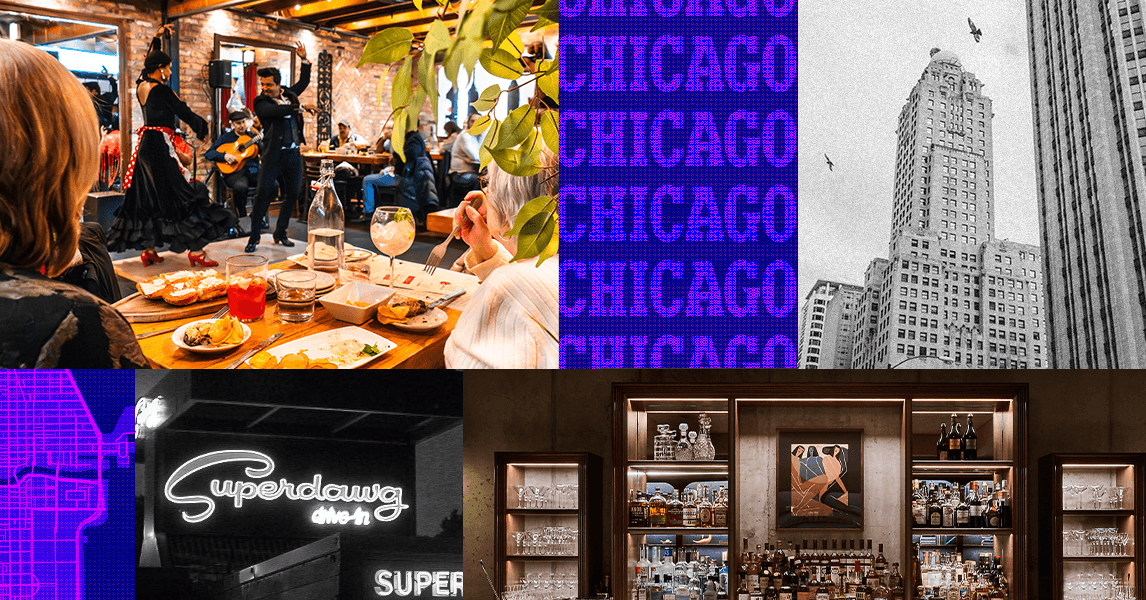
Chicago always has something to prove. When it went up against New York for the 1893 World’s Fair, a New York Sun reporter called out its “windbag” campaigners. Illinois ended up hosting the fair, and Chicago embraced its new identity as the Windy City. That chip-on-the-shoulder energy still defines this metropolis, a city that builds, innovates, and competes like it has everything to lose.
Chicago’s tech scene is a diverse landscape that shouldn’t be slept on—but you probably know that. The Second City’s tech sector has grown by 18 percent over the past decade, adding more than 106,000 direct jobs and nearly 150,000 indirect jobs, according to the Chicagoland Chamber of Commerce. The city’s universities produce more computer science graduates than anywhere else in the US. Giants like Google, Salesforce, and Meta have satellite operations here, while startups like Tegus, Uber Freight, and G2 have relocated from Silicon Valley, drawn by Chicago’s talent pool and affordable cost of living.
Chicago’s tech scene is not siloed; nearly half of all tech positions are tied to core industries like health care, finance, and logistics. Last August, the TechChicago conference spotlighted quantum computing, energy-efficient data centers, and equitable access to capital, demonstrating that Chicago is thinking about how technology can enhance everyday life.
To be in Chicago is to work hard, play harder. Dinner in Fulton Market, drinks on the Riverwalk, and a comedy set to close out the night.
Jump to Section
Where to Stay
While Chicago’s tech scene spans the city, chances are your work trip landed you somewhere in the Loop, River North, or West Loop area. Our lodgings keep you close, comfortable, and surrounded by fellow professionals.
Courtesy of The St. Regis Chicago
363 E. Wacker Drive, (312) 787-3447
Where the Chicago River and Lake Michigan meet, the St. Regis delivers the city’s pinnacle of luxury, complete with a world-class spa, fitness facilities, and acclaimed dining. The Signature Butler Service takes care of unpacking, suit pressing, shoe shines, and morning coffee (or tea), so you can focus on the business that brought you here. A complimentary house car can get you to nearby meetings or lunches within a 2-mile radius. Start with the Tokyo Breakfast at Japanese restaurant Miru, return at 5 pm for the hotel’s daily champagne sabrage, then head to Tre Dita for handmade pasta and Tuscan wood-fired steaks—be sure to reserve ahead.
200 N Green St., (312) 761-1700
If you want a hotel that feels like part of the city, it’s the Hoxton in the West Loop. Check in and out anytime when you book directly. Workspaces are available, from library desks to coworking spaces and meeting rooms. If you’re hungry, the on-site café serves Aya Bakery pastries and coffee, and if you need a break, daybeds await, which are ideal for a power nap or nursing a hangover. Weather permitting, their outdoor terraces double as another place to get work done. You don’t even have to leave the Hoxton to hit the neighborhood’s hottest dining and drinking spots; Cira serves Mediterranean-inspired eats all day, Cabra Cevicheria dishes Peruvian bites on the rooftop, head downstairs to Lazy Bird for cocktails and live music Thursday through Saturday, and Milk Bar is also in-house for a late-night sugar fix.

Courtesy of The Emily Hotel
311 N Morgan St., (312) 764-1919
In Fulton Market, the Emily Hotel is perfect for travelers who want a local vibe with all the luxuries and tech conveniences. Grab a coffee at the in-house coffee bar, lunch at Fora, cocktails at rooftop bar Selva, and dinner at Sushi by Bou. Stay active in the 24/7 fitness center, and if the weather permits, catch a film at the hotel’s terrace cinema.
900 E Grand, (872) 710-5700
At Sable, you’ll have everything you need for an enjoyable stay. Grab a coffee in the lobby at Kisbi, where single-origin beans from Costa Rica, Kenya, and Ethiopia make your morning feel instantly richer. Lirica, the Spanish- and Iberian-inspired restaurant, is perfect for a solo lunch or team dinner. The Offshore Rooftop has unbeatable views of the skyline and Lake Michigan, plus a full-service bar. As for amenities, there’s a 24-hour fitness center, meeting rooms if you need to get work done, and, of course, Navy Pier itself just outside your door—full shops, restaurants, and attractions to keep you entertained. It’s a bit like living in a mall.

Courtesy of InterContinental Chicago
505 N Michigan Ave., (312) 944-4100
In the heart of the Magnificent Mile, the InterContinental blends big-city business energy with old-school glamour. That’s partially thanks to its indoor pool, a 1929 stunner tiled in Spanish Majolica and watched over by a terracotta Neptune fountain, floating 14 stories above Michigan Avenue. During the week, you’ll mostly see business travelers, though families often stay here, too. The practical amenities are covered, including meeting rooms, printing services, and even a notary. There’s a Starbucks in the lobby, but with so many better local cafés nearby, it’s worth wandering out.
Where to Work
You can work from any of the hotels on our list, but if you need a change of scenery, Chicago has plenty of coworking options, too. Below are some of our favorites, and Deskpass is a great resource for more options.

Photograph: Steve Geer/Getty Images
20 N. Wacker Drive, 12th Floor
Inside the Civic Opera Building in the city’s business district, this 60,000-square-foot workspace is designed for tech professionals. Fast Wi-Fi, ergonomic setups, meeting rooms, and even a rooftop terrace and fitness center. Drop in for $35 a day on Deskpass.
3130 N Rockwell St.
In Avondale, Guild Row offers a sunlit workspace with high ceilings, private Zoom booths, and a café and bar for breaks. The Belmont Room hosts workshops, talks, and events, but the overall atmosphere is calm and focused for getting work done without distractions. It’s a space to recharge, meet like-minded people, or settle in for a productive day. You can purchase a day pass for $28.
1821 W Hubbard St Unit 209
In the West Loop, Art/Work Coworking is a creative lab that draws in the city’s creatives, techies, and freelancers. Open 24/7 with automated access, it offers desks and bookable meeting rooms. Drop in with Deskpass, or book a conference room starting at $50 an hour.
Where to Get Your Coffee
112 N Green St.
If you need a reliable off-site work spot, Sawada Coffee has plenty of seats, strong Wi-Fi, and strong coffee. Founded by Japanese barista Hiroshi Sawada, Sawada Coffee is renowned for the Military Latte—a rich jolt of matcha, espresso, and cocoa—but they also have cortados, cappuccinos, and cookies on hand to keep the workflow steady.
714 N Wells St.
Owned by Palestinian American friends, Oud Coffee is a River North favorite for craft lattes and bites. The signature Oud latte blends pistachio syrup, cardamom spice, and fresh mint, while the menu also includes Turkish coffee, tea, and smoothies. Snack on Manakeesh flatbread, stuffed dates, or baklava. Spacious indoor seating makes it a solid spot to catch up on work, or sit outside if the weather permits. There’s another location in Wicker Park, should you find yourself closer to that neighborhood.
5531 N Clark St.
The Understudy is a theater-bookstore-slash-café, with passion fruit syrup on offer alongside lavender, wild rose petal, and hazelnut. Non-coffee drinkers can sip iced ube lattes, sparkling matcha lemonades, or a lychee roasted goddess tea. Come for the flavor, stay for the creative atmosphere, with light-filled nooks that make it easy to lose an afternoon.
3101 S Morgan St.
Bridgeport Coffee has been roasting on the South Side since 2004, and it’s still one of the city’s best stops for a cup of coffee that actually tastes like where it came from. The shop sources beans directly from growers, cutting out middlemen for better flavor and fairer trade. There are only a couple of counter seats and a handful of tables, but it’s a cozy place to work if you snag a spot.
Where to Eat
Chicago’s hottest eateries are often booked solid, but we’ve found the sweet spots that actually have availability.

Courtesy of Day Off Group
932 W Fulton St.
At Rose Mary, a Chicago native and Top Chef winner brings together Italian and Croatian cuisines in what he has dubbed “Adriatic drinking food.” The menu changes with the seasons, but the zucchini fritters with pesto aioli, the tuna crudo, and the radiatore cacio e pepe feel almost nonnegotiable when I go. Beyond the trifecta, you can expect bold takes on fish, meats, pasta, and risotto. The dining room is almost always full and buzzing, which makes it a lively choice for a business dinner or post-work meal that turns into another round of drinks.
2534 N Milwaukee Ave.
For business travelers craving pasta, Mano a Mano is a must. The tagliatelle bolognese and bucatini cacio e pepe are heavenly, but every pasta dish is worth tasting, from the stuffed farfalle to lobster ravioli and short rib ravioletti. If your schedule allows for a Sunday reservation, Spaghetti Sundays are a treat: $45 per person gets you a curated lineup of antipasti, an argula Caesar salad, a pasta dish, and gelato to finish. It’s a perfect place for entertaining clients or recharging with coworkers after a long day.
800 W Randolph St.
At Au Cheval, Chicago’s über-celebrated burger joint, the melty, egg-topped cheeseburger lives up to its hype. The vibe is low-key, with a diner-meets-French-speakeasy feel, featuring dim lighting, leather booths, and an open kitchen that’s always at full capacity. You have to get the cheeseburger, but the chilaquiles and roasted bone marrow are also worth ordering. There are no reservations; swing by on a weekday afternoon, put your name down, and grab a drink at one of Fulton Market’s bars while you wait.
2542 N Milwaukee Ave.
Andros Taverna has a menu of seafood that rotates daily to feature the freshest catch. If you don’t like seafood, the contemporary Greek restaurant’s locally sourced lamb is dry-aged, butchered in-house, and grilled over charcoal for a smoky finish. Every dish is served family-style, so it’s an ideal spot to share with colleagues or clients in a convivial setting that feels upscale without being stuffy.

Courtesy of Day Off Group
1110 W Carroll Ave.
Chef Joe Flamm’s latest venture, Bar Tutto, has become an all-day hot spot for Chicago’s working crowd since it opened last December. It’s perfect for catching up on emails, meeting a client, or unwinding after a workday. Start your day here with a crafted latte, flaky pastry, or a hearty egg wrap to power through the morning. By lunch, this place hums with people ducking in for salads, sandwiches, and bowls of homemade pasta. Come evening, when the laptops disappear, the space shifts into a relaxed dinner scene. Italian-inspired cocktails, a thoughtful wine list, and shareable plates. Make sure to order the Bavette steak, served with peperonata sauce, crispy frites, and a smoky garlic aioli.
630 W Lake St.
At Kumiko, chef and mixologist Julia Momosé has created one of the city’s most inventive drinking and dining experiences. The intimate Japanese dining bar is best known for its meticulous cocktails and sake list. You can stop in for drinks and order from the seasonal à la carte menu, or settle in for the tasting menu, where dishes arrive with curated cocktails, sake, or spirit-free pairings that are just as creative as the alcoholic ones. Downstairs, a separate weekend bar spotlights whiskey and shochu. It’s an even cozier hang that regulars recommend for marking a special occasion.

Courtesy of Day Off Group
1045 W Fulton St.
Il Carciofo is a Roman-style Italian restaurant with a seasonal menu that rotates through antipasti, pizzas, and hand-rolled pasta. The dining room channels a moody trattoria, with an open kitchen—a signature move at Joe Flamm’s eateries—where you can watch the cooks turn out plate after plate. If you order one dish, make it the rigatoni alla carbonara, but it’s hard not to over-order here. And after a hearty meal, the dessert lineup offers gelatos and sorbets for a refreshing reset. If you’re still in the mood to indulge, there’s always a tiramisu.
214 W Erie St.
Asador Bastian isn’t your typical Chicago chophouse. With Basque-inspired decor and a menu to match, the specialty is Txuleton beef—thick, bone-in steaks from mature cattle, served by the pound. But don’t overlook the seafood, which appears to be just as flavorful. I haven’t been myself, but I hear the bone-marrow potato purée is to die for. It’s a reliable pick for client dinners when you want the ambiance to impress as much as the food.
1202 W Grand Ave.
The space at Elina’s is intimate and candlelit, but the food is bright and inviting. The menu is classic Italian American comfort food with enormous portions. Order the Caesar salad, the chicken parmesan, and the rigatoni alla vodka—which is topped with crunchy, Calabrian breadcrumbs. Though the dining room is cozy, its shareable plates make it a delicious choice for a team dinner.

Courtesy of Chef’s Special
2165 N Western Ave.
For a kitschy yet upscale take on the American Chinese takeout you grew up on, Chef’s Special delivers saucy, family-style classics. Think orange chicken, Mongolian beef, and lo mein noodles—fast. The nostalgic comfort food is paired with tropical cocktails, from a lemongrass gimlet to an $8 shot-and-beer combo. Ideal for small teams or clients, the menu encourages sampling, making it less about individual plates and more about the experience.
700 N Clark St.
Ambar is inspired by the communal Balkan tradition of “Voz,” where food is brought out to the table in a continuous procession. For a set price, you can order from more than 40 Balkan dishes. Grilled meats, slow-cooked seafood, stuffed pies, cheesy flatbreads, creamy spreads, and desserts I keep coming back for. Everything comes in small plates, so you can order seconds (or thirds) of your favorite dishes without shame. For visiting execs, the all-you-can-eat model is a chance to entertain colleagues without the hassle of menu math, and the abundance keeps the conversation flowing.

Courtesy of Zarella
Ask any Chicagoan, and they will insist that Chicago’s preferred pizza style is actually a crispy, tavern-style pie. But if you must try deep-dish pizza, skip the touristy Lou Malnati’s and get Pequod’s instead. For Chicago-style pizza, some local favorites are Paulie Gee’s, Professor Pizza, and—my favorite—Zarella Pizzeria & Taverna, which offers both thin artisan and tavern-style pizza. If you manage to snag a reservation, order the Spicy Vodka pizza, the gooey mozzarella sticks, and the pineapple brown butter cake. You can thank me later.
Portillo’s is for tourists. If you want a real Chicago dog, head to Superdawg or the Wieners Circle.
Where to Drink
Chicago drinks hard. Survive your first Malört shot at the stickiest dive bar you can find, then check out the city’s barcades and breweries, where you can unwind, catch up with colleagues, or just enjoy the city.

Courtesy of Goose Island Salt Shed Pub
1221 W Blackhawk St.
I love grabbing a drink at the Goose Island Pub before catching a show at the Salt Shed. On sunny days, the riverside patio and skyline views are so serene. Inside, it’s industrial but comfortable, lively enough to still feel connected to the city. The tap list mixes Goose Island classics with experimental brews, barrel-aged bourbon, and seasonal rotations. Goose Island’s main taproom in West Town is also worth a visit if you’re in the area, but the Salt Shed venue has a built-in concert ambiance that makes it the perfect pregame joint.
213 W Institute Pl.
Downtown Chicago doesn’t overflow with true barcades, but Headquarters Beercade scratches the itch. The draw is the dozens of arcade cabinets and a decent lineup of Stern pinball machines, all on free play, yet the vibe skews more corporate happy hour than underground gamer hangout. If you want to sip on craft beer while mashing buttons on Street Fighter II, this is the place.
839 W Fulton Market
With three locations across the city, you won’t have to go far to find Emporium. Wicker Park is usually the busiest, and the West Loop location is a perfect stop before dinner at Au Cheval. Expect skee-ball, pinball, and pool tables running on tokens, plus a drink menu that rotates in local brews and seasonal hard kombuchas. Don’t count on every machine working, but Emporium is less about high scores and more about blowing off steam over a beer; the games are just a bonus.
3540 N Clark St.
Sluggers has been a Chicago staple for over 35 years. With over 40 TVs streaming games, and walls stacked with sports memorabilia, it’s the liveliest sports bar in the city. Upstairs, you’ll find batting cages, skee-ball, and other arcade games.
2833 N Sheffield Ave.
Replay in Lincoln Park is a dive-bar-meets-party with a lineup of rotating craft beer and cheeky cocktails like “Shrek Is Love” and “Not My Gumdrop Buttons.” Most arcade games are free to play, with the newest Stern machines reasonably priced. There’s always a theme that leans into ’90s nostalgia, and weekend DJs keep the energy high. The crowd is cool, diverse, and unmistakably Midwestern. This is reviewer Louryn Strampe’s go-to spot for pinball and beer before catching a show.
Where to Giggle
You haven’t really done Chicago until you’ve laughed through its comedy scene, home to the legends of both stand-up and improv.

Courtesy of Second City
230 W North Ave.
Second City is the birthplace of improvisational comedy, not to mention that it has launched more SNL cast members than you can count (Dan Aykroyd, Tina Fey, Bill Murray, Amy Poehler … I can go on). You can’t go wrong with the mainstage show, but the lineup branches out into family-friendly matinees, late-night experiments, and seasonal sets. If one show sells out, there’s always another around the corner—literally, the venue runs multiple stages at once.
1548 N Wells St.
Zanies is as classic as it gets for stand-up, where legends and up-and-comers share the same tiny stage. It has a low-ceilinged, brick-wall intimacy that feels exclusive. On weekends, you might catch a touring comic; on weeknights, it’s roast battles, showcases, and the kind of rowdy energy that feels more underground than you’d expect from a venue this iconic.
3175 N Broadway
Sure, this isn’t the OG comedy club on Sunset Boulevard, but Chicago’s Laugh Factory has carved out its own scene. The vibe is more Midwestern grit and quick wit, and the rainbow-arched stage is just as legendary in person. The “Chicago’s Best Standup” nights rotate through the city’s local comics, and you never know when a bigger name will drop in unannounced. You’ll also find open mics and themed shows that keep nights unpredictable.










The UAE has announced that it will leave OPEC and OPEC+ effective May 1, ending a membership that began in 1967—four years before the UAE itself was founded as a country. This signals a turning point in the UAE’s role in global energy.
The government statement, published on state news agency WAM, cited a comprehensive review of the country’s production policy and capacity as the basis for the move, calling it a reflection of “the UAE’s long-term strategic and economic vision and evolving energy profile.”
The decision, it said, is rooted in national interest and a commitment to meeting what it described as the market’s “pressing needs,” a reference to global demand that the UAE believes is being underserved at a time of significant supply disruption.
The statement acknowledged the geopolitical backdrop—including an ongoing conflict with Iran that has severely restricted tanker movements through the Strait of Hormuz, the narrow waterway between Iran and Oman through which roughly a fifth of the world’s crude oil and liquefied natural gas normally passes.
The EIA estimates that Iraq, Saudi Arabia, Kuwait, UAE, Qatar, and Bahrain shut in 7.5 million barrels per day of crude oil production in March, and 9.1 million barrels per day in April.
However, the statement framed the exit as policy-driven rather than reactive, noting that “underlying trends point to sustained growth in global energy demand over the medium to long term.”
A Long-Running Dispute
Tuesday’s announcement was not without precedent. In 2021, the UAE refused to endorse a production agreement to extend cuts to production unless its individual quota was raised, arguing that it had invested billions to expand capacity and was being unfairly constrained by figures set in 2018. A compromise was eventually reached, but the episode exposed a fundamental tension: The UAE wants to produce more, and OPEC’s quota system was holding it back.
That ambition has only grown since. State oil company ADNOC has a stated target of 5 million barrels per day by 2027, up from current production of around 3.4 million. Under the OPEC+ deal, the country has been held to roughly 3.2 million barrels per day while sitting on capacity above 4 million, a gap that made continued membership increasingly difficult to justify.
The UAE stressed that its exit does not signal a retreat from global energy responsibility. It pledged to bring additional production to market “in a gradual and measured manner, aligned with demand and market conditions,” and reaffirmed investment plans across oil, gas, renewables, and low-carbon technologies.
The statement noted that leaving OPEC would make the nation more flexible to respond to market dynamics; OPEC sets limits on production, meaning that the world’s biggest producers can often supply and sell more oil than they actually do.
By limiting supply, the group is able to support prices. This mechanism primarily benefits producers that rely heavily on oil revenue, a description that fits Saudi Arabia far more than the UAE, whose non-oil economy now accounts for roughly 75 percent of GDP.
Market Reaction and Wider Implications
The immediate market response was sharp. Brent crude, the European benchmark, surpassed $100 per barrel for the first time since 8 April, rising to $111 as of writing.
The longer-term implications for OPEC are more consequential. The group has been under strain for months, with several members—including Iraq, Kazakhstan, and the UAE itself—having overproduced their quotas and being required to compensate. The UAE’s departure strips the group of its third-largest producer at a time when supply dynamics are already fragile.
The exit follows Qatar’s departure from the group in 2019, and comes as OPEC prepared for a meeting in Vienna on Wednesday.
“The time has come to focus our efforts on what our national interest dictates and our commitment to our investors, customers, partners and global energy markets,” the statement read.
The UAE said it values more than five decades of cooperation within OPEC and wished the organization success going forward.
This story originally appeared on WIRED Middle East.
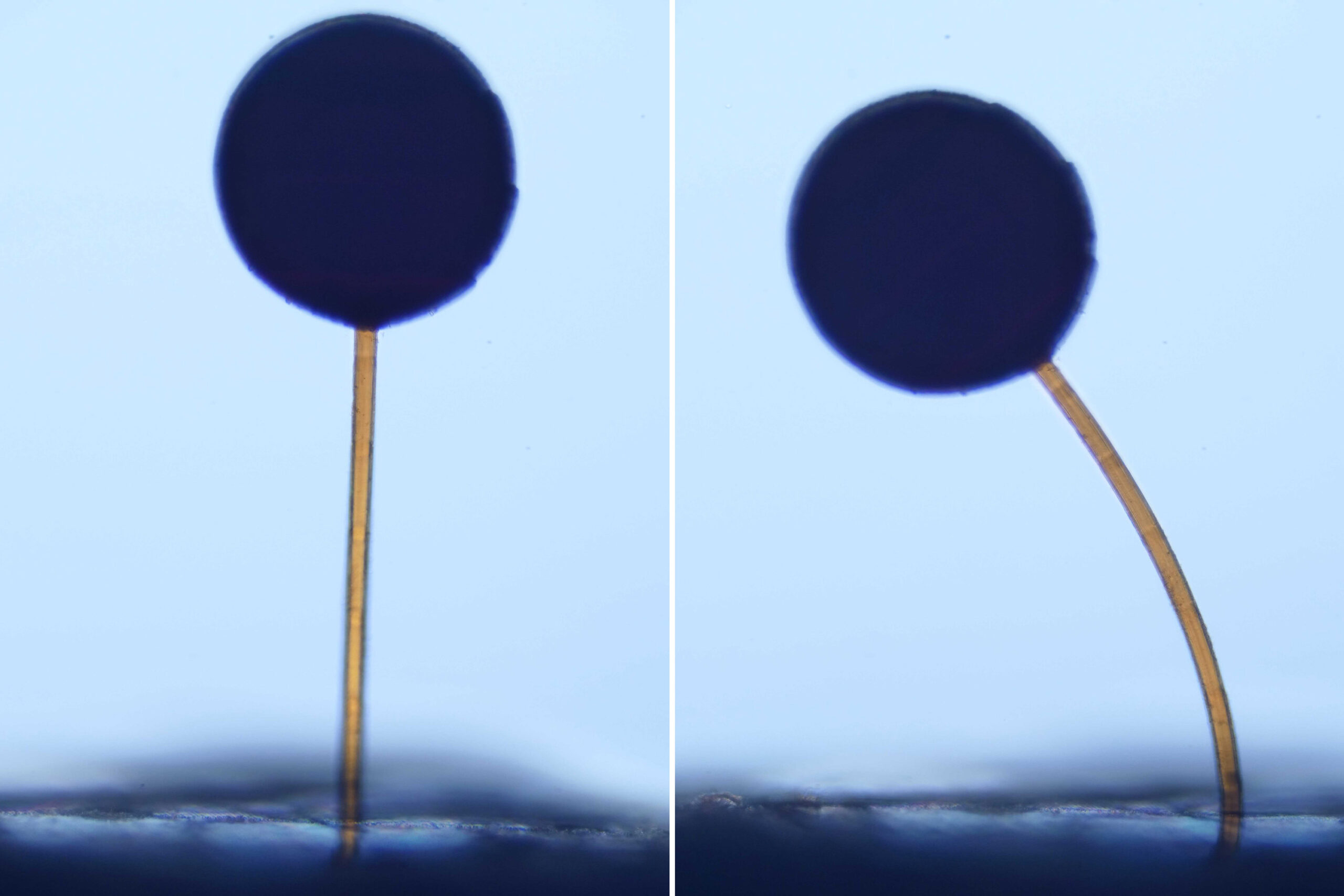
Under a microscope, a bouquet of lollipop-like structures, each smaller than a grain of sand, waves gently in a petri dish of liquid. Suddenly, they snap together, like the jaws of a Venus flytrap, as a scientist waves a small magnet over the dish. What was previously an assemblage of tiny passive structures has transformed instantly into an active robotic gripper.
The lollipop gripper is one demonstration of a new type of soft magnetic hydrogel developed by engineers at MIT and their collaborators at the École Polytechnique Fédérale de Lausanne (EPFL) in Switzerland and the University of Cincinnati. In a study appearing today in the journal Matter, the MIT team reports on a new method to print and fabricate the gel, which can be made into complex, magnetically activated three-dimensional structures.
The new gel could be the basis for soft, microscopic, magnetically responsive robots and materials. Such magno-bots could be used in medicine, for instance to release drugs or grab biopsies when directed by an external magnet.
Making objects move with magnets is nothing new, at least at the macroscale. We can, for example, wave a refrigerator magnet over a pile of paper clips that will trail the magnet in response. And at the microscale, scientists have designed a variety of magnetic “micro-swimmers” — components that are smaller than a millimeter and can be directed remotely by a magnet to squeeze through small spaces. For the most part, these designs work by mixing magnetic particles into a printable resin and pulling the entire swimmer in the direction of an external magnet.
In contrast, the MIT team’s new material can be made into even more complex and deformable structures with micron-scale precision. These features could enable a magnetic millibot to move individual features and perform more complex maneuvers.
“We can now make a soft, intricate 3D architecture with components that can move and deform in complex ways within the same microscopic structure,” says study author Carlos Portela, the Robert N. Noyce Career Development Associate Professor of Mechanical Engineering at MIT. “For soft microscopic robotics, or stimuli-responsive matter, that could be a game-changing capability.”
The study’s MIT co-authors include graduate students Rachel Sun and Andrew Chen, along with Yiming Ji and Daryl Yee of EPFL and Eric Stewart of the University of Cincinnati.
In a flash
At MIT, Portela’s group develops new metamaterials — materials engineered with unique, microscopic architectures that give rise to beyond-normal material properties. Portela has fabricated a variety of such metamaterials, including extremely tough and stretchy architectures and designs that can manipulate sound and withstand violent impacts.
Most recently, he’s expanded his research to “programmable” materials, which can be engineered to change their properties in response to stimuli, such as certain chemicals, light, and electric and magnetic fields.
From the team’s perspective, magnetic stimuli stand out from the rest.
“With a magnetically responsive material, we have control at a distance and the response is instantaneous,” says co-lead author Andrew Chen. “We don’t have to wait for a slow chemical reaction or physical process, and we can manipulate the material without touching it.”
For the new study, the team aimed to create a magnetically responsive metamaterial that can be made into structures smaller than a millimeter. Researchers typically fabricate microstructures by using two-photon lithography — a high-resolution 3D printing technique that flashes a laser into a small pool of resin. With repeated flashes, the laser traces a microscopic pattern into the resin, which solidifies into the same pattern, ultimately creating a tiny, three-dimensional structure, layer by layer.
While 3D resin printing produces intricate microstructures, using the same process to print magnetic structures has been a challenge. Researchers have tried to combine the resin with magnetic nanoparticles before printing the mixture. But magnetic particles are essentially bits of metal that inherently scatter light away or agglomerate and sediment unintentionally. Scientists have found that any magnetic particles in the resin can reduce the laser’s power at a given spot and weaken the resulting structure or prevent its printing altogether.
“Directly 3D printing deformable micron-scale structures with a high fraction of magnetic particles is extremely difficult, often involving a tradeoff between magnetic functionality and structural integrity,” says Sun, a co-lead author on the work.
A printed double-dip
The researchers created a new way to fabricate magnetic microstructures, by combining 3D resin printing with a double-dip process. The researchers first applied conventional resin printing to create a microstructure using a typical polymer gel, with no added magnetic particles. Then they dipped the printed gel into a solution containing iron ions, which the gel can absorb. The iron-soaked structure is then dipped again in a second solution of hydroxide ions. The iron ions in the gel bond with the hydroxide ions, creating iron-oxide nanoparticles that are inherently magnetic.
With this new process, the team can print intricate structures smaller than a millimeter, and add magnetic properties to the structures after printing. What’s more, they are able to control how magnetic a structure’s individual features can be. They found that, by tuning the laser’s power as they print certain features, they can set how cross-linked, or “tight” the gel is when printed. The tighter the gel, the fewer magnetic particles it can form. In this way, the researchers can determine how magnetic each tiny feature can be.
“This provides unprecedented design freedom to print multifunctional structures and materials at the microscale,” Sun says.
As a demonstration, the team fabricated ball-and-stick structures resembling tiny lollipops. The structures were less than a millimeter in height, with balls that were smaller than a grain of sand. The researchers printed the lollipops out of polymer gel and infused each ball with different amounts of magnetic particles, giving them various degrees of magnetism. Under a microscope, they observed that when they passed an ordinary refrigerator magnet over the structures, the lollipops pulled toward the magnet in various degrees, in a configuration that mimicked gripping fingers.
“You could imagine a magnetic architecture like this could act as a small robot that you could guide through the body with an external magnet, and it could latch onto something, for instance to take a biopsy,” Portela says. “That is a vision that others can take from this work.”
The team also fabricated a magnetically responsive, “bistable” switch. They first printed a small millimeter-long rectangle of polymer gel and attached to either side four tiny, oar-like magnetic structures. Each oar measured about 8 microns thick — about the size of a red blood cell. When the team applied a magnet on one end of the rectangle, the oars flipped toward the magnet, pulling the rectangle in the same direction and locking it in that position. When the magnet was applied to the other side, the oars flipped again, pulling the rectangle, like a switch, in the opposite direction.
“We think this is a new kind of bistable mechanism that could be used, for instance, in a microfluidic device, as a magnetic valve to open or shut some flow,” Portela says. “For now, we’ve figured out how to fabricate magnetic complex architectures at the microscale and also spatially tune their properties. That opens up a lot of interesting ideas for soft miniature robots going forward.”
This research was supported, in part, by the National Science Foundation and the MathWorks seed grant program.

The next gadget you put on your head could scan your brain. Neurable, a Boston-based company that embeds its noninvasive brain-scanning technology into hardware to monitor a person’s focus levels, announced on Tuesday that it is transitioning to a licensing platform model. By certifying third parties, Neurable expects its tech to be in a “flood” of consumer gadgets this year and next.
Neurable has until now focused its efforts on a pair of consumer-grade headphones—made in partnership with audio brand Master & Dynamic. It also has a contract with the US Department of Defense to see how its technology can monitor blast overpressure and potentially help diagnose mild traumatic brain injuries in soldiers. With the licensing model, we could see more of Neurable’s tech in everyday head-based wearables.
The headphones use built-in electroencephalography (EEG) sensors to monitor brain waves. That information is sent to a companion app and lets wearers know when they need a “brain break,” nudging them to take a breather before they feel burnt out to maximize productivity. The app also lets users discover their cognitive readiness for the day, their brain age, and other metrics, such as mental recovery, cognitive strain, and anxiety resilience. WIRED staff writer Emily Mullin tested the original headphones in 2024, though she found it difficult to verify the accuracy of Neurable’s algorithms.
Now, HP-owned gaming brand HyperX is releasing a gaming headset with Neurable’s technology, and it’s all about improving human performance while esports gaming. The headphones are purported to help wearers ease into the right state of mind for the best performance. Ramses Alcaide, Neurable cofounder and CEO, tells WIRED that the company has published a white paper showing improved performance among gamers using Neurable’s tech, with reduced response times in first-person shooter games and a small increase in accuracy.
The improvements may sound minor, but milliseconds are precious in the fast-paced world of esports gaming. And Alcaide says it could translate similarly to other fields: It could help a student reduce anxiety before an exam, while athletes could condition their nerves ahead of a race or game. Neurable is hardware-agnostic; Alcaide says it can be embedded in headphones, smart glasses, hats, or helmets. “There’s a whole landscape of technology that touches your head that’s yet to be embedded with our platform,” he says.
He likens it to when Fitbit made the idea of a wrist-worn heart-rate tracker popular. In the beginning, no one knew how fitness wearables would be received, but now no one blinks an eye at one on a wrist. Soon, no one will think twice about brain-scanning tech in headphones—or, at least, that’s the idea. Neurable’s tech is “invisible” in these types of gadgets.
Companies licensing Neurable’s tech can integrate it into existing hardware, Alcaide says, and will control the entire experience from product design to the software experience; these products will be advertised as “Powered by Neurable AI.” The user data still flows to Neurable’s servers for processing, but Neurable sets the data privacy protections. User identifiers are separated from the data, and while partner companies host the user-facing layer, Neurable says it keeps control of the underlying system and data handling. Neurable has previously said its business model is not to sell user data.
“Any time there’s a new transition to technology, there’s always going to be some anxiety,” Alcaide says. “We’ve been very careful when it comes to that transition. We’re protecting the data, being as ethical as possible.”
Neurable is one of many brain-computer interface (BCI) companies in the growing category. Elemind uses EEGs to improve sleep quality, and Sabi wants to turn thoughts into text. Even Apple filed a patent for EEG-sensing AirPods, though they’re not yet available.


Mideast conflict enters Cold War-like phase amid US-Iran deadlock: report

FTSE 100 edges higher but US tech stocks wobble

Structural issues from higher military RMG localisation: S Korean SMEs

-

 Sports1 week ago
NCAA men’s gymnastics championship: All-time winners list
-

 Sports1 week ago
WWE WrestleMania 42 Night 2: Live match results and analysis
-

 Politics1 week ago
UK’s Starmer seeks to deflect blame over Mandelson appointment
-

 Fashion1 week ago
UK’s Sosandar returns to profitability amid robust FY26 performance
-

 Entertainment1 week ago
Lee Anderson, Zarah Sultana kicked out of UK Parliament for calling PM ‘liar’
-
 Business1 week ago
How Trump’s psychedelics executive order could unlock stalled cannabis reform
-
 Business1 week ago
Us-India Trade Talks: US–India trade deal: Where do talks stand & what to expect – explained – The Times of India
-

 Fashion1 week ago
India, US to resume BTA talks today