

Business
Tesla, GM lead record U.S. EV sales this year as federal incentives end


DETROIT – Tesla and General Motors are leading the U.S. automotive industry this year in record domestic sales of all-electric vehicles, as consumers hurried to buy EVs before up to $7,500 in federal incentives for each purchase ended in September.
New data provided to CNBC from Motor Intelligence shows U.S. sales of EVs, excluding hybrids, topped 1 million units through the first nine months of the year and set a new quarterly record of more than 438,000 units sold during the third quarter — achieving market share of 10.5% for the period.
That record market share is up from 7.4% during the second quarter and 7.6% during the first three months of the year, according to Motor Intelligence. Sales of all-electric models were estimated to be 1.3 million in 2024, with a roughly 8% market share.
U.S. EV industry leader Tesla, which does not report sales by region, is estimated to have retained its leadership position with a 43.1% market share through September, according to the data. That’s down from 49% to end last year, as competitors continue to release new EVs.
GM, which offers the most EV models in the U.S., has made significant gains this year. Motor Intelligence reported that the Detroit automaker went from an 8.7% market share to begin this year to 13.8% through the third quarter – topping Hyundai Motor, including Kia, at 8.6% through September.
The sales data comes two days after GM estimated it leads the U.S. industry in EV market share growth so far in 2025, with the lowest incentives of any major automaker. It sold 144,668 EVs through September, which still only represented 6.8% of its total U.S. sales.
“No one is in a stronger position for a changing U.S. market than GM,” Duncan Aldred, GM president of North America, said in a release. “We have the best lineup of ICE [internal combustion engine] and EV vehicles we’ve ever had. Our brands have grown market share with consistently strong pricing, and low incentives and inventory.”
Following Tesla, GM and Hyundai, Motor Intelligence data shows Ford Motor’s EV market share was 6.6% through the third quarter, followed by Volkswagen at 5.4%; Honda Motor at 4.6%; and BMW at 3.6%.
A Tesla Cybertruck and GMC Sierra Denali EV First Edition next to one another.
Michael Wayland | CNBC
Despite sales increasing each quarter of this year, EV startups Rivian Automotive and Lucid Group continue to have a relatively small EV market share. Lucid remains under 1%, while Rivian was at 3% through September.
Major automakers reported third-quarter results this week that were led by EV sales. The rush to buy electric cars came ahead of the federal incentives for those vehicles ending as a result of the Trump administration’s “One Big Beautiful Bill Act.”
Industry analysts and executives believe the incentives ending will create a boom-and-bust cycle for the sale of EVs in the U.S.
Ford CEO Jim Farley on Tuesday said he “wouldn’t be surprised” if sales of EVs fell from an industry market share of around 10% to 12% in September to 5% after the incentive program ends.
The end of EV credits for the U.S. comes as the country continues to trail other major automakers in the adoption of zero-emission vehicles. The International Energy Agency reports China continued to lead EV adoption globally last year, with sales of 6.4 million all-electric vehicles, not counting hybrids, followed by Europe at 2.2 million units.
— CNBC’s Phil LeBeau contributed to this report.




There might also be a more direct impact on food. “Some elements of crude oil are used in fertiliser, and so there could be a cost implication in terms of food prices,” Benjamin Goodwin, partner at banking advisory firm PRISM Strategic Intelligence told the BBC.

Gold prices in Pakistan surged sharply on Monday, with the price of 24-karat gold rising by Rs13,300 per tola, according to the All Pakistan Sarafa Gems and Jewellers Association.
The new price of 24-karat gold per tola stands at Rs563,862, up from Rs550,562.
Updated Gold Rates
24K gold (per 10 grams):
Increased by Rs11,402 to Rs483,420
22K gold (per 10 grams):
Rose by Rs10,453 to Rs443,151
Silver Prices Also Rise
Silver (per tola):
Up Rs188 to Rs10,050
Silver (per 10 grams):
Increased by Rs161 to Rs8,616
International Market Impact
The surge in domestic prices follows gains in the international market, where gold climbed by $133 to $5,411 per ounce, while silver rose by $1.88 to $95.66 per ounce.
Analysts attribute the rally to global economic uncertainty and heightened geopolitical tensions, which typically drive investors toward safe-haven assets like gold.
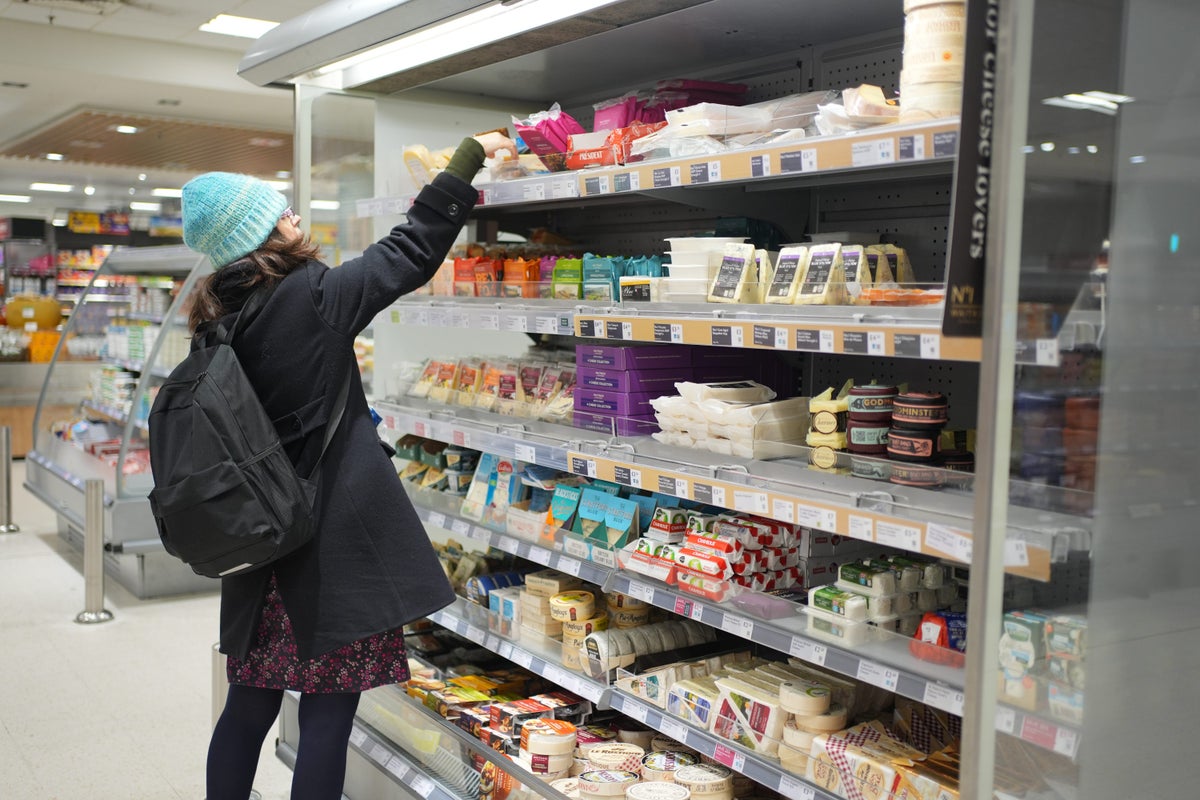
One in five UK grocery trips involves at least one missing item, adding up to roughly £2.1 billion in “displaced” sales, according to a report.
As a result, 44% of consumers say they have switched to another supermarket or added in a visit to an alternative grocer in the past year to find an item they need – rising to almost two thirds of shoppers under 45, a study by DHL Supply Chain and the consultancy Retail Economics found.
Almost six in 10 shoppers (59%) said availability is a main reason they shop across multiple stores, and one in three now prioritised availability over price, a survey of 2,000 UK households suggests.
Meanwhile, convenience stores accounted for around one fifth of grocery sales but made up almost half of all displaced spending because of gaps on shelves.
Some 63% of shoppers believe availability is worse in convenience stores.
Nick Archer, managing director of convenience and consumer at DHL Supply Chain, said: “The research shows that even small stock gaps can have a significant impact on how shoppers feel about a retailer.
“Despite the pressure on shoppers’ wallets, loyalty is being driven by more than price.
“In a market where customers can switch stores with ease, availability is much more than an operational metric. Being competitive in today’s market requires precision.”
Retail Economics chief executive Richard Lim said: “In today’s environment of busy lifestyles, hybrid working and smaller, more frequent shopping trips, customers expect to find what they need quickly and easily.
“This is not only limited to grocery, but in all retail sectors, from fashion to beauty.
“Convenience comes down to having products there when the customer needs them, and availability has become the clearest sign of reliability.
“Retailers who get it right will be the ones who earn trust and lasting loyalty.”


Bangladesh’s BGMEA seeks policy reforms, release of pending incentives

2026 Champ Week women’s tournament and conference POY picks
Will petrol and diesel prices go up now?

-

 Politics1 week ago
Pakistan carries out precision strikes on seven militant hideouts in Afghanistan
-

 Tech1 week ago
These Cheap Noise-Cancelling Sony Headphones Are Even Cheaper Right Now
-

 Entertainment1 week ago
Viral monkey Punch makes IKEA toy global sensation: Here’s what it costs
-

 Sports1 week ago
Kansas’ Darryn Peterson misses most of 2nd half with cramping
-
Sports1 week ago
Mike Eruzione and the ‘Miracle on Ice’ team are looking for some company
-

 Entertainment1 week ago
Saturday Sessions: Say She She performs "Under the Sun"
-
 Business6 days ago
Households set for lower energy bills amid price cap shake-up
-
 Politics1 week ago
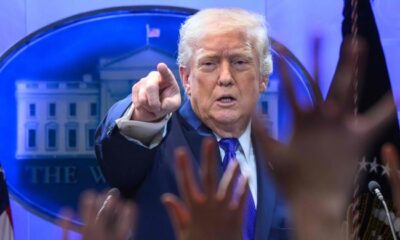
Trump says he will raise US global tariff rate from 10% to 15%, following court ruling