

Business
Thames Water agrees new £122m fine payment plan

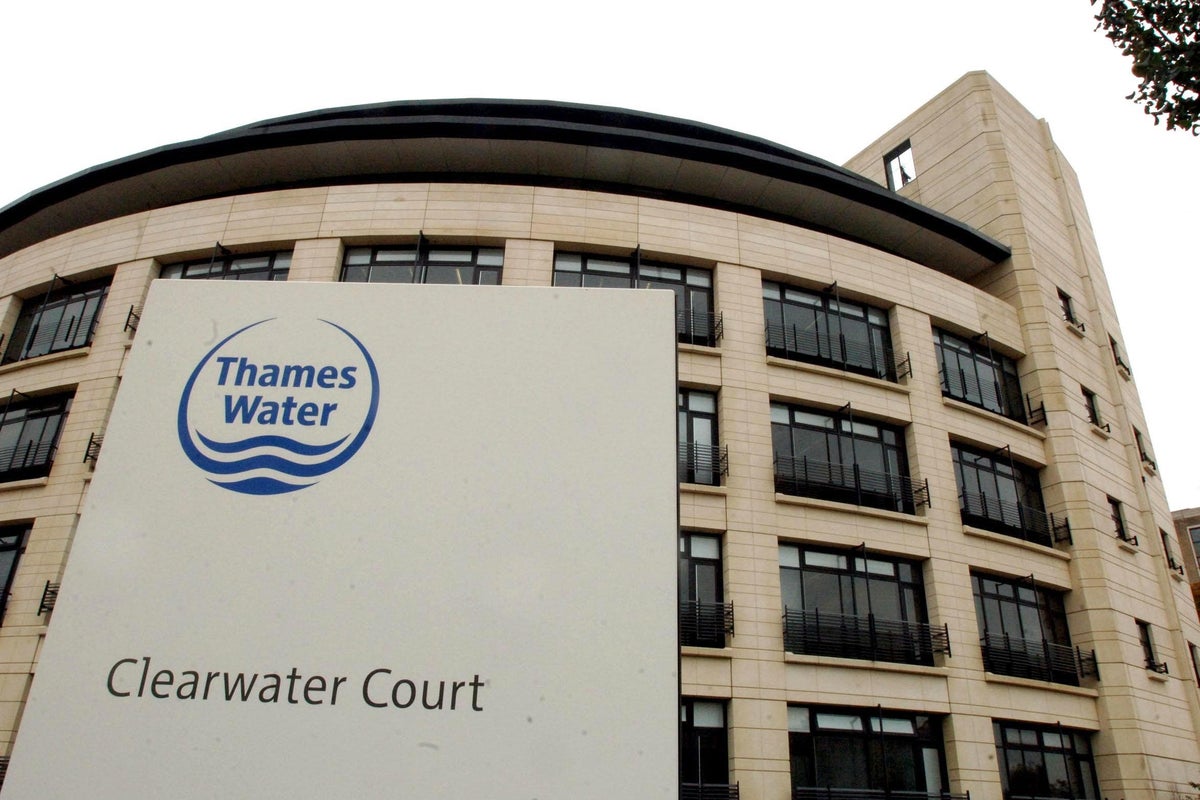
Troubled utility giant Thames Water has agreed to pay an initial £24.5 million of its record £122.7 million in fines by the end of September, under a payment plan sanctioned by regulator Ofwat.
The industry watchdog, which levied the penalties in May for failures concerning sewage treatment and the payment of dividends, stipulated that a fifth of the total fines would be due in this first instalment.
Thames Water has stated that these fines will not be covered by customer bills.
However, the payment of the remaining 80 per cent is contingent on the financial stability and future of the debt-laden water supplier, which is currently teetering on the brink of potential temporary nationalisation.
This means the majority of the fines may not be settled for up to five years.
Ofwat confirmed that the outstanding amount will be paid either 30 calendar days after Thames Water secures a rescue financing deal and demonstrates sufficient cash liquidity, or, if the company is placed into a special administration regime by the Government, 30 calendar days after it exits the insolvency process.
The regulator has set a final “backstop date” of March 31, 2030, for the full payment of the remaining penalties.
The fines were originally due by August 20, but Thames Water requested a revised payment schedule citing its ongoing financial difficulties.
Campaign group River Action slammed it as a “sweetheart deal”.
James Wallace, chief executive of River Action, said: “It is outrageous that Thames Water has been allowed to kick its fine down the road.”
Lynn Parker, senior director of enforcement at Ofwat, said: “This payment plan continues to hold Thames Water to account for their failures but also recognises the ongoing equity raise and recapitalisation process.
“Our focus remains on ensuring that the company takes the right steps to deliver a turnaround in its operational performance and strengthen its financial resilience to the benefit of customers.”
Ofwat announced the fines in May after it said an investigation into Thames Water’s sewage treatment works found “a series of failures by the company to build, maintain and operate adequate infrastructure”.
The utility giant was ordered to pay £104.5 million for the sewage probe, plus £18.2 million for breaking rules over dividend payments, the industry’s first dividend-related fine.

Ofwat pointed to nearly £170 million worth of dividend payments by Thames in October 2023 and March 2024, which the watchdog said were not justified.
But the fines come at a time when Thames is already under extreme financial stress and its chief executive Chris Weston has previously told MPs that if the company faced fines that were too high, it would struggle to get new investment.
Thames Water is feared to be edging closer to a potential temporary nationalisation after the Government appointed insolvency specialists FTI Consulting earlier this month to step up contingency planning in case the supplier collapses.
These plans could see Britain’s biggest water firm placed into a special administration regime (SAR), meaning it would be put into an insolvency process.
Thames Water, which has 16 million customers, remains locked in talks over a rescue funding deal with a number of senior creditors.
But it recently raised doubts over whether the creditors’ refinancing and restructuring plans could be completed, which could ultimately result in a state rescue deal.
In a statement on Wednesday, Thames Water said: “The company continues to work closely with stakeholders to secure a market-led recapitalisation which delivers for customers and the environment as soon as practicable.”

Cornwall Insight says the recent surge in energy prices due to the Iran war is set to push up household bills.
Source link
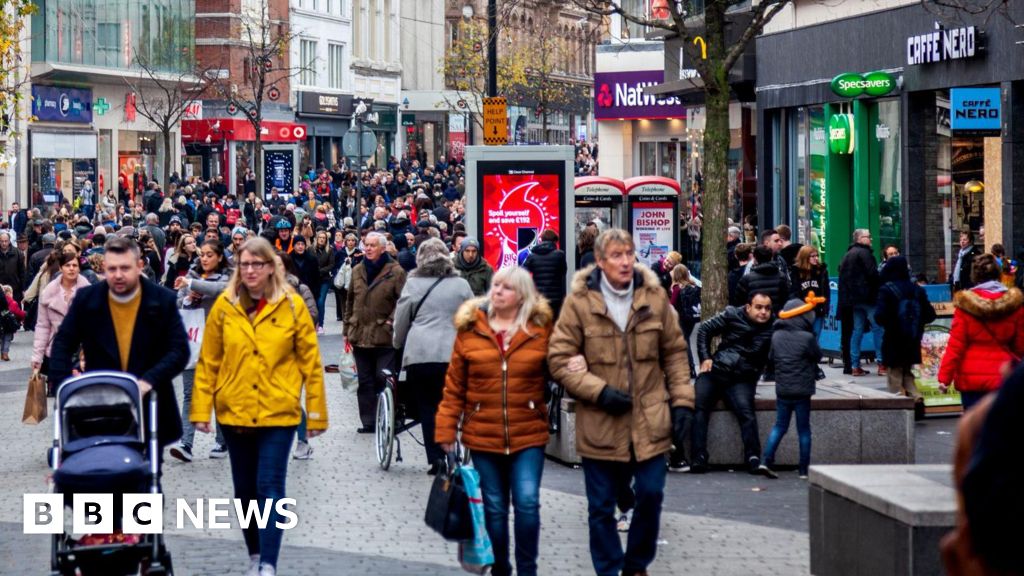
The ONS said an increase in government tax receipts was outweighed by a rise in spending.
Source link
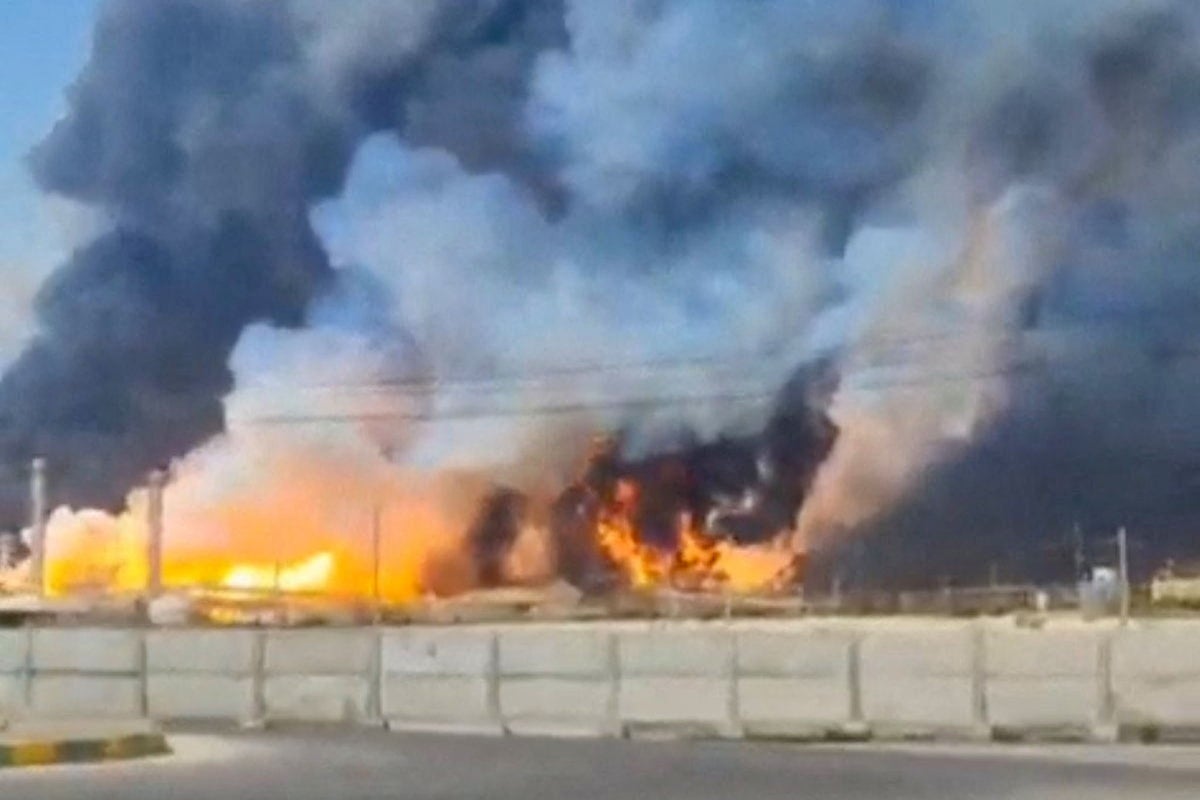
Britain is to “step up” defensive support for Gulf states after Iran attacked energy sites across the region in a “serious escalation” of the war that could push up inflation and interest rates.
The price of Brent crude climbed as high as $119 a barrel and European gas prices briefly surged by 35 per cent after Iran pounded Qatar’s Ras Laffan energy hub and other Middle Eastern oil and gas infrastructure with missiles.
Interest rates were held at 3.75 per cent instead of the previously expected cut, as the Bank of England warned that the war could push inflation as high as 3.5 per cent by July on the back of rising energy bills, and that rates could rise – creating misery for homeowners.
It came as:
- US defence secretary Pete Hegseth said “ungrateful” European allies should be thanking Donald Trump for the war
- Trump claimed he was unaware of Israel’s strike on Iran’s South Pars gas field
- Oman called the US/Israel attacks a “grave miscalculation”
- Europe’s biggest airlines warned of higher fares
Iran’s attacks were in retaliation to an Israeli strike on the vital South Pars gas field, which drew condemnation from the Gulf states as well as Tehran. It was the first attack of the war so far on an energy production facility. Tehran fired missiles at multiple energy sites across the Gulf, including a Saudi oil refinery, Qatari gas facilities and two more oil refineries in Kuwait.
While Sir Keir Starmer and Emmanuel Macron called for de-escalation, President Trump threatened to “massively blow up” the South Pars facility if Iran did not halt its retaliatory attacks, repeating his claim that US forces had “obliterated” Iran’s navy and military, adding that the war was “substantially ahead of schedule”. He denied that plans were being made to send more American troops to the region.
John Healey, the UK defence secretary, said Tehran’s tit-for-tat responses threatened to further destabilise the region and Europe’s economies. He called them a “serious escalation”, adding: “They further destabilise the region and we will step up the defensive support that we can offer to those Gulf states.”
British forces are already deployed to the Middle East, with RAF jets flying defensive sorties against Iranian drones across the Gulf and British air defence systems protecting critical infrastructure in Saudi Arabia. UK military planners have also joined US Central Command to help formulate proposals for opening the Strait of Hormuz, a critical trade route for the world’s oil and gas.But there were signs of growing frustration towards Washington’s war aims in the Gulf states, with Oman’s foreign minister claiming that the conflict was President Trump’s “greatest miscalculation”.
In the most scathing attack on Washington’s foreign policy yet by a Gulf state, Badr Albusaidi said “this is not America’s war” and criticised Mr Trump for supporting Israel. Writing in The Economist, he called on American allies to help extricate it from the conflict, which has continued for a third week despite failing to achieve the US and Israel’s stated aim of instigating regime change in Tehran or stopping its nuclear programme.
Meanwhile, the Bank of England has warned that it may have to put up interest rates if the war continues to drive up inflation and unemployment. Its governor, Andrew Bailey, said the impact was already being felt by consumers as petrol prices surge and that he is “ready to act as necessary to ensure inflation remains on track to meet the 2 per cent target”. That would pave the way for a rate hike as early as the end of April.
Bets on the financial markets suggest a 50/50 chance that Britain will face higher interest rates from next month – and the possibility of two more rises by the end of the year.
Danni Hewson, head of financial analysis at AJ Bell, said: “Markets are now pricing in an almost 50 per cent chance that April’s meeting will see rates rise to 4 per cent with the potential for two additional rate hikes by the end of the year. But no one has a crystal ball. No one knows how long the conflict will last or the amount of damage that could be inflicted on crucial energy infrastructure by the time it ends.”

Typical energy bill forecast to rise by £332 a year in July

New US software designs resizable, repairable, restylable garments

US wholesale inflation accelerates as producer prices rise 0.7% in Feb

Stock market crash today (March 12, 2026): Nifty50 opens below 23,600; BSE Sensex down over 900 points on continuing US-Iran war – The Times of India

UK’s Topshop unveils Tolu Coker capsule collection

India’s textile recycling market may reach $3.5 bn by 2030: Report

-
Business1 week ago
Stock market crash today (March 12, 2026): Nifty50 opens below 23,600; BSE Sensex down over 900 points on continuing US-Iran war – The Times of India
-
 Fashion1 week ago
UK’s Topshop unveils Tolu Coker capsule collection
-
 Fashion1 week ago
India’s textile recycling market may reach $3.5 bn by 2030: Report
-
 Tech1 week ago
Meta Developed 4 New Chips to Power Its AI and Recommendation Systems
-
 Business1 week ago
8th Pay Commission: How Much Will Central Govt Employees’ Salaries Rise? What We Know So Far
-

 Entertainment1 week ago
Ed Sheeran makes surprising Benny Blanco confession after hygiene uproar
-

 Fashion1 week ago
Is Bangladesh facing price challenges from China in the EU?
-
 Entertainment1 week ago
Gas, food, household prices explained